
PCB Assembly Services for Prototype, Turnkey, and Production PCBA
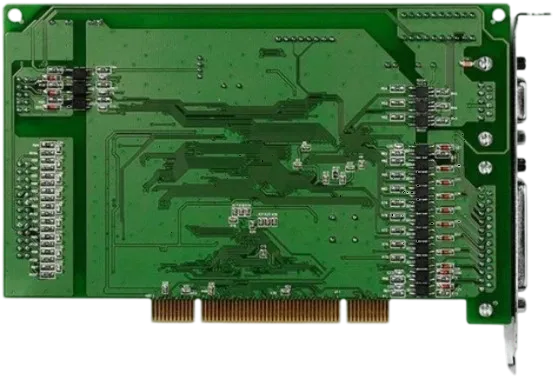
PCB assembly services turn fabricated circuit boards, components, soldering processes, inspection records, and test requirements into functional electronic assemblies. In a real production project, PCBA quality is not controlled by the SMT line alone. It depends on the bare PCB design, BOM accuracy, component sourcing, stencil design, reflow profile, inspection method, functional test plan, packaging, and engineering communication before production release.
Highleap Electronics provides PCB manufacturing and PCB assembly as one connected service for B2B electronics projects. The assembly work can include SMT assembly, through-hole assembly, mixed technology assembly, BGA/QFN assembly, prototype builds, pilot runs, production batches, component sourcing, inspection, and customer-defined testing. Highleap is not only placing components on boards; the production goal is to make the board design, purchased components, manufacturing files, and final PCBA requirements fit together before material is committed and assembly starts.
For related manufacturing topics, review multilayer PCB manufacturing, PCB impedance control, rigid-flex PCB fabrication, and Highleap quick quote.
PCB Assembly Services Snapshot
SMT, through-hole, mixed technology, BGA/QFN, prototype PCBA, pilot builds, and production assembly.
Turnkey, partial turnkey, consigned/kitted components, or customer-controlled AVL sourcing.
Bare PCB fabrication, panelization, stencil, SMT process, inspection, test, and shipment planning.
Gerber/ODB++, BOM, pick-and-place file, assembly drawing, test instructions, and expected volume.
Turnkey PCB Assembly Services From BOM to Tested PCBA
Turnkey PCB assembly services are useful when the customer wants one supplier to manage bare PCB fabrication, component sourcing, SMT assembly, through-hole assembly, inspection, and shipment. The value is not just convenience. A turnkey model reduces the gap between PCB fabrication decisions and assembly decisions, especially when the design includes fine-pitch ICs, BGAs, impedance-controlled boards, rigid-flex structures, high-current copper areas, or customer-specific testing.
The right supply model depends on how much control the customer wants over components, approved vendors, substitutions, and traceability. Some projects need full turnkey sourcing. Others require customer-supplied parts, approved distributor lists, or strict MPN control because the product is already qualified.
Assembly service models for different procurement requirements
| Service model | Customer provides | Highleap production role | Best fit |
|---|---|---|---|
| Full turnkey PCB assembly | Complete fabrication files, BOM, placement data, drawings, and test requirements | PCB fabrication, component sourcing, assembly, inspection, testing, and shipment preparation | Prototype-to-production PCBA projects that need one accountable manufacturing flow |
| Partial turnkey assembly | Critical ICs, long-lead parts, programmed devices, or customer-controlled components | Sources the remaining components and manages the assembly process | Projects with sensitive or high-value components but flexible passive parts |
| Consigned or kitted assembly | All components, normally with labels, quantities, and overage for attrition | Checks kit completeness, assembles boards, inspects results, and follows customer process notes | Qualified products, regulated projects, or customers with their own supply chain |
| PCBA with final integration support | Mechanical notes, cable information, enclosure requirements, firmware or test procedure | Coordinates assembly sequence, selected test steps, packaging, and shipment documentation | Control modules, power boards, IoT hardware, instruments, and electronic subassemblies |
PCBA deliverables that need to be defined before production
A PCBA order can mean different things to different teams. For one buyer, it may mean assembled boards only. For another, it may include conformal coating, programming, functional test, cables, labels, serialized packaging, or customer-specific inspection reports. Defining the deliverables early prevents quotation gaps and avoids assembly holds after parts arrive.
- Assembled PCB only, inspected and packed
- Assembled and electrically tested PCBA
- PCBA with programming, firmware loading, or calibration support
- PCBA with conformal coating, selective coating, or protective process requirements
- PCBA with connectors, cables, mechanical parts, or subassembly packaging
PCB Manufacturing and Assembly in One Controlled Flow
PCB assembly becomes more reliable when bare-board fabrication and assembly planning are reviewed together. Land pattern, solder mask opening, surface finish, panel size, fiducials, tooling holes, copper balance, board thickness, via structure, and component placement all affect the assembly result. A board that is technically manufacturable as a bare PCB may still create assembly risk if the PCBA process is not considered early.
Highleap connects PCB fabrication with assembly planning so that CAM, DFM, stencil design, SMT programming, inspection, and test preparation are not treated as separate conversations. This is especially important for multilayer PCBs, HDI boards, rigid-flex PCBs, BGA packages, fine-pitch components, heavy copper boards, and assemblies with thermal constraints.
DFM and DFA checks before the assembly release
DFM checks whether the bare PCB can be manufactured consistently. DFA checks whether the finished board can be assembled, inspected, and tested without unnecessary process risk. For turnkey PCBA, both checks belong in the same production review.
| Review area | Manufacturing concern | Assembly concern | Typical action |
|---|---|---|---|
| Panelization | Routing tabs, V-cut, breakaway rails, board support | SMT handling, conveyor support, depaneling stress | Define panel drawing, fiducials, tooling holes, rail width, and depaneling method |
| Surface finish | Finish compatibility with pad geometry and storage | Solderability, BGA reliability, fine-pitch wetting | Confirm ENIG, OSP, immersion silver, HASL lead-free, or project-specific finish |
| Vias and pads | Via type, plugging, filling, tenting, annular ring | Solder wicking, voiding, tombstoning, BGA escape reliability | Document via-in-pad, resin fill, copper cap, and solder mask notes |
| Component placement | Copper spacing, keepout, mechanical clearance | Nozzle access, rework access, thermal profile balance | Review centroid data, polarity marks, pin-1 orientation, and assembly drawing |
Surface finish and stencil decisions affect solder joint quality
Surface finish, stencil thickness, aperture design, and solder paste selection are not cosmetic details. They affect wetting, bridging, solder volume, voiding, fine-pitch yield, BGA quality, and rework risk. For mixed-technology boards, the production release also defines whether selective soldering, wave soldering, or manual soldering is suitable for through-hole parts.
When the project includes lead-free assembly, power components, connectors, shields, high-mass copper areas, or unusual board thickness, the reflow and soldering process may need additional review before the purchase order is released.
SMT, Through-Hole, Mixed Technology, and BGA Assembly
PCB assembly services must match the component technology used on the board. A simple SMT board, a high-density BGA board, and a mixed-technology power board create different process risks. The quote and manufacturing review should therefore identify component type, package pitch, board size, copper weight, thermal mass, inspection needs, and rework expectations.
Highleap supports assembly workflows for common electronic products as well as more demanding builds that need closer engineering control. The production route is selected from the actual BOM and assembly files, not from a generic service category.
Assembly capability matrix for common PCBA builds
| Assembly type | Typical components | Production focus | Inspection focus |
|---|---|---|---|
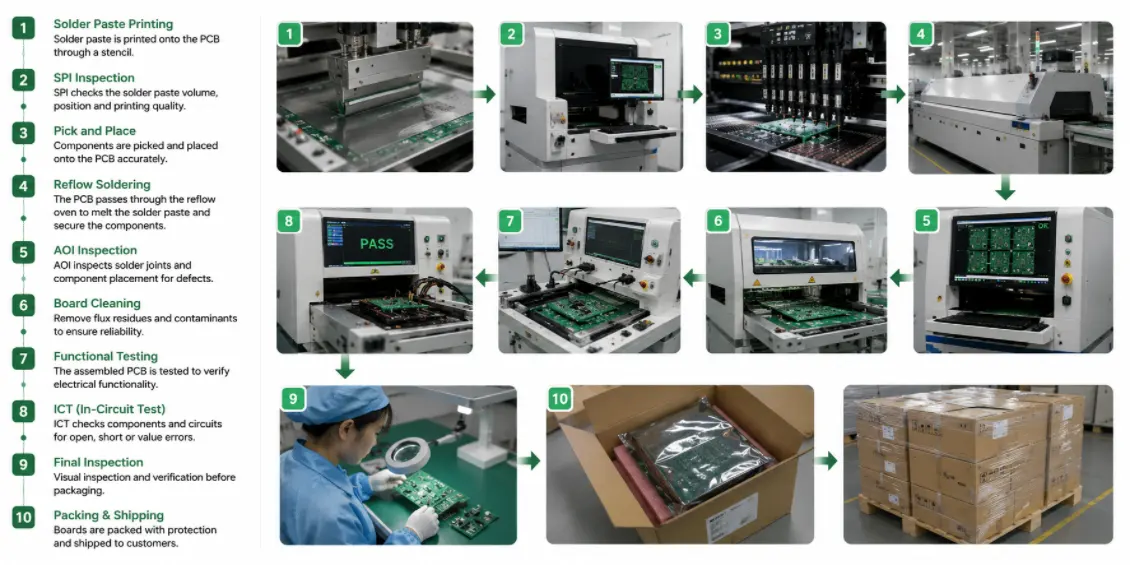
| SMT PCB assembly | Chip resistors, capacitors, ICs, QFN, connectors, LEDs, modules | Stencil printing, placement accuracy, reflow profile, solder paste control | SPI, AOI, visual inspection, selected electrical test |
| Through-hole assembly | Connectors, relays, transformers, electrolytic capacitors, power terminals | Insertion orientation, solder fill, thermal mass, wave or selective soldering | Solder fillet, barrel fill, polarity, mechanical stability |
| Mixed technology assembly | SMT parts plus through-hole connectors, power parts, switches, shields | Process sequence, bottom-side component protection, soldering method | AOI plus selective manual or through-hole inspection |
| BGA and QFN assembly | BGAs, QFNs, LGAs, fine-pitch ICs, RF modules, processor devices | Pad design, via-in-pad control, stencil aperture, moisture sensitivity | X-ray inspection, voiding review, rework control when needed |
Prototype, pilot run, and production PCBA requirements are different
Prototype PCB assembly focuses on fast engineering feedback and identifying design or BOM issues. Pilot assembly validates the manufacturing route, component availability, inspection plan, and test method. Production PCBA needs repeatability, controlled documentation, stable sourcing, and clear acceptance criteria.
The same design may require different review depth at each stage. A prototype build can tolerate engineering notes and active communication; a production build needs released data, controlled BOM revisions, approved substitutions, inspection criteria, and packaging instructions.
Component Sourcing, BOM Control, and Engineering Changes
Component sourcing is often the biggest variable in turnkey PCB assembly services. PCB fabrication can be quoted from a complete drawing set, but PCBA cost and lead time depend heavily on component availability, minimum order quantities, lifecycle status, approved manufacturers, and whether alternates are allowed.
A production-ready BOM is more than a list of part numbers. It identifies the manufacturer part number, description, package, value, tolerance, voltage rating, approved alternate, designator, quantity, mounting type, and any do-not-substitute restrictions. When this information is incomplete, assembly risk moves from the factory floor to the purchasing stage.
BOM fields that reduce sourcing mistakes
| BOM field | Why it matters | Common risk when missing |
|---|---|---|
| Manufacturer part number | Defines the actual component to be purchased | Wrong package, wrong rating, or non-approved substitution |
| Approved alternate | Allows sourcing flexibility without engineering delay | Late purchase hold when the primary part is unavailable |
| Package and footprint | Connects the BOM to the PCB land pattern | Part fits electrically but not physically |
| Do-not-substitute note | Protects critical ICs, sensors, RF parts, safety parts, and qualified components | Unapproved changes that affect qualification or field performance |
Engineering change control during PCBA sourcing
If a component becomes unavailable, the next step is not automatic substitution. The purchasing team identifies availability, and the engineering team confirms whether the alternate matches electrical, mechanical, thermal, firmware, compliance, and qualification requirements. For regulated products, safety-related circuits, medical electronics, automotive electronics, RF modules, and power systems, alternate approval may require customer confirmation before assembly continues.
For repeat production, BOM revision control becomes part of quality management. A clean PCBA build record documents the approved BOM revision, PCB revision, assembly drawing revision, test requirement, and any approved deviations.
PCB Assembly Quality Control, IPC Class, Inspection, and Testing
PCB assembly quality is controlled through process discipline, inspection, acceptance criteria, and functional verification. IPC-A-610 is widely used for electronic assembly acceptability criteria, while J-STD-001 is used for soldering process and material requirements. The customer drawing or purchase order should define the required IPC class, inspection level, and test coverage before production begins.
Inspection does not replace a clear test strategy. AOI can identify many visible placement and soldering defects. X-ray helps review hidden joints such as BGAs and selected through-hole conditions. ICT and functional test confirm electrical behavior when test fixtures, procedures, and acceptance limits are provided.
Inspection and test options for PCB assembly services
| Inspection or test | What it helps verify | When it is useful | Input needed from customer |
|---|---|---|---|
| SPI | Solder paste volume, alignment, and print consistency | Fine-pitch SMT, BGA, QFN, small passive components | Stencil and paste requirements if customer-specified |
| AOI | Component presence, polarity, orientation, solder defects, bridges | Most SMT assembly projects | BOM, placement file, polarity notes, golden sample if needed |
| X-ray inspection | Hidden solder joints, BGA balls, QFN pads, selected through-hole solder fill | BGA assembly, QFN assembly, high-reliability PCBA | Critical components, voiding expectations, report requirement |
| ICT or flying probe | Opens, shorts, component values, basic electrical connectivity | Production PCBA with stable design and test access | Netlist, test points, fixture expectations, acceptance limits |
| Functional test | Real product behavior under defined operating conditions | Power boards, control modules, communication boards, finished electronic assemblies | Test procedure, fixture, firmware, pass/fail criteria, safety notes |
IPC class and acceptance criteria need to be stated clearly
Many PCBA disputes begin with unclear acceptance expectations. If the customer requires IPC Class 2 or Class 3, special soldering requirements, cosmetic limits, conformal coating rules, X-ray reports, or functional test records, these requirements belong in the fabrication drawing, assembly drawing, purchase order, or quality agreement.
For high-reliability electronics, quality documentation can include first article inspection, AOI records, X-ray images for selected components, electrical test results, component traceability, material certificates, and shipment inspection records when these deliverables are defined before quotation.
PCB Assembly Quote Requirements and FAQ
An accurate PCB assembly quote requires more than Gerber files. Gerbers describe the bare board, but they do not define the complete assembly scope. A reliable PCBA quotation needs the component list, placement data, assembly notes, testing expectations, packaging requirements, volume, and revision status.
When the quote package is complete, engineering can separate true manufacturing cost from missing-file uncertainty. This improves quotation quality, reduces back-and-forth, and helps the project move from prototype to production with fewer engineering holds.
PCB assembly RFQ checklist
| Required file or information | Purpose | Notes for faster review |
|---|---|---|
| Gerber, ODB++, or IPC-2581 | Bare PCB fabrication and CAM review | Include all copper, solder mask, paste, silkscreen, drill, and outline data |
| BOM | Component sourcing and cost calculation | Include MPN, designator, quantity, package, value, tolerance, and approved alternates |
| Pick-and-place file | SMT programming and component placement | Confirm board origin, rotation convention, side, and units |
| Assembly drawing | Polarity, orientation, mounting, special notes | Mark pin 1, LED direction, connector orientation, mechanical constraints, and no-pop parts |
| Test requirement | Defines inspection and functional verification scope | Provide fixture information, firmware, pass/fail criteria, and test time expectations |
| Quantity and schedule | Material purchasing, line planning, and price break review | Separate prototype, pilot, and production quantities when possible |
Typical applications for PCB assembly services
- Industrial control boards and automation modules
- Power supply boards, motor control boards, and battery electronics
- Telecommunication and networking hardware
- Medical electronics and test instruments
- IoT devices, sensor modules, and smart hardware
- Automotive electronics, EV chargers, and energy systems
- RF modules, high-frequency boards, and mixed-signal assemblies
- Prototype electronics moving toward pilot and production builds
PCB Assembly Services FAQ
The questions below address common procurement, engineering, and production issues that appear before a PCB assembly order is released.
What are PCB assembly services?
PCB assembly services include soldering electronic components onto bare printed circuit boards and verifying the resulting PCBA through inspection or testing. The scope can include SMT assembly, through-hole assembly, mixed technology, BGA assembly, component sourcing, functional testing, and shipment documentation.
What is the difference between PCB manufacturing and PCB assembly?
PCB manufacturing produces the bare circuit board. PCB assembly mounts and solders components onto that board to create a functional electronic assembly. A turnkey supplier connects both steps so fabrication decisions and assembly requirements are reviewed together.
What files are required for a PCB assembly quote?
A complete PCB assembly quote normally requires Gerber or ODB++ files, BOM, pick-and-place file, assembly drawing, fabrication drawing, testing instructions, quantity, schedule, and any special inspection or packaging requirements.
Can Highleap provide turnkey PCB assembly?
Yes. Highleap Electronics can support turnkey PCB assembly when the customer provides complete manufacturing files, BOM data, placement data, assembly notes, and testing expectations. Customer-supplied, partial turnkey, and consigned component models can also be reviewed.
Can customer-supplied components be used?
Yes. Customer-supplied or kitted components can be used when the parts are clearly labeled and matched to the BOM. Extra quantity may be needed for setup, attrition, and potential rework, especially for small passives, fine-pitch components, or BGA devices.
Does PCB assembly include functional testing?
Functional testing can be included when the customer provides the test procedure, fixture requirements, firmware, pass/fail limits, and safety instructions. Without defined test information, the quote may only include assembly and standard inspection.
How does component substitution work in turnkey assembly?
Substitution depends on the BOM and customer approval rules. Critical ICs, safety components, RF parts, programmed devices, connectors, and qualified components should not be substituted without approval. Approved alternates can reduce sourcing delays when they are listed in the BOM.
Can PCB assembly services support prototype and production builds?
Yes. Prototype assembly helps validate the design and identify engineering issues. Pilot builds confirm the production route and test method. Production assembly requires stable documentation, controlled sourcing, repeatable inspection, and defined acceptance criteria.
Request a PCB Assembly Services Engineering Review
Highleap Electronics supports PCB assembly services for customers who need more than component placement. Engineering review before production helps confirm BOM readiness, component sourcing risk, panelization, stencil strategy, assembly process, inspection level, test coverage, and long-term build consistency.
To request a PCBA quote, prepare your Gerber or ODB++ files, BOM, pick-and-place file, assembly drawing, test requirement, expected quantity, and delivery target. Submit the files through the Highleap quick quote form for PCB manufacturing and assembly review.

Recommended Posts
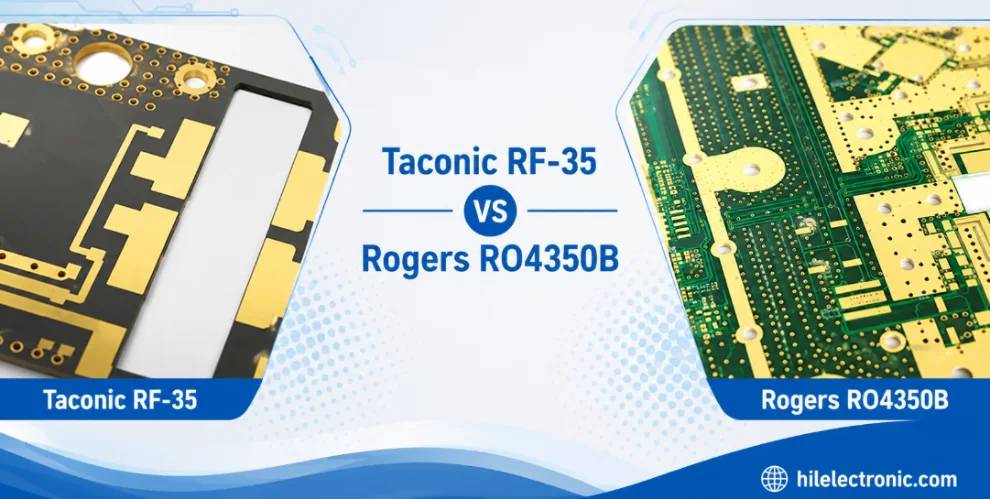
Taconic RF 35 vs RO4350B PCB
Table of contentsRF-35 vs RO4350B Procurement and...
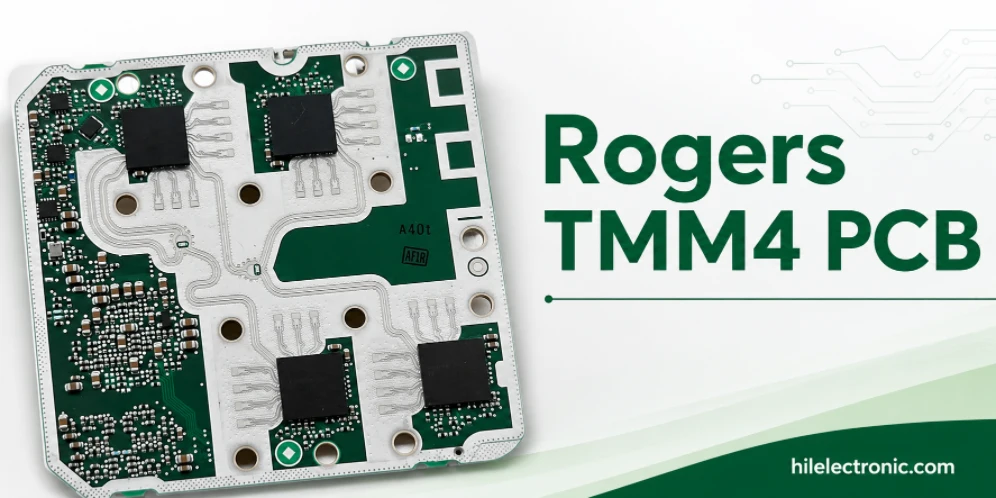
TMM4 Filter PCB Manufacturing
TMM4 filter PCB manufacturing is controlled by the...
TMM3 PCB Manufacturing for RF Modules
TMM3 PCB manufacturing is most useful where the RF module...
TMM6 PCB Fabrication
TMM6 fabrication is the process-control page for a mid-Dk...
How to get a quote for PCBs
Let’s run DFM/DFA analysis for you and get back to you with a report. You can upload your files securely through our website. We require the following information in order to give you a quote:
-
- Gerber, ODB++, or .pcb, spec.
- BOM list if you require assembly
- Quantity
- Turn time
For PCBA services, please provide your BOM (Bill of Materials) and any specific assembly instructions. We also offer DFM/DFA analysis to optimize your designs for manufacturability and assembly, ensuring a smooth production process.