
Industrial Laptop PCB and PCBA Manufacturing for Long-Life Field Platforms
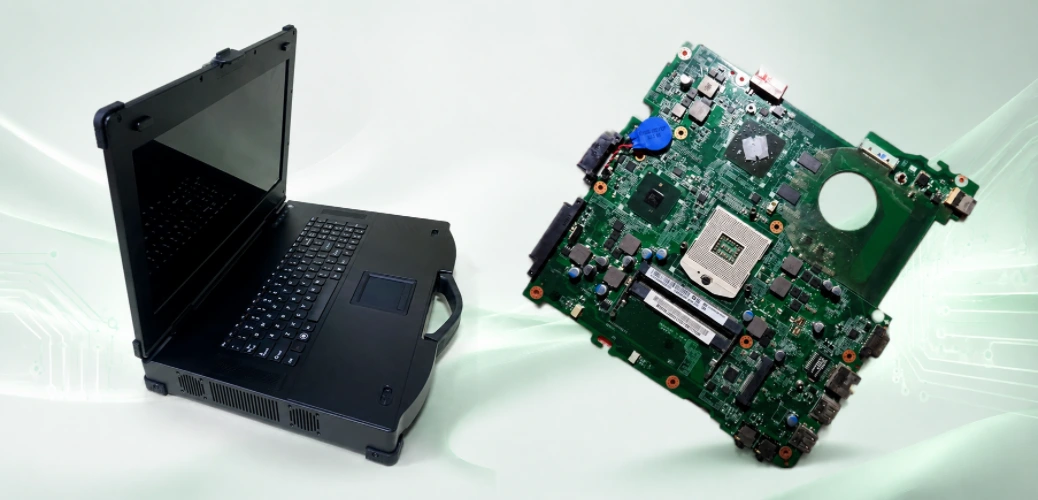
Table of contents
- Design the Manufacturing Plan Around Service Life and Configuration Stability
- Long-Life BOM, AVL and Engineering Change Control
- Industrial I/O, Docking and Field-Service Interfaces
- Laptop-Class PCB Fabrication With Application-Driven Protective Processing
- Programming, Traceability and Repeat-Production Configuration Control
- Field-Oriented Functional Test, Cost Drivers and Supplier Evaluation
- International Supply and Lifecycle Support for Industrial Laptop Platforms
- Request an Industrial Laptop PCB and PCBA Manufacturing Review
An industrial laptop combines portable-computer electronics with procurement requirements that often emphasize long service life, controlled revisions, stable peripheral interfaces and repeatable production. Some products are also rugged, but environmental hardening is not the only reason an industrial notebook differs from a consumer model. Long-life BOM management, docking, legacy or specialized I/O and engineering-change discipline can be equally important.
Highleap Electronics manufactures customer-owned industrial laptop motherboards and related PCBAs from released data. The scope can include PCB fabrication, assembly, approved sourcing, programming, customer-defined functional testing and protective processing when specified.
The manufacturing goal is continuity: preserve an approved electronic configuration across prototypes, validation builds, service lots and later production while making component or interface changes visible before they reach the line.
1. Design the Manufacturing Plan Around Service Life and Configuration Stability
Industrial portable computers are often used for maintenance, diagnostics, factory service, field data collection or specialized enterprise work. These programs can value configuration stability more than rapid consumer-style refresh cycles. The manufacturing package should therefore capture not only the current build but also the information needed to reproduce it later.
Variant / Lifecycle Control
Hardware revision, BOM/AVL, firmware image, I/O option set, docking configuration, labels and test procedure should be linked in one controlled release. If a later order changes only a peripheral or customer label, the factory should be able to isolate that change without reopening unrelated motherboard decisions.
2. Long-Life BOM, AVL and Engineering Change Control
Component lifecycle is a major commercial risk for industrial laptops. Processor/SoC, memory, flash, network devices, power components, specialized connectors and display-related parts can reach end of life or become constrained while the customer still needs the platform.
Approved Parts
Highleap can support electronic component sourcing under an approved AVL. The customer should classify parts as locked, approval-required or eligible for rule-based alternates. A proposed substitute that changes firmware, thermal behavior, signal performance, connector fit or environmental rating should be treated as an engineering change.
Variant / Lifecycle Control
Change control should record the old and new MPN, reason for change, affected PCB/BOM revisions, required validation and effective production lot. This prevents a supply-chain response from becoming an undocumented product redesign.
Serviceability Changes How the Electronics Should Be Documented
Substitution Discipline
An industrial notebook may be repaired, upgraded or reconfigured by field or depot technicians long after the original production lot. Connector naming, daughterboard revisions, cable part numbers and replaceable module data should therefore be controlled in a way that supports service. The PCB/PCBA supplier does not need to own the service manual, but its production identifiers should map cleanly to the customer’s service configuration.
Where a dock, serial interface or removable module is field-replaceable, manufacturing test should verify the motherboard side of that interface with a known-good fixture or module. That gives service teams a clearer boundary when diagnosing a later field failure.
3. Industrial I/O, Docking and Field-Service Interfaces
Industrial laptops may include interfaces that are uncommon or optional on consumer notebooks: serial ports, additional Ethernet, docking connectors, smart-card or specialized peripheral interfaces, isolated or protected I/O, or customer-specific expansion modules. These features create both electrical and mechanical manufacturing requirements.
Mechanical Datum
Large field connectors need correct part numbers, soldering route, seating and chassis alignment. Docking interfaces require precise mechanical datum because repeated mating can place stress on the connector and board. Protection circuits must be assembled exactly to the released design; the factory should not infer ESD, surge or isolation requirements from the application name.
Interconnect / Load Path
Highleap’s industrial electronics manufacturing content is a relevant internal link for projects where long-life industrial I/O and controlled production are central requirements.
Highleap Electronics • PCB Manufacturing & PCBA
Request an Industrial Laptop Manufacturing Review
Send your Gerber or ODB++, BOM, assembly data and quantity. Highleap will review the PCB fabrication, sourcing, assembly, programming and test scope for a controlled build.
Request a PCB & PCBA Quote →Discuss Manufacturing Requirements →
✓ DFM and DFA review ✓ Prototype to repeat production ✓ PCB fabrication and assembly
4. Laptop-Class PCB Fabrication With Application-Driven Protective Processing
Industrial laptop motherboards can use the same dense multilayer or HDI technologies found in other portable computers. The correct stack-up, via structure, thickness and controlled-impedance requirements come from the released layout. Highleap can support HDI manufacturing when the design uses those features, but industrial use alone does not make HDI mandatory.
Cleaning & Preparation
If the service environment requires conformal coating, selective cleaning, staking or another protective process, the requirement should be defined explicitly. Masking areas, coating material, coverage and rework rules need to be part of the work instruction. Products intended for clean indoor service may not need the same protective process as equipment used in humid, dusty or mobile environments.
Obsolescence Planning Should Start Before a Critical Part Is Unavailable
For a long-life platform, a lifecycle review is more useful when it is performed while approved parts are still purchasable. The customer can then decide whether to qualify an alternate, place a strategic buy, redesign a circuit or accept a product revision. Highleap can surface sourcing risk and quotation impact, while the customer controls the engineering and commercial decision.
Masking / Application
This is especially important for connectors and platform ICs that have mechanical or firmware dependencies. A late substitute may require new PCB layout, BIOS changes or system validation, making “same function” an inadequate criterion for approval.
5. Programming, Traceability and Repeat-Production Configuration Control
Industrial systems can remain installed for long periods, so the ability to identify what was built matters during service and future reorders. The production record should link the PCBA revision with the programmed firmware/BIOS, BOM variant, serial or lot identification and the applicable test profile.
Before Power-On
Highleap can execute customer-provided programming procedures and retain manufacturing information as agreed for the project. If unique identifiers or option-specific images are used, the factory should have rules that prevent duplication and SKU mix-up.
Powered Functional Checks
When a repeat order is placed, the first question should be whether the released baseline has changed. If not, reuse the approved process. If a component, firmware image or interface option has changed, document it as a controlled deviation or new revision before material issue.
Acceptance & Records
For an industrial platform, pilot production should capture the details that a service organization will need later: exact connector population, daughterboard versions, cable part numbers, firmware, approved alternates and any special process. A golden unit or approved photographic assembly record can be useful when it is controlled as part of the customer documentation.
The Pilot Build Should Create a Serviceable Production Baseline
This baseline also reduces risk when production moves from small NPI lots to repeat orders. The factory can compare the new material and files against the accepted configuration before setup, rather than discovering a change during final test.
6. Field-Oriented Functional Test, Cost Drivers and Supplier Evaluation
Functional testing should reflect how the industrial laptop is actually used. In addition to power-on and core computing checks, the customer may specify serial communication, Ethernet, docking, USB, display, storage, keyboard/touchpad, wireless or other field interfaces. Highleap can execute PCB functional testing when fixtures, software and acceptance limits are defined.
Capability Evidence
Industrial laptop cost is shaped by PCB complexity, BOM availability, connector content, manual assembly, programming, protective processing and test time. A supplier quote should separate these elements so procurement can see whether higher cost comes from a genuine production control or from an unexplained margin.
Process Ownership
| Supplier review point | What a useful response looks like |
|---|---|
| Lifecycle risk | Critical parts identified with approved sourcing/alternate rules. |
| Engineering changes | Documented change process tied to affected revisions and validation. |
| Industrial I/O | Connector/secondary-assembly and test steps visible in the process scope. |
| Programming | Image and option configuration linked to the hardware revision. |
| Repeat production | Ability to reproduce the approved baseline rather than rebuild from email history. |
Define the Production Record You Will Need on the Next Order
Before the first production release, decide what information must be recoverable later: PCB revision, BOM/AVL revision, firmware, special process, functional test revision, approved deviations and key supplier changes. A project does not need excessive paperwork, but it does need enough controlled information to reproduce an accepted industrial platform without relying on individual memory.
That record is also useful for quotation. When an old build is reordered, Highleap can identify whether the original process is still valid or whether component availability, customer files or test assets have changed.
7. International Supply and Lifecycle Support for Industrial Laptop Platforms
Industrial laptops are often maintained longer than consumer computing products and may need stable I/O, docking, service software and spare-part compatibility over multiple production cycles. Global sourcing therefore benefits from a supplier that treats the production baseline, approved alternates and engineering changes as part of the deliverable rather than as purchasing details.
United States and Canada: Field Diagnostics and Service Platforms
North American teams comparing an industrial laptop PCB manufacturer in China should define the interfaces that make the product industrial: docking, serial or specialized I/O, protected power inputs, expansion modules, service connectors and any customer-specific daughterboards. The board set and its firmware/test requirements should be quoted together.
Germany, the Netherlands and Central Europe: Automation and Equipment Service
For industrial equipment ecosystems, long-life configuration control can be more valuable than rapid annual redesign. An industrial notebook PCBA assembly supplier should provide a clear process for approved alternates, end-of-life risks, engineering changes and repeat-production records so service compatibility is not lost during a component replacement.
Japan, South Korea, Singapore and Australia: Industrial and Field Computing
Across Asia-Pacific industrial markets, portable computing platforms may support maintenance, commissioning, data collection or specialist enterprise tasks. A long-life computer electronics manufacturing partner should therefore separate the customer’s lifecycle requirements from normal commercial component availability and return sourcing risks early enough for engineering approval.
Highleap can support international industrial-laptop PCB/PCBA projects from prototype through recurring builds. Adding destination, forecast horizon, expected service life, approved sourcing rules and field-test requirements to the technical package allows the quotation to address both manufacturing and lifecycle risk.
8. Request an Industrial Laptop PCB and PCBA Manufacturing Review
Send These Inputs
Send the current Gerber or ODB++ package, stack-up/fabrication notes, BOM/AVL, CPL, assembly drawings, quantity and hardware revision. Include firmware, I/O/docking requirements, protective-process specifications and the production test method where applicable.
Highleap Reviews
Highleap can review the package for PCB fabrication, sourcing, PCBA assembly, programming, protective processing and customer-defined testing. Submit the project through the PCB assembly quote page.

Recommended Posts
TMM4 Filter PCB Manufacturing
TMM4 filter PCB manufacturing is controlled by the...
TMM6 PCB Fabrication
TMM6 fabrication is the process-control page for a mid-Dk...
TMM3 PCB Manufacturing for RF Modules
TMM3 PCB manufacturing is most useful where the RF module...
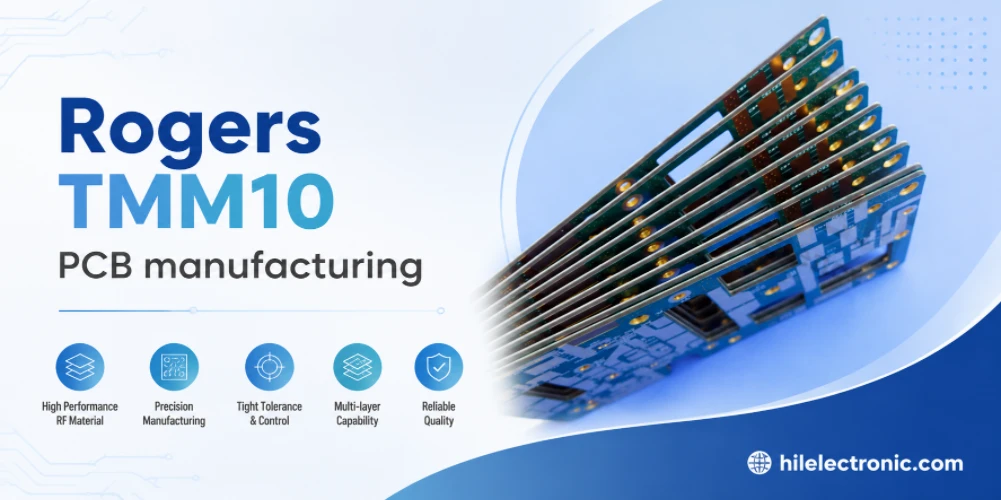
TMM10 PCB Manufacturing for Compact RF Designs
Table of contentsHow TMM10 Shrinks RF StructuresTMM10 vs...
How to get a quote for PCBs
Let’s run DFM/DFA analysis for you and get back to you with a report. You can upload your files securely through our website. We require the following information in order to give you a quote:
-
- Gerber, ODB++, or .pcb, spec.
- BOM list if you require assembly
- Quantity
- Turn time
For PCBA services, please provide your BOM (Bill of Materials) and any specific assembly instructions. We also offer DFM/DFA analysis to optimize your designs for manufacturability and assembly, ensuring a smooth production process.