
PCB Assembly for Long Lifecycle Products and Legacy OEM Programs
Table of contents
- 1. Which Products Need Long-Lifecycle PCB Assembly Support?
- 2. How Is Component Obsolescence Managed?
- 3. How Are Repeat Orders Kept Consistent Over Many Years?
- 4. How Are Tooling, Programs and Test Assets Maintained?
- 5. How Are Inventory and Last-Time Buys Controlled?
- 6. How Are Changes and Alternates Validated?
- 7. How Does a Manufacturer Support Spare and Irregular Demand?
- 8. Request a Long-Lifecycle PCB Assembly Plan
- 9. Long-Lifecycle PCBA Support Questions
PCB assembly for long lifecycle products is required when equipment must remain in production or service for many years while electronic components, PCB materials, software platforms and suppliers continue to change. Industrial controls, medical equipment, transportation systems, power products, communications infrastructure and test instruments often need stable PCBA supply long after consumer product cycles have moved on.
Highleap Electronics supports legacy product PCBA manufacturing through controlled revisions, repeat-order records, component sourcing, approved alternatives, retained manufacturing assets, testing and planned inventory. The goal is to keep the product buildable without allowing undocumented substitutions or process changes to accumulate over time.
For quotation, send the current board files and BOM, required batch quantity and expected support period or repeat pattern. If the product documentation is incomplete, send the latest approved sample and the files available. Highleap can identify the gaps that affect quotation and continuity.
1. Which Products Need Long-Lifecycle PCB Assembly Support?
Long lifecycle PCB assembly is most relevant when field equipment, certification, installed systems or customer contracts require continued supply. Demand may be modest and irregular, but each shortage or unplanned redesign can have a high operational cost.
Controllers, drives, sensors and interfaces used in long-lived machinery.
Equipment platforms supported through regulated or controlled product changes.
Products with long service lives and spare-part obligations.
Inverters, chargers, monitoring and control equipment kept in operation for years.
Installed systems that require compatible replacement boards and repairs.
Highleap can provide industrial PCB assembly support from periodic small batches to scheduled repeat production. The manufacturing model should follow actual service demand and product risk rather than force a legacy product into a mass-production process.
2. How Is Component Obsolescence Managed?
Obsolescence management begins before a part disappears. Highleap can review BOM lifecycle, source concentration, lead time and available alternatives during quotation and repeat-order planning. The customer decides whether to continue buying the exact part, approve an alternate, make a last-time buy or redesign.
| Lifecycle situation | Possible response | Customer decision |
|---|---|---|
| Part is active but single-source | Identify compatible alternates or reserve supply. | Approve source flexibility before a shortage. |
| NRND/EOL notice | Assess remaining demand and last-time-buy window. | Choose inventory, alternate or redesign path. |
| Part is already obsolete | Search authorized/specialty/independent channels with verification. | Approve source and risk-based validation. |
| Alternate requires design change | Review PCB, firmware, test and qualification impact. | Release an engineering change and validation lot. |
| Custom/mechanical part unavailable | Recreate, redesign or secure remaining inventory. | Balance tooling cost with remaining product life. |
Highleap can connect the program with obsolete electronic component sourcing and PCB material shortage planning. Sourcing actions should remain tied to the approved assembly revision and forecast.
3. How Are Repeat Orders Kept Consistent Over Many Years?
Long gaps between builds create risk because people, equipment, component lots and software may change. Highleap retains the released product data, manufacturing route, approved material decisions, programming information, test method and prior build findings as controlled assets.
- Confirm the revision and customer part number before every release.
- Review changes in PCB material, finish, component source or package.
- Verify retained stencil, programs and fixtures remain usable.
- Use first-unit or first-panel checks after long gaps or changes.
- Compare yield and defect data with prior lots.
- Record temporary deviations and their expiration or closure.
A first-article inspection for repeat orders is useful after a long production gap, revision update, new source or transferred tooling. It provides a targeted release gate without rebuilding the complete NPI program.
4. How Are Tooling, Programs and Test Assets Maintained?
A product can become unbuildable even when components remain available if the stencil, fixture, programming adapter, software or test station is lost or unsupported. Highleap and the OEM should define ownership, storage, maintenance and replacement responsibility for each asset.
| Asset | Lifecycle risk | Continuity action |
|---|---|---|
| Stencil/fixtures | Wear, damage, corrosion or incompatible equipment. | Inspect before use and define rebuild triggers. |
| Placement/program data | File loss or uncontrolled updates. | Archive approved versions and release by product revision. |
| Programming adapter/software | Obsolete PC, license, driver or device support. | Retain backups, access rights and replacement plan. |
| Functional-test fixture | Connector wear, calibration drift or unavailable parts. | Maintain spares, correlation method and service record. |
| Golden sample | Damage or unclear revision history. | Identify, protect and periodically confirm reference status. |
Highleap can review PCB test fixture design and maintenance and IC programming support. Asset work should be quoted separately where it creates reusable lifecycle value.
5. How Are Inventory and Last-Time Buys Controlled?
Long-term PCBA production often requires buffers for long-lead, obsolete or custom material. The correct quantity depends on forecast confidence, service obligation, assembly yield, storage life, redesign probability and cash exposure. Highleap can quote staged inventory rather than requiring the customer to buy a lifetime quantity immediately.
| Inventory option | Advantage | Risk/term to define |
|---|---|---|
| Batch purchase | Lowest inventory commitment. | Long replenishment time and future availability risk. |
| Long-lead buffer | Protects scheduled releases. | Ownership, consumption and refresh forecast. |
| Last-time buy | Secures known remaining life. | Cash, storage, excess and possible future redesign. |
| Customer consignment | OEM controls strategic inventory. | Receiving, overage, shortage and storage terms. |
| Finished PCBA buffer | Fast service/spare delivery. | Product revision and shelf/storage management. |
Highleap can use turnkey PCB assembly planning or consigned assembly services according to ownership preference. NCNR and excess terms should be agreed before placing long-term material orders.
6. How Are Changes and Alternates Validated?
A long-lifecycle product inevitably faces changes in components, PCB materials, manufacturing equipment or compliance requirements. Each change should be classified by product impact and validated at the appropriate level. The factory should not allow accumulated “equivalent” substitutions to change the product silently.
- Identify the proposed change and reason.
- Assess electrical, mechanical, firmware, assembly, test and regulatory impact.
- Obtain customer approval for product-definition changes.
- Build a controlled sample or validation lot.
- Compare assembly, functional and reliability evidence as required.
- Release the new baseline and disposition old inventory.
- Update future quotation and traceability rules.
Highleap can support PCB DFM checks for design changes and functional testing for changed assemblies. The validation depth should reflect the change and product risk rather than repeat a full qualification for every minor process adjustment.
7. How Does a Manufacturer Support Spare and Irregular Demand?
Legacy product demand may arrive as small service batches, annual releases or urgent replacements. Highleap can retain the manufacturing baseline and quote the recurring batch structure. The customer can reduce delays by providing an approximate forecast and identifying which demands are planned versus emergency.
Combine known demand into an economic periodic release.
Use available buffer material and retained process assets where possible.
Control common material, firmware and labels across the family.
Compare new PCBA build with board repair, component availability and remaining service need.
Maintain transferable files, test and approved references for continuity.
Highleap can support low-volume PCB assembly for service batches and finished module and enclosure assembly where the spare must be delivered as a tested module or finished subassembly.
For products with sporadic demand, Highleap can maintain a build-readiness checklist covering material, tooling, software and test status before accepting an urgent release. This reduces the risk that a nominally supported product cannot actually be built when a service order arrives.
8. Request a Long-Lifecycle PCB Assembly Plan
Send the current board files and BOM, batch quantity, expected repeat pattern and any known obsolete or critical part. If the files are incomplete, send the latest approved sample and what is available. Highleap can first quote the current build and identify the continuity issues that need a separate decision.
The proposal should show current material availability, source assumptions, reusable tooling/test assets, repeat-order controls and inventory options. It may include an alternate-part or last-time-buy scenario when a critical component is at risk.
Use the long-lifecycle PCBA quote request to begin. Highleap can support one service batch or develop a longer-term manufacturing plan according to the remaining product life.
Highleap can provide the immediate build quote together with a separate continuity note for obsolete parts, aging tooling or test risks. The customer can place the needed order without losing visibility of the longer-term actions.
9. Long-Lifecycle PCBA Support Questions
Can Highleap build a legacy PCBA from incomplete files?
Highleap can begin with the latest files, BOM and approved sample. Missing or conflicting information must be resolved before a controlled build, but the buyer does not need to reconstruct every historical record before the first review.
How often should a long-lifecycle BOM be reviewed?
Review frequency should reflect component risk and release cadence. Critical and single-source parts should be monitored more actively than standard passives. A review before each repeat order also captures changes since the previous build.
Can old tooling and test fixtures be reused?
Often yes, after condition and compatibility checks. Wear, calibration, software support and equipment changes may require repair or replacement. Highleap should confirm the asset status before relying on it for schedule.
Can Highleap support spare-parts production after regular production ends?
Yes, when materials, tooling, files and test remain available or can be recreated. The most effective plan identifies spare demand before closure and secures the critical assets and components needed for future service batches.
What does industrial PCB assembly lifecycle support include?
Industrial PCB assembly lifecycle support includes repeat-order control, obsolescence review, source approval, retained tooling and programs, test maintenance, inventory planning and documented change validation.
How does PCB assembly obsolescence management work?
PCB assembly obsolescence management monitors critical BOM items, evaluates source and alternate options, plans last-time buys and validates changes before the current supply disappears.
Can Highleap provide long term PCBA production and spare parts?
Yes. Long term PCBA production can be structured as scheduled batches, material buffers or service releases. PCB assembly spare parts production is supported when files, components, tooling and test remain available or can be recreated.

Recommended Posts
TMM4 Filter PCB Manufacturing
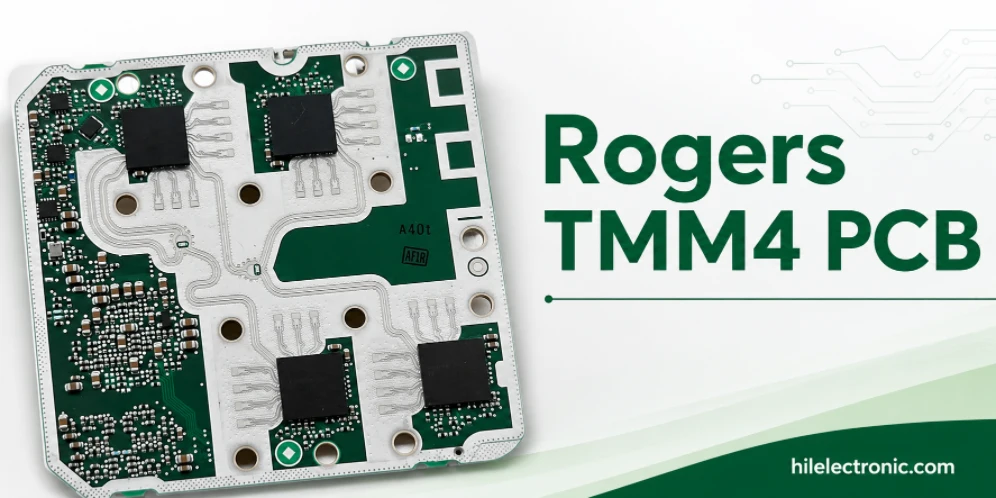
TMM4 filter PCB manufacturing is controlled by the...
TMM3 PCB Manufacturing for RF Modules
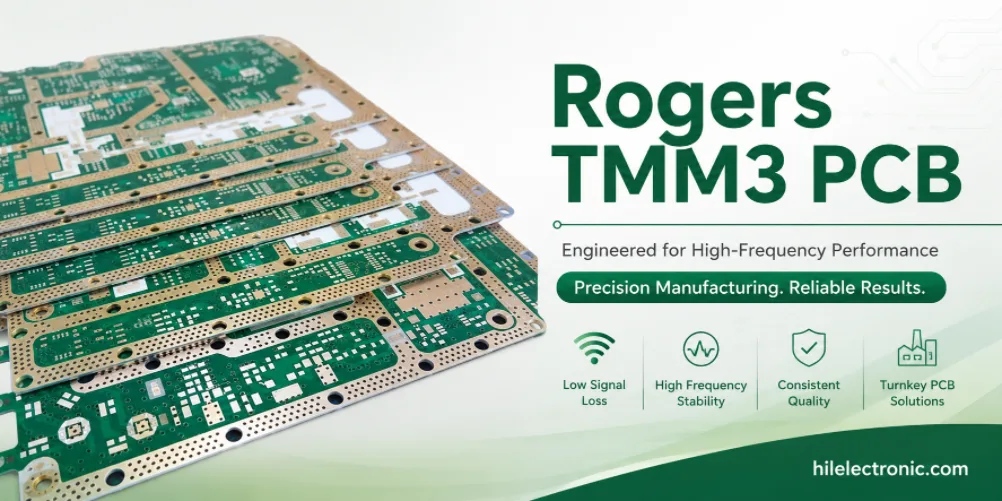
TMM3 PCB manufacturing is most useful where the RF module...
TMM6 PCB Fabrication
TMM6 fabrication is the process-control page for a mid-Dk...
TMM10 PCB Manufacturing for Compact RF Designs
Table of contentsHow TMM10 Shrinks RF StructuresTMM10 vs...
How to get a quote for PCBs
Let’s run DFM/DFA analysis for you and get back to you with a report. You can upload your files securely through our website. We require the following information in order to give you a quote:
-
- Gerber, ODB++, or .pcb, spec.
- BOM list if you require assembly
- Quantity
- Turn time
For PCBA services, please provide your BOM (Bill of Materials) and any specific assembly instructions. We also offer DFM/DFA analysis to optimize your designs for manufacturability and assembly, ensuring a smooth production process.