
Tinning Flux vs Regular Flux for Electronics

Figure 1. tinning flux vs regular flux for electronics
Last updated: May 2026 · A practical soldering guide for makers, technicians, and assembly engineers
Both tinning flux and regular flux exist to do the same basic job — strip oxide off metal so molten solder can wet and bond to it. The difference is aggressiveness and intended material. Tinning flux is a strong, usually acid-activated flux (often a plumbing product that contains powdered solder), designed to coat heavy metal and copper pipe quickly. Regular electronics flux is a milder rosin- or no-clean-based flux made to protect delicate circuit boards. For almost all electronics work the answer is simple: use a rosin or no-clean flux, not an acid tinning flux. This guide explains why, where each one belongs, and how flux is controlled in real PCB assembly.
What Does Flux Do When Soldering?
Every metal surface that has been exposed to air carries a thin oxide layer. Solder will not wet bare oxide — it beads up and rolls off, the same way water beads on a waxed car. Flux is a chemical cleaning agent that does three things during soldering:
- Removes oxide from the metal surface at soldering temperature, exposing clean metal.
- Prevents re-oxidation by blanketing the hot surface so it cannot react with air again before the solder flows.
- Improves wetting by lowering surface tension, so solder spreads into a smooth fillet instead of a ball.
“Tinning” is a related but separate idea. To tin a surface is to pre-coat it with a thin, even layer of solder before the final joint is made — tinning a stranded wire, a fresh soldering-iron tip, or a pad. You still need flux to tin successfully, which is exactly where the naming confusion begins.
What Is Tinning Flux? (Acid / Self-Tinning Flux)
In hardware-store and plumbing terms, tinning flux is a high-activity flux formulated to tin copper and brass fast. Many tinning fluxes are self-tinning: they contain finely powdered solder suspended in the flux paste, so brushing them onto heated copper leaves a silver tinned coating with no separate solder wire needed. The chemistry behind that speed is the problem for electronics.
Typical composition and behaviour
Tinning and plumbing fluxes are commonly activated with zinc chloride and/or ammonium chloride — inorganic acids that attack oxide aggressively and work on heavier, dirtier metal. They clean oxide much faster than rosin and tolerate the larger thermal mass of pipework. The trade-off is that their residue is corrosive and electrically conductive, and it keeps attacking metal long after the joint cools unless it is thoroughly washed away.
Where tinning flux belongs
- Copper water pipe and fittings (its original purpose).
- Tinning large copper lugs, bus bar, sheet metal, and heavy-gauge cable.
- Stained-glass and general metalwork where joints are washed afterward.
Because the name contains “tinning,” people reach for it to tin wires or pads on a circuit. Resist that. As several soldering references put it plainly, acid tinning flux is inadvisable on electronics — even when it is “less corrosive” than raw plumbing flux, it can corrode fine pads, vias, and component leads over time, and many tubes are explicitly labelled “not for electronics.”
What Is Regular Flux for Electronics?
Regular flux, in an electronics context, means a flux engineered for printed circuit boards and small components: mild, predictable, and either non-corrosive after soldering or easy to clean to a safe state. It comes in three everyday families.
Rosin flux (R, RMA, RA)
The oldest flux, refined from pine resin, is rosin. Pure rosin (type R) is mild; rosin mildly activated (RMA) and rosin activated (RA) add small amounts of activator to handle tougher oxide, especially at the higher temperatures lead-free solder needs. Rosin is the go-to general-purpose electronics flux: cheap, effective on copper, tin, and gold finishes, and non-conductive when cured. Residue should still be cleaned on sensitive boards because activators can become mildly acidic and attract dust.
No-clean flux
No-clean flux is formulated so the small residue it leaves is non-conductive and non-corrosive, so it can stay on the board. It is the dominant choice in modern hand soldering and rework because it skips the cleaning step. Cosmetically the residue is visible; many shops still clean it on high-reliability or high-impedance designs simply to be safe.
Water-soluble (organic acid) flux
Water-soluble flux uses mild organic acids and cleans off completely with hot water — no solvent required. It removes oxide more aggressively than rosin, which makes it strong on oxidised parts, but the residue is conductive and corrosive, so washing afterward is mandatory, never optional.
Tinning Flux vs Regular Flux: Side-by-Side Comparison
| Property | Tinning flux (acid type) | Regular electronics flux |
|---|---|---|
| Typical activator | Zinc chloride / ammonium chloride (inorganic acid); may contain solder powder | Rosin, no-clean resin, or mild organic acid |
| Oxide-cleaning strength | Very high, fast | Low to moderate (water-soluble is higher) |
| Residue after soldering | Corrosive and conductive — must be washed | Non-corrosive (rosin/no-clean) or washable (water-soluble) |
| Best materials | Copper pipe, brass, heavy cable, sheet metal | PCB pads, component leads, SMD, fine wire |
| Safe on electronics? | No — risk of long-term corrosion | Yes — designed for it |
| RoHS-friendly options | Rare | Widely available |
Types of Soldering Flux: Rosin, No-Clean, and Water-Soluble
Modern flux is classified by the J-STD-004 standard, but the older letter codes still appear on bottles. Knowing them helps you read a label correctly.
| Label / class | What it means | Cleaning |
|---|---|---|
| R (rosin) | Pure rosin, lowest activity | Usually optional |
| RMA | Rosin mildly activated | Recommended on sensitive boards |
| RA | Rosin activated, stronger | Clean |
| No-clean | Low residue, non-conductive | Not required |
| OA / water-soluble | Organic acid, high activity | Mandatory (hot water) |
| Acid / inorganic | Tinning/plumbing flux | Mandatory — keep off electronics |
Tinning Flux vs Regular Flux: Which One Should You Use?
The guiding rule among assembly professionals is consistent: use the least aggressive flux that will still clean the oxide present. A simple decision path:
- Soldering on a PCB, SMD, or component leads? Use no-clean for convenience, or rosin (RMA) if you intend to clean. Never use acid tinning flux.
- Tinning fresh stranded wire for electronics? Cored solder usually has enough flux; if you need more, add rosin or no-clean — not acid flux.
- Heavily oxidised or lead-free joints giving you trouble? Step up to RA or water-soluble flux, then clean thoroughly afterward.
- Plumbing, copper pipe, or heavy metalwork? This is where tinning/acid flux belongs.
One more practical point that prevents corrosion: when both parts are pre-tinned, match the flux type to the flux already on the surfaces and inside your cored solder, so you don’t accidentally mix an acid residue into an otherwise clean joint.
Safety while you work
Flux fumes are not harmless. Rosin smoke is a known respiratory sensitiser, and acid fluxes contain zinc chloride and chloride compounds that irritate skin, eyes, and lungs. Solder and work in a ventilated space, use fume extraction, and avoid applying paste flux with bare fingers.
How Is Flux Used in PCB Assembly?
In volume production you rarely choose flux as a separate liquid — it arrives built into the materials. Solder paste for surface-mount reflow is a blend of solder powder and flux; cored wire and wave-solder bars carry their own flux. The assembler’s job is to match that flux chemistry to the process and then prove the board is clean enough to be reliable:
- No-clean vs water-wash lines: a factory standardises on a flux family because it dictates the cleaning equipment and the reflow/wave profile.
- Reflow profile: the soak stage is timed to activate the flux and let it volatilise before the solder melts, which is why an out-of-spec profile shows up as poor wetting or excess residue.
- Cleanliness testing: for high-reliability work, ionic contamination and residue testing confirm corrosive residue is gone before conformal coating or shipment.
This is the link between a hobby question about flux and a production outcome: the wrong flux, or the right flux left uncleaned, becomes field corrosion and intermittent failures months later.
Reliable Soldering and Flux Control with Highleap
Highleap Electronics is a China-based PCB and PCBA manufacturer (founded 2002) running SMT lines with controlled solder-paste and flux chemistry, defined reflow profiles, and cleanliness checks built into the workflow. For teams moving from bench soldering to outsourced builds, that process control is what turns a good prototype into a repeatable product.
- PCB assembly: SMT, through-hole, and mixed-technology soldering with matched flux and profile.
- SMT capability and laser-cut stencils: paste deposition tuned to the joint, fine-pitch, and QFN/BGA pads.
- DFM review: catches pad balance, thermal relief, and solderability issues before they cause defects.
- Turnkey PCBA: sourcing, assembly, inspection (AOI/X-ray), and cleanliness control under one roof.
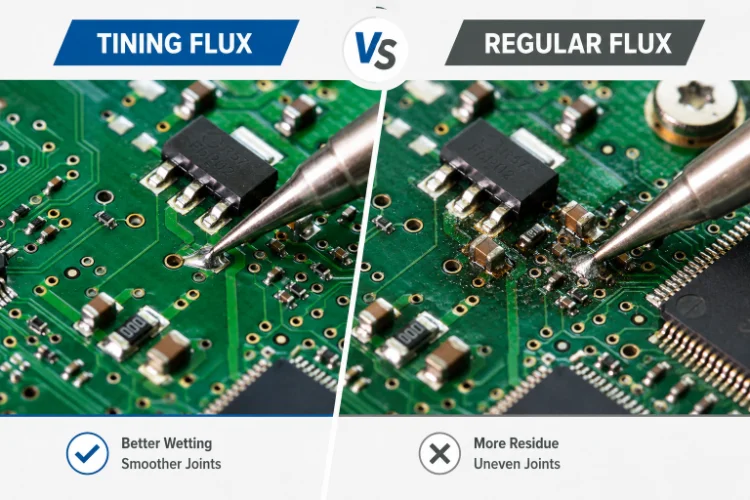
Figure 2. tinning flux vs regular flux for electronics details
Tinning Flux vs Regular Flux: FAQ
Can I use tinning flux on a circuit board?
You should not. Acid-based tinning flux cleans well but leaves corrosive, conductive residue that can eat fine traces and leads over time. Use rosin or no-clean flux on electronics instead.
What’s the difference between flux and solder paste?
Flux is a cleaning agent only. Solder paste is solder powder pre-mixed with flux into a paste, used for surface-mount reflow. The flux inside the paste does the same oxide-cleaning job during reflow.
Do I really need to clean no-clean flux?
By specification, no — its residue is non-conductive and non-corrosive. In practice many shops still clean it on high-impedance, high-voltage, or high-reliability boards, or simply for appearance.
What flux is best for SMD and fine-pitch parts?
A no-clean tacky flux or no-clean flux pen is the usual choice for hand-placed SMD and rework. For volume SMT, the flux is built into a no-clean or water-soluble solder paste.
Is water-soluble flux safe for electronics?
Yes, provided you wash it off completely with hot water afterward. Its residue is corrosive and conductive, so leaving it on is what causes failures, not the flux itself.
What flux should I use to tin copper wire for an electronics project?
Use the flux already in your cored solder, or add rosin/no-clean flux. Save acid tinning flux for plumbing and heavy metalwork.
Why does my joint look dull or grainy even with flux?
Usually it’s too little heat, movement while cooling, or a flux too mild for the oxide present — not a flux you need to make more aggressive. Add heat and dwell first; step up flux activity only if needed, then clean.
Soldering produces fumes and involves chemicals that can irritate or harm if mishandled. Work in a ventilated area, use fume extraction, and follow the safety data sheet for any flux you use.

Recommended Posts
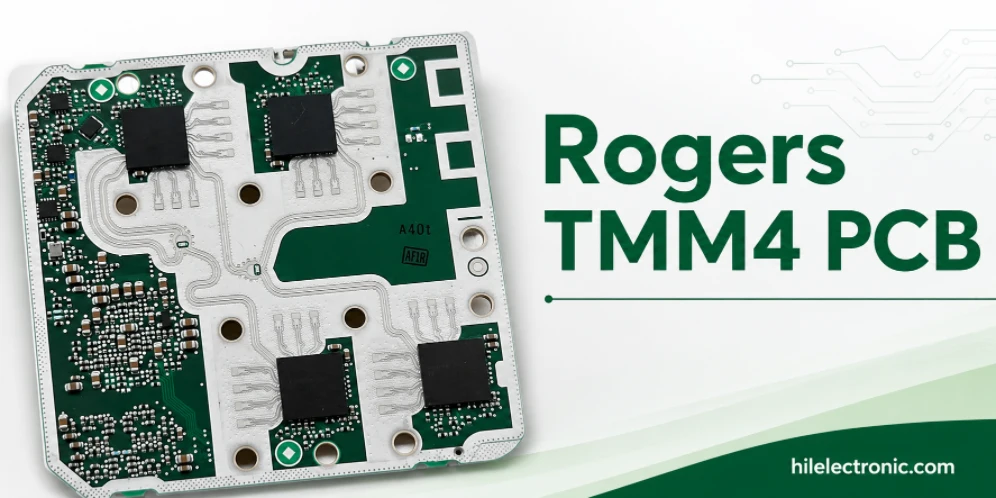
TMM4 Filter PCB Manufacturing
TMM4 filter PCB manufacturing is controlled by the...
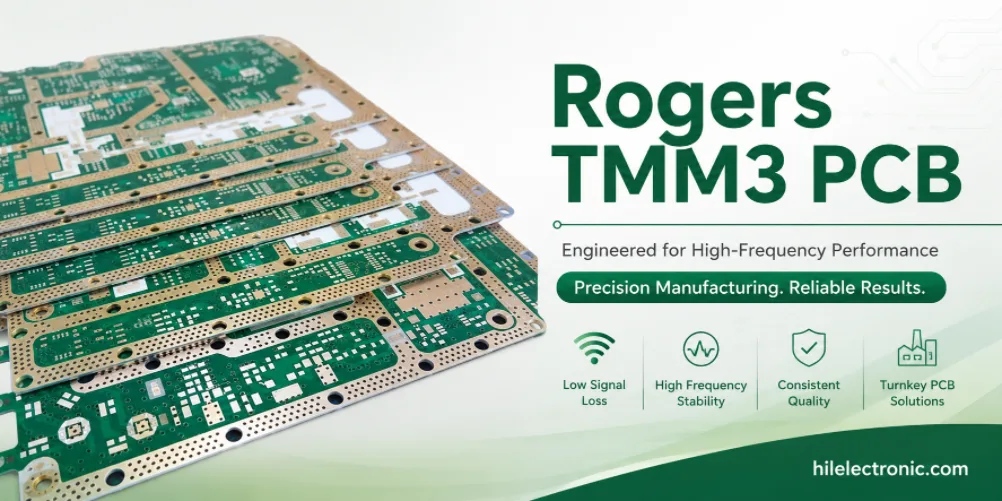
TMM3 PCB Manufacturing for RF Modules
TMM3 PCB manufacturing is most useful where the RF module...
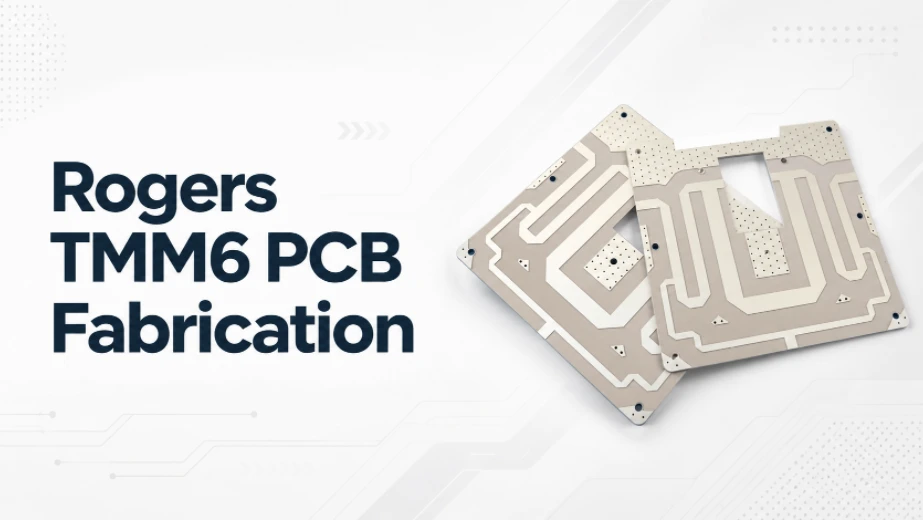
TMM6 PCB Fabrication
TMM6 fabrication is the process-control page for a mid-Dk...
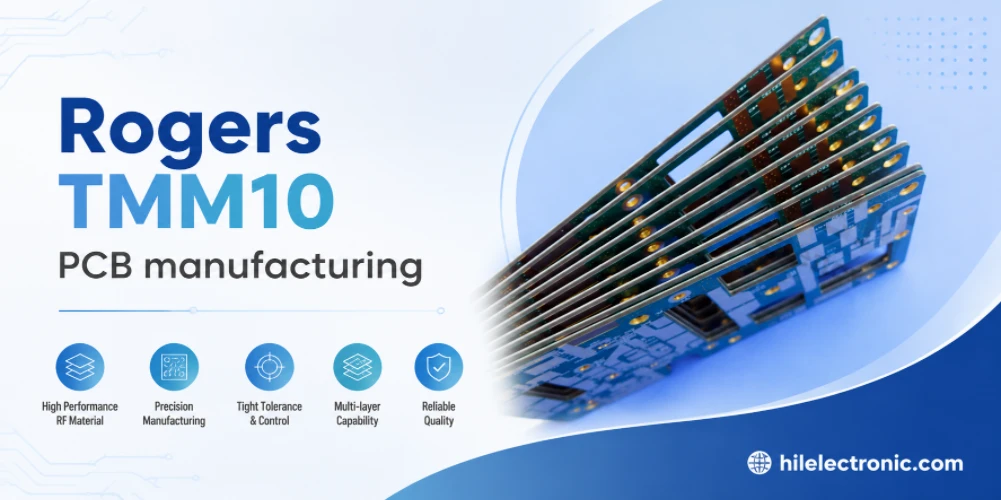
TMM10 PCB Manufacturing for Compact RF Designs
Table of contentsHow TMM10 Shrinks RF StructuresTMM10 vs...
How to get a quote for PCBs
Let‘s run DFM/DFA analysis for you and get back to you with a report. You can upload your files securely through our website. We require the following information in order to give you a quote:
-
- Gerber, ODB++, or .pcb, spec.
- BOM list if you require assembly
- Quantity
- Turn time
For PCBA services, please provide your BOM (Bill of Materials) and any specific assembly instructions. We also offer DFM/DFA analysis to optimize your designs for manufacturability and assembly, ensuring a smooth production process.