
Wave Soldering Defects: Root Causes, Detection, and Prevention

1. Introduction to Wave Soldering Defects
Wave soldering remains a cornerstone process for through-hole component assembly in high-volume PCB production. By passing boards over a molten solder wave, manufacturers achieve rapid, consistent connections across multiple joints simultaneously. However, this efficiency comes with inherent risks—wave soldering defects can compromise electrical integrity, reduce product reliability, and increase rework costs.
Why Defect Management Matters
Uncontrolled wave soldering defects directly impact yield rates and downstream testing efficiency. A single bridging defect or cold joint can cause functional failure, while systemic issues multiply scrap rates and delay production schedules. Effective defect identification and root cause analysis form the foundation of robust quality management in PCBA manufacturing.
2. Common Wave Soldering Defects: Classification and Characteristics
Understanding wave soldering defect types enables targeted troubleshooting. Each defect category presents distinct visual signatures, underlying causes, and reliability implications.
A. Insufficient Hole Fill
Insufficient hole fill occurs when solder fails to completely penetrate through-hole barrels or forms inadequate fillets. This defect typically stems from inadequate preheat temperatures, low wave height, or surface oxidation on pads and leads. Weak mechanical bonds and compromised electrical conductivity result, creating latent field failures.
B. Solder Bridging
Solder bridging creates unintended conductive paths between adjacent pins or pads. Excessive wave height, tight component spacing, and uneven flux application commonly cause this short-circuit defect. Bridging represents one of the most critical wave soldering defects due to immediate functional failure risk.
C. Cold Solder Joints
Cold joints exhibit dull, grainy, or rough surface textures indicating incomplete metallurgical bonding. Insufficient solder temperature, inadequate dwell time, or contaminated solder baths prevent proper wetting and intermetallic formation. These joints show degraded mechanical strength and increased electrical resistance over time.
D. Solder Balling
Solder balls appear as small spherical particles scattered across the PCB surface after wave soldering. Moisture in the board laminate, turbulent wave conditions, and poor flux activation contribute to this defect. Beyond short-circuit hazards, solder balls indicate process instability requiring immediate attention.
E. Component Lifting and Misalignment
Component lifting occurs when parts partially detach or shift during wave contact. Excessive conveyor speed, inadequate adhesive bonding, or thermal shock from improper preheat profiles cause this displacement. Affected joints require manual rework, significantly increasing production costs.

Common Wave Soldering Defects
3. Root Cause Analysis of Wave Soldering Defects
Systematic defect prevention requires understanding the engineering variables that influence wave soldering outcomes. Three primary factor categories drive most defect occurrences.
A. Process Parameter Settings
Wave temperature, preheat profile, wave geometry, and conveyor speed collectively determine thermal transfer efficiency. Insufficient preheat causes cold joints and poor hole fill by preventing adequate flux activation and board thermal saturation. Excessive temperatures promote bridging and solder ball formation through increased oxidation and turbulence.
B. PCB Design and Layout Factors
Board design directly influences wave soldering defect susceptibility. Inadequate pad-to-pad spacing invites bridging, while improper component orientation creates shadowing effects that block solder flow. Thermal relief patterns, copper distribution, and via placement all affect heat distribution and solder wetting behavior during wave contact.
C. Flux Application and Surface Cleanliness
Flux type, application uniformity, and board surface condition govern wetting performance. Inconsistent flux coverage produces irregular solder distribution, while expired or contaminated flux fails to remove oxides effectively. Pre-existing contamination on pads or leads prevents proper metallurgical bonding regardless of other process conditions.
4. Detection Methods for Wave Soldering Defects
Effective quality control combines multiple inspection techniques to capture both obvious and subtle wave soldering defects before products reach customers.
Visual Inspection Standards
Manual inspection against IPC-A-610 criteria identifies gross defects including bridging, insufficient fill, and cold joints. Trained operators evaluate fillet geometry, surface texture, and hole fill percentage using magnification tools. This method provides immediate feedback but depends heavily on inspector skill and consistency.
Automated Optical Inspection (AOI)
AOI systems capture high-resolution images and apply algorithmic analysis to detect wave soldering defects at production speed. These systems excel at identifying bridging, missing solder, and dimensional anomalies across large board volumes. Integration with statistical process control enables trend monitoring and early process drift detection.
Thermal Profiling and Monitoring
Temperature profiling validates preheat and wave contact conditions against established recipes. Thermocouples attached to test boards measure actual thermal exposure, revealing deviations that cause defects. Continuous monitoring of solder pot temperature and wave height provides real-time process verification.
5. Prevention Strategies and Process Optimization
Proactive defect prevention delivers superior results compared to post-process detection and rework. Systematic optimization addresses root causes before defects occur.
Optimizing Thermal Profiles
Preheat profiles should achieve target topside temperatures of 100–130°C to activate flux and minimize thermal shock. Wave contact temperature and dwell time require balancing—sufficient heat for complete wetting without excessive exposure that promotes oxidation. Profile validation should occur after any product changeover or equipment maintenance.
Design for Manufacturability (DFM)
Incorporating wave soldering considerations during PCB design prevents inherent defect risks. Adequate pad spacing, proper component orientation relative to wave direction, and appropriate thermal relief designs improve solder flow and heat distribution. DFM review before production commitment eliminates costly design-induced defects.
Equipment Maintenance and Calibration
Regular maintenance preserves wave soldering process stability. Solder pot dross removal, wave nozzle cleaning, and flux system calibration prevent gradual performance degradation. Conveyor speed verification, temperature sensor calibration, and wave height measurement should follow documented schedules to maintain consistent, defect-free output.

Recommended Posts
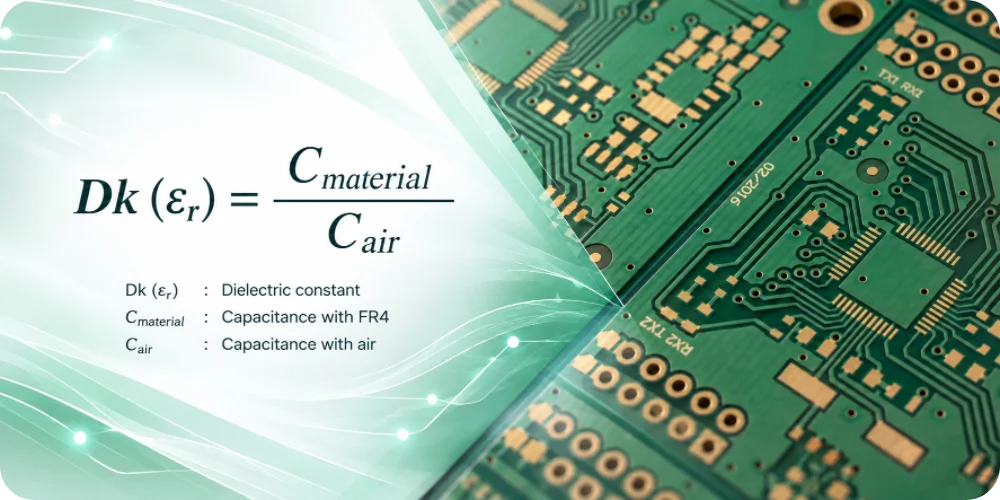
FR4 Dielectric Constant Calculator and PCB Design Guide
How to get a quote for PCBs Let's run DFM/DFA analysis for...
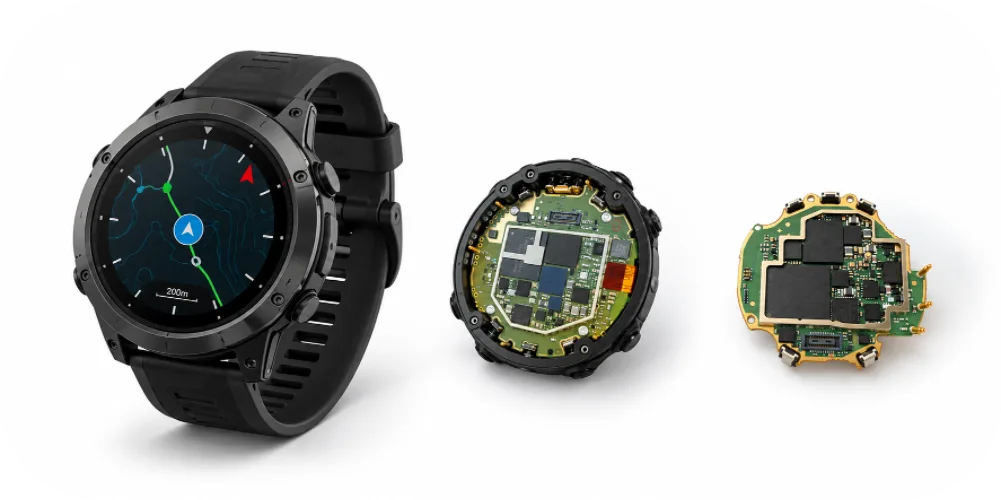
GPS Sports Watch PCB Design: GNSS, RF, Sensors and PCBA Manufacturing
Turning a compact GPS sports watch controller from an...
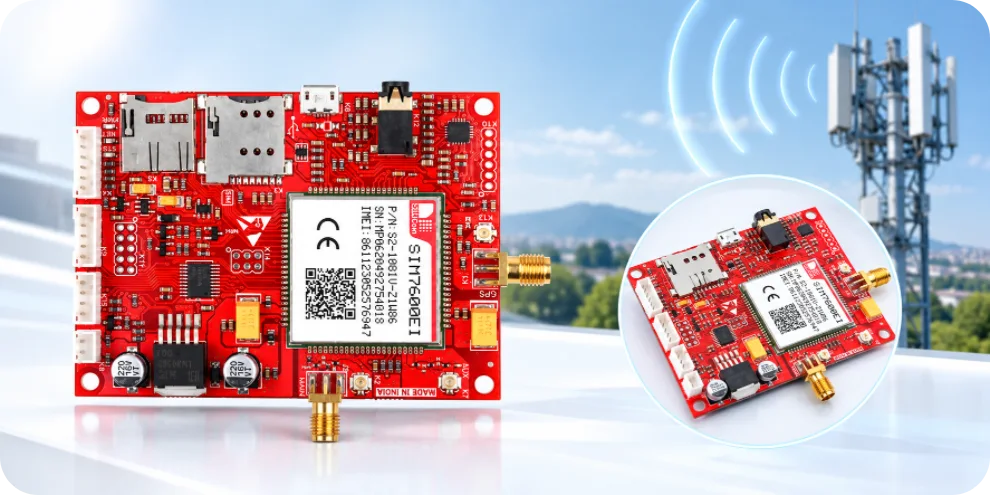
Cellular Modem PCB: From Module Carriers to PCBA
Need a manufacturer for a cellular modem PCB or a fully...
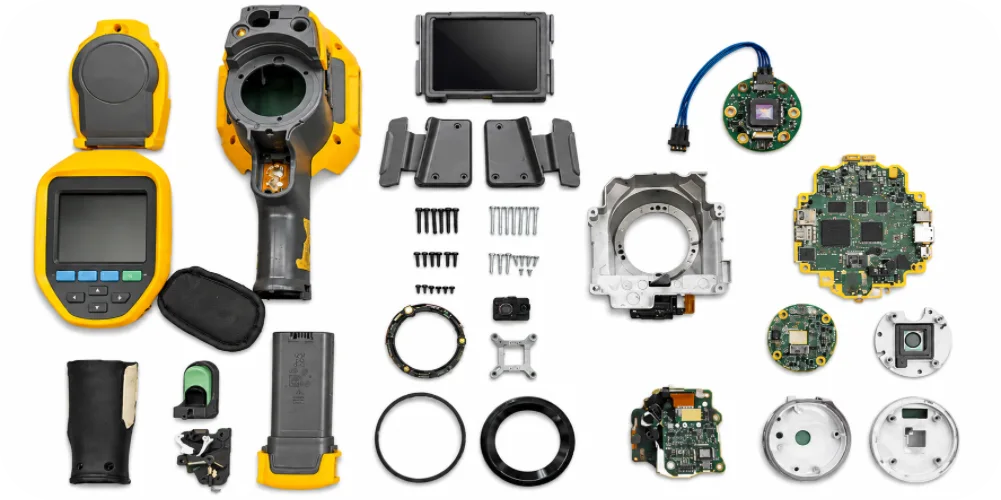
Portable Thermal Camera PCB Design and PCBA Manufacturing Guide
The thermal imaging module is often the part of a handheld...
How to get a quote for PCBs
Let‘s run DFM/DFA analysis for you and get back to you with a report. You can upload your files securely through our website. We require the following information in order to give you a quote:
-
- Gerber, ODB++, or .pcb, spec.
- BOM list if you require assembly
- Quantity
- Turn time
In addition to PCB manufacturing, we offer a comprehensive range of electronic services, including PCB design, PCBA, and turnkey solutions. Whether you need help with prototyping, design verification, component sourcing, or mass production, we provide end-to-end support to ensure your project’s success.
For PCBA services, please provide your BOM (Bill of Materials) and any specific assembly instructions. We also offer DFM/DFA analysis to optimize your designs for manufacturability and assembly, ensuring a smooth production process.