
LED Downlight PCBs: Round Light Engines, Drivers & Dimming Boards for Recessed Fixtures
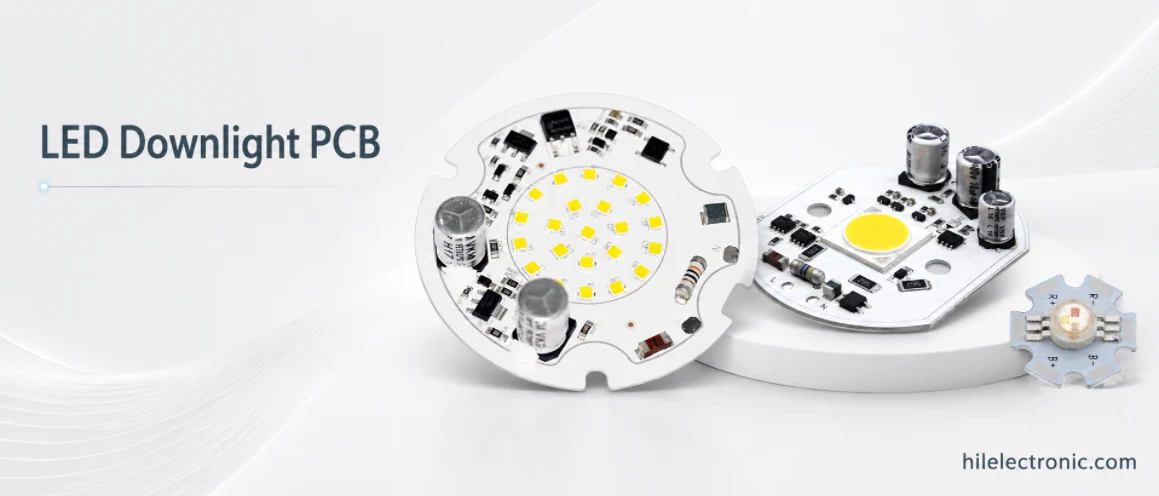
Figure 1. LED downlight PCB manufacturing reference.
Table of Contents
- The two boards inside every downlight
- Round and square light engines for recessed fixtures
- Dimming compatibility and flicker-free design
- Driver formats: integrated, remote, and module
- Fire-rated, IC-rated, and damp-location considerations
- Board types and finishes we build
- Why build engine and driver together
- How to Order — Files, MOQ & Lead Time
- Downlight LED PCB — Frequently Asked Questions
The downlight is the workhorse of modern interior lighting — recessed into ceilings in homes, offices, hotels, shops, and clinics by the thousand. It looks simple, but two boards decide whether a downlight is a pleasure or a problem: the round light engine that carries the LEDs, and the driver that powers and dims them. When a downlight buzzes, flickers, or refuses to dim with the wall switch already in the room, the cause is almost always one of those two boards.
Highleap Electronics is a full-capability circuit board fabrication and printed-circuit-board assembly factory, and the metal-core engines and compact drivers that downlights need are everyday work on our lines. We build both boards and assemble them into a matched module. This guide covers what makes a downlight board good — especially the dimming behavior everyone notices — and how to order. The wider category is on our lighting circuit board manufacturer page.
Quick answer: A downlight needs a round (or square) metal-core light engine and a matched constant-current driver, and the pairing must dim smoothly and flicker-free with the building’s dimmer. Highleap Electronics fabricates and assembles both boards together — aluminum MCPCB engines plus drivers tuned for TRIAC, 0-10 V, or DALI dimming — so the fixture dims cleanly down to low levels, at MOQ 1 with a 24-hour quote.
The two boards inside every downlight
A downlight is the simplest of the multi-board lighting products, but it is still a system of two boards that have to be matched. The light engine — a round or square metal-core PCB carrying the LEDs — sets the light quality and manages heat. The driver converts mains power to the constant current the engine needs and provides the dimming interface. The fixture only behaves well when these two are designed together.
That matching is the whole game. A generic driver bolted to a custom engine often dims poorly, runs the LEDs at the wrong current, or buzzes. When the same manufacturer builds both, the driver’s output current is set to the exact LED array on the engine, and the dimming is tuned to that load — which is why a matched pair simply works where a mismatched one disappoints.
Round and square light engines for recessed fixtures
Downlight engines are compact boards where color quality, heat, and source position all matter. We build them on our aluminum LED PCB line so the LED junction stays cool and the color stays stable in a closed recessed can:
- Round and square formats — sized to the downlight diameter, with the LED array centered for the reflector or lens.
- SMD mid-power arrays — for even, comfortable light with good color rendering, the most common downlight choice.
- High-CRI options — CRI 90+ for retail, hospitality, and residential fixtures where color fidelity sells.
- High-reflectance white mask — to push usable lumens off the board and out of the fixture.
- Tunable white — dual-channel engines for fixtures that shift color temperature, built with the matching control.
The engine is matched to the can size, the optic, and the light quality the fixture promises — not a one-size board forced into every housing.
Dimming compatibility and flicker-free design
Dimming is the single most common downlight complaint, and it is worth understanding why, because it is where a well-built driver board earns its keep. The problems people experience — the light that drops out at the bottom of the dial, flickers, buzzes, or will not dim at all with the existing switch — are almost all driver-side, and almost all avoidable.
The compatibility problem. Most existing dimmers in homes and small commercial spaces are phase-cut (TRIAC) dimmers originally designed for incandescent loads of a few hundred watts. An LED downlight draws a tiny fraction of that, and a cheap LED driver presents a load the old dimmer cannot read smoothly — so it stutters, flickers, or has a narrow usable range. A driver designed for phase-cut compatibility includes the circuitry to present a stable, dimmer-friendly load across the range:
- Bleeder and damping circuitry so the TRIAC fires reliably even at the LED’s low power draw.
- Wide dimmer compatibility — tested against the common dimmer brands an installer is likely to encounter, so the fixture works with switches already on the wall.
- Smooth low-end — a deep dimming range (to 10%, 1%, or lower) without dropout or visible steps.
The flicker problem. Flicker is ripple in the LED current, and it matters for comfort and increasingly for health and video. Some people get headaches under flickering light; cameras show it as banding. A good driver keeps flicker low (percent flicker and flicker index controlled) by regulating the LED current well, and the engine’s LED configuration is chosen so the driver can do that efficiently:
- Low percent flicker across the dimming range, not just at full output where it is easy.
- Constant color while dimming — hue held steady as output drops, which cheap dimming circuits fail to do.
- Protocol choice — for commercial projects, 0-10 V or DALI dimming avoids the phase-cut compatibility problem entirely, and we build drivers for those interfaces.
The reason this is a board-design issue and not a luminaire-assembly issue is that flicker and dimmer compatibility are decided by the driver topology and the LED load it is matched to. When one manufacturer builds the driver and the engine together and tunes the dimming to the actual LED array, the fixture dims the way customers expect. When they come from separate suppliers, “it doesn’t dim properly” becomes a finger-pointing exercise with no owner. Building both boards in one place is the practical cure for the most common downlight return.
Driver formats: integrated, remote, and module
Downlights package the driver in different ways depending on the fixture, and we build driver boards for each:
- Integrated driver — built into the downlight body for an all-in-one fixture; compact board sized to the can.
- Remote/junction-box driver — a separate driver in a connection box, common for fire-rated and slim fixtures where the can has no room.
- Module driver — a standard driver board for a fixture platform shared across several light engines.
Each format is built as a compact assembled board, matched to the engine it powers, with the dimming interface the project specifies.
Fire-rated, IC-rated, and damp-location considerations
Where a downlight is installed changes the board requirements, and we build to suit:
- Fire-rated fixtures — the engine and remote driver are designed for the thermal conditions of a fire-rated can, keeping temperatures safe.
- IC-rated (insulation contact) — fixtures buried in ceiling insulation run hotter, so the engine’s thermal design carries extra margin.
- Damp and wet locations — bathroom, shower, and outdoor-soffit downlights get protective conformal coating so moisture does not corrode the board.
- Thermal headroom — every recessed fixture traps heat, so the engine is designed to hold junction temperature in a closed can, not on an open bench.
The right thermal and protection treatment is matched to the installation during the free DFM review.
Board types and finishes we build for downlights
Downlight programs use a focused construction set, and we build all of it:
- Aluminum MCPCB engines — the downlight standard for stable color and long life.
- FR-4 driver and control boards — compact power and dimming electronics.
- High-reflectance white solder mask and OSP/ENIG finishes suited to fine-pitch assembly.
- Custom engine outlines — round, square, and bespoke shapes to fit the fixture.
- Tunable-white multi-channel engines with matched control boards.
The construction is matched to the fixture’s light quality, location, and dimming needs during DFM.
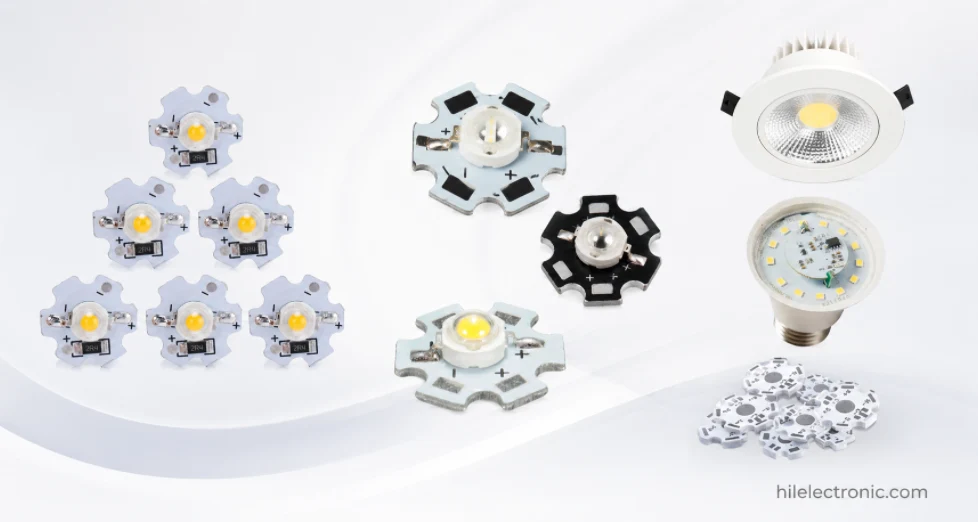
Figure 2. LED downlight PCB assembly production and assembly detail.
Why build engine and driver together
Downlights are sold and returned on two things: how the light looks and how it dims. Both depend on the engine and driver being matched. A supplier that builds only the engine, or only the driver, leaves that matching to chance — and the result is the buzzing, flickering, poorly dimming fixture that drives warranty claims and bad reviews.
Highleap Electronics builds the engine and the driver together, tunes the dimming to the actual LED load, and tests them as a pair, at MOQ 1 so you can prove a fixture before volume. Send your design or a target output, CRI, and dimming protocol to our LED board assembly team for a 24-hour quote. The thermal design and dimming are handled as one job.
How to Order — Files, MOQ & Lead Time
Ordering downlight boards from Highleap Electronics is simple whether you have finished files or just a target lumen output, CRI, and dimming protocol. Every quote includes a free Design for Manufacturability (DFM) review, and our minimum order is a single unit with no prototype surcharge.
What files to send
- PCB fabrication only — Gerber RS-274X files (all copper, solder-mask, and silkscreen layers), Excellon drill file, board outline on the mechanical layer, and fabrication notes covering substrate, dielectric, copper weight, surface finish, and solder-mask color.
- PCB assembly (PCBA) — the above plus a Bill of Materials with manufacturer part numbers and quantities, and a Pick-and-Place (Centroid) file for the SMT components.
- Turnkey electronics — the above plus mechanical files (STEP/DXF) for the heat sink or housing, optic or lens details, driver or control specification, firmware if applicable, and any branding or packaging artwork. If files are missing, send what you have and our engineering team identifies the gaps during the DFM review.
MOQ and pricing
- Minimum order quantity is 1 unit for both fabrication and assembly, with no prototype penalty fee.
- Volume price breaks at 10, 50, 100, 500, and 1,000+ units.
- We retain your files so repeat orders skip re-quoting the engineering cost.
Lead times
- PCB fabrication — 5 to 7 business days standard; 24 to 48 hours express, subject to capacity confirmation.
- PCB assembly (PCBA) — 7 to 12 business days including component sourcing; 5 days express for an in-stock BOM.
- Turnkey modules — typically 12 to 18 business days depending on substrate, protection, and volume.
- All lead times are confirmed in your quote and begin from order confirmation and file approval.
Certifications and standards: ISO 9001 quality management, IPC Class 2 and Class 3 workmanship, AOI and functional testing on every board, with X-ray, ICT, and burn-in screening available. We ship to more than 40 countries with full tracking and provide compliance documentation on request. For LED downlight PCB projects, upload the Gerber files, BOM, dimming requirements, thermal targets, and target quantities through the website quote form so Highleap Electronics can review the round light engine, driver, and assembly details.
Downlight LED PCB — Frequently Asked Questions
Why do some LED downlights flicker or dim poorly, and can you fix it?
Almost always it is the driver, and yes. Poor dimming and flicker come from a driver that is not matched to the LED load or not designed for the dimmer in the room — usually an old phase-cut (TRIAC) dimmer. We build driver boards with the bleeder/damping circuitry for wide TRIAC compatibility, low flicker across the full range, and smooth deep dimming, and we tune them to the exact engine they power. For commercial projects, 0-10 V or DALI avoids the phase-cut problem entirely.
Do you build the light engine and the driver, or just one?
Both, together. A downlight is a two-board system, and the fixture only behaves well when the metal-core engine and the driver are matched — the driver current set to the LED array, the dimming tuned to that load. We fabricate and assemble both and test them as a pair, which is the practical cure for the buzzing, flickering, badly dimming fixtures that come from mismatched boards.
Can you build downlight engines for fire-rated, IC-rated, or damp locations?
Yes. Fire-rated and IC-rated cans trap more heat, so we design the engine’s thermal path with extra margin to hold junction temperature in a closed, insulated fixture. For bathroom, shower, and outdoor-soffit downlights we add conformal coating against moisture. The thermal and protection treatment is matched to the installation during the free DFM review.
What dimming protocols do your downlight drivers support?
We build drivers for phase-cut (TRIAC/leading- and trailing-edge), 0-10 V, DALI, and PWM dimming, chosen to the project’s control system. Phase-cut drivers are tuned for wide compatibility with common wall dimmers and smooth low-end performance; 0-10 V and DALI are recommended for commercial projects that want to avoid dimmer-compatibility issues. All are tuned to hold constant color as the fixture dims.

Recommended Posts
TMM4 Filter PCB Manufacturing
TMM4 filter PCB manufacturing is controlled by the...
TMM3 PCB Manufacturing for RF Modules
TMM3 PCB manufacturing is most useful where the RF module...
TMM6 PCB Fabrication
TMM6 fabrication is the process-control page for a mid-Dk...
TMM10 PCB Manufacturing for Compact RF Designs
Table of contentsHow TMM10 Shrinks RF StructuresTMM10 vs...
How to get a quote for PCBs
Let’s run DFM/DFA analysis for you and get back to you with a report. You can upload your files securely through our website. We require the following information in order to give you a quote:
-
- Gerber, ODB++, or .pcb, spec.
- BOM list if you require assembly
- Quantity
- Turn time
For PCBA services, please provide your BOM (Bill of Materials) and any specific assembly instructions. We also offer DFM/DFA analysis to optimize your designs for manufacturability and assembly, ensuring a smooth production process.