
Rugged Laptop PCB Manufacturing From Environmental Requirements to Controlled PCBA
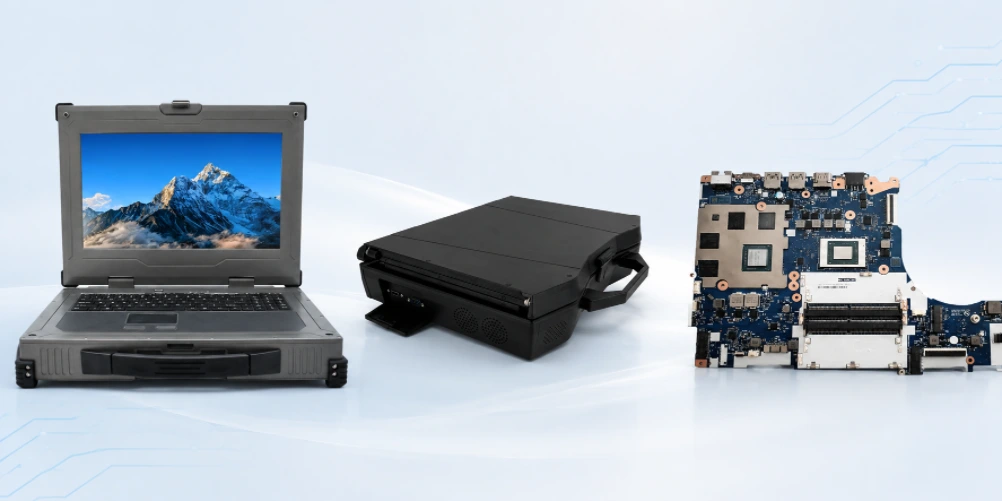
Table of contents
- Convert Environmental and Mechanical Requirements Into Manufacturing Inputs
- Board Support, Connectors and Mechanical Load Paths
- PCB Construction, Via Strategy and Thermal Design for the Released Environment
- Cleaning, Conformal Coating and Rework as One Controlled Process
- Component and Connector Sourcing for Environmental Reliability
- Risk-Based Assembly Inspection for Rugged Laptop PCBAs
- Separate PCBA Functional Test From Complete Rugged-System Qualification
- Global Manufacturing Support for Rugged Mobile-Computing Programs
- Prepare a Rugged Laptop PCB/PCBA Manufacturing Package
A rugged laptop PCB is part of a product designed for environmental and mechanical conditions that may be more severe than those faced by a standard notebook. The board itself does not create rugged performance; reliability depends on the combined PCB design, component selection, connectors, mechanical support, thermal system, protective processing and the qualification plan defined for the complete device.
Highleap Electronics can manufacture customer-owned rugged laptop motherboards and related PCBAs from approved production data. The scope can include PCB fabrication, assembly, component sourcing, customer-specified cleaning or conformal coating, programming and defined functional testing. Environmental ratings, shock/vibration limits and final system certification remain customer-controlled unless a separate qualification scope is explicitly agreed.
The manufacturing route should begin with measurable project requirements: operating and storage conditions, expected vibration or mechanical loading, moisture/contamination exposure, connector duty, cooling method and the inspections or tests that apply at board level.
1. Convert Environmental and Mechanical Requirements Into Manufacturing Inputs
Descriptions such as “outdoor,” “field use” or “rugged” are not enough to define a PCB build. The RFQ should identify the conditions that affect manufacturing: whether coating is required, whether connectors need additional retention, whether the board is mounted in a vibration-prone chassis, whether wide temperature exposure changes component selection, and which test evidence is expected from the PCBA supplier.
Physical Constraints
Highleap can use those inputs during DFM and quotation to separate board-level controls from system-level validation. This is important because a PCBA can be built exactly to drawing while the finished laptop still requires separate drop, vibration, ingress, thermal or EMC testing.
Manufacturing Control
| Requirement input | Manufacturing implication |
|---|---|
| Mechanical loading | Review connector support, heavy components, mounting holes and chassis interfaces. |
| Moisture/contamination exposure | Define cleaning, masking and coating only where specified. |
| Temperature range | Confirm customer-approved component grades and thermal/mechanical construction. |
| Field connector use | Control connector MPN, soldering, seating and any approved retention hardware. |
| Qualification plan | Separate PCBA inspection/test records from complete system environmental qualification. |
2. Board Support, Connectors and Mechanical Load Paths
Rugged mobile computers can place repeated mechanical stress on power, docking, Ethernet, USB, serial or other field interfaces. Solder joints should not be expected to carry loads that the product’s mechanical design should route through brackets, chassis features, fasteners or connector hardware.
Manufacturing Control
The production review should compare connector footprint and mounting tabs with the released enclosure and support drawing. Large inductors, shields, sockets or daughterboard connectors should also be checked for adequate mechanical support. Highleap can manufacture the board and execute approved fastening or staking operations when those steps are fully defined, but mechanical reinforcement should not be invented on the factory floor.
3. PCB Construction, Via Strategy and Thermal Design for the Released Environment
A rugged laptop motherboard may use conventional multilayer, HDI or other PCB constructions depending on density and routing. The environmental use case does not automatically dictate a specific layer count, laminate or via structure. Those decisions should come from the customer’s electrical, mechanical and reliability design.
Thermal Interfaces
Where the layout includes dense BGA escape or blind/microvias, Highleap can review the released structure through its HDI PCB manufacturing route. Controlled impedance, copper distribution, via filling/capping and finished thickness should be quoted exactly as specified.
Factory Control
Thermal paths also need a clear boundary. The PCBA manufacturer can control copper/via features and approved heatsink or thermal-interface installation, but validating the final laptop across a wide ambient range requires the complete cooling system, enclosure and customer-defined workload.
Highleap Electronics • PCB Manufacturing & PCBA
Request a Rugged Laptop PCBA Review
Send your Gerber or ODB++, BOM, assembly data and quantity. Highleap will review the PCB fabrication, sourcing, assembly, programming and test scope for a controlled build.
Request a PCB & PCBA Quote →Discuss Manufacturing Requirements →
✓ DFM and DFA review ✓ Prototype to repeat production ✓ PCB fabrication and assembly
4. Cleaning, Conformal Coating and Rework as One Controlled Process
Conformal coating can add protection against moisture and contamination when it is part of the released product design, but coating type, thickness, coverage, masking and cure should not be guessed by the assembler. Connectors, test points, grounding contacts, thermal interfaces and other no-coat areas need explicit masking instructions.
Pre-Coat Control
Cleaning before coating is equally important. A coating process should not trap residues that the customer expects to be removed. If rework is allowed after coating, the work instruction should define removal, repair, recleaning and recoating so the repaired board does not leave an uncontrolled local condition.
Highleap’s conformal coating manufacturing content is a useful internal technical reference for projects where protective processing is specified.
Do Not Use Coating as a Substitute for Mechanical or Environmental Design
Protective coating can reduce exposure of selected PCB surfaces to moisture or contaminants, but it cannot compensate for an unsupported connector, an unsuitable component temperature rating, poor enclosure sealing or an inadequate thermal design. The project should use coating where the validated system design calls for it, not as a generic “ruggedizing” step added after the motherboard is finished.
Coating Execution
Masking also matters to serviceability. Test points, connectors, grounding contacts and other areas may need to remain accessible. If field repair is expected, the customer should consider how the approved coating process will be removed and restored during rework.
5. Component and Connector Sourcing for Environmental Reliability
Environmental reliability starts with customer-approved parts. A substitute with the same nominal electrical rating may have a different temperature grade, package construction, connector retention, coating compatibility or lifecycle status. Critical parts should therefore be controlled by exact MPN or an approved alternate list.
Physical Constraints
Highleap can support component sourcing and return proposed alternates for customer approval. The sourcing review should identify temperature-sensitive components, connectors, oscillators, batteries or other parts whose qualification is tied to the intended environment.
Manufacturing Control
For long-running field products, lifecycle risk should be considered before repeat production begins. An emergency substitution in a rugged platform can trigger far more validation work than the component price suggests.
6. Risk-Based Assembly Inspection for Rugged Laptop PCBAs
Inspection should follow the failure mechanisms that matter to the released board. Fine-pitch placement and visible joints can be inspected by AOI; hidden BGA joints may justify targeted X-ray; large field connectors need seating and solder checks; coated assemblies need masking/coverage inspection where coating is specified.
Highleap can combine these controls with first-piece inspection and documented production checks. The purpose is to verify manufacturing characteristics that could otherwise become latent defects in a mechanically demanding product; AOI or X-ray results are not evidence of complete rugged-system qualification.
System-Level Functions
- Confirm polarity and orientation of power and protection devices.
- Inspect high-value BGA and fine-pitch packages according to their actual solder-joint risk.
- Verify heavy/field connectors against the mechanical assembly drawing.
- Inspect coating boundaries only when coating is part of the approved process.
- Record approved rework on critical assemblies when project traceability requires it.
Change Control Is Part of Rugged Reliability
Traceability
Once an environmental configuration has been validated, seemingly small manufacturing changes can have outsized consequences. A connector supplier change, coating-material change, different component temperature grade or revised mechanical fastener may require customer review. The factory should therefore identify changes before production rather than assuming that a substitute with similar basic specifications preserves the previous qualification.
7. Separate PCBA Functional Test From Complete Rugged-System Qualification
Highleap can perform functional testing such as controlled power-on, firmware identification, memory/storage detection, network and selected I/O checks when the customer provides the procedure and acceptance limits. These tests confirm that the manufactured electronics operate as specified at the production station.
Manufacturing Sequence
- System-Level Functions. Drop, vibration, ingress, temperature cycling, salt/fog exposure, EMC or other rugged-system tests are different activities. They require a defined standard or customer method, the complete mechanical product and often specialized laboratory equipment. A motherboard that passes AOI, X-ray and boot testing should not be described as qualified for a rugged environment unless the required system tests have actually been completed.
- Traceability. When a project requires environmental evidence, the documentation should distinguish component qualification, bare-PCB/PCBA tests and complete-device tests. A system drop result cannot be inferred from a PCB inspection record, and an ingress rating applies to the enclosure system rather than to an exposed motherboard. This distinction keeps the manufacturing documentation technically defensible for procurement and quality teams.
Qualification Evidence Should Name the Level Being Tested
8. Global Manufacturing Support for Rugged Mobile-Computing Programs
Rugged mobile computers can be used for field service, inspection, logistics, utilities, maintenance and other demanding environments, but “rugged” is not a single PCB specification. International programs should translate the actual environmental and mechanical requirements into board, assembly, coating, connector and test instructions before a supplier is asked to quote.
United States and Canada: Field-Service and Mobile Industrial Hardware
For a buyer comparing a rugged laptop PCB manufacturer in China, the RFQ should define the required operating environment, board support, connector retention, coating or masking requirements, battery/power interfaces and any customer qualification tests that the hardware must later undergo. The PCBA factory should not invent a ruggedness standard on the customer’s behalf.
Germany, the UK and Northern Europe: Industrial and Service Equipment
European rugged-computing programs may prioritize long service life, repairability and controlled replacements. A rugged computer PCBA assembly supplier should therefore keep component changes, connector substitutions, coating processes and rework records visible because an apparently small change can affect the customer’s mechanical or environmental validation.
Australia, Japan and Singapore: Remote Operations and Regional Deployment
For products shipped into field and industrial environments, packaging, moisture protection, traceability and spare-production continuity can be commercially important. When sourcing field computer electronics manufacturing, the customer should specify which protection and validation steps occur at PCBA level and which remain part of final-system assembly and qualification.
Highleap can support international rugged-laptop PCB fabrication, assembly, sourcing, coating when specified and customer-defined functional testing. Include destination, environmental requirements and the qualification boundary with the normal manufacturing files so the quote does not blur PCBA workmanship with final product certification.
9. Prepare a Rugged Laptop PCB/PCBA Manufacturing Package
Send the motherboard fabrication data, stack-up, BOM, CPL, assembly drawings, quantities and revision. Add mechanical drawings, coating/masking requirements, approved component/environmental requirements and the functional-test method. If specific board-level environmental tests are required, identify the exact method and acceptance criteria rather than using a generic “rugged” note.
Factory Assessment
Highleap can return a manufacturing scope covering PCB fabrication, sourcing, PCBA assembly, protective processing where specified, inspection and customer-defined testing. Submit the project through the PCB assembly quote page.

Recommended Posts
TMM4 Filter PCB Manufacturing
TMM4 filter PCB manufacturing is controlled by the...
TMM3 PCB Manufacturing for RF Modules
TMM3 PCB manufacturing is most useful where the RF module...
TMM6 PCB Fabrication
TMM6 fabrication is the process-control page for a mid-Dk...

TMM10 PCB Manufacturing for Compact RF Designs
Table of contentsHow TMM10 Shrinks RF StructuresTMM10 vs...
How to get a quote for PCBs
Let’s run DFM/DFA analysis for you and get back to you with a report. You can upload your files securely through our website. We require the following information in order to give you a quote:
-
- Gerber, ODB++, or .pcb, spec.
- BOM list if you require assembly
- Quantity
- Turn time
For PCBA services, please provide your BOM (Bill of Materials) and any specific assembly instructions. We also offer DFM/DFA analysis to optimize your designs for manufacturability and assembly, ensuring a smooth production process.