
Copper Clad Boards (Copper-Clad Laminate): What They Are, Types, and How PCBs Are Made From Them
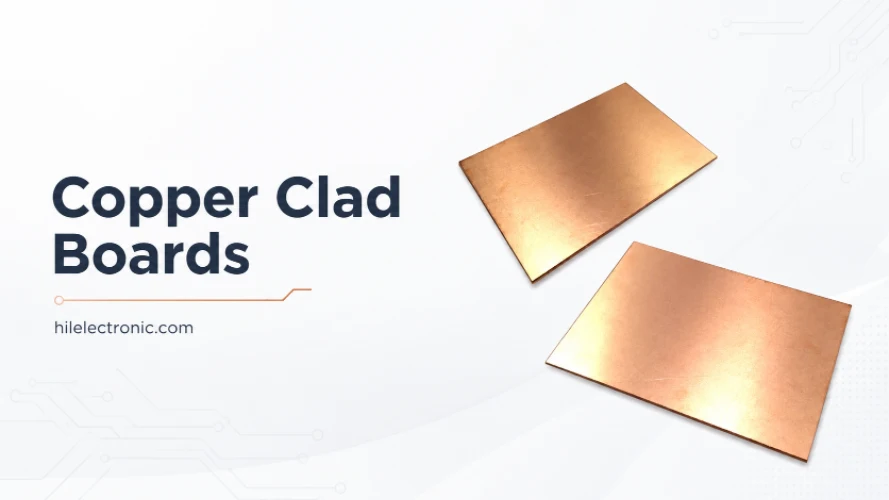
Figure 1. copper clad boards image for PCB manufacturing review.
A copper-clad board, or copper-clad laminate (CCL), is the raw material every rigid PCB starts from: a sheet of insulating substrate with copper foil bonded to one or both sides. Etch away the unwanted copper and what remains is your circuit. Understanding CCL — its grades, copper weights, and how it becomes a finished board — is understanding what a PCB actually is. This guide explains copper-clad laminate, its types, how copper weight is specified, and how Highleap Electronics turns CCL into finished boards.
1. What is a copper-clad board (CCL)?
A copper-clad board is the base material of a PCB: an insulating substrate — typically glass-reinforced epoxy — with a thin layer of copper foil laminated to one or both surfaces. It is the starting blank from which a circuit is made; the copper is the conductor and the substrate is the insulator that holds everything in place. Before any traces exist, the board is simply a fully copper-covered sheet.
The laminate is built by pressing copper foil onto the cured (or curing) resin-and-reinforcement substrate under heat and pressure, bonding them into a rigid sheet. The copper thickness, the substrate type, and the substrate’s thickness are all chosen for the board’s needs. This is the foundational PCB laminate material, and the way it is constructed — foil, resin, reinforcement — is described in detail in this look at PCB laminate construction.
2. Types of copper-clad laminate: FR-4, CEM, metal-core, and more
Copper-clad laminates come in several types defined by their substrate: FR-4 (glass-reinforced epoxy, the standard), CEM grades (composite epoxy), high-frequency laminates (PTFE and ceramic-filled), and metal-core (copper foil over an aluminum or copper base). The substrate determines the board’s electrical, thermal, and mechanical behavior, so the CCL type follows from the application:
| CCL type | Substrate | Typical use |
|---|---|---|
| FR-4 | Glass-reinforced epoxy | Standard, most rigid boards |
| High-Tg / advanced epoxy | Enhanced epoxy | Higher temperature, reliability |
| High-frequency | PTFE / ceramic-filled | RF and microwave boards |
| Metal-core | Aluminum or copper base | LED and high-heat boards |
FR-4 covers the vast majority of work, with the others chosen when their specific advantages — higher temperature, low RF loss, or strong heat conduction — are needed. Metal-core CCL, for instance, underpins LED and power boards via aluminum substrate PCBs, while RF designs use the high-frequency grades. Selecting among them is the circuit-board material decision that shapes the whole board.
3. Copper weight in CCL: 1 oz, 2 oz, and what it means
Copper weight describes the thickness of the copper foil on the laminate, quoted in ounces per square foot — 1 oz copper is about 35 microns thick, 2 oz about 70 microns. It is an old convention, but the key idea is simple: more copper weight means thicker copper, which carries more current and dissipates more heat, at the cost of harder fine-feature etching. The common weights:
- 0.5 oz (~17.5 µm) — used on inner layers and for fine-line work.
- 1 oz (~35 µm) — the standard for typical outer layers.
- 2 oz (~70 µm) — for higher-current and power boards.
- 3 oz and up (~105 µm+) — heavy copper for high-current and thermal designs.
The choice is a trade-off: heavier copper carries more current in a given width but is harder to etch into very fine traces, so high-current and signal boards often use different weights. This is the same copper-weight logic that drives current-carrying capacity and heavy-copper designs, and it is specified alongside the laminate type. For boards pushing high currents, heavier-clad laminate is the foundation of a thermally capable build.
4. How a PCB is made from copper-clad laminate
A PCB is made from copper-clad laminate by imaging the circuit pattern onto the copper, etching away the unwanted copper to leave the traces, then adding drilling, plating, solder mask, and finish. The CCL is the canvas, and fabrication is the subtractive process that reveals the circuit. The core sequence:
- Image the pattern. A resist is applied and patterned (often by photo-imaging) to protect the copper that will become traces.
- Etch. The exposed, unprotected copper is chemically etched away, leaving the circuit traces on the substrate.
- Drill and plate. Holes are drilled and plated through to connect layers, building the interconnect.
- Finish. Solder mask, silkscreen, and a surface finish are added to protect the copper and prepare it for assembly.
For multilayer boards, several etched copper-clad cores and prepreg layers are laminated together, repeating the principle across more layers. The starting laminate’s copper weight and substrate set what is achievable in etching and performance, which is why CCL selection comes first — everything in PCB manufacturing builds on that base material.
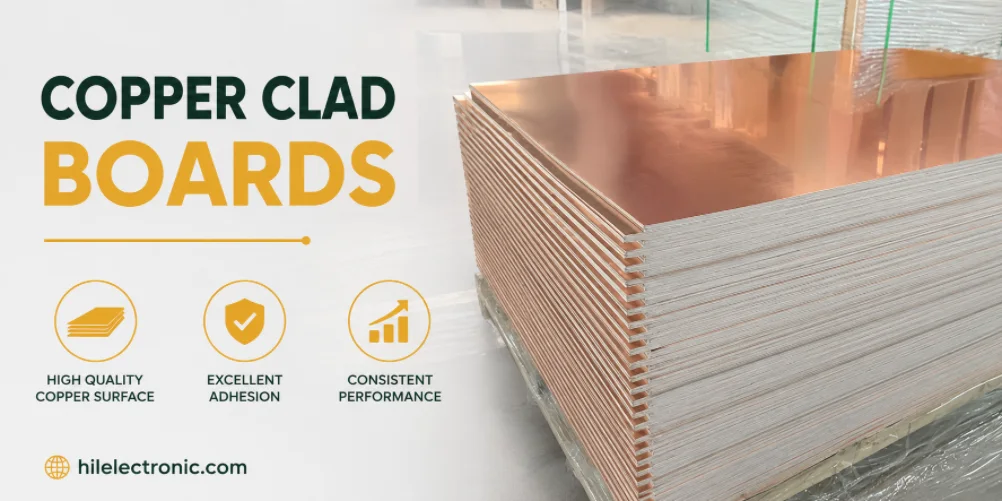
Figure 2. Manufacturing details for copper clad boards should be checked before quotation and production.
5. How to choose the right copper-clad laminate
Choose copper-clad laminate by matching the substrate to your electrical, thermal, and reliability needs and the copper weight to your current and heat requirements — FR-4 with 1 oz copper covers most boards, with specialized laminates chosen only where their advantages are needed. Selecting more than the design requires adds cost; selecting less risks performance or reliability. The decision factors:
- Electrical needs. High-frequency or high-speed signals point to low-loss laminates; general digital and analog work is fine on FR-4.
- Thermal needs. High heat or high power favors high-Tg or metal-core laminate to manage temperature.
- Copper weight. Match it to current and heat — heavier for power, standard for signals — balancing against fine-feature etching.
- Cost and availability. Standard FR-4 and common copper weights are the most economical and readily available, as covered in choosing the best copper-clad laminate.
Because the laminate underpins everything, this choice is best confirmed with your manufacturer, ideally in a manufacturability review, so the material, copper weight, and stackup suit both the design and the fabrication process before any board is built.
6. How Highleap selects and processes CCL for your boards
Highleap selects the copper-clad laminate and copper weight to match your board’s electrical, thermal, and reliability needs, then processes it through imaging, etching, drilling, plating, and finishing into a complete board. Material is treated as an engineering choice: standard FR-4 where it fits, and high-Tg, high-frequency, or metal-core laminates where the design genuinely needs them, drawing on a broad range of laminate materials.
Because the base laminate sets what the finished board can do, a manufacturability review confirms the material, copper weight, and stackup are right before fabrication, avoiding a mismatch discovered after the board is made. Highleap covers this within PCB manufacturing and supports the populated board through turnkey assembly. When you request a quote, state the laminate type (or your electrical, thermal, and Tg requirements), the copper weight, and the layer count so the right base material is used.
7. Copper-clad board FAQ
What is the difference between a copper-clad board and a PCB?
A copper-clad board is the raw, fully copper-covered laminate before any circuit exists; a PCB is what you get after the unwanted copper is etched away and drilling, plating, mask, and finish are added. The CCL is the starting material for the PCB.
What is FR-4 copper-clad laminate?
FR-4 CCL is the standard PCB base material: a glass-reinforced epoxy substrate with copper foil bonded to one or both sides. It covers the majority of rigid boards thanks to its balance of cost, strength, and electrical properties.
What does 1 oz copper mean on a clad board?
It describes the copper foil thickness — about 35 microns (0.035 mm) — quoted as weight per square foot. 2 oz is about 70 microns. Heavier copper carries more current but is harder to etch into fine traces.
Can you make a PCB at home from copper-clad board?
Simple single- or double-sided boards can be made from copper-clad laminate by patterning a resist and etching, but multilayer boards, fine features, plated through-holes, and reliable finishes require professional fabrication. Home etching suits only basic prototypes.
What is single-sided vs double-sided copper-clad board?
Single-sided CCL has copper on one face and double-sided has copper on both. Double-sided allows circuitry and plated through-holes on both surfaces, supporting more complex routing than single-sided material.
Does the copper-clad laminate affect signal performance?
Yes — the substrate’s dielectric properties affect impedance and loss, which is why high-frequency boards use specialized low-loss laminates rather than standard FR-4. The base material is a key factor in a board’s electrical behavior.

Recommended Posts
TMM4 Filter PCB Manufacturing
TMM4 filter PCB manufacturing is controlled by the...
TMM3 PCB Manufacturing for RF Modules
TMM3 PCB manufacturing is most useful where the RF module...
TMM6 PCB Fabrication
TMM6 fabrication is the process-control page for a mid-Dk...

TMM10 PCB Manufacturing for Compact RF Designs
Table of contentsHow TMM10 Shrinks RF StructuresTMM10 vs...
How to get a quote for PCBs
Let’s run DFM/DFA analysis for you and get back to you with a report. You can upload your files securely through our website. We require the following information in order to give you a quote:
-
- Gerber, ODB++, or .pcb, spec.
- BOM list if you require assembly
- Quantity
- Turn time
For PCBA services, please provide your BOM (Bill of Materials) and any specific assembly instructions. We also offer DFM/DFA analysis to optimize your designs for manufacturability and assembly, ensuring a smooth production process.