
How to Solder Chip Components: SMD Rework Guide
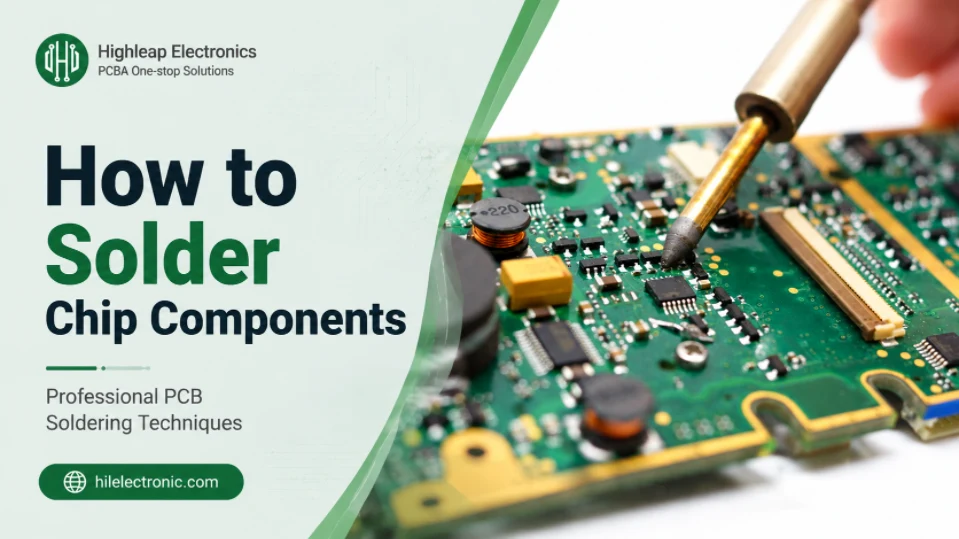
Figure 1. how to solder chip components guide
Hand-soldering surface-mount (SMD) chip components is a learnable skill once you have the right tools and a method for each package type. The core idea is simple: a temperature-controlled iron, good flux, fine solder, and steady tweezers will let you place and solder most passives and leaded ICs by hand, while leadless and ball-grid parts need hot air. This guide explains how to solder chip components step by step, package by package, and how to avoid the mistakes, bridges, cold joints, and lifted pads, that trip up beginners. For production assembly of 1206 chip components, pad geometry, paste deposition and component placement still need controlled settings even though the package is larger than many miniature passives.
Key takeaways
- A temperature-controlled iron, fine tip, thin solder, flux, tweezers, and magnification are the essential kit.
- Flux is not optional; it is what makes clean, reliable SMD joints possible.
- For two-terminal passives, tin one pad first, place the part, then solder both ends.
- For leaded ICs, tack one corner to align, then solder the rows and clear any bridges with solder wick.
- Leadless (QFN) and ball-grid (BGA) parts are best done with hot air or a hot plate, not an iron.
Table of Contents
- Tools for Soldering SMD Components
- Choosing Solder: Leaded vs Lead-Free
- Why Flux Is Essential for SMD Soldering
- How to Solder Chip Resistors and Capacitors
- How to Solder SOIC and QFP Chips
- Soldering QFN and BGA Packages
- Common SMD Soldering Problems and Fixes
- How to Inspect SMD Solder Joints
- When to Use SMT Assembly Instead
- Frequently Asked Questions
Tools for Soldering SMD Components
Good results start with the right kit. None of it is exotic, but trying to solder fine SMD parts with a cheap, uncontrolled iron is the main reason people struggle.
| Tool | Why it matters |
|---|---|
| Temperature-controlled iron, fine tip | Stable heat and a small tip are essential for control |
| Thin solder (about 0.3–0.5 mm) | Lets you add tiny, controlled amounts to small joints |
| Flux (no-clean or rosin) | Cleans surfaces so solder wets properly |
| Fine tweezers | Place and hold small parts precisely |
| Magnification (loupe or microscope) | You cannot solder well what you cannot see |
| Solder wick and a hot-air station | Remove bridges and handle leadless parts |
A note on iron temperature
Set the iron hot enough to wet quickly but no hotter than needed. Leaded solder flows at a lower temperature than lead-free, so lead-free work runs a little hotter. The goal is to make each joint fast: a brief, hot contact does less damage than a long, lukewarm one, a theme that runs through the whole guide.
Choosing Solder: Leaded vs Lead-Free
Your choice of solder alloy changes how the work feels and what temperature you use.
| Solder | Characteristics | Notes |
|---|---|---|
| Leaded (e.g. 63/37) | Lower melting point, flows easily, shiny joints | Most forgiving to hand-solder; restricted in many end products |
| Lead-free (e.g. SAC305) | Higher melting point, naturally duller joints | Required for RoHS products; needs a hotter iron and more flux |
For learning and rework, leaded solder is the most forgiving. For anything that must comply with RoHS, use lead-free and expect a slightly hotter iron, a little more flux, and a duller joint finish, which is normal and not a sign of a cold joint. Production lines reflow lead-free alloys with tightly controlled profiles during automated SMT assembly, especially on the dense, fine-pitch boards associated with high-speed manufacturing; by hand, you compensate with extra flux and patience.
Why Flux Is Essential for SMD Soldering
Flux is the single biggest difference between frustrating SMD soldering and easy SMD soldering. It chemically cleans the metal surfaces and helps the molten solder flow and wet, so joints form cleanly and bridges pull apart.
- Apply extra flux beyond what is in the solder’s core, especially for fine-pitch ICs.
- Flux makes bridges fixable. With flux and solder wick, excess solder lifts away easily.
- Choose a suitable type. No-clean flux is convenient; rosin works well but may want cleaning afterward, which connects to why boards are cleaned at all.
If a joint refuses to wet, the answer is almost always more flux and a clean tip, not more heat. Reaching for heat instead of flux is how pads get damaged.
How to Solder Chip Resistors and Capacitors
Resistors and capacitors in chip packages (0805, 0603, 0402, and smaller) are the easiest place to start. The reliable method has a clear sequence.
- Tin one pad. Add a small amount of solder to just one of the two pads.
- Place the part. Hold the component with tweezers, reheat the tinned pad, and slide the part into place so one end solders down.
- Solder the other end. With the part now anchored, solder the second end cleanly.
- Reflow the first end if needed. Touch the first joint again so it is a proper fillet, not just a tack.
The reason for tinning only one pad first is control: the part stays put while you make the second joint, and you avoid heating both ends at once. The smaller the part, the more this matters, and the more you will appreciate magnification and steady tweezers.
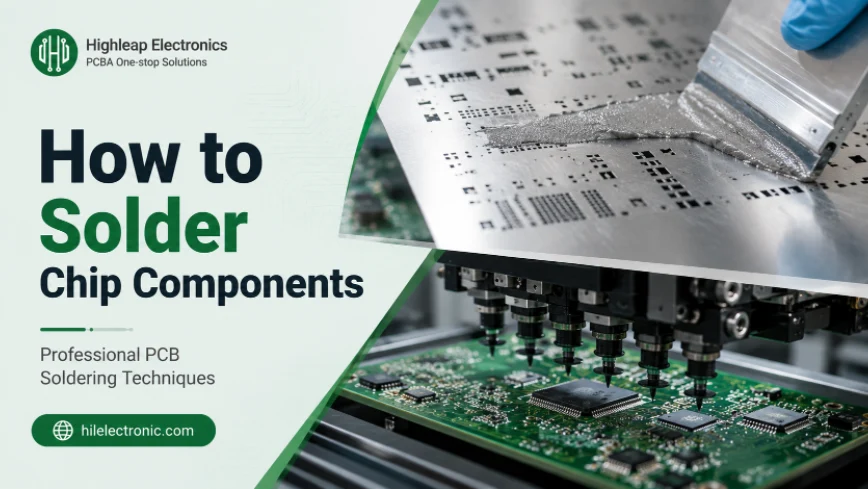
Figure 2. SMT chip soldering process with stencil printing and pick and place
How to Solder SOIC and QFP Chips
Chips with visible leads along their edges, SOIC, SSOP, QFP, look intimidating but are very doable by hand because every joint is accessible.
Tack, then solder the rows
- Align and tack one corner. Position the chip carefully over its footprint and solder a single corner pin to lock the alignment. Check that every pin sits on its pad before continuing.
- Tack the opposite corner. This fixes the part square.
- Solder each row. Add flux and solder the pins, either one by one or by “drag soldering”, dragging a bead of solder along the row with a chisel tip.
- Clear any bridges. Where pins bridge, add flux and pull the excess away with solder wick.
Bridges are normal with fine-pitch parts and are not a problem, with flux and wick they come away in seconds. The skill is alignment in step one; if the chip is straight on its pads, the rest is routine. For very fine-pitch devices, the same care that a factory applies during production assembly (good flux, the right tip, steady technique) is what makes hand work succeed.
Soldering QFN and BGA Packages
Some packages hide their connections, and these are where an iron alone falls short.
| Package | Best approach |
|---|---|
| Two-terminal passives | Iron, tin-one-pad method |
| SOIC / QFP (visible leads) | Iron, tack-and-drag, wick bridges |
| QFN (bottom-terminated) | Solder paste plus hot air, or a hot plate |
| BGA (balls underneath) | Hot-air or IR rework station; not hand-solderable |
QFN and leadless parts
A QFN has terminations on its underside and usually a central thermal pad, so there is nothing to reach with an iron tip. The practical method is solder paste on the pads plus hot air, or a hot plate to reflow from below. The hidden joints mean you cannot visually confirm them afterward.
BGA packages
A BGA sits on a grid of solder balls beneath the body. There is no way to hand-solder it; it needs a hot-air or infrared rework station and, for replacement, reballing. Because the joints are invisible, verifying them requires X-ray, the same reason production lines X-ray these parts during assembly.
Common SMD Soldering Problems and Fixes
Almost every hand-soldering issue falls into a short list, and each has a clear cause and fix.
| Problem | Cause and fix |
|---|---|
| Solder bridges | Too much solder; add flux and wick the excess |
| Cold / dull joint | Not enough heat or movement while cooling; reflow with flux |
| Tombstoning | Uneven heating of a passive; heat both ends more evenly |
| Lifted pad | Too much heat or time; use brief, hot contact and less rework |
The lifted pad deserves special attention: holding the iron on a pad too long, or reworking the same joint repeatedly, can peel the copper off the laminate, a failure with its own dedicated causes. The defense is the principle from the start of this guide, brief and hot rather than long and lukewarm, plus enough flux that joints form on the first try. Handle the board gently and use an ESD-safe setup to protect sensitive parts.
How to Inspect SMD Solder Joints
A joint that looks right usually is right, so inspection is mostly visual, with a check for connectivity.
- Look for a smooth fillet. The solder should curve cleanly from pad to lead, not sit in a ball.
- Check for bridges and opens. Under magnification, confirm no adjacent pins are joined and every pin is soldered.
- Mind the finish. Lead-free joints look duller than leaded ones; dull is not the same as cold.
- Verify continuity. A multimeter confirms connections and catches bridges your eye missed.
The formal acceptance criteria that factories use, fillet shape, wetting, allowable conditions, are codified in IPC-A-610, and skimming them gives a useful mental picture of what a good joint should look like even for hobby work.
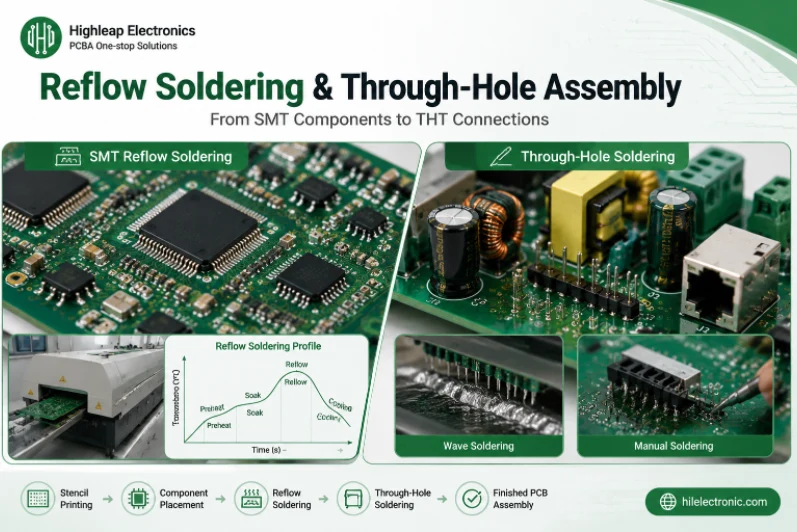
Figure 3. SMT reflow soldering and through-hole soldering process
When to Use SMT Assembly Instead
Hand-soldering is ideal for prototypes, repairs, and small builds. There is a point, though, where having a factory assemble the board is faster, cheaper, and more reliable.
- Many fine-pitch or leadless parts (lots of QFNs or BGAs) are far better placed by machine.
- More than a handful of boards tips the balance toward machine assembly.
- Tiny passives (0201 and smaller) are impractical to place reliably by hand.
In those cases, sending the design out for PCB assembly populates the board on an automated line, and the same files scale into high-volume assembly without redesign. A quick design review first confirms the footprints and spacing are assembly-ready, and boards with heavy heat loads may use a substrate suited to metal-core assembly. The bare board itself comes from standard PCB manufacturing.
With a temperature-controlled iron, plenty of flux, and the right method for each package, soldering chip components by hand is well within reach, and you will know when a job is better sent to an assembly line. You can read more about Highleap Electronics and our prototype-to-production assembly services.
Frequently Asked Questions
What temperature should I set my soldering iron for SMD work?
Hot enough to wet a joint quickly but no hotter than necessary. Lead-free solder needs a somewhat higher setting than leaded. The key is to make each joint with a brief, hot contact rather than prolonged heating, which protects pads and components.
Do I really need flux if my solder already has a core?
Yes, especially for fine-pitch ICs. Extra flux beyond the solder’s core cleans the surfaces so solder wets cleanly and bridges pull apart with wick. If a joint will not wet, add flux and clean the tip rather than adding heat.
How do I solder a tiny resistor or capacitor without it moving?
Tin just one pad first, then hold the part with tweezers and reflow that pad so one end solders down. With the part anchored, solder the other end and touch up the first. Tinning only one pad keeps the component from shifting while you work.
How do I fix solder bridges between IC pins?
Add flux over the bridged pins and lay solder wick on them, then heat; the wick draws the excess solder away. Bridges are normal on fine-pitch parts and clear in seconds once flux is present.
Can I hand-solder a QFN or BGA?
QFNs and BGAs hide their connections underneath, so an iron cannot reach them. QFNs are done with solder paste plus hot air or a hot plate; BGAs need a hot-air or infrared rework station and reballing for replacement, and their hidden joints are verified by X-ray.
Why did a pad lift off the board while I was soldering?
Excess heat or repeated rework can peel the copper pad from the laminate. Use a brief, hot contact, enough flux to wet on the first attempt, and limit how many times you rework the same joint. Lifted pads are a known, preventable failure mode.
When should I stop hand-soldering and have the board assembled?
When the board has many fine-pitch or leadless parts, more than a handful of units, or very small passives like 0201. Machine assembly is then faster, cheaper, and more reliable, and the same files scale to volume without redesign.
Is leaded or lead-free solder better for hand-soldering?
Leaded solder (such as 63/37) melts lower and flows more easily, making it the most forgiving for hand work and rework. Lead-free (such as SAC305) is required for RoHS-compliant products and needs a hotter iron and more flux, with a duller finish that is normal. Choose based on whether compliance applies to your product.

Recommended Posts
TMM4 Filter PCB Manufacturing
TMM4 filter PCB manufacturing is controlled by the...
TMM3 PCB Manufacturing for RF Modules
TMM3 PCB manufacturing is most useful where the RF module...
TMM6 PCB Fabrication
TMM6 fabrication is the process-control page for a mid-Dk...

TMM10 PCB Manufacturing for Compact RF Designs
Table of contentsHow TMM10 Shrinks RF StructuresTMM10 vs...
How to get a quote for PCBs
Let‘s run DFM/DFA analysis for you and get back to you with a report. You can upload your files securely through our website. We require the following information in order to give you a quote:
-
- Gerber, ODB++, or .pcb, spec.
- BOM list if you require assembly
- Quantity
- Turn time
For PCBA services, please provide your BOM (Bill of Materials) and any specific assembly instructions. We also offer DFM/DFA analysis to optimize your designs for manufacturability and assembly, ensuring a smooth production process.