
Top 10 Japanese Electronics Companies Leading Global Innovation in 2025

Japan remains at the forefront of global electronics innovation, with leading Japanese electronics companies continuing to shape industries from consumer technology to advanced medical devices. Built on decades of technological excellence and precision manufacturing, Japan has produced some of the world’s most influential technology companies. These top manufacturers have not only revolutionized how we interact with technology but have also cemented Japan’s position as a global leader in electronic innovation and manufacturing excellence.
Supporting this technological leadership is a global supply chain of reliable electronics manufacturing service (EMS) providers. As a dedicated PCB and PCBA manufacturer, Highleap Electronics delivers high-quality circuit board solutions that help turn innovation into reality. From prototyping to full-scale production, we provide precision-driven manufacturing and assembly services that align with the exacting standards of the world’s top electronics companies.
Top 10 Japanese Electronics Companies in 2025
1. Sony Corporation – Global Leader in Imaging and Entertainment Technology

Sony stands as Japan’s most recognizable electronics brand globally, with its influence spanning consumer electronics, gaming, imaging, and entertainment technology. Founded in 1946, Sony has consistently demonstrated its ability to anticipate and shape consumer preferences through groundbreaking products and technologies.
Market Leadership in Image Sensors
Sony dominates the global image sensor market with commanding authority. Sony’s CMOS image sensors account for 50% of the global smartphone sensor market, with over 1.2 billion units shipped annually to manufacturers including Apple, Samsung, and Xiaomi. This market leadership generates approximately $12 billion in annual revenue and positions Sony as an indispensable component supplier in the mobile technology ecosystem.
Gaming Industry Dominance
Sony’s PlayStation division continues to lead the gaming industry with remarkable success metrics. The PlayStation 5 achieved exceptional market performance, selling over 40 million units within its first three years and generating $25 billion in annual gaming revenue. This success demonstrates Sony’s integration of hardware and software expertise to create immersive gaming experiences that set industry standards.
Premium Display Technology Excellence
Sony’s television division produces premium OLED and LED displays that compete directly with Samsung and LG in the high-end market. The company’s commitment to research and development, with annual R&D spending exceeding $4 billion, ensures its continued leadership across multiple electronics segments.
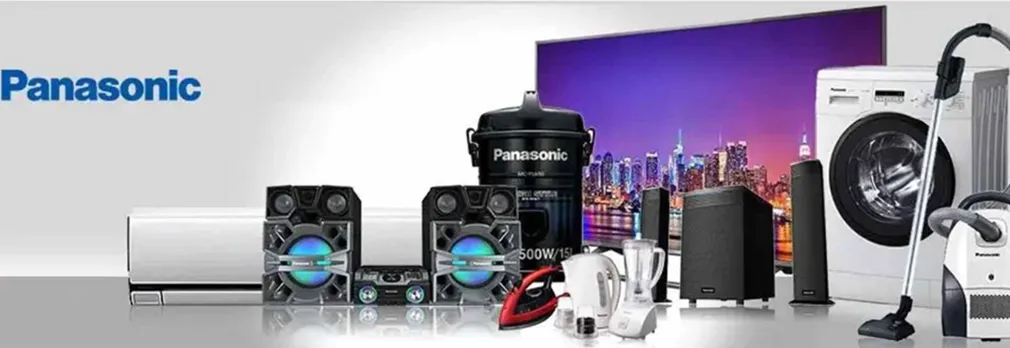
2. Panasonic Corporation – Automotive Electronics and Energy Systems Pioneer
Automotive Electronics Leadership
Panasonic’s automotive electronics division supplies advanced systems to major manufacturers worldwide. The company’s partnership with Tesla represents a landmark achievement, where their collaboration in battery production established Panasonic as a leading supplier of lithium-ion batteries for electric vehicles. This partnership alone generates over $7 billion in annual revenue and contributes significantly to the global transition toward sustainable transportation.
Smart Home Market Expansion
The global smart home market, where Panasonic’s IoT devices play a key role, is expected to grow by 25% annually through 2028, reaching $537 billion by 2030. Panasonic’s smart home ecosystem includes IoT-enabled appliances, energy management systems, and connected devices that provide consumers with enhanced convenience and energy efficiency.
Renewable Energy Global Impact
Panasonic’s renewable energy solutions are being deployed in large-scale solar power projects across Africa and Asia, helping to bring sustainable energy solutions to underserved regions. The company’s solar installations in Kenya and Tanzania have provided electricity access to over 2 million people, demonstrating the global impact of Japanese technology innovation.
3. Toshiba Corporation – Semiconductor and Quantum Technology Pioneer
Semiconductor Market Position
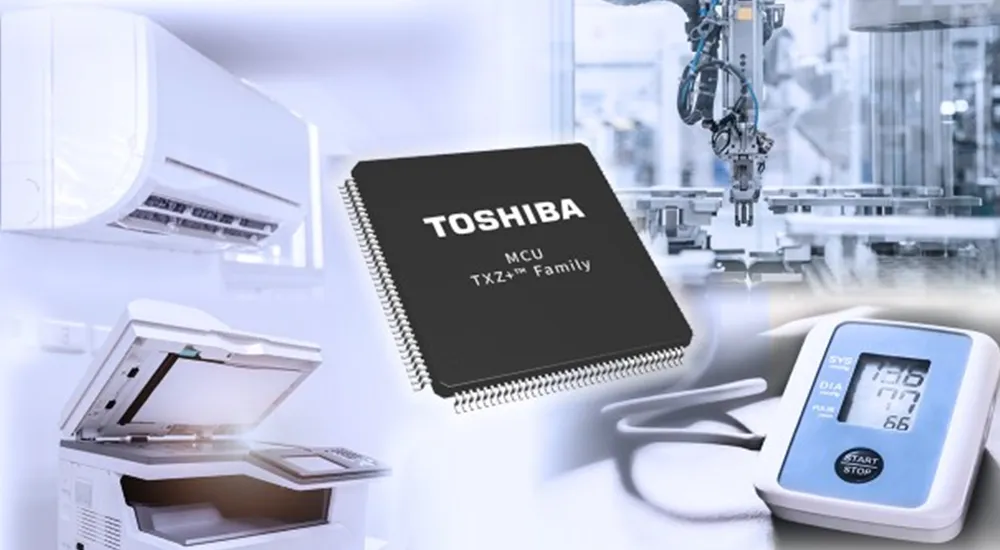
Toshiba’s semiconductor division produces essential components for data storage, automotive applications, and industrial systems. The company maintains a 15% global market share in flash memory technology, with annual semiconductor revenue exceeding $8 billion across consumer devices and enterprise data centers.
Medical Electronics Innovation
Toshiba’s medical electronics division develops advanced imaging systems, including CT scanners and MRI equipment, that incorporate cutting-edge electronics. The company’s medical systems generate $2.8 billion in annual revenue while serving healthcare providers across 140 countries worldwide.
Quantum Computing Breakthrough Applications
Toshiba’s quantum key distribution systems represent practical applications of quantum physics in cybersecurity. These systems work by transmitting encryption keys through quantum particles that detect any interception attempts, providing unprecedented data protection. The technology has been successfully deployed in government and financial institutions across Japan, the UK, and the United States, protecting critical communications for over 50 major organizations.
4. Sharp Corporation – Display Technology and Renewable Energy Solutions

Advanced Display Technology Leadership
Sharp’s display technology expertise encompasses LCD, OLED, and advanced LED technologies. The company’s 8K television technology represents the cutting edge of home entertainment, with Sharp holding 23% of the global 8K display market. Sharp’s AQUOS 8K televisions have gained recognition in professional broadcasting markets, where precision and color fidelity generate premium pricing advantages.
Solar Energy Innovation Impact
Sharp’s photovoltaic cells incorporate advanced materials and manufacturing techniques that achieve 22.1% energy conversion efficiency, among the highest in the industry. The company has installed over 15 gigawatts of solar capacity globally, equivalent to powering 12 million homes annually.
AI-Powered Smart Technology Development
Sharp’s integration of artificial intelligence into consumer electronics represents significant advancement in making technology more intuitive and responsive. The company’s AI-powered appliances have achieved 40% energy savings compared to conventional models, demonstrating practical benefits for consumers while supporting environmental sustainability goals.
5. Hitachi Ltd. – Infrastructure and Transportation Systems Specialist

Transportation Systems Global Success
Hitachi’s transportation division produces advanced railway systems that incorporate sophisticated electronics for safety, efficiency, and passenger comfort. The company’s trains operate in major metropolitan areas worldwide, including successful deployment of Class 395 high-speed trains for Southeastern Railway in the UK, where they achieve 99.5% reliability rates while serving 45 million passengers annually.
Smart Grid Technology Impact
Hitachi’s power and energy systems leverage advanced electronics to optimize power generation and distribution. The company’s smart grid technologies help utilities manage energy resources with 15% greater efficiency while incorporating renewable energy sources. These systems are deployed across 30 countries, managing over 200 gigawatts of electrical capacity.
Healthcare Technology Leadership
Hitachi develops medical imaging equipment and diagnostic systems that incorporate advanced signal processing and artificial intelligence. The company’s MRI systems serve over 8,000 healthcare facilities worldwide, contributing to improved diagnostic accuracy and patient outcomes across diverse medical applications.
6. Fujitsu Limited – Computing Solutions and Digital Transformation Leader

Quantum Computing Research Leadership
Fujitsu’s quantum computing research represents one of the most ambitious technology development programs in the electronics industry. The company’s quantum annealing systems offer practical solutions for optimization problems that traditional computers cannot efficiently solve. These systems use quantum mechanical effects to explore multiple solution paths simultaneously, opening new possibilities for logistics optimization, financial portfolio management, and scientific research applications. Current deployments have achieved 1000x performance improvements for specific optimization challenges.
IoT Platform Market Position
The global IoT market, where Fujitsu’s platforms play a significant role, is projected to reach $1.1 trillion by 2028. Fujitsu’s IoT platform integrates sensors, connectivity, and analytics to help organizations collect and analyze data from physical operations, serving over 15,000 enterprise customers across manufacturing, agriculture, and smart city applications.
Artificial Intelligence Technology Applications
Fujitsu’s artificial intelligence technologies enable businesses to automate complex processes and gain insights from large datasets. The company’s AI solutions have helped customers achieve average productivity improvements of 35% while reducing operational costs by 25% across diverse industry applications.
7. NEC Corporation – Network Infrastructure and Communication Systems

5G Technology Deployment Success
NEC’s 5G technology development includes both network infrastructure and end-user devices that enable ultra-fast, low-latency communications. The company has successfully deployed 5G networks for major telecommunications operators across Asia and Europe, serving over 100 million subscribers with network infrastructure that delivers speeds up to 10 gigabits per second.
Biometric Identification Market Leadership
NEC’s biometric identification systems incorporate advanced electronics to provide secure authentication for commercial and government applications. The company’s face recognition technology has achieved leading accuracy rates of 99.7% while addressing privacy concerns through sophisticated data protection measures. These systems protect over 500 million identities worldwide across airports, banks, and government facilities.
Smart City Solutions Global Impact
NEC provides integrated solutions that combine IoT sensors, data analytics, and artificial intelligence to help municipalities improve services while reducing costs. The company’s smart city implementations have helped 200+ cities reduce traffic congestion by 30% and improve emergency response times by 45%, demonstrating practical benefits for urban residents.
8. Ricoh Company Ltd. – Digital Workplace Solutions Provider

Document Management Systems Market Position
Ricoh’s multifunction printers and document management systems incorporate sophisticated electronics that enable seamless integration with cloud services and mobile devices. The company maintains 18% global market share in office printing solutions, serving over 1.3 million business customers worldwide while emphasizing security throughout document lifecycles.
Environmental Sustainability Leadership
Ricoh’s commitment to environmental sustainability extends beyond products to include comprehensive recycling programs and carbon-neutral manufacturing processes. The company has achieved carbon neutrality across all operations and helps customers reduce their environmental impact by 40% through efficient document management solutions.
Industrial Printing Innovation
Ricoh’s industrial printing solutions serve specialized markets including textiles, packaging, and commercial graphics. The company’s continuous innovation in printing technology maintains competitive position in evolving market segments worth $45 billion annually, where precision and reliability are essential for customer success.
9. Olympus Corporation – Precision Optics and Medical Electronics
Medical Endoscopy Market Dominance
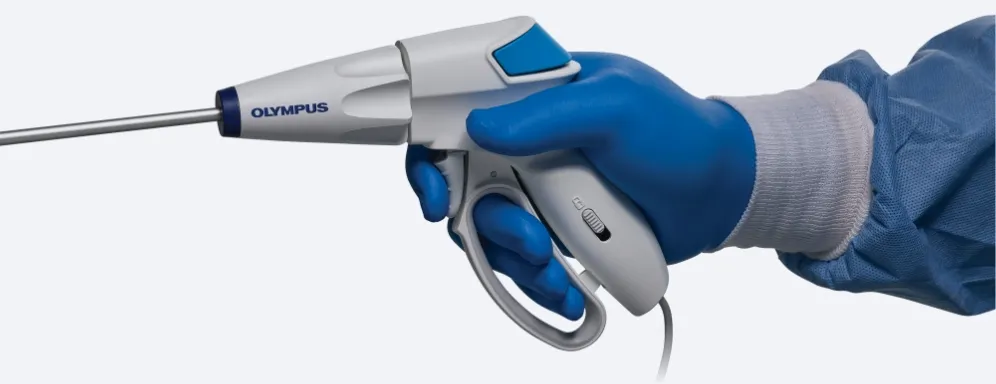
Olympus holds approximately 70% of the global endoscope market share, making it an essential partner for healthcare providers worldwide. The company’s endoscopic systems incorporate advanced imaging electronics that enable minimally invasive surgical procedures, reducing patient recovery times by 50% while improving surgical outcomes. Their latest EVIS X1 system demonstrates breakthrough imaging capabilities that enhance surgical precision for over 25,000 healthcare facilities globally.
Scientific Microscopy Excellence
Olympus microscope systems serve research institutions, educational facilities, and industrial applications where precise optical performance is critical. The company’s integration of digital imaging with traditional optics creates powerful tools for scientific investigation, supporting research that has contributed to over 15,000 published scientific papers annually.
Global Healthcare Impact
Olympus medical devices contribute to over 30 million medical procedures annually worldwide, demonstrating the global reach and impact of Japanese precision engineering in healthcare applications. The company’s comprehensive service network provides maintenance and upgrades that extend equipment life while maintaining peak performance across diverse medical specialties.
10. Kyocera Corporation – Ceramic Materials and Electronic Components
Solar Energy Systems Global Deployment
Kyocera’s solar energy systems incorporate advanced photovoltaic technology with durable ceramic substrates that maintain performance over decades of outdoor exposure. The company has successfully completed major solar installations, including the 70MW Setouchi Kirei Solar Power Plant, one of Japan’s largest floating solar installations. Kyocera’s global solar capacity exceeds 8.5 gigawatts, providing clean energy equivalent to powering 6.8 million homes annually.
Electronic Components Market Position
Kyocera’s electronic components serve critical functions in smartphones, automotive systems, and industrial equipment where failure is not acceptable. The company’s ceramic packaging technology protects sensitive electronics from harsh environmental conditions while maintaining electrical performance, serving over 15,000 customers across automotive, telecommunications, and industrial sectors.
Printing Solutions Reliability
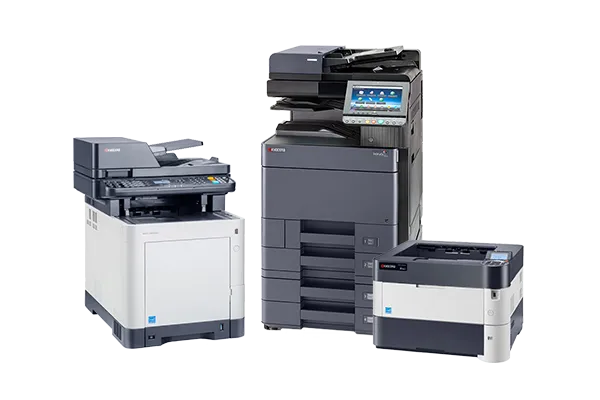
Kyocera’s printing and document solutions leverage the company’s materials expertise to create products that operate reliably in demanding office environments. The integration of advanced electronics with durable mechanical systems results in equipment that provides consistent performance over extended service lives, with average device lifespans exceeding 200,000 pages compared to industry standards of 100,000 pages.
Key Success Factors in Japan’s Electronics Industry
The success of Japanese electronics companies can be attributed to several key factors that set them apart in the global marketplace:
1. Unwavering Commitment to Quality
Quality assurance is at the heart of Japan’s electronics success. Japanese companies implement rigorous testing procedures and continuous improvement processes to ensure their products meet the highest standards of performance and reliability. For example, leading companies like Sony and Panasonic have established advanced quality control systems that not only ensure product durability but also reduce the risk of defects, setting them apart from competitors.
2. Relentless Focus on Innovation
Innovation is embedded in the DNA of Japanese electronics companies. These firms consistently invest in research and development, enabling them to stay at the cutting edge of technology. From Sony’s groundbreaking image sensors to Panasonic’s advancements in automotive batteries, their dedication to technological progress goes beyond just product development; it shapes entire industry standards and ecosystems.
3. Long-Term Strategic Vision
Japanese companies excel in long-term strategic thinking, allowing them to invest in ambitious projects that may not yield immediate returns but ultimately create sustainable competitive advantages. This foresight has led to the development of foundational technologies that have become industry benchmarks. For instance, Toshiba’s innovations in flash memory and Hitachi’s smart grid technology are examples of how long-term thinking has shaped the future of global industries.
4. Robust Industry-Academia-Government Collaboration
A strong collaborative ecosystem between industry, academia, and government has been essential to Japan’s technological success. This partnership fosters an environment where research efforts align with real-world market needs. For example, collaborations in the quantum computing sector have positioned companies like Fujitsu and Toshiba as leaders in next-generation computing, helping to push the boundaries of what’s possible while leveraging collective expertise.
Japan’s Role in Advanced Electronics Design and Development
Japan’s electronics companies have long been recognized as global leaders in innovation, precision engineering, and quality. From Sony’s image sensors powering billions of smartphones to Panasonic’s lithium-ion batteries shaping the future of electric vehicles, Japanese firms continue to set the benchmark in various advanced technology sectors, including automotive electronics, imaging systems, and industrial automation.
However, bringing these cutting-edge designs to market often requires manufacturing support beyond national borders. To meet global demand and maintain speed, many Japanese brands collaborate with experienced electronics manufacturing service (EMS) providers in Asia—including trusted Chinese partners like Highleap Electronics—to achieve scalable, cost-efficient, and high-quality production.
Enabling Japanese Electronics: The Role of Chinese PCB & Assembly Partners
As product complexity increases and turnaround cycles shorten, global collaboration in electronics manufacturing has become essential. China plays a central role in this supply chain with its robust EMS ecosystem and strong PCB production capacity. Many Japanese companies leverage Chinese partners for critical phases such as multilayer PCB fabrication, surface-mount assembly, and rapid prototyping.
Highleap Electronics, as part of this broader ecosystem, supports international clients—including those from Japan—by delivering reliable PCB and PCBA services that meet stringent performance and compliance requirements. With extensive experience handling high-mix, low-to-medium volume production, we contribute to transforming advanced electronic concepts into ready-to-market products with efficiency and precision.
Highleap Electronics: Trusted One-Stop EMS Partner
With over 20 years of experience, Highleap Electronics offers one-stop PCB and assembly solutions to support innovators across the globe. From PCB manufacturing and component sourcing to SMT, DIP, and functional testing, our services cover the complete electronics production lifecycle.
We maintain ISO9001, ISO13485, ISO14001, IATF16949, and UL certifications to ensure compliance with IPC Class 2/3 standards. Every project undergoes strict quality control, including 100% AOI inspection and final testing, to ensure performance and reliability across industries such as automotive, medical devices, consumer electronics, and industrial automation.

Recommended Posts
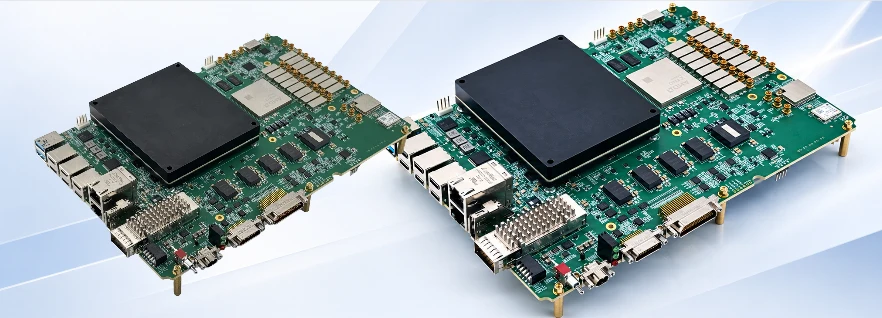
High-Speed RFSoC PCB Manufacturing and Assembly: Key Engineering Considerations
How to get a quote for PCBs Let's run DFM/DFA analysis for...
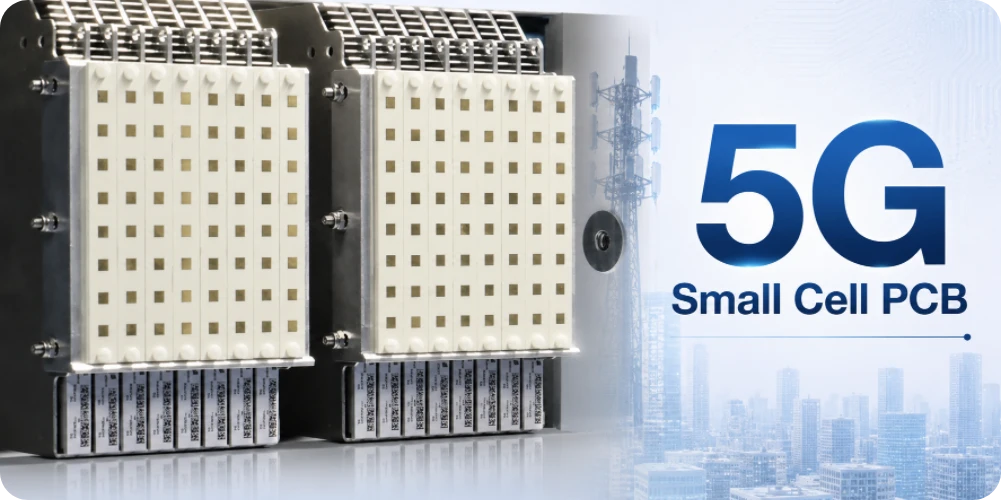
5G Small Cell PCB Manufacturing for RF and Telecom Infrastructure
Table of Contents 5G Small Cell PCB Requirements Depend on...
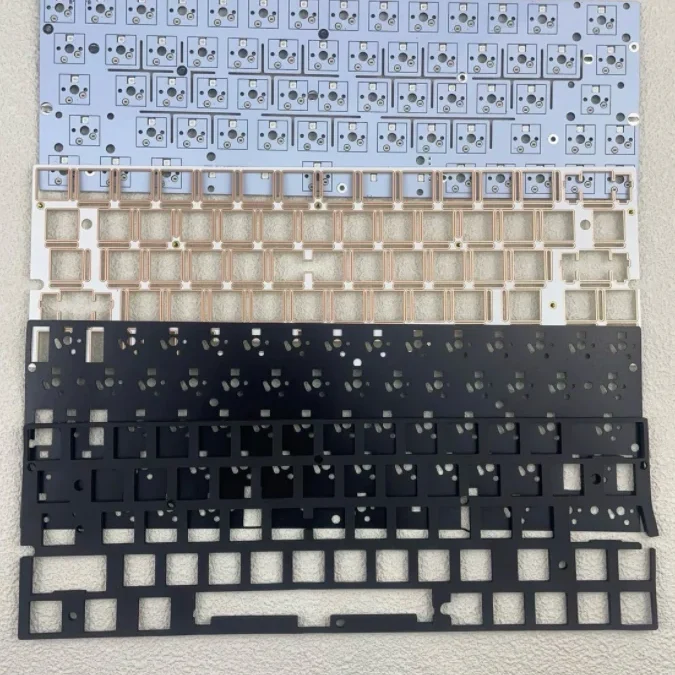
Custom 65% Keyboard PCB and PCBA Manufacturing
Table of contents 1. From Design Files to Production-Ready...
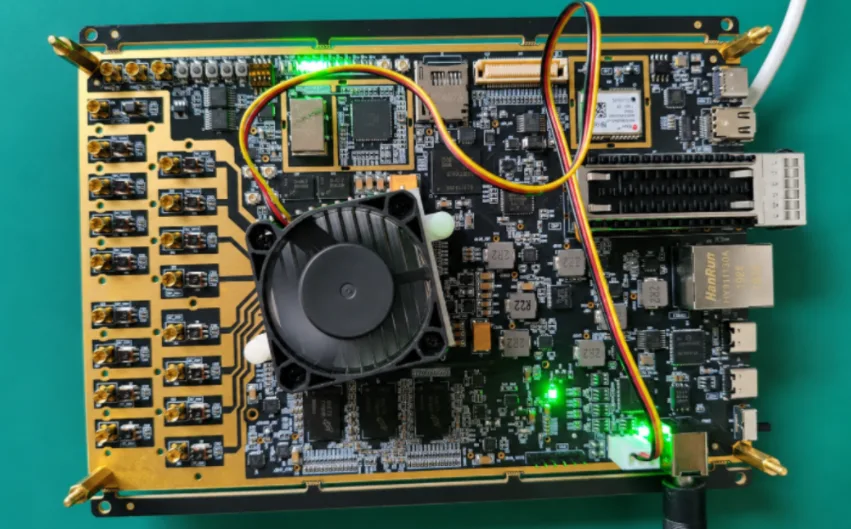
RFSoC Board PCB Manufacturing and Assembly One-Stop Service
Table of contentsReference RFSOC Board Project: 115 × 175...
How to get a quote for PCBs
Let‘s run DFM/DFA analysis for you and get back to you with a report. You can upload your files securely through our website. We require the following information in order to give you a quote:
-
- Gerber, ODB++, or .pcb, spec.
- BOM list if you require assembly
- Quantity
- Turn time
In addition to PCB manufacturing, we offer a comprehensive range of electronic services, including PCB design, PCBA, and turnkey solutions. Whether you need help with prototyping, design verification, component sourcing, or mass production, we provide end-to-end support to ensure your project’s success.
For PCBA services, please provide your BOM (Bill of Materials) and any specific assembly instructions. We also offer DFM/DFA analysis to optimize your designs for manufacturability and assembly, ensuring a smooth production process.