
Portable Sound Machine PCB Manufacturing for Multi-Variant Audio Products

Portable sound machines often share one electronics platform across multiple SKUs with different speakers, sound libraries, wireless options, controls or enclosures. For an OEM, the manufacturing challenge is configuration control: the PCB, BOM, firmware and test profile must remain aligned while the platform stays economical to produce.
Manufacturing Strategy for Shared Audio Platforms
Common-platform boards can also simplify inventory, but only when the BOM and component sourcing are controlled. A common controller IC may be shared across several models, while speakers, memory or connectors differ. Procurement should identify the components that drive supply risk because a shortage of one common part can affect the entire family.
A shared PCB platform should have a clear rule for optional components. If one SKU uses a wireless module and another leaves the position unpopulated, the assembly data must make that difference explicit. DNP instructions should be tied to the SKU or work order rather than left as a note that an operator must interpret manually.
From a DFM perspective, multi-SKU boards should be checked for component placement conflicts and assembly-program complexity. Optional components should have clear population rules, and the assembly data should make the intended configuration unambiguous. If a change is common to every SKU, it should be released as a platform revision; if it applies to one model only, the affected configuration should be clearly isolated.
A shared PCB platform can reduce tooling and qualification effort when several sound-machine models use the same core electronics. The savings disappear, however, if variant BOMs and firmware are not controlled. The RFQ should show the expected quantity by SKU and identify which components differ between variants.
Highleap’s PCB assembly and turnkey manufacturing scope can be useful when one supplier is expected to coordinate fabrication, sourcing and assembly. The customer should provide the variant matrix so the manufacturer can quote the real mix rather than treating all units as one identical configuration. See the PCB fabrication service page for the corresponding manufacturing scope. See the high-volume PCB assembly service page for the corresponding manufacturing scope.
Variant information to provide
- SKU list
- PCB revision
- BOM by SKU
- Firmware image
- Speaker or audio module
- Wireless option
- Test profile
For engineering teams still optimizing a common platform, PCB design and DFM review can help identify whether the planned component options can be manufactured consistently. Once released, the factory should follow the customer’s controlled data and approved change process. See the DFM review service page for the corresponding manufacturing scope.
Variant BOM and Assembly Control
Audio output should be evaluated against the product-level requirement that has actually been released. Electrical audio output, speaker current and control response can be verified on the PCBA. Acoustic volume, resonance and user perception depend on the final mechanical assembly and should be tested at the system level if the OEM requires them.
Testing a common platform requires careful fixture design. The fixture may share electrical connections while the firmware and test sequence change by model. The production record should capture the model, firmware revision and test profile. This is more reliable than relying on the operator to remember which version is being tested.
Audio component sourcing can create hidden lifecycle risk. A speaker connector, amplifier IC, memory device or wireless module used across several SKUs can become a single point of supply risk. Buyers should identify these common components and establish approved alternatives before a shortage occurs. This is especially useful for products with seasonal demand, where a short interruption can affect several models at once.
- Thermal-head and motor information
- Battery and charging condition
- Wireless module and firmware
- Reference receipt media
- Print-test acceptance limits
A common PCB can still require different component populations. Optional wireless modules, memory, buttons, LEDs or connectors should be represented in controlled BOMs rather than relying on ambiguous DNP notes. This reduces the risk of assembling the correct PCB with the wrong configuration.
Critical components should be identified by approved manufacturer part number. If Highleap is responsible for procurement, components sourcing can be included in the manufacturing scope. Any alternate that can affect audio performance, wireless behavior or standby current should be reviewed before release.
Good configuration practice
- One clear BOM per SKU
- Controlled DNP instructions
- Approved alternates
- Firmware-to-SKU mapping
- Test-profile mapping
- Traceability by serial number when required
The BOM should identify the production configuration with enough detail for procurement and assembly. Manufacturer part numbers, approved alternates, DNP positions and customer-supplied components should be unambiguous. If the same PCB supports multiple SKUs, the work order should connect the SKU to the correct BOM and assembly program.
- Thermal-head and motor information
- Battery and charging condition
- Wireless module and firmware
- Reference receipt media
- Print-test acceptance limits
Firmware and Functional Test by SKU
Volume planning by SKU also helps determine whether a dedicated fixture is worthwhile. A high-volume core model may justify automated testing, while a low-volume variant may use a shared fixture with controlled configuration. These decisions are production-engineering choices and should be made from the actual quantity mix.
Component changes should be assessed for their effect across the whole platform. A regulator change may affect every SKU, while a connector change may affect only one model. The engineering change process should show the affected configurations so that purchasing and production do not accidentally apply a model-specific change to the entire product family.
Firmware may control sound libraries, timers, wireless functions, volume behavior and user controls. A production test therefore needs to identify the expected firmware version before the functional sequence begins. A board that passes electrical inspection can still be the wrong production configuration if the firmware or BOM variant is incorrect.
Highleap’s functional testing service can be scoped around customer-defined inputs, outputs, communication and firmware requirements. For an audio product, the customer should decide whether the production test needs electrical audio checks, wireless verification, control-input checks or a complete product-level acoustic test.
Possible production endpoints
- Boot and firmware version
- Button or touch input
- Speaker output path
- Wireless pairing or data transfer
- Charging behavior
- Current consumption
Final acoustic performance should not be attributed entirely to the PCB. Amplifier behavior and signal integrity are important, but the speaker, enclosure, acoustic openings and firmware also influence the result. A production test can verify an agreed electrical or functional audio condition; complete acoustic qualification should be treated separately unless explicitly included. See the audio amplifier PCB service page for the corresponding manufacturing scope.
If a design includes a flexible interconnect because of the enclosure, the manufacturing route should be selected from that requirement. Highleap’s rigid-flex PCB manufacturing and flex PCB assembly resources are relevant only when the released product actually uses those structures.
Power, Audio and Thermal Considerations
International sourcing teams often compare factories using a single unit price. For multi-SKU programs, a better comparison includes setup, sourcing, programming, testing and inventory assumptions. A supplier with a slightly higher board price may still provide a lower total manufacturing cost if the process reduces rework or configuration errors.
Battery-powered sound machines can have current peaks during audio playback and wireless activity. The power design should be evaluated at the intended operating states, and the customer should define whether playback while charging is supported. The battery management PCB architecture should be treated as a controlled part of the product configuration.
Audio performance can also be affected by PCB layout and assembly variables. Highleap’s audio amplifier PCB assembly guidance highlights the importance of repeatable assembly, thermal behavior and controlled component sourcing for audio circuits. If the customer has a quantitative noise or distortion requirement, the measurement method and limit should be included in the production specification. See the circuit board assembly service page for the corresponding manufacturing scope.
Requirements worth quantifying
- Supply voltage
- Peak current
- Charging state
- Audio output test level
- Noise or distortion limit when required
- Thermal limit
- Wireless operating state
Component availability should be reviewed by SKU rather than only by total annual volume. A low-volume variant can contain a unique wireless module or connector that becomes the procurement constraint for the entire program. Approved alternates should be evaluated before a shortage occurs, and any substitution that affects function or fit should be released by the customer.
Production economics also change as the program scales. Prototype builds may use a different sourcing strategy and test fixture, while repeat production benefits from stable component supply, panelization and controlled assembly programs. Highleap’s low-volume PCB manufacturing is relevant for early-stage builds, while the same released configuration can be planned for larger recurring orders.
International procurement teams should compare China PCB suppliers and other regional manufacturers using the same BOM responsibility, assembly scope, testing, packaging and quantity. A low unit PCB price is not a useful comparison when one quotation excludes components or functional testing that another supplier includes.
Sourcing, NPI and Repeat Orders
Extended after-sales support is most useful when the manufacturing baseline is controlled. If the PCB revision, BOM and firmware are documented, later production questions can be tied to the exact configuration. Highleap can support qualifying OEM programs after production, while the OEM remains responsible for finished-product warranty commitments and customer-facing product claims.
For international OEM programs, the useful question is not which country has the lowest advertised PCB price. It is whether the supplier can reproduce the same controlled configuration across the planned production life. Highleap can support PCB fabrication, component sourcing, PCBA assembly and agreed testing, while the customer remains responsible for the product architecture and release decisions.
Highleap Electronics manufactures customer-designed PCBs and PCB assemblies for OEM and electronics-development programs. The application keyword identifies the customer’s electronic product; it does not mean Highleap sells the finished consumer or commercial device. Manufacturing is performed from the released engineering data and the agreed production scope.
- Released PCB fabrication data and board specification
- Approved BOM and component-sourcing responsibility
- Assembly drawing and pick-and-place data where applicable
- Firmware, programming and functional-test requirements when applicable
- Prototype, pilot and recurring production quantities
For volume programs, also state the expected annual demand, order pattern and any customer-controlled components. If the project requires component sourcing, identify whether approved alternates are permitted and which changes require engineering approval. This helps separate a genuine manufacturing quotation from an estimate based on assumptions.
A useful quotation package should be specific enough that different suppliers are pricing the same manufacturing scope. For this application, include the current PCB fabrication files, board specification, BOM with manufacturer part numbers, assembly data where applicable, mechanical references for controlled interfaces, firmware and programming requirements, functional-test procedure, acceptance limits, production quantity and packaging or traceability requirements.
RFQ information to send
Production handoff
- Platform PCB revision
- SKU BOM matrix
- Approved component alternates
- Firmware files
- Test profiles
- Forecast and replenishment plan
- Engineering-change approval
The broader manufacturing scope can also be reviewed through functional testing when it is relevant to the released design.

Recommended Posts
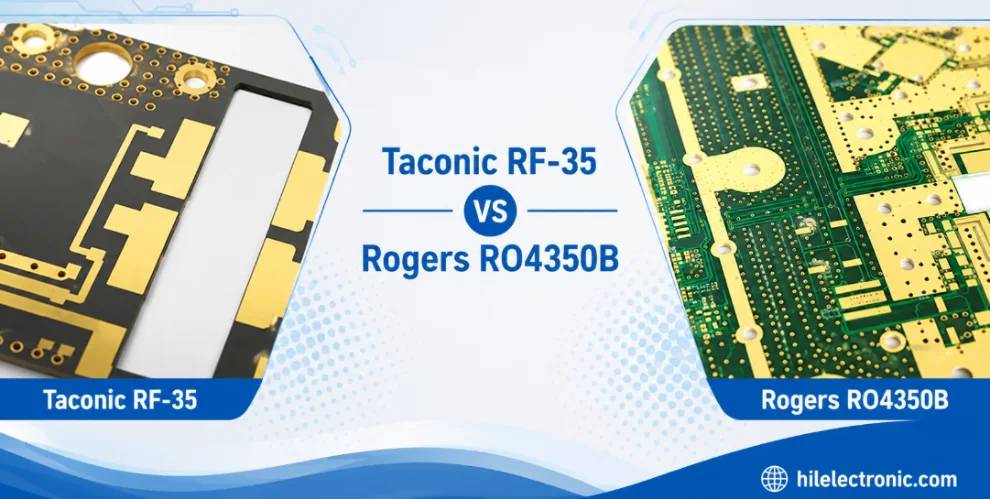
Taconic RF 35 vs RO4350B PCB
Table of contentsRF-35 vs RO4350B Procurement and...
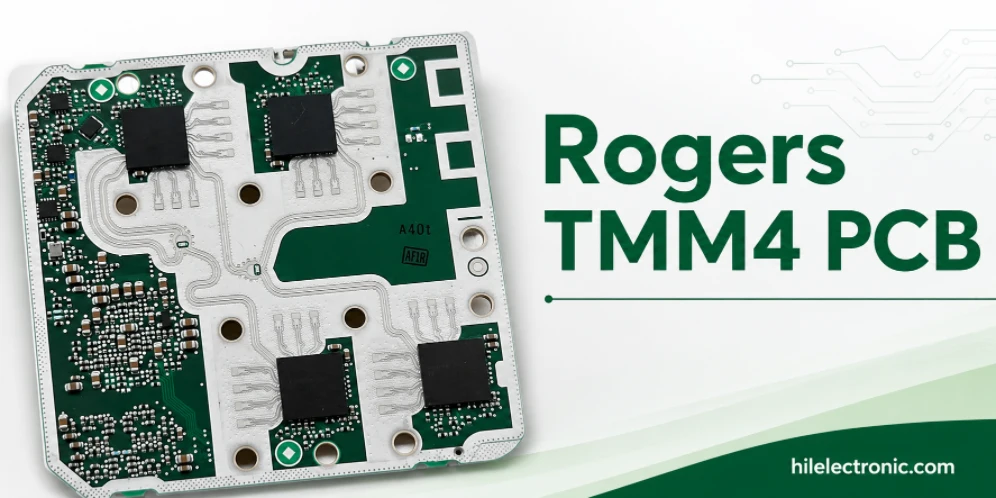
TMM4 Filter PCB Manufacturing
TMM4 filter PCB manufacturing is controlled by the...
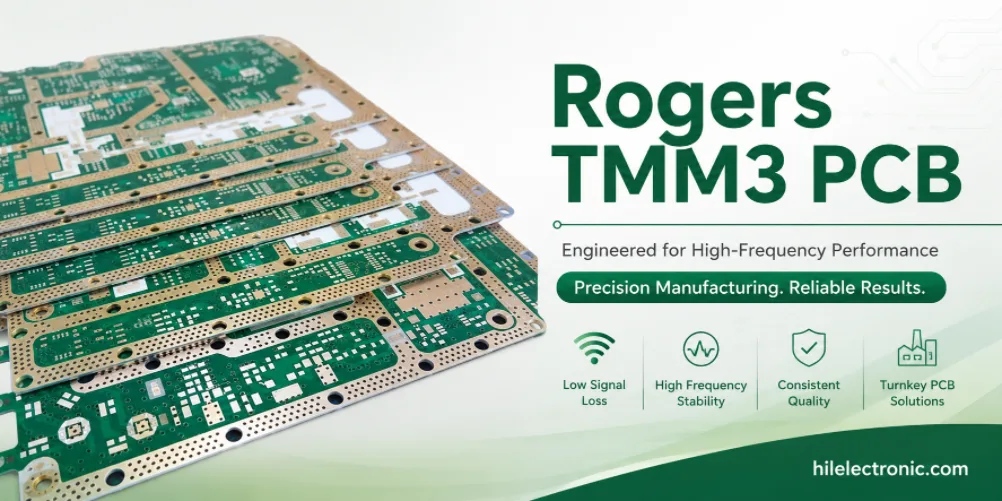
TMM3 PCB Manufacturing for RF Modules
TMM3 PCB manufacturing is most useful where the RF module...
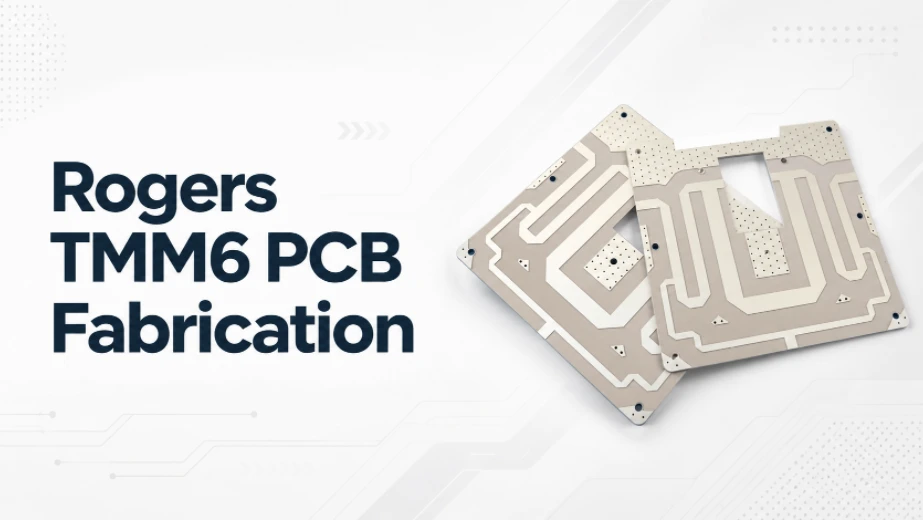
TMM6 PCB Fabrication
TMM6 fabrication is the process-control page for a mid-Dk...
How to get a quote for PCBs
Let’s run DFM/DFA analysis for you and get back to you with a report. You can upload your files securely through our website. We require the following information in order to give you a quote:
-
- Gerber, ODB++, or .pcb, spec.
- BOM list if you require assembly
- Quantity
- Turn time
For PCBA services, please provide your BOM (Bill of Materials) and any specific assembly instructions. We also offer DFM/DFA analysis to optimize your designs for manufacturability and assembly, ensuring a smooth production process.