
TC600 PCB Manufacturing for High Dk RF Boards
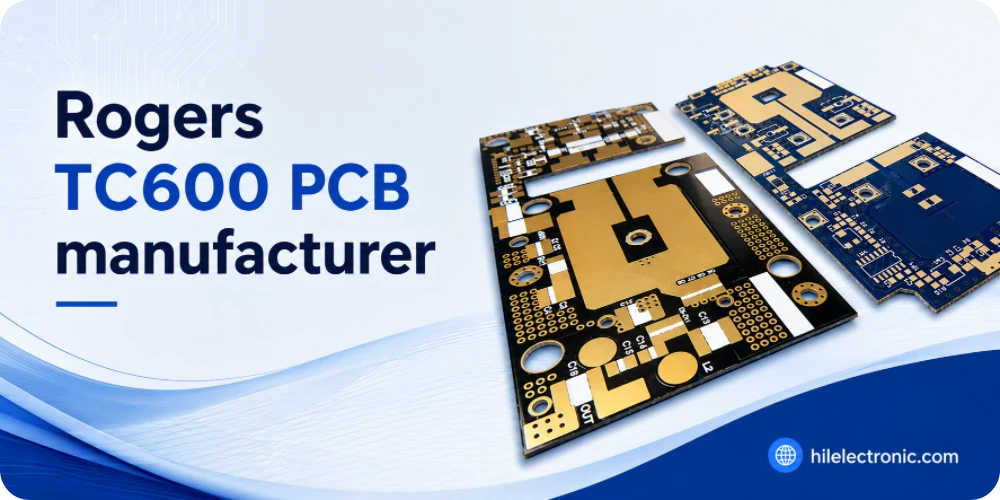
TC600 PCB manufacturing becomes more demanding when high Dk and thermal performance are required in the same RF board. The stackup and copper system should be evaluated for both electrical compactness and the heat path through the finished construction. Rogers TC600 PCB manufacturing is usually requested when a board needs two things at the same time: a high dielectric constant for compact RF geometry and enough thermal performance to support a power-sensitive application. That combination changes the sourcing discussion because the material affects board size, impedance, heat flow, and fabrication tolerance together.
Highleap Electronics reviews TC600 projects as compact high-Dk RF builds, not as generic microwave boards. We focus on stackup thickness, line width tolerance, heat path continuity, transition design, and how the board will be assembled into the final RF module. For adjacent topics, see Rogers PCB manufacturing and Rogers high-Dk PCB fabrication.
TC600 is addressed through the combined RF and thermal requirements of the finished board. Material construction, copper distribution, thermal paths, drilling and assembly interfaces should be released together when heat removal and RF behavior share the same PCB structure.
Why TC600 Is Chosen for High-Dk RF Boards
The value of TC600 is usually electrical compactness plus thermal support
TC600 is commonly considered when a designer wants narrower RF structures or a smaller footprint than a lower-Dk material would allow, but the board also needs to move heat away from power devices, grounded shields, or thermally stressed module areas. In practice, that makes TC600 relevant to compact amplifiers, filters, couplers, antenna feed blocks, and microwave assemblies with limited area.
The material choice therefore affects more than the RF calculation. It also shapes the heat path, the manufacturing tolerance, and sometimes the mechanical packaging around the RF board.
A high-Dk choice should be justified by the build goal
TC600 should be selected because the project gains a practical advantage from the dielectric behavior, not because a high-Dk laminate sounds more advanced. In many RF products, lower-Dk materials are easier to build and fully adequate. TC600 becomes valuable when the electrical layout and mechanical envelope clearly benefit from its high-Dk profile.
How TC600 Changes RF Line Geometry and Board Size
Small dimensional shifts matter more on high-Dk boards
Because TC600 supports more compact line structures, the production tolerance window can feel tighter than on larger-geometry RF boards. A small change in dielectric height, copper finish, or etch width can influence impedance and phase behavior more quickly when the design is already compressed. Highleap checks the RF geometry, board thickness, copper distribution, drilling and assembly interfaces together. Where thermal performance is a design requirement, the fabrication drawing should define the relevant copper structures and test or inspection evidence. Exact material property values should be checked against the current supplier documentation for the specified grade and construction.
- Line width and spacing need to match the field-solver assumptions
- Finished copper should be separated clearly from base copper in the stackup note
- Reference plane definition is critical around launches and transitions
- Any cavity, slot, or metal interface near the RF path should be documented early
For this reason, Highleap usually aligns TC600 reviews with PCB impedance control planning before releasing the tooling package.
Board size savings should not come at the cost of manufacturability
It is common to see a design use TC600 to reduce footprint and then push trace spacing, anti-pad clearance, and connector area too hard for a stable manufacturing margin. We prefer to identify that tradeoff at quote stage rather than after a first prototype exposes it.
Thermal Conduction and Power Density Considerations
Thermal benefit only matters if the heat path is complete
A material with better thermal conductivity does not solve a layout that traps heat. Highleap reviews copper spreading, thermal vias, metal interfaces, and mounting surfaces together so the board can actually move heat into the surrounding structure.
| Thermal area | What can go wrong | Review item |
|---|---|---|
| Power device region | Localized hot spot | Copper spread, via density, assembly pad structure |
| Metal contact area | Poor interface flatness | Mechanical planarity, finish, mounting features |
| RF cavity or shield zone | Electrical and thermal conflict | Grounding, solder access, thermal escape path |
On TC600 builds, electrical compactness and thermal design are usually linked. That is why the engineering review should not split them into separate late-stage checks.

Material scope: Highleap Electronics manufactures and assembles the finished PCB. The Rogers grade named on this page identifies the specified laminate; Highleap does not manufacture or sell Rogers laminates.
Fabrication Controls for TC600 Stackups
High-Dk PTFE-oriented builds need disciplined process control
TC600 boards should be reviewed for drilling strategy, dimensional stability, edge quality, and laminate handling. The fabrication team needs a route that fits both the RF geometry and the thermal/mechanical requirements of the board.
Where the project includes mixed material systems or multilayer transitions, we also review whether the stackup would benefit from the same thinking used in hybrid PCB lamination and Rogers PCB stackup planning.
Panel design influences final repeatability
Compact high-Dk boards can be sensitive to breakaway strategy, copper balance, and panel support during routing or drilling. These issues rarely show up in a short material description, but they matter when the goal is repeatable production rather than one-off samples.
Assembly, Metal Interfaces, and Production Risks
The board has to work after assembly, not only after bare-board inspection
TC600 builds often end up inside metal RF structures or power-oriented module assemblies. Connector launches, soldered shields, thermal compounds, or mounting hardware can all change the real-world outcome. Highleap reviews those interfaces with the bare-board files when they are available.
If the project includes component assembly, X-ray inspection, or functional verification, those requirements should be quoted up front. Highleap aligns them with RF PCB manufacturing and assembly capability so the board does not need a separate late-stage process definition.
Repeat orders depend on documentation discipline
The most common cause of drift on advanced RF boards is incomplete production documentation. A repeat order should carry the same stackup release, copper assumption, transition notes, and acceptance criteria as the validated pilot lot.
What Highleap Needs Before Quoting TC600 Boards
The RFQ should include the electrical intent, not only the board outline
- Gerber or ODB++, drill files, and released stackup
- TC600 material callout with dielectric thickness information
- Impedance targets or line-control notes
- Copper weight, surface finish, and mechanical thickness
- Heat-sink or metal-contact expectations if applicable
- Assembly scope, inspection plan, and quantity target
That package allows Highleap to review electrical compactness, heat path quality, and production tolerance in one engineering cycle.
FAQs
Is TC600 mainly for shrinking RF lines?
That is one of the main reasons, but it is usually selected when compact geometry and thermal handling are both important to the product.
Should TC600 boards always use special inspection?
Not always. The inspection package should match the actual risk areas such as line geometry, thermal interface zones, or complex RF launches.
Can Highleap quote TC600 from Gerbers alone?
We can give a preliminary response, but the most reliable quote comes when the RF and thermal assumptions are included with the released stackup and fabrication notes. For quotation, include the TC600 construction, RF frequency, power conditions, copper, thermal requirements, finish and quantity. This allows the supplier to separate normal RF processing from any additional thermal or assembly work.

Recommended Posts
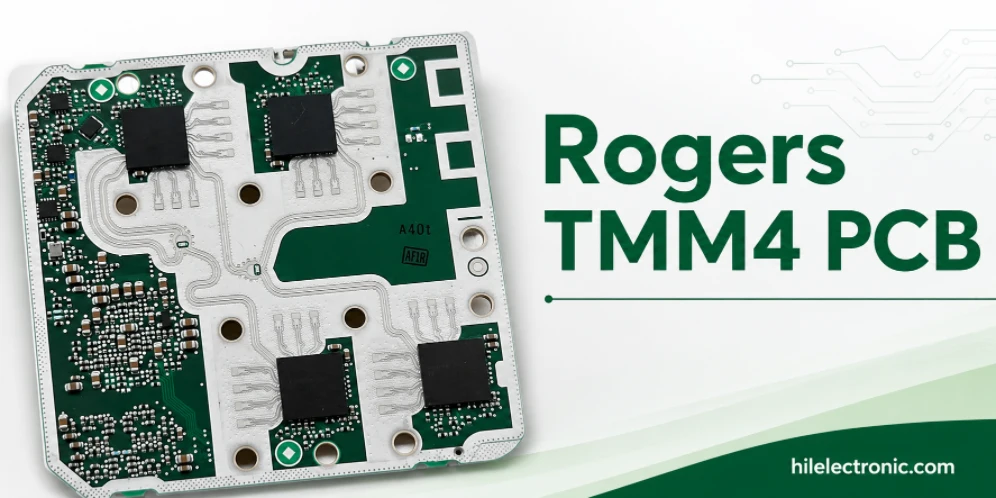
TMM4 Filter PCB Manufacturing
TMM4 filter PCB manufacturing is controlled by the...
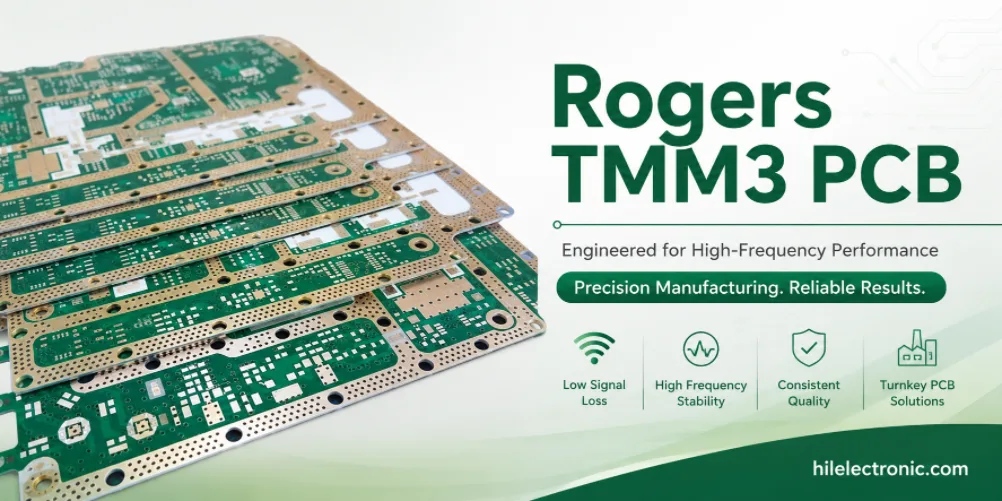
TMM3 PCB Manufacturing for RF Modules
TMM3 PCB manufacturing is most useful where the RF module...
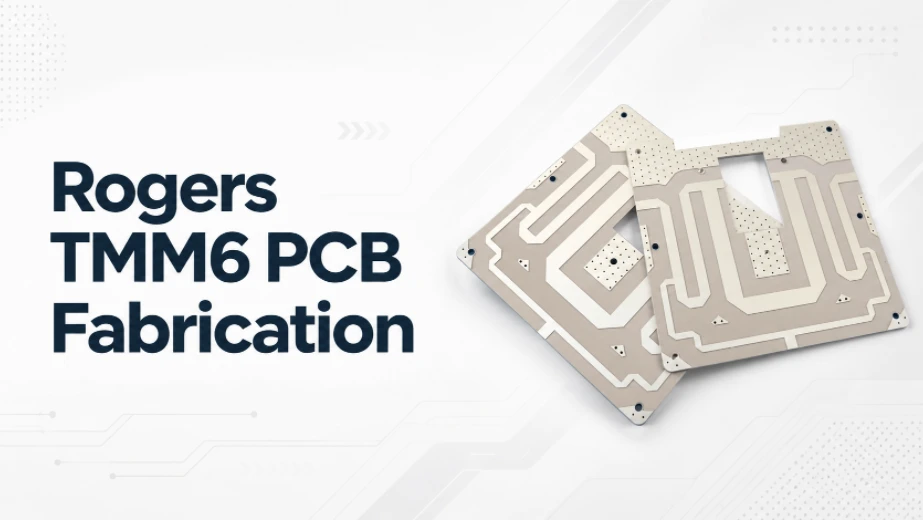
TMM6 PCB Fabrication
TMM6 fabrication is the process-control page for a mid-Dk...
TMM10 PCB Manufacturing for Compact RF Designs
Table of contentsHow TMM10 Shrinks RF StructuresTMM10 vs...
How to get a quote for PCBs
Let’s run DFM/DFA analysis for you and get back to you with a report. You can upload your files securely through our website. We require the following information in order to give you a quote:
-
- Gerber, ODB++, or .pcb, spec.
- BOM list if you require assembly
- Quantity
- Turn time
For PCBA services, please provide your BOM (Bill of Materials) and any specific assembly instructions. We also offer DFM/DFA analysis to optimize your designs for manufacturability and assembly, ensuring a smooth production process.