
Soldering Kit for PCB Rework and Prototyping

Figure 1. soldering kit for PCB rework core tools and consumables
A good soldering kit is built around a temperature-controlled iron and the consumables and support tools that make clean joints repeatable: solder, flux, desoldering tools, tweezers, magnification, tip care, and safety gear. What you actually need depends on the work, a beginner doing through-hole repairs needs far less than someone hand-soldering fine-pitch surface-mount parts. This guide walks through every category, explains what each item is for, and helps you assemble the right kit without overspending.
Key takeaways
- The heart of any kit is a temperature-controlled iron with interchangeable tips.
- Consumables matter as much as tools: the right solder and, above all, flux make joints easy.
- Desoldering tools (wick and a sucker or station) are needed for rework and repairs.
- Surface-mount work adds hot air, fine tips, and often solder paste to the kit.
- Ventilation, lead-safe handling, and eye protection are non-negotiable safety items.
Table of Contents
- What a Soldering Kit Should Include
- Soldering Iron and Tips
- Solder and Flux
- Desoldering Tools
- Tweezers, Magnification, and ESD Protection
- Soldering Kit Additions for SMD Work
- Soldering Safety Equipment
- How to Maintain a Soldering Kit
- Choosing a Soldering Kit: Beginner vs Pro
- Frequently Asked Questions
What a Soldering Kit Should Include
Before buying anything, decide what you will actually solder. The right kit follows from the task.
- Occasional through-hole repairs. A basic temperature-controlled iron, solder, flux, and wick will cover most jobs.
- Regular hobby and prototype work. Add good tweezers, magnification, a desoldering tool, and ESD protection.
- Surface-mount and fine-pitch work. Add a hot-air station, fine tips, and often solder paste.
There is also a point where a job is better sent out than soldered by hand at all, many fine-pitch or ball-grid parts, or more than a handful of boards, are faster and more reliable through a professional assembly service. A kit is for prototypes, repairs, and small builds; production is a different tool.
Soldering Iron and Tips
Two things define the quality of your soldering experience: the iron and its tips.
| Item | What it is and why |
|---|---|
| Temperature-controlled iron or station | Holds a set temperature so joints are consistent; the most important purchase |
| Conical tip | Fine, general-purpose tip for small joints and tight spots |
| Chisel tip | Flat edge that transfers heat well; good for drag soldering and larger joints |
| Tip cleaner (brass wool / damp sponge) | Keeps the tip clean and tinned for good heat transfer |
A controlled iron is worth prioritizing over almost anything else; a cheap, uncontrolled iron is the main reason beginners struggle. Brass wool cleans the tip without cooling it as much as a wet sponge, and a well-tinned tip transfers heat efficiently so joints form fast, which also protects pads from prolonged heating.
Solder and Flux
Consumables decide how the work feels day to day, and flux in particular separates easy soldering from frustrating soldering.
| Consumable | Notes |
|---|---|
| Leaded solder (60/40 or 63/37) | Easiest to work with; 63/37 is eutectic (sharp melting point); restricted in many products |
| Lead-free solder (SAC305) | Required for RoHS products; melts hotter, joints look duller |
| Rosin-core wire | Flux is inside the solder; convenient for general work |
| Separate flux (no-clean or rosin) | Extra flux for fine-pitch joints and rework; essential for SMD |
For learning and rework, leaded solder is the most forgiving; for compliant products, use lead-free and expect a hotter iron. A separate flux pen or paste is one of the cheapest, highest-impact additions to a kit, because most wetting problems are solved by more flux, not more heat. Whether residues need cleaning afterward depends on the flux type and the product’s requirements.
Desoldering Tools
Removing solder is half of real-world work, repairs, reworks, and corrections all need it.
- Solder wick (braid). Copper braid that, with flux and heat, soaks up molten solder; ideal for flat joints and bridges.
- Solder sucker / vacuum pump. A spring-loaded or bulb device that pulls molten solder from through-hole joints.
- Desoldering station. A heated vacuum tool that melts and removes solder in one step; the most capable option for through-hole work.
Whatever the tool, the rule is to add fresh solder and flux first so the existing joint melts cleanly, and to use as little heat and time as possible. Repeatedly reheating a pad while desoldering is a common cause of lifted pads, so gentle, efficient removal protects the board.
Tweezers, Magnification, and ESD Protection
These do not melt solder but make precise work possible.
- Fine tweezers (ESD-safe). Place and hold small components accurately.
- Helping hands or a board holder. Free your hands and steady the work.
- Magnification (loupe or microscope). You cannot reliably solder what you cannot clearly see, especially small parts.
- Flush cutters. Trim leads cleanly after soldering through-hole parts.
- ESD mat and wrist strap. Protect sensitive components from static damage.
- Multimeter. Verify connections and catch shorts your eye missed.
Magnification and ESD protection are the two upgrades people most often wish they had bought sooner. Both pay for themselves quickly once you work with modern, small components.
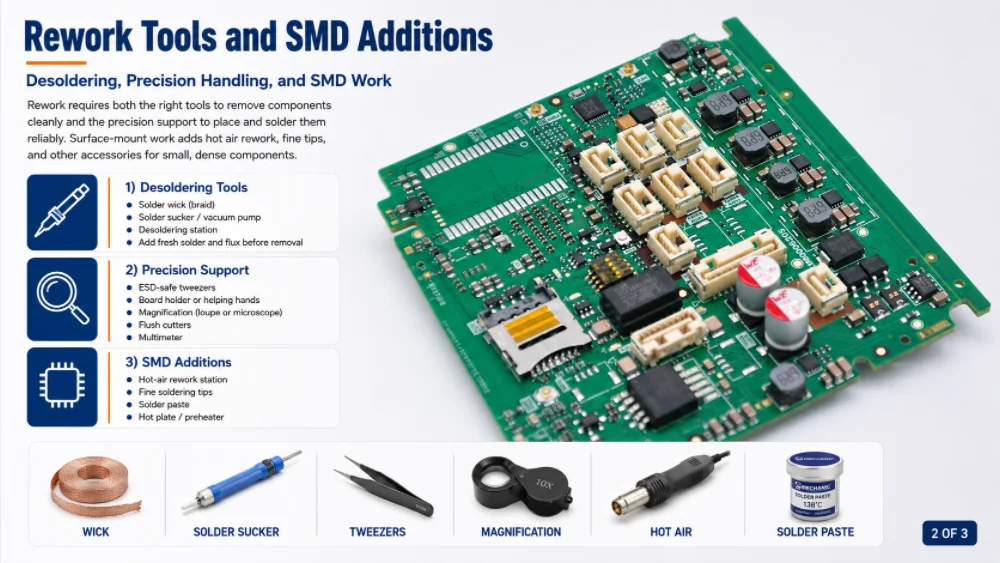
Figure 2. soldering kit for PCB rework tools and SMD additions
Soldering Kit Additions for SMD Work
Hand-soldering surface-mount parts beyond simple passives needs a few additions to the basic kit.
| Tool | Why it is needed |
|---|---|
| Hot-air rework station | Reflows leadless parts (QFN) and removes or replaces SMD parts |
| Fine tips | Control on small pads and fine-pitch leads |
| Solder paste | For QFNs and reflow work; applied to pads before heating |
| Hot plate / preheater | Warms the board to cut iron time and reflow from below |
Even with these, ball-grid (BGA) parts and very small passives like 0201 are impractical to do reliably by hand. Boards full of fine-pitch or leadless parts, especially the dense, high-density designs common in high-speed manufacturing, are best populated on an automated line, and the same files scale into high-volume assembly without redesign.
Soldering Safety Equipment
Soldering involves heat, fumes, and lead, so a few safety items belong in every kit.
- Ventilation or a fume extractor. Flux fumes should not be breathed; work in a ventilated space or use an extractor.
- Lead-safe handling. With leaded solder, wash hands afterward and never eat at the bench.
- Eye protection. Molten solder can spit, and trimmed leads can fly; safety glasses are cheap insurance.
- Heat awareness. A tip stand and care around the hot iron prevent burns and damage.
None of this is expensive or elaborate, but it turns soldering from a minor hazard into a safe, routine activity. Good ventilation in particular makes long sessions far more pleasant.
How to Maintain a Soldering Kit
A kit performs only as well as it is maintained, and a few habits keep it working and your joints clean.
| Item | Care |
|---|---|
| Iron tip | Keep tinned, clean on brass wool, and re-tin before storing |
| Solder | Store dry; lead-free has a limited shelf life |
| Flux | Keep capped; replace if dried out or contaminated |
| Wick / sucker | Replace wick when saturated; keep the sucker tip clear |
Beyond maintenance, the habits that produce good joints are simple: keep the tip clean and tinned, use enough flux, heat the joint rather than just the solder, and make each joint quickly. Brief, hot contact protects pads, the same principle that prevents lifted lands during rework.
When the kit is not the answer
No kit makes hand-soldering a hundred fine-pitch boards practical. For repeat builds, automated PCB assembly with proper stencils and reflow is faster and more consistent, and heavy or thermally demanding boards may use a metal-core substrate that hand tools cannot heat evenly. A quick design check confirms the board is ready before that step.
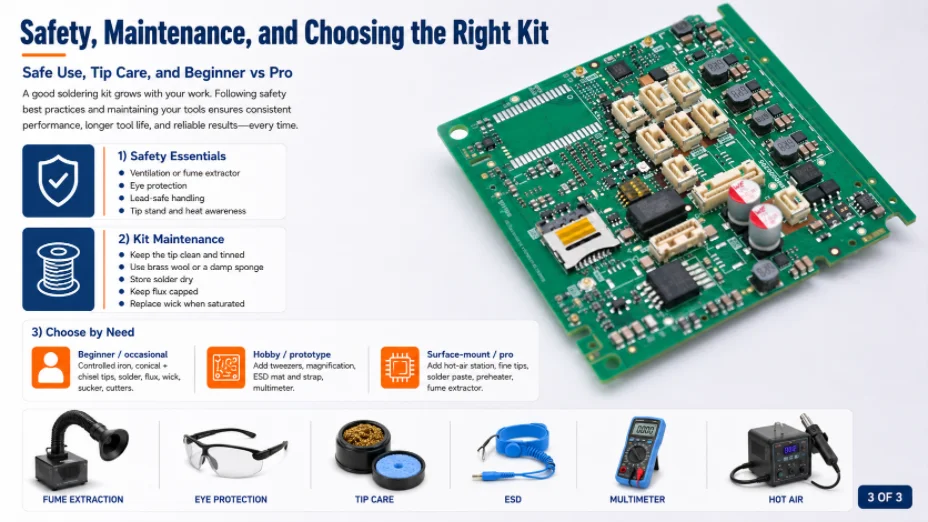
Figure 3. soldering kit safety maintenance and selection
Choosing a Soldering Kit: Beginner vs Pro
Matching the kit to your needs avoids both under-buying and overspending.
| Need | Recommended kit |
|---|---|
| Beginner / occasional | Controlled iron, conical and chisel tips, leaded rosin-core solder, flux, wick, sucker, cutters, tip cleaner |
| Hobby / prototype | Above plus ESD-safe tweezers, magnification, ESD mat and strap, multimeter |
| Surface-mount / pro | Above plus hot-air station, fine tips, solder paste, preheater, fume extractor |
Start with a solid controlled iron and good consumables, then add tools as your work demands them. A capable mid-range kit handles the vast majority of repairs and prototypes, and when a build outgrows hand soldering, a design review followed by professional fabrication and assembly is the next step.
Outgrown Your Kit? Get a Quote
Build your soldering kit around a temperature-controlled iron and good flux, add desoldering and support tools, and layer in hot air only when surface-mount work calls for it. Match the kit to the task and you will solder cleanly and safely. You can read more about Highleap Electronics and our prototype-to-production services.
Frequently Asked Questions
What is the most important item in a soldering kit?
A temperature-controlled iron or station. Stable, adjustable heat is what makes joints consistent and protects pads from prolonged heating. It is worth prioritizing over almost anything else, since a cheap, uncontrolled iron is the main reason beginners struggle.
Should a beginner use leaded or lead-free solder?
Leaded solder, such as 63/37, is the most forgiving to learn with because it melts lower and flows easily. Switch to lead-free (SAC305) for products that must comply with RoHS, expecting a hotter iron and a duller finish. Either way, keep separate flux on hand.
Do I need flux if my solder already has a rosin core?
For basic through-hole work the core flux is often enough, but a separate flux pen or paste is one of the cheapest, highest-impact additions, especially for fine-pitch and surface-mount joints. Most wetting problems are solved with more flux rather than more heat.
What desoldering tools should I include?
At minimum, solder wick for flat joints and bridges, and a solder sucker or vacuum pump for through-hole joints. A heated desoldering station is the most capable option for frequent through-hole rework. Always add fresh solder and flux first and use as little heat as possible to avoid lifting pads.
What extra tools do I need for surface-mount soldering?
A hot-air rework station, fine tips, and often solder paste, plus a preheater for larger boards. These let you handle leadless QFNs and SMD rework. Ball-grid parts and very small passives like 0201, however, are impractical by hand and are better placed on an automated line.
What safety gear does soldering require?
Ventilation or a fume extractor so you do not breathe flux fumes, lead-safe habits (wash hands, do not eat at the bench) when using leaded solder, and eye protection against solder spit and trimmed leads. A tip stand and general heat awareness prevent burns.
When should I stop hand-soldering and use an assembly service?
When a board has many fine-pitch or leadless parts, uses BGAs, or runs to more than a handful of units. At that point an automated assembly line is faster, more reliable, and often cheaper, and the same design files scale to higher volumes without rework.
How do I take care of my soldering iron tip?
Keep it clean and tinned: wipe it on brass wool, which is gentler than a wet sponge, apply fresh solder before setting it down, and re-tin it before storage so it does not oxidize. A clean, tinned tip transfers heat efficiently, meaning faster joints and less risk of overheating pads.
Does solder or flux expire?
Flux can dry out or become contaminated and should be replaced when it stops flowing well, and lead-free solder has a limited shelf life. Store solder dry and keep flux capped. Fresh, clean consumables noticeably improve wetting and reduce the heat and time each joint needs.

Recommended Posts
TMM4 Filter PCB Manufacturing
TMM4 filter PCB manufacturing is controlled by the...
TMM3 PCB Manufacturing for RF Modules
TMM3 PCB manufacturing is most useful where the RF module...
TMM6 PCB Fabrication
TMM6 fabrication is the process-control page for a mid-Dk...
TMM10 PCB Manufacturing for Compact RF Designs
Table of contentsHow TMM10 Shrinks RF StructuresTMM10 vs...
How to get a quote for PCBs
Let‘s run DFM/DFA analysis for you and get back to you with a report. You can upload your files securely through our website. We require the following information in order to give you a quote:
-
- Gerber, ODB++, or .pcb, spec.
- BOM list if you require assembly
- Quantity
- Turn time
For PCBA services, please provide your BOM (Bill of Materials) and any specific assembly instructions. We also offer DFM/DFA analysis to optimize your designs for manufacturability and assembly, ensuring a smooth production process.