
PCB Cleaning After Soldering: Residue and Methods
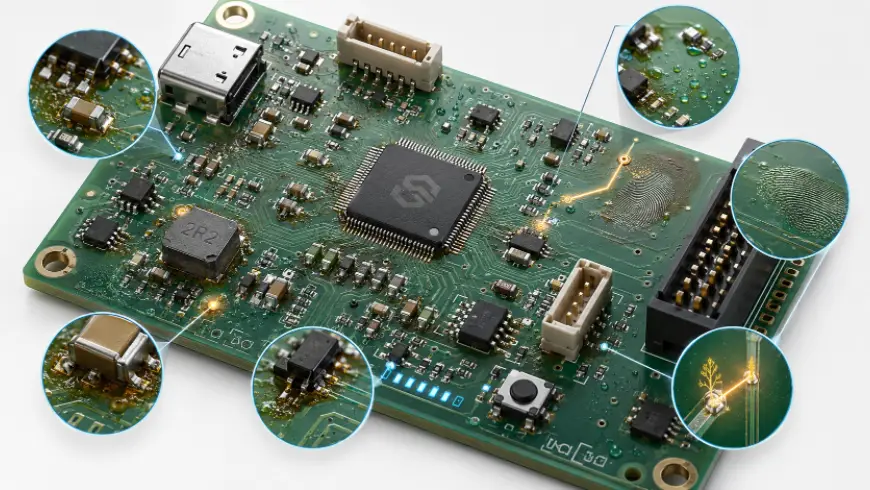
Figure 1. PCB cleaning contamination and failure risk detection
A PCB is cleaned to remove flux residue, ionic contamination, and particulates that can cause corrosion, leakage currents, and long-term reliability failures. Cleaning a PCB matters most before conformal coating, on high-reliability and high-impedance boards, and under low-standoff fine-pitch parts where residue gets trapped. Not every board needs it, modern no-clean processes are designed to leave benign residue, but knowing when and how to clean is essential to building boards that last. This guide explains what residues do, when cleaning is required, the common methods, and how cleanliness is verified.
Key takeaways
- Cleaning removes flux residue and ionic contamination that can corrode copper and cause leakage.
- Ionic residue can drive electrochemical migration and dendrite growth, creating shorts over time.
- No-clean flux is designed to stay, but cleaning is still needed before coating and on high-reliability boards.
- Common methods include deionized water with a saponifier, solvent (IPA), aqueous wash systems, and ultrasonic cleaning.
- Cleanliness is verified by ionic contamination testing, ion chromatography, and surface insulation resistance.
What PCB Cleaning Removes
Cleaning is the removal of process residues left on a board after soldering, mainly flux residue, but also ionic contamination, handling oils, and particulates.
Where the residue comes from
Flux is essential to soldering, it cleans the metal so solder wets, but it leaves a residue behind. Depending on the flux chemistry, that residue ranges from a benign film to an active, hygroscopic material that attracts moisture and can corrode. Add fingerprints, dust, and salts from handling, and a finished board can carry contamination that is invisible but electrically significant.
Cleaning as a deliberate step
Whether to clean is a decision, not an afterthought, and it depends on the flux used, the product’s reliability needs, and whether the board will be coated. On a production line, cleaning is integrated into the flow during PCB assembly, with the method matched to the flux and the acceptance requirements.
Why Flux Residue Is a Problem
Residues are not just cosmetic. The wrong residue, left in the wrong place, causes real electrical and mechanical failures.
| Problem | What happens |
|---|---|
| Corrosion | Active residue attacks copper and component leads over time |
| Leakage currents | Ionic residue lowers surface insulation, allowing stray currents |
| Electrochemical migration | Under voltage and humidity, metal migrates and dendrites can short conductors |
| Poor coating adhesion | Conformal coating will not bond reliably over dirty surfaces |
The most insidious of these is electrochemical migration: under bias and moisture, ionic contamination lets conductive dendrites grow between adjacent conductors until they short. Because it develops over time, a board can pass at the factory and fail months later in the field. Reduced surface insulation resistance from ionic residue is the measurable precursor, which is why cleanliness is taken seriously on demanding boards.
No-Clean Flux: Do You Still Need to Clean?
Much modern assembly uses no-clean flux, which raises a fair question: if it is no-clean, why clean at all?
No-clean flux is formulated to leave a minimal, essentially non-corrosive residue that is safe to leave on the board in many applications. For a lot of commercial electronics, that is exactly what happens, the board is not cleaned, and it is fine. The label is accurate within its intended use.
The nuance is that “no-clean” assumes the residue stays untouched and the application tolerates it. If you apply conformal coating over it, mix it with another flux chemistry, or build a high-reliability or high-impedance circuit, the residue can become a problem after all. In those cases, even a no-clean board should be cleaned. Treating “no-clean” as “never clean” is the common mistake.
Cleaning Needs by Flux Type
The flux you solder with is the biggest single factor in whether a board must be cleaned.
| Flux type | Residue | Typically cleaned? |
|---|---|---|
| No-clean | Minimal, designed to be benign | Usually no, unless coating or high-reliability |
| Rosin (RMA / RA) | Rosin residue; activated grades more aggressive | Often yes, especially activated types |
| Water-soluble (organic acid) | Highly active; corrosive if left | Always, with water-based cleaning |
| Mixed chemistries | Unpredictable, can become corrosive | Yes, to be safe |
Water-soluble flux is the clearest case: its residue is aggressive and must always be removed with water-based cleaning. Rosin fluxes leave a residue that often needs cleaning, particularly the more activated grades. No-clean is the exception that can usually stay, within its intended use. Identify the flux first, then match the cleaning step to it during controlled board assembly.
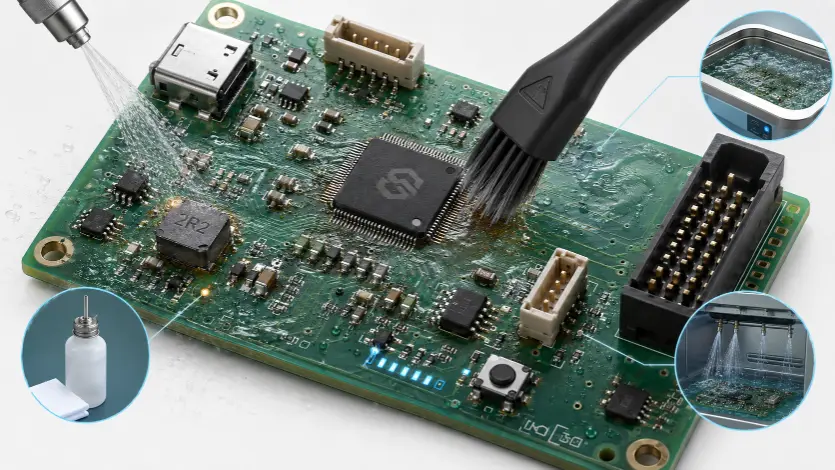
Figure 2. PCB cleaning residue removal process
When PCB Cleaning Is Required
Several situations tip the decision firmly toward cleaning, regardless of flux type.
- Before conformal coating. Coating must bond to a clean surface, and it can trap residue underneath if not.
- High-reliability products. Medical, aerospace, automotive-safety, and other Class 3 work typically requires cleaning and cleanliness verification.
- Fine-pitch and low-standoff parts. Residue is hard to remove from under tightly spaced or low-clearance components, so it must be addressed deliberately.
- High-impedance or high-voltage circuits. Tiny leakage currents matter here, so surface cleanliness is critical, including on sensitive analog and high-speed designs.
- Mixed flux chemistries. Combining fluxes can create residues that are corrosive even when each alone is not.
These factors are best identified early. A design and process review can flag a coating requirement or a cleanliness-critical circuit before the board is built, so the right cleaning step is planned rather than discovered later.
PCB Cleaning Methods Compared
There are several established ways to clean a board, each suited to particular residues and volumes.
| Method | Notes |
|---|---|
| Deionized water + saponifier | Effective for water-soluble and many residues; requires thorough drying |
| Solvent (e.g. IPA) | Good for spot cleaning and rosin residues; use with ventilation |
| Aqueous wash system | Inline or batch machines for consistent production cleaning |
| Ultrasonic | Very effective, but use caution with sensitive parts and fine wires |
For bench work, isopropyl alcohol and a brush handle most spot cleaning. For production, an aqueous wash system with proper rinsing and drying gives consistent results across a batch. After any water-based cleaning, the board must be dried fully, since trapped moisture is its own reliability risk. The method should match the flux chemistry, water-soluble flux needs water-based cleaning, for example.
How to Verify PCB Cleanliness
On boards where cleanliness matters, you do not just clean, you verify. Several standardized tests quantify how clean a board really is.
- Ionic contamination testing. Measures the total ionic residue on a board, a quick overall cleanliness indicator.
- Ion chromatography. Identifies and quantifies specific ionic species for a detailed picture.
- Surface insulation resistance (SIR). Checks whether the surface still insulates under heat and humidity, the property residue degrades.
These procedures are defined in IPC’s test methods manual, with acceptance limits set by the soldering standard or your own specification. Using a defined method means a cleanliness result from one lab is comparable to another, the same principle of standardized testing that underpins quality across PCB manufacturing.
Bench vs Production PCB Cleaning
How cleaning is done depends a lot on scale.
- At the bench: IPA and a brush, careful drying, and visual inspection cover repairs and prototypes.
- In production: the cleaning step is integrated and controlled, with consistent chemistry, rinsing, drying, and verification.
The production approach matters most as volumes grow, because cleanliness must be repeatable across every board, not just the one in front of you. That consistency is part of dependable high-volume assembly, where a controlled cleaning and verification process keeps reliability stable from the first board to the last. Thermally heavy boards, such as metal-core assemblies, follow the same cleanliness discipline.
Discuss Cleanliness Requirements
Cleaning a PCB protects it from corrosion, leakage, and migration failures, matters most before coating and on high-reliability boards, and is verified by standardized cleanliness tests. Match the method to the flux, clean when the application demands it, and verify when reliability is on the line. You can read more about Highleap Electronics and our assembly and cleanliness processes.
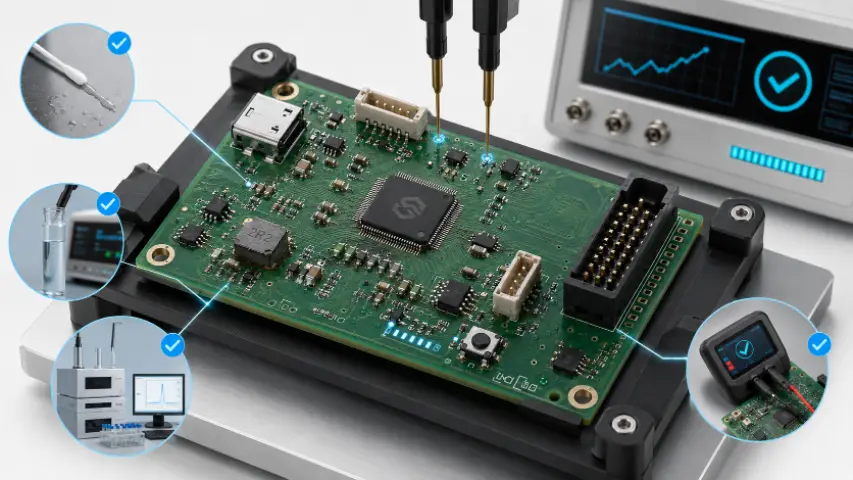
Figure 3. PCB cleaning cleanliness verification and reliability check
Frequently Asked Questions
Why does a PCB need to be cleaned at all?
To remove flux residue and ionic contamination that can corrode copper, lower surface insulation, and cause leakage or dendrite-driven shorts over time. Cleaning is also essential before conformal coating, which will not bond reliably over a dirty surface. Whether it is needed depends on the flux, the application, and the reliability requirements.
If I use no-clean flux, do I still need to clean?
Often not, because no-clean residue is designed to be benign and left in place for many commercial products. But you should still clean before applying conformal coating, on high-reliability or high-impedance boards, and when mixing flux chemistries. “No-clean” assumes the residue stays untouched and the application tolerates it.
What problems do flux residues cause?
Active or hygroscopic residue can corrode copper and leads, lower surface insulation resistance, and, under voltage and humidity, drive electrochemical migration that grows conductive dendrites and shorts conductors. Because these develop over time, a contaminated board may pass initially and fail later in the field.
What are the common ways to clean a PCB?
Deionized water with a saponifier, solvent such as isopropyl alcohol, inline or batch aqueous wash systems, and ultrasonic cleaning. Bench repairs usually use IPA and a brush; production uses controlled wash systems. After any water-based cleaning, the board must be dried fully to avoid trapping moisture.
When is cleaning absolutely required?
Before conformal coating, on high-reliability (Class 3) products, under fine-pitch or low-standoff parts where residue is trapped, on high-impedance or high-voltage circuits where leakage matters, and whenever flux chemistries are mixed. In these cases cleaning should be planned into the process rather than skipped.
How do you verify that a board is clean?
With standardized tests: ionic contamination testing for an overall measure, ion chromatography to identify specific species, and surface insulation resistance to confirm the surface still insulates under heat and humidity. These use defined test methods with acceptance limits from a soldering standard or customer specification.
Can ultrasonic cleaning damage components?
It can affect sensitive parts and fine internal wires, so it is used with caution and is not appropriate for every assembly. It is very effective at removing residue, but the components on the board must be suitable for it. When in doubt, an aqueous wash or solvent method is gentler.
Does the type of flux decide whether I must clean?
Largely yes. Water-soluble (organic-acid) flux leaves an aggressive residue that must always be removed with water-based cleaning. Rosin fluxes, especially activated grades, usually need cleaning too. No-clean flux can typically stay in place within its intended use. Identify the flux first, then match the cleaning method to it.
What happens if I coat a board without cleaning it first?
Conformal coating may not adhere properly and can trap residue against the board, where it continues to attract moisture and corrode. The result can be poor coating performance and reliability problems that are hard to fix later. Cleaning before coating is one of the most important reasons to clean at all.
Is cleaning more important for high-density boards?
Yes. Fine-pitch and low-standoff parts leave little clearance, so residue gets trapped underneath where it is hard to remove and close to tightly spaced conductors. On dense or high-impedance boards like many high-speed and RF layouts, that trapped residue is more likely to cause leakage or migration, so deliberate cleaning and verification matter more.

Recommended Posts
TMM4 Filter PCB Manufacturing
TMM4 filter PCB manufacturing is controlled by the...
TMM3 PCB Manufacturing for RF Modules
TMM3 PCB manufacturing is most useful where the RF module...
TMM6 PCB Fabrication
TMM6 fabrication is the process-control page for a mid-Dk...
TMM10 PCB Manufacturing for Compact RF Designs
Table of contentsHow TMM10 Shrinks RF StructuresTMM10 vs...
How to get a quote for PCBs
Let‘s run DFM/DFA analysis for you and get back to you with a report. You can upload your files securely through our website. We require the following information in order to give you a quote:
-
- Gerber, ODB++, or .pcb, spec.
- BOM list if you require assembly
- Quantity
- Turn time
For PCBA services, please provide your BOM (Bill of Materials) and any specific assembly instructions. We also offer DFM/DFA analysis to optimize your designs for manufacturability and assembly, ensuring a smooth production process.