
Partial Turnkey PCB Assembly Services
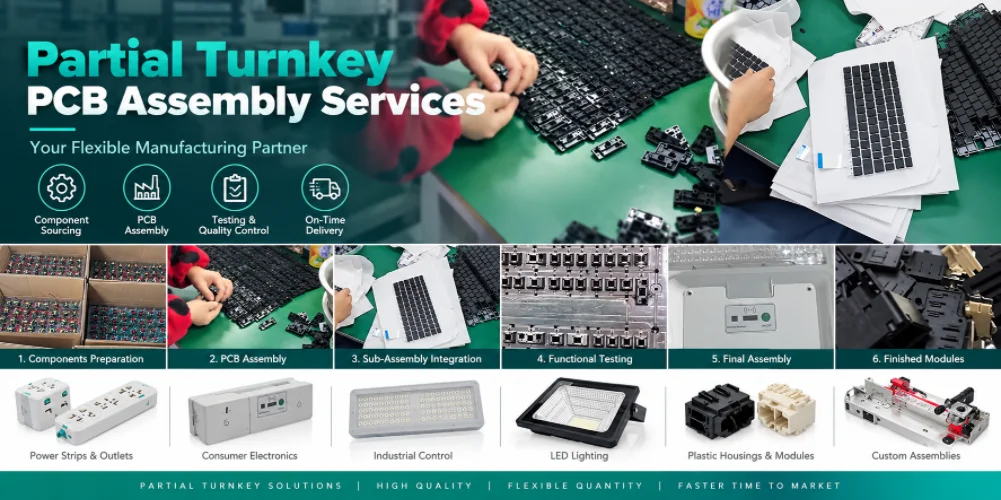
Partial turnkey PCB assembly gives customers control over selected components while the manufacturer manages the remaining sourcing and production scope. Highleap Electronics supports this model for PCB manufacturing and PCBA projects where certain parts are customer-supplied and the balance of the BOM is sourced by the factory.
- Partial Turnkey PCB Assembly for Flexible Procurement
- Customer-Supplied Components and Manufacturer-Sourced Parts
- Partial Turnkey PCB Assembly Quote Requirements
- PCB Manufacturing and SMT / Through-Hole Assembly
- BOM Control, Component Verification and Production Traceability
- Partial Turnkey vs Full Turnkey vs Consigned PCB Assembly
- Prototype, Production and Repeat-Order Support
Partial Turnkey PCB Assembly for Flexible Procurement
Partial turnkey assembly is useful when a customer does not want to transfer the entire component purchasing scope to the manufacturer. Selected components can remain customer-supplied, while Highleap sources the remaining approved BOM items and coordinates PCB fabrication and assembly.
The key requirement is a clear division of responsibility: which components are supplied by the customer, which components are sourced by Highleap, and which PCB fabrication and assembly operations are included in the order.
| Procurement model | Customer responsibility | Manufacturer responsibility |
|---|---|---|
| Partial turnkey | Supplies selected components or controlled parts. | Sources the remaining BOM items and performs the agreed PCB manufacturing and assembly scope. |
| Full turnkey | Provides the released design and production requirements. | Manages component sourcing, PCB fabrication and assembly within the agreed scope. |
| Consigned assembly | Supplies the components required for assembly. | Performs the agreed assembly and manufacturing operations. |
For customers evaluating a fully managed supply chain, see turnkey PCB assembly. For projects where the customer supplies the complete component set, see consigned PCB assembly.
When Partial Turnkey PCB Assembly Makes Commercial Sense
- Approved or controlled components: certain parts must come from a customer-approved source or existing inventory.
- Customer-owned inventory: available components can be shipped to the factory while the remaining BOM is sourced locally.
- Strategic components: high-value, application-specific or customer-controlled parts remain under the customer’s purchasing responsibility.
- Mixed sourcing: the customer wants one manufacturing partner but does not need the factory to purchase every BOM line.
Customer-Supplied Components and Manufacturer-Sourced Parts
The most important part of a partial turnkey order is separating the BOM into two controlled groups. Highleap can then quote and manage the manufacturer-sourced portion without treating customer-supplied parts as factory-purchased inventory. Where customers provide part of the material package, kit readiness for assembly release should reconcile quantities, shortages and approved alternates before line setup.
| Customer may supply | Highleap may source |
|---|---|
| Customer-approved ICs or application-specific devices | Resistors, capacitors and inductors |
| Existing customer inventory | Diodes, transistors and other standard semiconductors |
| Controlled connectors or electromechanical parts | Connectors, switches and standard electromechanical components when approved |
| Other parts designated as customer-supplied in the BOM | Remaining BOM items according to the released part numbers and sourcing requirements |
Component sourcing is subject to the released BOM, approved manufacturers or part numbers, availability and the commercial requirements of the project. Highleap’s component sourcing service can be used for the manufacturer-sourced portion of the order.
How to Mark Customer-Supplied Components in the BOM
A production BOM should identify customer-supplied components explicitly rather than relying on email instructions. A separate status field such as “Customer Supplied” and “Factory Sourced” makes the procurement boundary easier to verify during quotation and purchasing.
| BOM information | Why it matters |
|---|---|
| Internal reference designator | Connects the component to the PCB assembly location. |
| Manufacturer part number | Defines the exact component intended for production. |
| Approved manufacturer | Controls sourcing where manufacturer restrictions apply. |
| Quantity per board | Allows the sourcing quantity to be calculated against the order quantity. |
| Supply responsibility | Identifies customer-supplied versus manufacturer-sourced parts. |
Partial Turnkey PCB Assembly Quote Requirements
A partial turnkey quote is more accurate when the PCB fabrication, assembly and procurement responsibilities are defined before pricing. Highleap can review the released production package and separate the sourcing scope from the customer-supplied material scope.
- PCB fabrication data: provide the current Gerber or other accepted fabrication files and board specifications.
- Assembly BOM: provide the complete BOM with part numbers, quantities and supply responsibility.
- Customer-supplied parts list: identify the components that will be shipped to Highleap.
- Assembly data: provide pick-and-place data, assembly drawings and polarity/orientation information where applicable.
- Quantity and schedule: specify prototype, pilot or production quantity and the required delivery schedule.
- Testing requirements: identify AOI, electrical, functional or customer-defined testing requirements.
Customers can submit the project package through the PCB assembly quote process. For documentation requirements, see PCB assembly files.
What Should Be Included in a Partial Turnkey RFQ?
| RFQ item | Required decision |
|---|---|
| PCB fabrication | Board specification, layer count, material and required quantity. |
| Assembly | SMT, through-hole or mixed technology requirements. |
| Component sourcing | Which BOM lines Highleap should source. |
| Customer material | Which components the customer will supply and in what quantity. |
| Testing | Required inspection and electrical or functional verification. |
HIGHLEAP ELECTRONICS • PCB MANUFACTURING & PCBA
Send your PCB files, BOM, customer-supplied component list and required production quantity. Highleap can review the sourcing split and quote the agreed PCB manufacturing and assembly scope.
PCB Manufacturing and SMT / Through-Hole Assembly
Partial turnkey does not change the basic manufacturing controls required for a reliable PCBA. The PCB must be fabricated to the released design, sourced components must match the approved BOM, and assembly must follow the released placement and process data.
See circuit board manufacturing, SMT PCB assembly and through-hole PCB assembly for related manufacturing capabilities.
Assembly Controls for Customer-Supplied Parts
Customer-supplied components should arrive with enough information for receiving and production verification. Part number, quantity, packaging condition and the relationship to the released BOM should be clear. If a customer supplies reels, trays, tubes or other packaging, the factory should use the agreed receiving and handling requirements for that material.
Inspection and Testing After Assembly
Inspection and testing should match the actual product requirements. Depending on the released project scope, this can include visual inspection, AOI, solder-joint inspection, placement verification, electrical testing or customer-defined functional testing.
Highleap provides PCBA test methods for projects where testing is part of the manufacturing requirement.
BOM Control, Component Verification and Production Traceability
The biggest practical risk in partial turnkey assembly is not the concept of mixed sourcing itself; it is an unclear procurement boundary or inconsistent revision data. A controlled BOM helps prevent the wrong component from being purchased or assembled.
| Control point | Production purpose |
|---|---|
| BOM revision | Ensures purchasing and assembly use the same released revision. |
| Part number verification | Confirms sourced components correspond to the approved BOM. |
| Customer material identification | Keeps customer-supplied inventory separate from factory-sourced material. |
| Quantity reconciliation | Checks received material against the production requirement. |
| Assembly data consistency | Aligns BOM, placement data and assembly drawings. |
Managing BOM Changes During Production
If a component is substituted, discontinued or otherwise changed, the replacement should not be treated as an informal purchasing decision. The approved part number, manufacturer requirements and customer approval rules should be followed before the change enters production.
For projects involving an incomplete or reconstructed BOM, Highleap also provides a PCB BOM reconstruction resource. This is a different engineering scope from a normal released-design partial turnkey order.
Partial Turnkey vs Full Turnkey vs Consigned PCB Assembly
Choosing the right procurement model depends on who controls component purchasing. The three models should remain distinct so the RFQ reflects the actual commercial and manufacturing responsibility.
| Requirement | Partial turnkey | Full turnkey | Consigned assembly |
|---|---|---|---|
| Customer supplies selected components | Yes | Normally no | May supply all required components |
| Manufacturer sources remaining BOM | Yes | Yes | Normally no |
| PCB fabrication | As quoted | As quoted | As quoted |
| Assembly | As quoted | As quoted | As quoted |
| Best fit | Mixed procurement responsibility | Single-source procurement and manufacturing | Customer-controlled component supply |
Which Model Should You Use for Your RFQ?
- Choose partial turnkey when some components must remain under customer control but the factory should source the balance.
- Choose full turnkey when the customer wants the manufacturer to manage the complete component procurement scope.
- Choose consigned assembly when the customer provides the components required for assembly and the factory focuses on the agreed manufacturing operations.
Prototype, Production and Repeat-Order Support
Partial turnkey PCB assembly can be used for prototype builds as well as production orders when the procurement responsibilities are defined clearly. The same sourcing split can then be carried into repeat orders, subject to BOM revisions, component availability and customer requirements.
Prototype and Pilot Builds
For an initial build, the customer may supply engineering-controlled parts while Highleap sources standard components. This can simplify the first procurement cycle while allowing the customer to retain control over selected devices.
For smaller production requirements, see low-volume PCB assembly.
Repeat Production Requires Revision Control
A repeat order should not automatically reuse an old sourcing list if the released BOM or approved manufacturer list has changed. The production revision should be checked before purchasing begins, particularly for customer-supplied components that may have been consumed or replaced since the previous build.
Submit Your Partial Turnkey PCB Assembly Project
For a quotation, provide the PCB fabrication files, complete BOM, customer-supplied component list, assembly files, required quantity and testing requirements. Highleap Electronics can then evaluate the manufacturing and sourcing scope and return a quotation based on the actual project requirements.
HIGHLEAP ELECTRONICS • PCB MANUFACTURING & PCBA
Keep selected components under your control while Highleap manages the remaining sourcing and agreed PCB manufacturing and assembly operations.

Recommended Posts
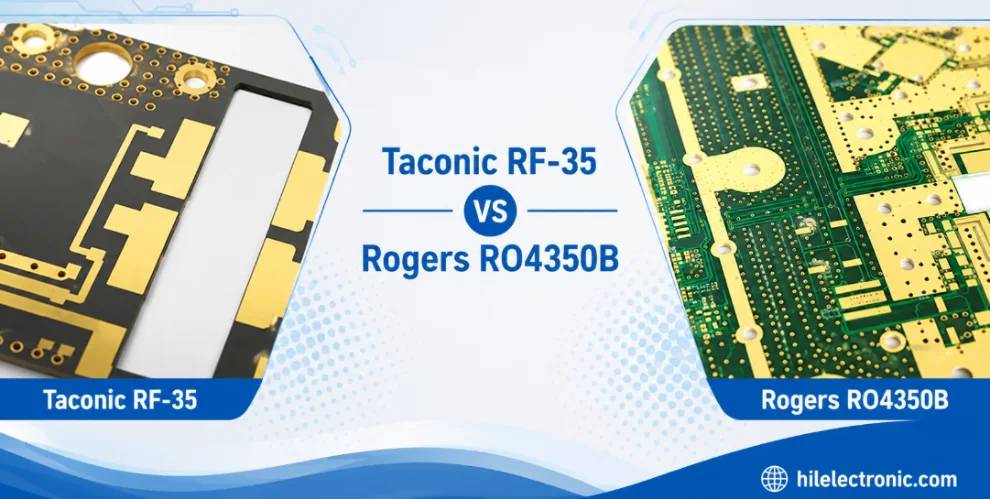
Taconic RF 35 vs RO4350B PCB
Table of contentsRF-35 vs RO4350B Procurement and...
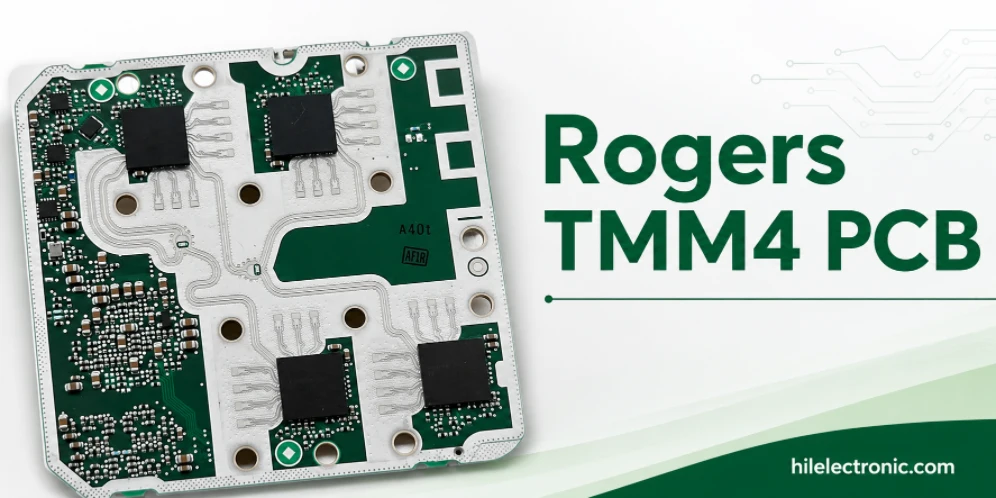
TMM4 Filter PCB Manufacturing
TMM4 filter PCB manufacturing is controlled by the...
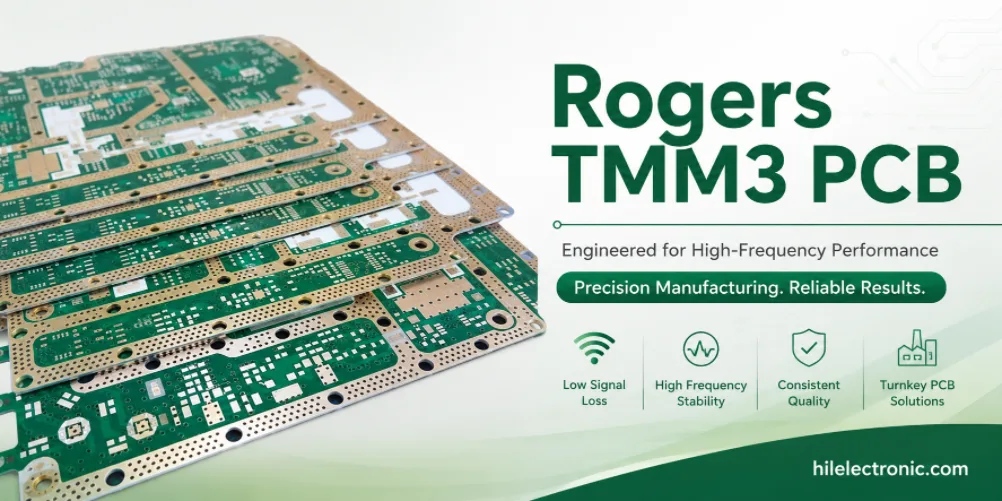
TMM3 PCB Manufacturing for RF Modules
TMM3 PCB manufacturing is most useful where the RF module...
TMM6 PCB Fabrication
TMM6 fabrication is the process-control page for a mid-Dk...
How to get a quote for PCBs
Let’s run DFM/DFA analysis for you and get back to you with a report. You can upload your files securely through our website. We require the following information in order to give you a quote:
-
- Gerber, ODB++, or .pcb, spec.
- BOM list if you require assembly
- Quantity
- Turn time
For PCBA services, please provide your BOM (Bill of Materials) and any specific assembly instructions. We also offer DFM/DFA analysis to optimize your designs for manufacturability and assembly, ensuring a smooth production process.