
Private Label Electronics Assembly for Branded Products
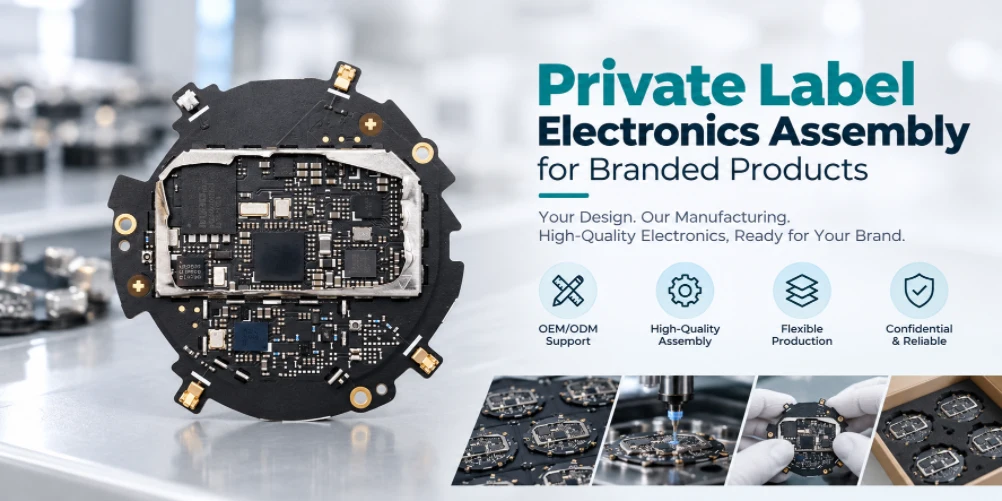
Private label electronics assembly is a manufacturing model in which an electronics product, PCB assembly, or defined production package is built for a customer and prepared for sale under the customer’s own brand. For product companies, distributors and emerging brands, the manufacturing scope may include PCB manufacturing, component sourcing, SMT assembly, through-hole assembly, inspection, testing and, where agreed, downstream labeling or packaging requirements.
- What Private Label Electronics Assembly Means
- Private Label Electronics Manufacturing Scope
- Private Label PCB Assembly and Production Technologies
- Product Files, BOM and Manufacturing Readiness
- Component Sourcing for Private Label Electronics
- Quality Control, Inspection and Testing
- From Prototype to Private Label Production
- Long-Term Support for Private Label Electronics Production
What Private Label Electronics Assembly Means
Private label electronics is primarily about how a product is manufactured and sold under a customer’s brand. The customer may own the product concept, specifications, design files or finished-product requirements, while an external factory performs the agreed manufacturing work. The exact arrangement can range from PCB assembly to a broader electronics production program.
That distinction matters because private label electronics assembly does not automatically mean that every supplier performs product design, enclosure manufacturing, packaging and complete box-build production. A professional quotation should state exactly which manufacturing activities are included and which remain with the brand owner.
Private Label vs. OEM Electronics Assembly
OEM electronics assembly generally describes manufacturing products for an original equipment brand or product company, while private label emphasizes the commercial use of the customer’s own brand on a product manufactured by an external supplier. In practice, the two models can overlap. The important issue for procurement is the actual production responsibility, product ownership and branding requirements.
Private Label vs. ODM
ODM programs may start with a manufacturer’s existing product platform or design capability and then adapt the product for a customer. Private label production can use either a customer-owned design or a manufacturer-supported product, depending on the commercial arrangement. If your project already has a released PCB, BOM and assembly data, the manufacturing discussion should focus first on production execution rather than assuming a new product-design scope.
For a released product that needs a dedicated manufacturing relationship, professional electronics assembly services can be structured around the customer’s approved files and production requirements.
Private Label Electronics Manufacturing Scope
A private label electronics project becomes easier to quote when the product and manufacturing boundary are defined clearly. Depending on the project, the factory scope may include bare PCB fabrication, component purchasing, PCB assembly, inspection, electrical testing and functional verification. If labeling, packaging or final product assembly is required, those operations should be explicitly included in the manufacturing specification.
What a Private Label Electronics Factory Should Be Able to Clarify
- Whether the factory manufactures the bare PCB, assembles the PCB, or supports both stages.
- Whether components are customer-supplied, factory-sourced, or split between both parties.
- Which assembly technologies are available for the product configuration.
- Which inspection and test methods can be included in production.
- Whether product-level labeling, packaging or box-build work is within the agreed scope.
- How revisions, approved substitutions and production documentation are controlled.
For projects where the factory is expected to manage the complete approved BOM as part of production, turnkey PCB assembly production may provide a suitable procurement model. Where the customer supplies selected materials, the production scope can instead be structured around those customer-controlled items.
Private Label PCB Assembly and Production Technologies
The electronics inside a private label product still have to meet the same manufacturing requirements as any other commercial product. Component package selection, PCB construction, placement accuracy, soldering requirements and testing must follow the released design. A private label brand does not replace the need for controlled electronics manufacturing.
SMT Assembly for Private Label Electronics
SMT is commonly used for compact control boards, consumer devices, industrial electronics and other products where automated component placement is appropriate. The BOM, centroid data, component orientation and assembly notes should remain synchronized throughout production.
For products built primarily with surface-mount components, SMT assembly production can form the main PCBA manufacturing stage.
Through-Hole and Mixed-Technology Assembly
Connectors, terminals, switches and mechanically stressed components may require through-hole assembly. Many commercial products combine SMT and through-hole components, making the production sequence and soldering requirements important parts of the manufacturing plan.
When both technologies are required, through-hole PCB assembly can be incorporated alongside surface-mount production according to the released design.
Prototype, Pilot and Production Builds
Private label products often begin with engineering samples or pilot quantities before moving into repeat production. Early builds can expose component availability issues, assembly constraints, documentation gaps and test requirements that should be resolved before larger manufacturing runs.
Product Files, BOM and Manufacturing Readiness
A private label electronics manufacturer needs enough information to build the correct product revision. A company logo or product name is not enough to define the production package. The factory needs controlled manufacturing data that describes what is being built and how it should be assembled and tested.
- Product definition: Identify the exact product version, quantity and intended manufacturing stage.
- PCB data: Provide approved fabrication information for the bare board when PCB manufacturing is included.
- BOM: Supply the current component list with manufacturer part numbers and approved alternatives where applicable.
- Assembly data: Provide placement data, assembly drawings, polarity information and special production notes.
- Testing requirements: Define electrical, functional or other product-specific checks required after assembly.
- Branding scope: Identify any agreed labeling, packaging or product-identification requirements separately from the PCB assembly data.
A manufacturing-oriented DFM review can help identify issues that could affect production before the product enters the assembly line.
Why Revision Control Matters for Private Label Products
A branded product may remain commercially unchanged while its PCB, component or firmware-related production configuration changes. For that reason, the factory should build from a controlled revision rather than relying on an old email attachment or an outdated BOM. Changes to critical components, PCB revisions or assembly instructions should be reflected in the approved production package.
Private Label Electronics Assembly Files
A useful manufacturing package normally includes PCB fabrication data, BOM, placement files, assembly drawings and applicable test information. The required documents depend on the product, but the objective is always the same: give production a consistent source of truth.
Component Sourcing for Private Label Electronics
Component sourcing can be one of the biggest differences between a simple assembly order and a broader private label manufacturing relationship. A brand owner may want the factory to purchase the complete BOM, source only selected parts, or assemble customer-supplied components.
Private Label Electronics Component Sourcing
When the factory purchases components, the BOM should identify manufacturer part numbers, quantities, approved alternatives and relevant sourcing restrictions. This gives purchasing and production a clear reference and reduces ambiguity when a part becomes difficult to procure.
Where component purchasing is included in the manufacturing relationship, electronic component sourcing can be coordinated with the PCB assembly order.
Customer-Supplied Materials
A private label brand may supply components or bare PCBs because of existing supplier agreements, proprietary parts, inventory ownership or internal purchasing policies. In that case, receiving requirements, quantities and material condition should be agreed before production.
This type of responsibility can fit a consigned PCB assembly model when the customer retains ownership and supply responsibility for specified materials.
LOOKING FOR A PRIVATE LABEL ELECTRONICS ASSEMBLY FACTORY?
If your brand needs more than a one-time PCB build, Highleap Electronics can support the manufacturing relationship around your product—from PCB fabrication and component sourcing to SMT, through-hole assembly, inspection and testing. Production can be planned for prototypes, pilot builds and recurring orders, with long-term technical communication, after-sales support and international shipment coordination discussed within the agreed project scope.
Quality Control, Inspection and Testing
Private label products are sold under the customer’s brand, so consistent production matters beyond the first sample. Quality requirements should therefore be connected to the product specification and manufacturing documentation, with inspection and testing selected according to the actual design and risk.
- AOI: Automated optical inspection can detect many placement and solder-related conditions on assembled boards.
- Electrical testing: Appropriate electrical checks can verify specified circuit characteristics where the design supports the required test method.
- Functional testing: Product-level operation can be checked using a defined procedure or fixture when functional verification is required.
- First-article inspection: An initial build can be reviewed against the approved product and manufacturing package before recurring production.
- Production records: Inspection and test requirements should be defined before the build so the factory knows which evidence is expected.
AOI in PCBA manufacturing can be used as an automated inspection stage, while electrical PCB testing and functional testing can be incorporated when required by the product.
First Article Inspection for Private Label PCBA
First-article verification is particularly useful when a private label product is entering a new factory, changing a major component or moving from prototype to a more stable production process. The purpose is to confirm that the released files have been translated correctly into the physical assembly.
For new or revised builds, first article inspection in PCB assembly can provide a defined production checkpoint.
From Prototype to Private Label Production
A private label electronics product usually becomes more demanding as order quantities increase. The manufacturing process that works for an engineering sample must eventually support repeatability, component availability, controlled revisions and a clearly defined quality process.
Private Label Electronics Prototype Assembly
Prototype builds are useful for confirming assembly feasibility and identifying issues before commercial production. They can also help the brand owner validate packaging, labeling or product-level requirements when those activities are included in the project scope.
Private Label Pilot Production
Pilot production bridges the gap between a small engineering build and recurring manufacturing. The goal is to confirm that the product, material supply, assembly process and test requirements work together under a defined production process.
Recurring Private Label Electronics Manufacturing
For repeat production, revision control and material continuity become increasingly important. A stable manufacturing package helps ensure that the factory is building the intended product version rather than recreating production decisions from previous orders.
When commercial demand is still developing, low-volume PCBA production can provide a practical manufacturing stage before larger recurring quantities are established.
What to Send When Choosing a Private Label Electronics Assembly Factory
A useful project package should identify the product, PCB data, BOM, placement information, assembly requirements, expected quantity and required testing. If components or PCBs will be supplied by the customer, identify those responsibilities as well. If product labeling, packaging or box-build operations are required, describe them separately so the factory can confirm whether they belong in the manufacturing scope.
For the PCB production portion, the PCB assembly quotation process can be used to submit the project information needed for manufacturing review.
Long-Term Support for Private Label Electronics Production
For a branded electronics product, the factory relationship does not end when the first shipment leaves production. Recurring orders, engineering changes, component availability, quality questions and shipment coordination can all affect the continuity of the product program. A manufacturing partner should therefore be evaluated not only by assembly capability, but also by how clearly it defines ongoing support.
After-Sales Support for Private Label Products
After-sales support should be tied to the agreed product and commercial terms. For private label programs, useful support may include communication about production issues, product revisions, replacement or rework arrangements where applicable, and follow-up on quality-related questions. Defining the support process before production gives both the brand owner and factory a clearer path when an issue occurs.
Global Shipment and Delivery Coordination
Private label products may be shipped to distributors, warehouses or customers in different countries. International delivery requirements should be discussed with the production order, including destination, packaging expectations, shipping method and responsibility for freight or customs-related arrangements. Highleap Electronics can coordinate international shipment requirements according to the agreed order terms.
Quality Assurance for Private Label Electronics
Because the finished product carries the customer’s brand, quality control is part of the manufacturing value rather than an optional marketing claim. Inspection and testing should be selected according to the actual PCB and product requirements. A documented combination of AOI, electrical testing, functional verification and first-article inspection can provide appropriate production checkpoints when those methods are applicable.
For production that requires broader inspection coverage, PCBA testing methods can be considered alongside the assembly process, while first-article inspection can help verify a new or revised production build.
The strongest manufacturing relationship is built around clear product ownership, controlled files, defined material responsibility, appropriate assembly technology, documented testing and a production scope that can be understood by both the brand owner and the factory.
PRIVATE LABEL ELECTRONICS ASSEMBLY FACTORY
Choose a manufacturing partner that can support the product beyond the first shipment. Highleap Electronics provides PCB fabrication and PCBA manufacturing with component sourcing options, SMT, through-hole or mixed-technology assembly, inspection and testing. For qualified production programs, ongoing technical communication, after-sales support and international shipment arrangements can be coordinated according to the agreed commercial terms.
✓ Quality-controlled PCB & PCBA production✓ Long-term after-sales communication✓ International shipment coordination✓ AOI & electrical / functional testing

Recommended Posts
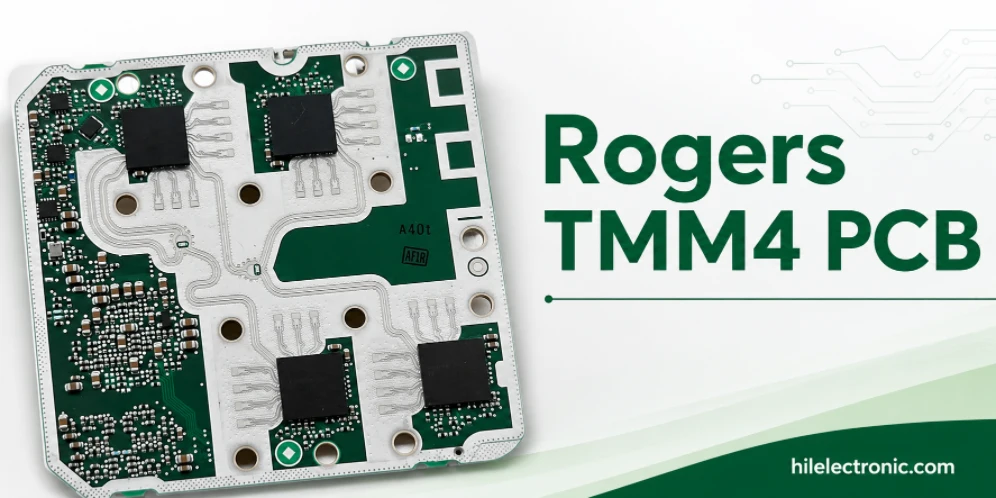
TMM4 Filter PCB Manufacturing
TMM4 filter PCB manufacturing is controlled by the...
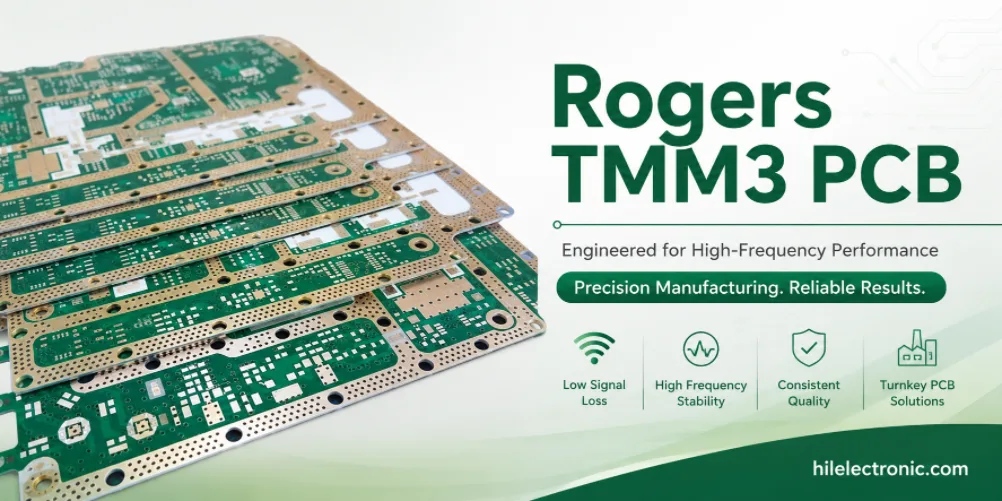
TMM3 PCB Manufacturing for RF Modules
TMM3 PCB manufacturing is most useful where the RF module...
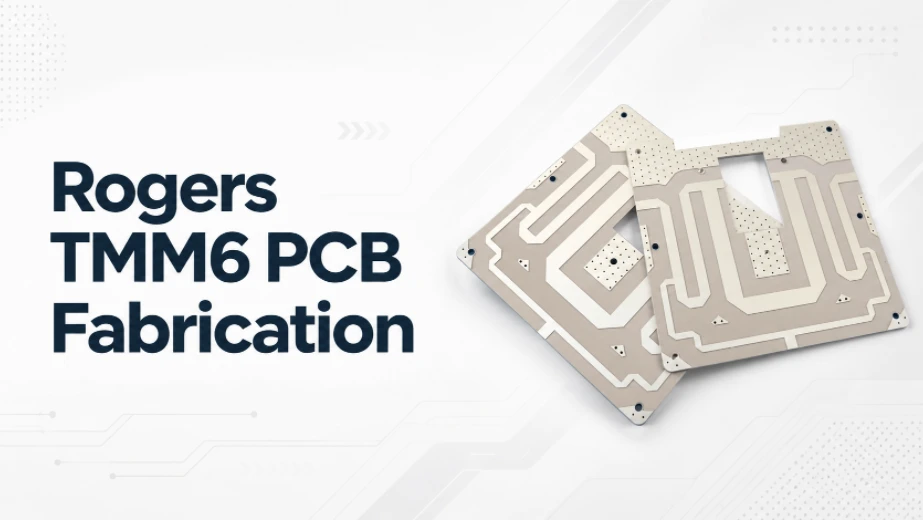
TMM6 PCB Fabrication
TMM6 fabrication is the process-control page for a mid-Dk...
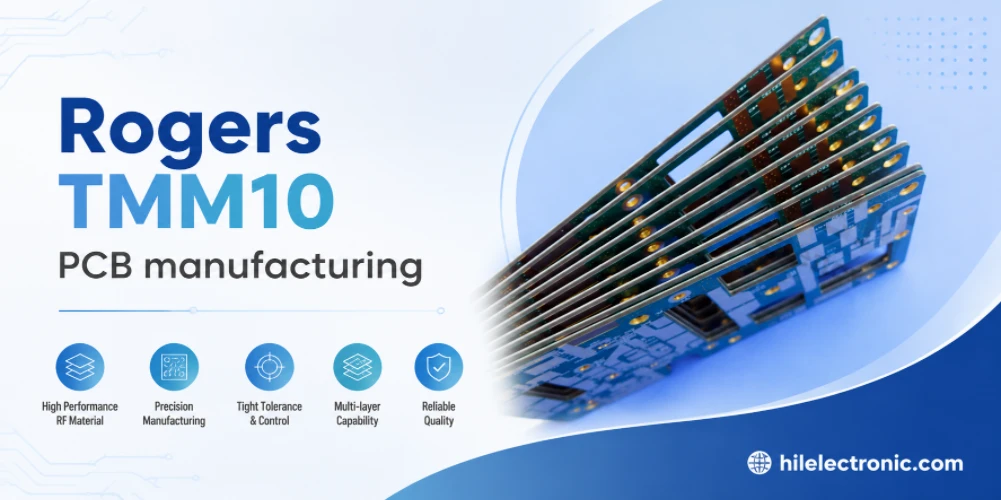
TMM10 PCB Manufacturing for Compact RF Designs
Table of contentsHow TMM10 Shrinks RF StructuresTMM10 vs...
How to get a quote for PCBs
Let’s run DFM/DFA analysis for you and get back to you with a report. You can upload your files securely through our website. We require the following information in order to give you a quote:
-
- Gerber, ODB++, or .pcb, spec.
- BOM list if you require assembly
- Quantity
- Turn time
For PCBA services, please provide your BOM (Bill of Materials) and any specific assembly instructions. We also offer DFM/DFA analysis to optimize your designs for manufacturability and assembly, ensuring a smooth production process.