
Custom Yellow PCB Manufacturing Services – Rigid & Flex Solutions

At Highleap Electronics, we specialize in manufacturing high-quality yellow PCBs that combine exceptional visibility, superior inspection capabilities, and distinctive aesthetics. Yellow PCB manufacturing – rigid, flexible, rigid-flex boards. Custom solder mask colors with color matching service. This comprehensive guide will help you understand everything about yellow PCB technology and make informed decisions for your projects.
Table of Contents
- What is Yellow PCB?
- Types of Yellow PCB: Rigid vs Flexible
- Why Choose Yellow PCB?
- Applications and Industries
- Design Guidelines for Yellow PCB
- Cost Considerations
- Conclusion
What is Yellow PCB?
A Yellow PCB is a printed circuit board that features a yellow solder mask layer. The solder mask, also known as solder resist, is a thin polymer coating applied to the copper traces of the PCB. This protective layer prevents solder bridges during assembly while giving the board its distinctive yellow appearance. Understanding different PCB solder mask colors helps in selecting the optimal choice for your specific application.

Key Components of Yellow PCB
The yellow color comes from specialized pigments in the solder mask formulation that provide:
- High visibility for trace inspection
- Excellent contrast with copper traces and silkscreen
- UV stability for long-term color retention
- Chemical resistance to flux and cleaning agents
Unlike the traditional green PCB that dominates the market, yellow PCBs offer unique advantages in specific applications where visibility, aesthetics, and brand differentiation matter.
Types of Yellow PCB: Rigid vs Flexible
Rigid Yellow PCB
Rigid yellow PCBs are the most common type, built on solid FR-4 substrates. They offer exceptional mechanical stability and are ideal for applications requiring robust support for components.
Characteristics:
- Substrate Material: FR-4 fiberglass epoxy
- Thickness Range: 0.4mm to 3.2mm standard
- Layer Count: 1 to 40+ layers
- Mechanical Strength: High rigidity and durability
- Temperature Resistance: -40°C to 125°C operating range
Applications:
- Industrial control systems
- Computer motherboards and graphics cards
- Power supply units
- LED lighting modules
- Automotive electronics
Advantages:
- Excellent mechanical support for heavy components
- Cost-effective for high-volume production
- Superior heat dissipation capabilities
- Easy to assemble and test
Flexible Yellow PCB (Yellow Flex PCB)

Flexible yellow PCBs use polyimide or polyester substrates with yellow coverlay or solder mask, providing unique benefits for space-constrained and dynamic applications.
Characteristics:
- Substrate Material: Polyimide (PI) or Polyester (PET)
- Thickness Range: 0.05mm to 0.3mm
- Bend Radius: Minimum 3-6 times thickness
- Layer Count: 1 to 8 layers typical
- Flexibility: Can withstand millions of flex cycles
Applications:
- Wearable electronics and fitness trackers
- Medical implants and diagnostic devices
- Camera modules and optical systems
- Aerospace and satellite systems
- Foldable displays and flexible screens
Advantages:
- Space and weight reduction (up to 75%)
- Dynamic flexing capability for moving parts
- 3D installation possibilities
- Vibration and shock resistance
- Eliminates connectors between rigid sections
Rigid-Flex Yellow PCB
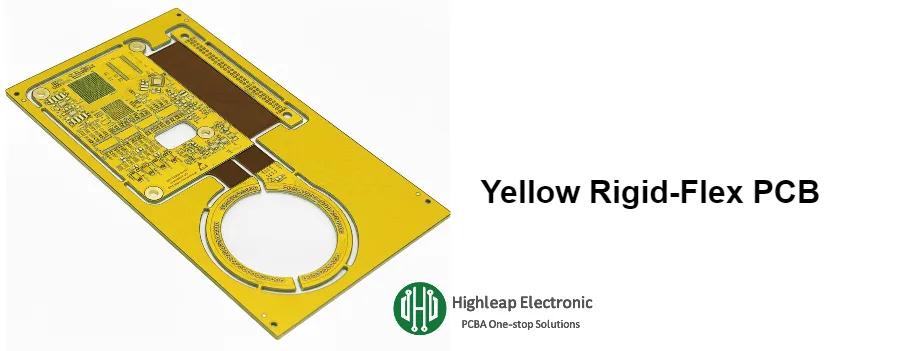
Combining the best of both worlds, rigid-flex yellow PCBs integrate rigid and flexible sections in a single board, offering unprecedented design flexibility.
Key Benefits:
- Reduced assembly time and cost (up to 30%)
- Improved reliability with fewer interconnections
- Complex 3D configurations possible
- Ideal for portable and compact devices
- Single assembly process for multiple board sections
Typical Applications:
- Military and aerospace electronics
- Medical devices requiring compact form factors
- Automotive sensor systems
- Industrial handheld devices
- Advanced consumer electronics
Why Choose Yellow PCB?
1. Superior Inspection Capability
The high contrast between yellow solder mask and copper traces provides:
- 40% faster visual inspection compared to green PCBs
- 25% reduction in defect escape rate
- Better detection of hairline cracks and micro-fractures
- Reduced operator fatigue during quality control
2. Enhanced AOI Performance
Automated Optical Inspection systems perform better with yellow PCBs:
- 15-20% improvement in defect detection accuracy
- Reduced false positives in inspection results
- Better edge definition for fine-pitch components
- Improved solder joint inspection capability
3. Unique Branding Opportunities
Yellow PCBs help products stand out:
- Distinctive appearance in transparent or windowed enclosures
- Brand color matching for corporate identity
- Premium perception in consumer products
- Easy identification in multi-board systems
4. Functional Advantages
- Lower heat absorption than dark-colored PCBs
- Excellent silkscreen contrast with both white and black ink
- Good UV resistance for outdoor applications
- Chemical stability in harsh environments
Applications and Industries
Consumer Electronics

- Mechanical Keyboards: Premium gaming and professional keyboards with visible PCBs
- Audio Equipment: High-end amplifiers and mixing consoles
- Computer Hardware: Premium motherboards and graphics cards
- Smart Home Devices: Controllers and hubs with transparent cases
Industrial Automation
- PLCs: Programmable Logic Controllers for factory automation
- HMI Panels: Human-Machine Interface displays
- Motor Controllers: Variable frequency drives and servo controllers
- Safety Systems: Emergency stop circuits and safety relays
Automotive Electronics
- Infotainment Systems: Display and control modules
- LED Lighting: Headlight and taillight assemblies
- Sensor Modules: Parking sensors and proximity detectors
- ECU Units: Engine control and body control modules
Medical Equipment
- Diagnostic Devices: Portable testing equipment
- Patient Monitors: Vital sign monitoring systems
- Laboratory Equipment: Analytical instruments
- Wearable Health Devices: Fitness and health trackers
LED and Lighting
- LED Strips: Flexible and rigid LED modules
- Smart Lighting: IoT-enabled lighting controllers
- Stage Lighting: Professional entertainment lighting
- Architectural Lighting: Designer lighting solutions
Design Guidelines for Yellow PCB
Silkscreen Color Selection
Optimal combinations for yellow PCB:
- White on Yellow: Maximum contrast (ΔE > 60), best readability
- Black on Yellow: High contrast (ΔE > 50), professional appearance
- Dark Blue on Yellow: Unique but readable (ΔE > 40)
Combinations to avoid:
- Yellow or orange silkscreen (ΔE < 10)
- Light gray or beige (ΔE < 20)
- Light green or lime (poor differentiation)
Design Rules for Optimal Yellow PCB
Solder Mask Clearance
- Standard components: Pad size + 0.05mm (2 mil)
- Fine pitch (<0.5mm): Pad size + 0.03mm (1.2 mil)
- BGA packages: Follow IPC-7351B guidelines
- Via tenting: Minimum 0.1mm (4 mil) overlap
- Via plugging: Complete fill for via-in-pad
Trace Width and Spacing
- Signal traces (1oz copper):
- Minimum width: 0.1mm (4 mil)
- Minimum spacing: 0.1mm (4 mil)
- Power traces: Calculate using IPC-2221 formula
- High-speed signals: Maintain 50Ω ±10% impedance
- Differential pairs: Match length within 0.25mm
Component Placement Considerations
- Add fiducial markers (1mm copper, 3mm keepout)
- Maintain 0.5mm clearance from board edge
- Group components by height for assembly
- Consider yellow background for LED placement
- Mark polarity with clear silkscreen arrows
Flexible Yellow PCB Special Considerations
Mechanical Design Rules
- Static bend radius: 3× total thickness minimum
- Dynamic bend radius: 6-10× total thickness
- Stiffener placement:
- Under components and connectors
- 0.2mm gap from flex area
- Tear resistance:
- Round all inside corners (R ≥ 0.5mm)
- Add tear stops at stress points
Electrical Design Rules
- Conductor pattern in flex area:
- Use curved traces, avoid 90° angles
- Stagger traces on opposite layers
- Maintain uniform trace width
- Via placement:
- No vias in bend area
- Minimum 2mm from flex zone
- Use teardrops for stress relief
Cost Considerations
Several factors affect the cost of yellow PCBs, including the color choice, with yellow typically costing 5-10% more than green depending on volume. Order quantity can significantly reduce costs, with economies of scale offering up to a 20% discount per 10× increase. Other factors such as board complexity, flexible vs. rigid construction, surface finish choices, and lead times also influence pricing, with premiums ranging from 0-150% based on material, finish, and urgency. For example, flexible boards cost more due to material and process differences, and surface finishes like ENIG or gold come with added performance benefits.
Cost optimization strategies include design adjustments, such as standardizing board thickness to 1.6mm and minimizing layer count. Combining multiple designs in one order can lower prices, as can planning annual orders for better pricing. Balancing specifications by limiting tolerances and using standard materials reduces unnecessary costs, while managing lead times helps avoid rush charges. The total cost of ownership (TCO) reflects the ROI from yellow PCBs through faster quality control, fewer defects, and lower rework rates. Yellow PCBs can provide significant value, with ROI realized quickly in large batches and offering a premium in brand value and customer satisfaction.
Conclusion
Yellow PCBs offer superior inspection capabilities, distinct aesthetics, and brand differentiation. Whether used in rigid or flexible applications, understanding the technology and design considerations is essential for success. At Highleap Electronics, we ensure that all yellow PCBs meet the highest industry standards, from design to production.
When selecting the right solder mask color for your project, yellow stands out for its exceptional contrast with black silkscreen and easy visual inspection properties. For a comprehensive guide on how different solder mask colors affect performance, functionality, and cost considerations, explore our detailed PCB solder mask color selection guide.
Our engineering team offers full support from prototype to mass production, helping you optimize costs and lead times. Yellow PCBs provide a great balance between functionality and aesthetics, making them an ideal choice for a range of applications – from industrial control systems where high visibility is crucial to branded products requiring distinctive appearance for market differentiation.
Ready to Start Your PCB Project?
Get professional quotes for yellow PCBs with fast turnaround

Related Articles
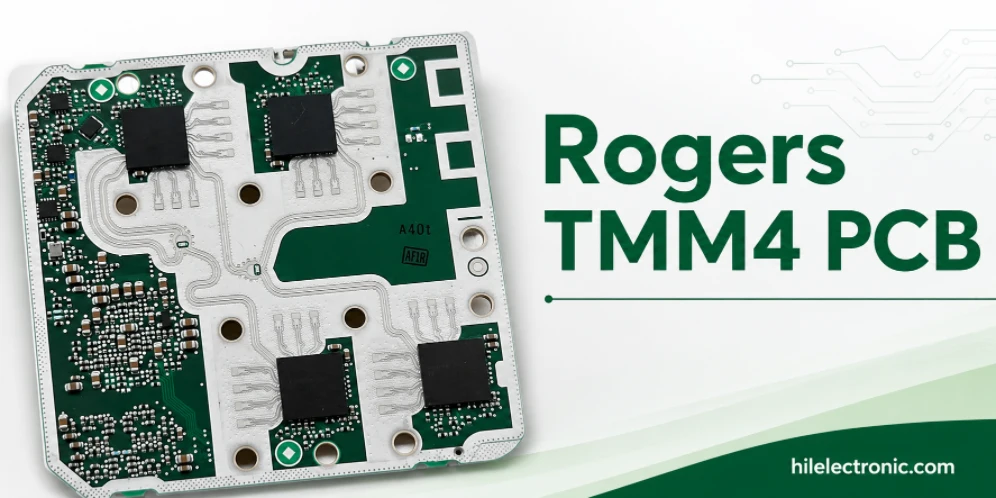
TMM4 Filter PCB Manufacturing
TMM4 filter PCB manufacturing is controlled by the...
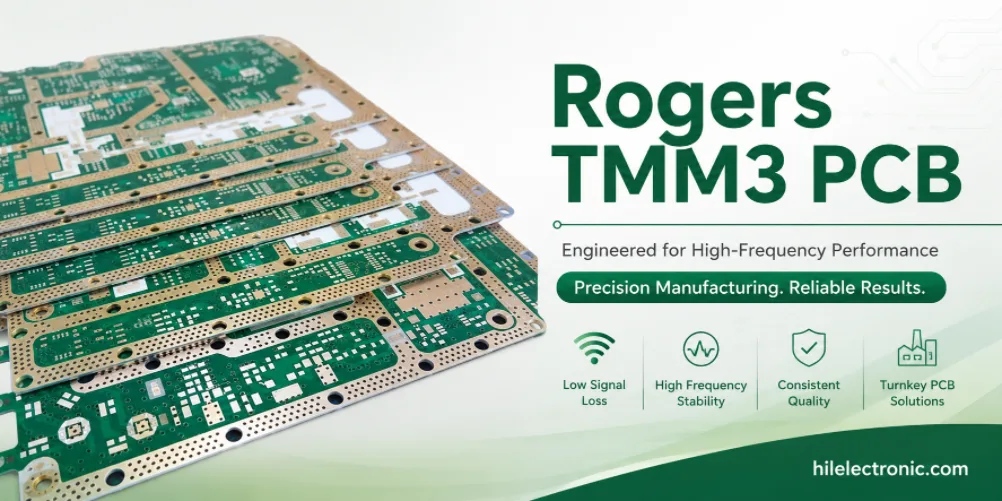
TMM3 PCB Manufacturing for RF Modules
TMM3 PCB manufacturing is most useful where the RF module...
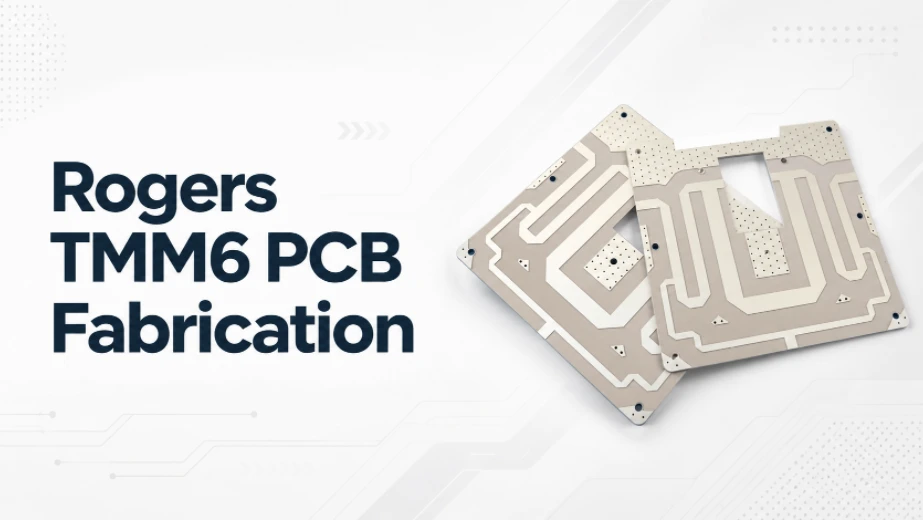
TMM6 PCB Fabrication
TMM6 fabrication is the process-control page for a mid-Dk...
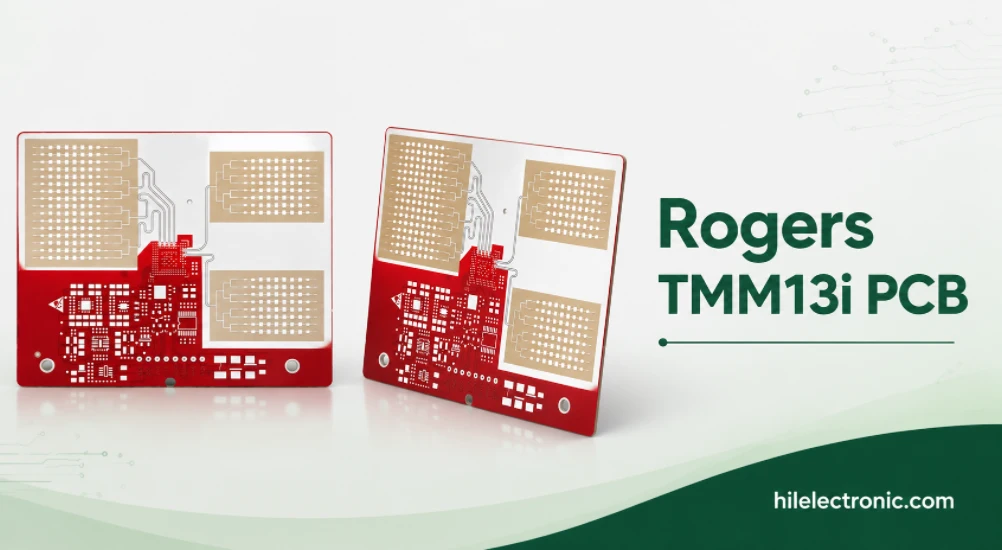
TMM13i PCB Manufacturing
TMM13i PCB manufacturing is aimed at ultra-compact RF...
How to get a quote for PCBs
Let us run DFM/DFA analysis for you and get back to you with a report.
You can upload your files securely through our website.
We require the following information in order to give you a quote:
-
- Gerber, ODB++, or .pcb, spec.
- BOM list if you require assembly
- Quantity
- Turn time
In addition to PCB manufacturing, we offer a comprehensive range of electronic services, including PCB design, PCBA (Printed Circuit Board Assembly), and turnkey solutions. Whether you need help with prototyping, design verification, component sourcing, or mass production, we provide end-to-end support to ensure your project’s success. For PCBA services, please provide your BOM (Bill of Materials) and any specific assembly instructions. We also offer DFM/DFA analysis to optimize your designs for manufacturability and assembly, ensuring a smooth production process.