
TG150 PCB Manufacturer for Fabrication and Assembly
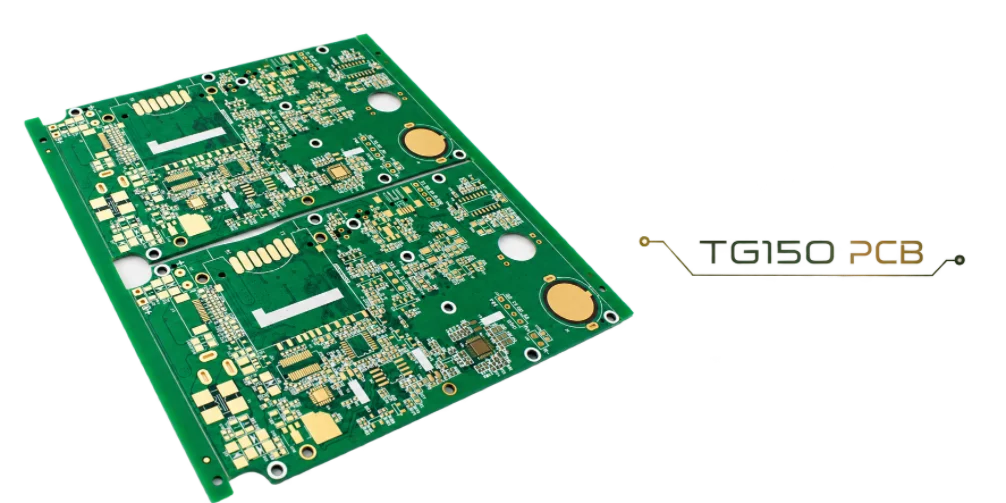
Highleap Electronics manufactures TG150 PCB boards to defined laminate specifications, board constructions and production requirements. Our engineering review covers material grade, layer stackup, finished thickness, copper weight, surface finish and manufacturing tolerances to help ensure that the production scope matches the approved design.
From initial prototypes to repeat production orders, we work with customers on PCB fabrication requirements and, where needed, coordinate the board specification with component sourcing, assembly documentation and testing requirements. Each quotation is based on the submitted engineering data, order quantity and requested delivery schedule.
For a TG150 PCB project, provide the latest fabrication files and material requirements so the proposed construction, manufacturing scope and quotation can be reviewed before production release.
1. TG150 PCB Material Selection and Verification
TG150 PCB generally refers to a printed circuit board made with laminate whose nominal glass transition temperature (Tg) is around 150°C. Tg describes a transition in the behavior of the cured resin system. It is not the maximum continuous operating temperature of the finished circuit board and does not, by itself, establish thermal reliability.
Laminates with similar nominal Tg values may differ in decomposition temperature, Z-axis coefficient of thermal expansion, moisture behavior, dielectric properties and recommended processing conditions. For this reason, the exact laminate manufacturer and grade should be confirmed before the material is approved for production.
Material specification: If the project requires a particular laminate, include the manufacturer and material grade in the purchasing documentation. If alternatives are permitted, define the approval process in advance. A similar Tg value alone does not establish material equivalence.
Key Material Parameters for TG150 PCB Orders
| Parameter | Manufacturing Relevance | What to Confirm |
|---|---|---|
| Glass transition temperature (Tg) | Characterizes the transition behavior of the resin system. | Nominal value, test method and material grade. |
| Decomposition temperature (Td) | Provides information about thermal decomposition behavior. | Published value and applicable test conditions. |
| Z-axis CTE | Through-thickness expansion can affect plated-through-hole reliability. | Relevant CTE data and board construction. |
| Thermal endurance | Helps assess behavior under specified thermal test conditions. | Applicable T260/T288 data, if required, and test method. |
| Dielectric properties | Can affect impedance and signal loss in high-speed designs. | Dk and Df at the relevant frequency and test conditions. |
| Material availability | Can affect procurement, production scheduling and repeat orders. | Available grades, lead time and permitted alternatives. |
For a broader overview of FR-4 PCB materials, compare the relevant datasheets rather than relying on a generic material category. The selected laminate’s actual properties should determine whether it meets the design requirements.
When Should a TG150 Material Be Reassessed?
Standard Material Review
Confirm that the specified laminate meets the design’s electrical, thermal and mechanical requirements and is compatible with the intended manufacturing process.
Additional Engineering Review
Reassess the material when the design has demanding thermal exposure, many layers, critical plated-hole reliability requirements or a mandatory customer material specification.
For projects comparing different temperature grades, see our information on FR-4 temperature ratings and high-Tg PCB materials. A higher nominal Tg should not be treated as the sole measure of overall PCB performance.
2. Engineering Requirements Before TG150 PCB Fabrication
Accurate fabrication pricing and production planning depend on the complete board construction. The laminate grade is one input; layer count, copper requirements, drilling, tolerances, surface finish and testing can also influence manufacturing feasibility and cost.
Before submitting your fabrication package, check that the following information is available and consistent.
- Layer count and stackup: Layer sequence, core and prepreg requirements, finished thickness and copper distribution.
- Board dimensions: Finished outline, panelization requirements, quantity and any special routing or tooling needs.
- Copper specifications: Copper weight for each relevant layer and required finished-copper characteristics.
- Line width and spacing: Minimum conductor dimensions, clearances, controlled-impedance requirements and critical tolerances.
- Drilling and vias: Drill sizes, plated-through holes, blind or buried vias, via filling and backdrilling where applicable.
- Surface finish: Required finish based on component mounting, solderability and product specifications.
- Testing and acceptance: Electrical testing, impedance tolerances, inspection requirements and requested documentation.
For multilayer designs, review the PCB stackup design guide and ensure that the proposed construction is compatible with the selected laminate and available core and prepreg combinations.
Before production release: Resolve discrepancies between Gerber files, fabrication drawings, stackup information and purchasing specifications. If the material or construction remains undecided, identify the open items before the order is released.
Highleap Electronics can review design data through its PCB DFM review service. A structured engineering review helps identify manufacturing questions involving tolerances, stackup, vias and other design constraints before fabrication begins.
3. TG150 PCB Manufacturing and Quality Control
The manufacturing route should be determined by the approved material and board design. A straightforward board and a complex multilayer construction may require different process controls, inspection points and acceptance criteria.
Engineering and Material Verification
Confirm the laminate grade, stackup, board thickness, copper specifications, drawings and revision consistency.
Process Planning
Establish the applicable imaging, etching, drilling, lamination, plating, solder mask and surface-finish requirements.
In-Process Inspection
Check critical features at appropriate production stages according to the design, manufacturing risks and specified tolerances.
Electrical Testing and Final Inspection
Apply the agreed continuity and isolation tests. Add impedance verification or other inspection where required by the design.
Final Acceptance and Documentation
Confirm that finished boards and agreed records meet the purchase specification before shipment.
Review our PCB electrical testing methods when defining the test scope for your order. Testing coverage and documentation should be agreed in advance rather than assumed to be identical for every PCB.
Quality Records and Acceptance Criteria
For traceable production, specify which records are required and what they need to demonstrate. Depending on the project, these may include material identification, electrical test results, dimensional inspection, impedance reports or other agreed quality documentation.
Instead of relying on a general promise of “premium quality,” define measurable acceptance limits, required test coverage and the reporting format. This creates a clearer basis for reviewing the finished boards and resolving discrepancies.
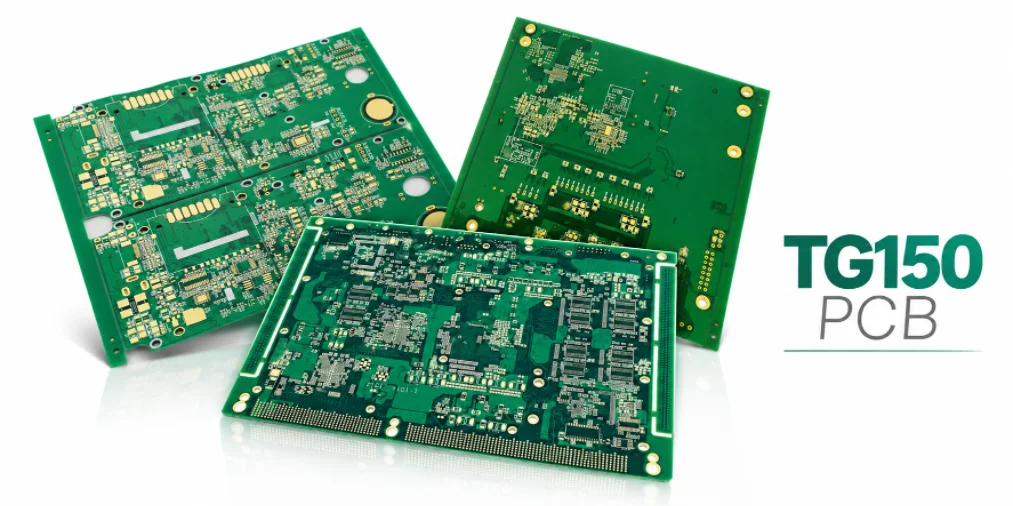
4. TG150 PCB Assembly and Production Planning
When a TG150 PCB will be assembled, the laminate specification should be reviewed alongside the intended soldering profile, board construction, component mix and reliability requirements. The nominal Tg value alone does not establish suitability for every assembly process.
For projects requiring assembled boards, the production package should connect the approved fabrication data with the BOM, pick-and-place information, assembly drawings and required inspection or functional testing. This helps establish a consistent scope across board manufacturing and assembly.
Fabrication Data
Provide the approved Gerber files, stackup, material grade, board thickness, copper requirements, surface finish and acceptance criteria.
Assembly Data
Provide the BOM, pick-and-place file, assembly drawings, revision details and special process or testing instructions.
Soldering Profile and Thermal Exposure
Confirm the planned reflow profile against the laminate’s thermal data, board construction, component limitations and expected number of heating cycles. Rework and other thermal operations can add to the board’s total thermal exposure.
A reflow peak above Tg does not, by itself, mean a laminate is unsuitable. Likewise, a nominal Tg of 150°C does not establish compatibility with every lead-free PCB assembly process. The material properties, board design and actual process conditions must be considered together.
Inspection and Testing for PCBA
The inspection plan depends on the product, component technology, risk level and customer acceptance criteria. Depending on the project, it may include automated optical inspection (AOI), X-ray inspection for applicable packages, electrical testing and functional testing.
Highleap Electronics provides PCB assembly services for projects that require coordinated production planning. Define the assembly scope, component sourcing responsibility and required testing before requesting a final quotation.
5. TG150 PCB Cost and Supplier Evaluation
There is no reliable universal price for a TG150 PCB based on Tg alone. The quotation depends on the specified laminate, board construction, order quantity, manufacturing tolerances, testing requirements and delivery schedule.
| Cost Factor | Potential Impact | How to Improve Quote Accuracy |
|---|---|---|
| Laminate grade | Availability, sheet format, procurement lead time and substitution restrictions. | Specify the approved grade or document permitted alternatives. |
| Layer count and stackup | Material usage, lamination complexity, registration and finished thickness. | Provide the complete stackup and fabrication data. |
| Dimensions and quantity | Panel utilization, tooling, setup and production efficiency. | Specify board dimensions, order quantity and repeat-order expectations. |
| Copper and feature requirements | Copper weight, line/space, hole sizes, via structures and tolerances. | Identify critical features and include the current fabrication drawing. |
| Surface finish and testing | Selected finish, impedance verification, electrical testing and reporting. | List required finishes and acceptance tests in the RFQ. |
| Delivery schedule | Material procurement, engineering clarification and production scheduling. | State the target delivery date and confirm material availability. |
For a broader breakdown of PCB fabrication cost factors, consider the material specification, board construction and manufacturing requirements together. If PCBA is included, component sourcing, assembly, testing and logistics may need to be itemized separately.
How to Compare TG150 PCB Manufacturers
A lower initial price does not necessarily represent the lowest total procurement cost. Compare the technical scope, approved materials, testing, delivery assumptions and change-control process before selecting a supplier.
- Can the manufacturer identify the proposed laminate grade and provide its technical data?
- Will material substitutions be disclosed and approved before production?
- Can the factory meet the specified stackup, tolerances and board features?
- Are the required electrical tests and inspection records included in the quotation?
- Are lead time, quote validity and commercial terms clearly stated?
- If PCBA is required, are component sourcing, assembly and testing requirements itemized?
To compare supplier quotations fairly, submit the same file revision, material specification, quantity and acceptance requirements to each manufacturer. This makes it easier to identify differences in scope and reduce avoidable changes after an order is placed.
TG150 PCB Quotation
Ready to Start Your TG150 PCB Order?
Send your Gerber files and production specifications to Highleap Electronics. Get a quotation based on your required laminate grade, board construction, order quantity and delivery schedule.
Include these details for a faster quotation:
- Gerber files and stackup requirements.
- TG150 laminate specification or approved material grade.
- Board dimensions, thickness, copper weight and surface finish.
- Order quantity, testing requirements and required delivery date.
- BOM and assembly files if assembled boards are needed.
Move your TG150 PCB project forward. Submit your files to review the manufacturing requirements, confirm the quotation and plan your production order.
Already have your production files ready? Submit the latest revision and include any mandatory material specifications or delivery requirements.
TG150 PCB Manufacturing FAQs
1. Can TG150 PCBs Be Shipped to Germany and Other European Countries?
Yes, international shipping can be arranged for TG150 PCB orders, subject to order acceptance and destination requirements. When requesting a quotation, provide your delivery country, order quantity and target delivery date. The production schedule, shipping method and estimated transit time should be confirmed separately before the order is placed.
2. Can Bulk TG150 PCB Manufacturing Orders Get a Lower Unit Price?
Bulk TG150 PCB orders may offer unit-cost advantages through improved panel utilization, production scheduling and material purchasing. Actual savings depend on the laminate grade, board dimensions, layer count, manufacturing complexity and order quantity. Requesting quotations for several quantity levels using the same Gerber files makes it easier to compare unit prices and total order costs.
3. What Is the Minimum Order Quantity for TG150 PCB Manufacturing?
The minimum order quantity for TG150 PCB manufacturing depends on the board specifications, material availability and production requirements. Prototype, small-batch and mass-production orders may have different setup costs and unit prices. Include your required quantity and expected repeat-order volume when requesting a quotation so the manufacturing plan can match your purchasing needs.
4. What Is the Lead Time for TG150 PCB Manufacturing?
TG150 PCB manufacturing lead time depends on layer count, board thickness, drilling requirements, surface finish, material availability, testing requirements and order quantity. Complete production files help reduce delays caused by missing specifications or engineering questions. Provide your required delivery date when requesting a quotation, and confirm the manufacturing schedule and shipping time before placing the order.
5. Can TG150 PCB Fabrication and PCB Assembly Be Ordered From One Manufacturer?
Yes, TG150 bare-board fabrication and PCB assembly can be coordinated through one manufacturing supplier when both services are required. The project may include PCB fabrication, component sourcing, SMT assembly, through-hole assembly and testing, depending on the agreed scope. To obtain a combined quotation, provide the Gerber files, BOM, Pick-and-Place file and assembly requirements.
6. How Can I Get a Quote for TG150 PCB Manufacturing?
To request a TG150 PCB manufacturing quote, prepare your Gerber files, drill files, layer count, finished board thickness, copper weight, surface finish and required quantity. Specify the exact TG150 laminate grade if your project requires a particular material. For PCB assembly, also provide the BOM and Pick-and-Place file. Submit your PCB files for a quotation and include your target delivery date and shipping destination.

Recommended Posts

How to Reduce PCB Costs in 2026
Table of contents Why 80% of PCB Cost Is Locked in at...
10 Layer PCB Cost Drivers for Materials, HDI and Testing
Figure 1. 10 layer PCB cost drivers for materials HDI and...
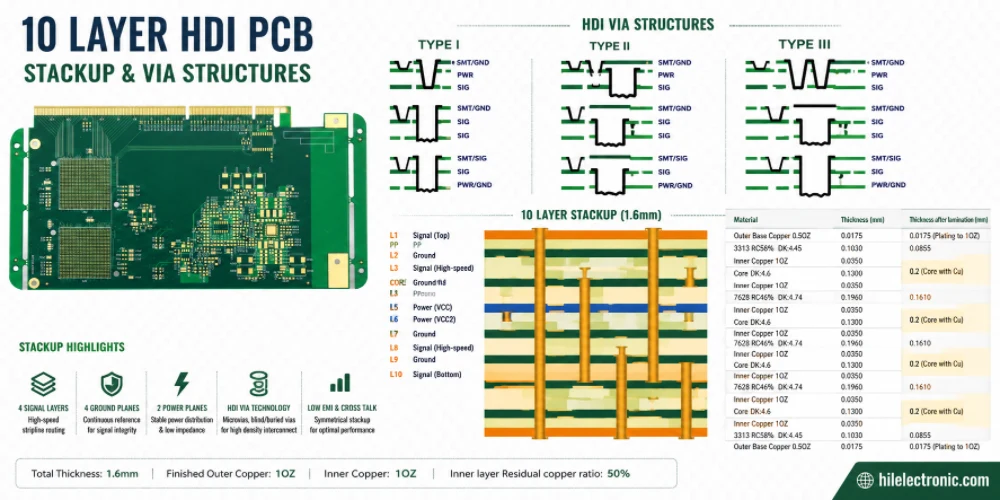
10 Layer HDI PCB Engineering for Microvias and BGA Escape
Figure 1. 10 layer HDI PCB engineering for microvias and...

8 Steps to Manufacture a Perfect Aluminum PCB
Figure 1. Aluminum Pcb manufacturing reference for PCB...
How to get a quote for PCBs
Let’s run DFM/DFA analysis for you and get back to you with a report. You can upload your files securely through our website. We require the following information in order to give you a quote:
-
- Gerber, ODB++, or .pcb, spec.
- BOM list if you require assembly
- Quantity
- Turn time
For PCBA services, please provide your BOM (Bill of Materials) and any specific assembly instructions. We also offer DFM/DFA analysis to optimize your designs for manufacturability and assembly, ensuring a smooth production process.