
High Tg FR4 PCB Manufacturer for Industrial, Automotive, and Power Electronics
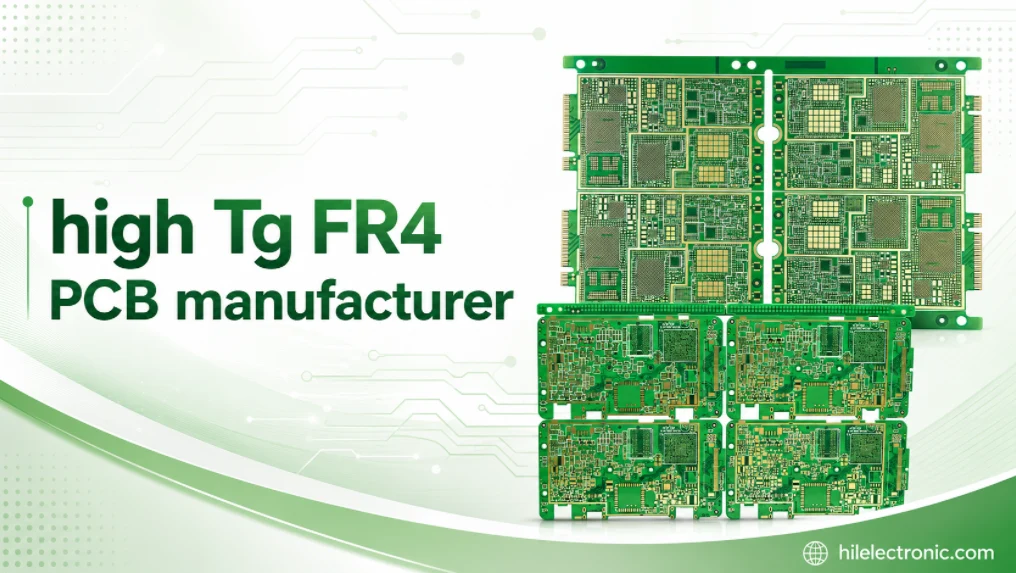
High Tg FR4 PCB manufacturing is usually driven by a reliability question, not by a marketing preference for a “better” laminate. Buyers ask for High Tg FR4 when they need more margin during lead-free reflow, higher operating temperature, thicker copper, larger BGAs, or multilayer constructions that push standard FR4 too close to its comfort zone.
Highleap Electronics reviews High Tg FR4 projects from the application backward. We first look at the thermal and mechanical demands of the product, then decide whether the material upgrade is justified, how it affects stackup control, and what it means for assembly and repeat production. For adjacent material context, see FR4 Tg circuit boards and FR4 PCB manufacturing.
When High Tg FR4 Is the Right Upgrade
The material should solve a specific production risk
High Tg FR4 becomes useful when the board is likely to see repeated thermal stress, elevated operating temperature, or a combination of layer count, copper weight, and package density that raises concern about plated-hole reliability or warpage.
- Industrial control boards with long service life expectations
- Automotive electronic modules exposed to higher thermal cycling
- Power conversion boards with heavy copper or hotter operating zones
- BGA-rich multilayer designs heading into lead-free assembly
If the product does not create one of those risks, standard FR4 may still be the more practical choice. Material upgrades should follow the actual build requirement, not habit.
The application context matters more than the buzzword
A simple two-layer controller board and an automotive multilayer power board can both be called “industrial,” but they do not deserve the same material decision. Highleap asks how the board will be built and used before confirming a High Tg FR4 recommendation.
What Buyers Should Check Beyond the Tg Number
Tg alone is not enough to qualify a laminate
Customers often ask for Tg 170 or Tg 180 FR4, but the finished result also depends on thermal decomposition behavior, Z-axis expansion, moisture behavior, copper adhesion, and whether the chosen brand is part of the approved supply chain for repeat production.
When a drawing only lists a Tg target without a broader material expectation, Highleap reviews whether the selection matches the product’s real risk profile or whether the project needs a named laminate family.
| Property | Why it matters | Typical decision point |
|---|---|---|
| Tg | General thermal threshold | Whether a material upgrade is even needed |
| Z-axis expansion | Affects via reliability | High layer count, thermal cycling, BGA-heavy boards |
| Thermal endurance | Affects reflow tolerance | Lead-free assembly and rework exposure |
Approved material lists reduce repeat-order risk
For production programs, the material discussion should end in an approved list, not a vague performance label. That is especially important when the board will move from prototype into automotive, industrial, or power-electronics volume builds.
Stackup, Copper, and Drilling Implications
Material choice changes the fabrication review
High Tg FR4 boards are often linked to thicker copper, more layers, larger board area, or mechanically demanding features. That means the stackup review should cover not only dielectric thickness but also copper balance, drill aspect ratio, plating reliability, and the effect of panel design on warpage.
Where the board also includes more complex layer structures, Highleap checks whether the fabrication package aligns with PCB lamination and multilayer PCB manufacturing controls before releasing the job.
Drilling and plating quality matter as much as the laminate grade
A strong laminate does not compensate for a poor via structure. If the board has deep aspect-ratio holes, heavy copper, or dense BGA fanout, the drill and plating plan should be reviewed with the same seriousness as the material approval itself.
Warpage and Lead-Free Assembly Considerations
Many High Tg FR4 requests are really assembly-stability requests
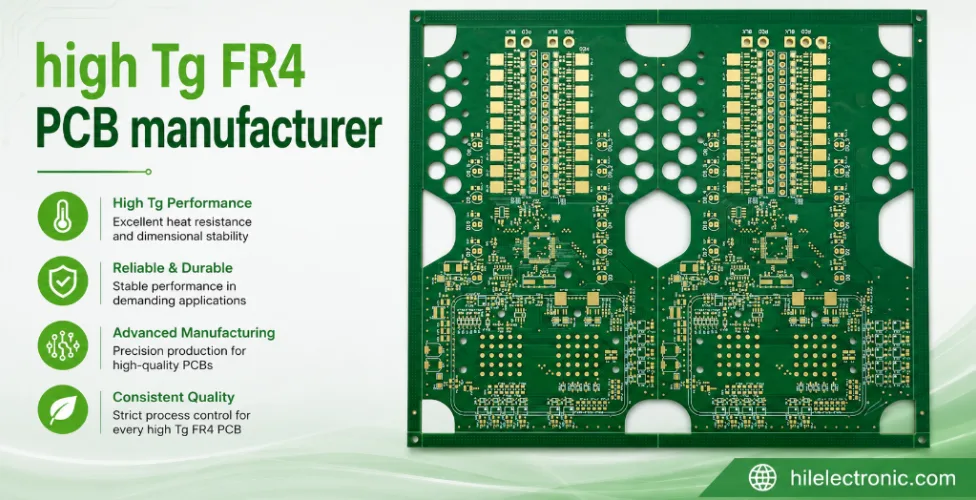
Customers often ask for High Tg FR4 because they have seen assembly defects on large or dense boards during lead-free reflow. In that situation, the correct answer is not just “use a higher Tg material.” The review should also consider copper symmetry, panel support, board thickness, package density, and reflow profile.
Highleap reviews these points together with lead-free PCB and assembly planning so the board is built for the actual production process it will enter.
BGA-heavy boards deserve a combined fabrication and assembly review
Large BGAs, fine-pitch packages, and multilayer power boards can turn small warpage differences into real yield loss. When the product includes those risks, the material decision should be documented together with the assembly process assumptions, not handled in isolation.
How Highleap Reviews Material Approval and Repeat Orders
Repeatability depends on the documentation package
The strongest High Tg FR4 builds are the ones that move into repeat production with a stable material definition, approved equivalents, and a fabrication record that can be reused. If the project is left at “Tg 170 or similar,” the next order often reopens the same questions.
Highleap therefore recommends locking the laminate family, copper condition, stackup thickness, and any special assembly assumptions once the pilot build is validated.
Good sourcing decisions reduce future engineering churn
The best manufacturers do not only say yes to a material callout. They help clarify whether the callout is technically necessary, how it changes cost and lead time, and what should be controlled if the board moves into regular supply.
What to Send for a High Tg FR4 Quote
A useful RFQ should connect material, fabrication, and assembly needs
- Gerber or ODB++, drill files, and layer count
- Target Tg or approved laminate list
- Copper weights, board thickness, and surface finish
- Any warpage-sensitive package or BGA note
- Lead-free assembly scope if the board will be built as PCBA
- Quantity, delivery target, and documentation requirements
That gives Highleap enough information to decide whether the material upgrade is justified and how it affects the manufacturing route.
FAQs
Is High Tg FR4 always needed for lead-free assembly?
No. It depends on board size, copper balance, package mix, reflow exposure, and reliability target. Some boards assemble well on standard FR4, while others benefit from the upgrade.
Does a higher Tg always mean a better board?
No. A higher Tg only helps when it addresses a real production or reliability problem. Otherwise, it may add cost without adding useful performance.
Can Highleap help choose between several approved High Tg materials?
Yes. We can review the application, stackup, and assembly route to narrow the selection to the material families that fit the actual product requirements.

Recommended Posts
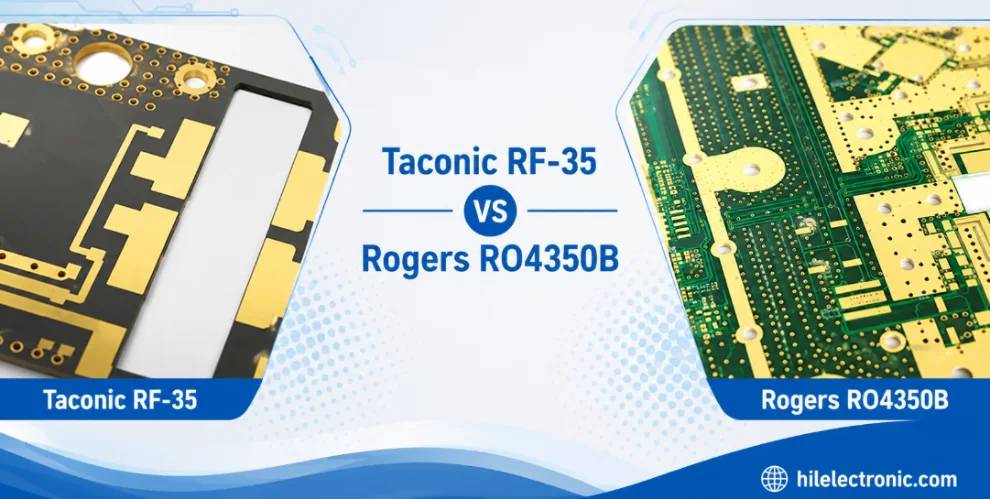
Taconic RF 35 vs RO4350B PCB
Table of contentsRF-35 vs RO4350B Procurement and...
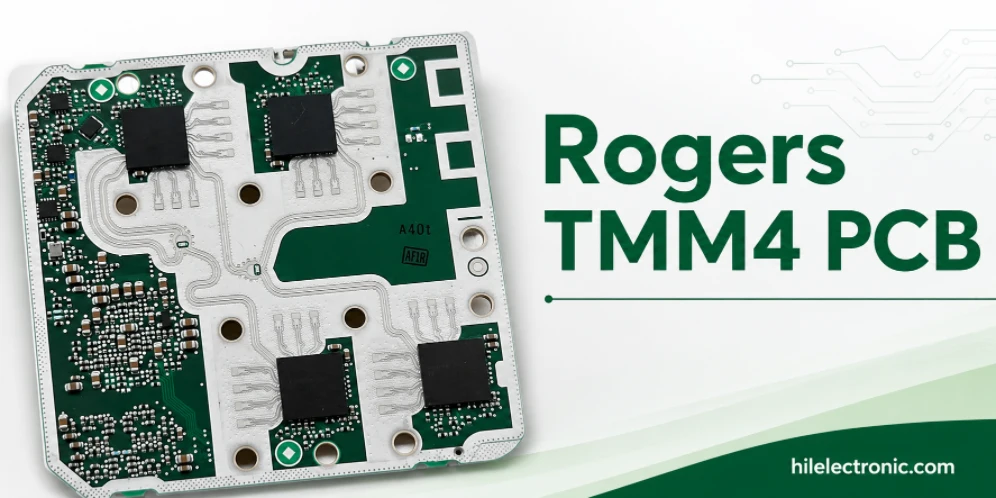
TMM4 Filter PCB Manufacturing
TMM4 filter PCB manufacturing is controlled by the...
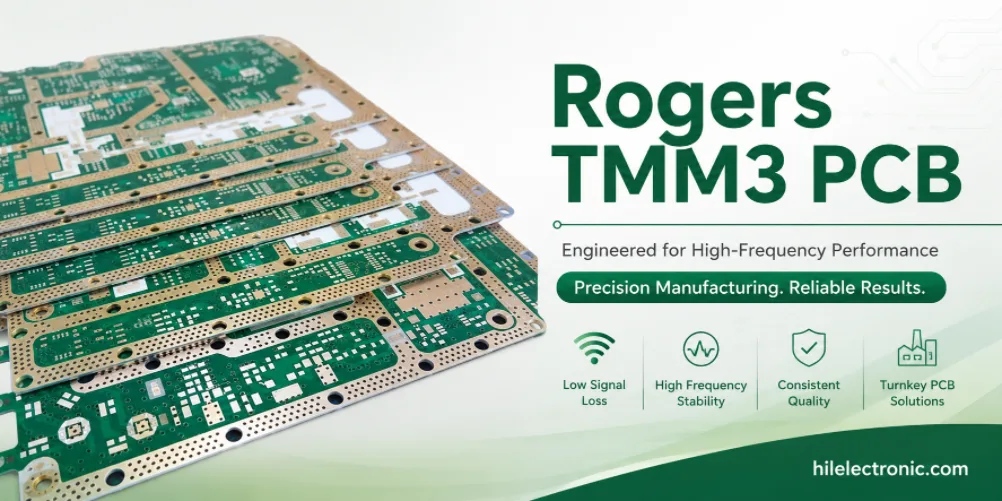
TMM3 PCB Manufacturing for RF Modules
TMM3 PCB manufacturing is most useful where the RF module...
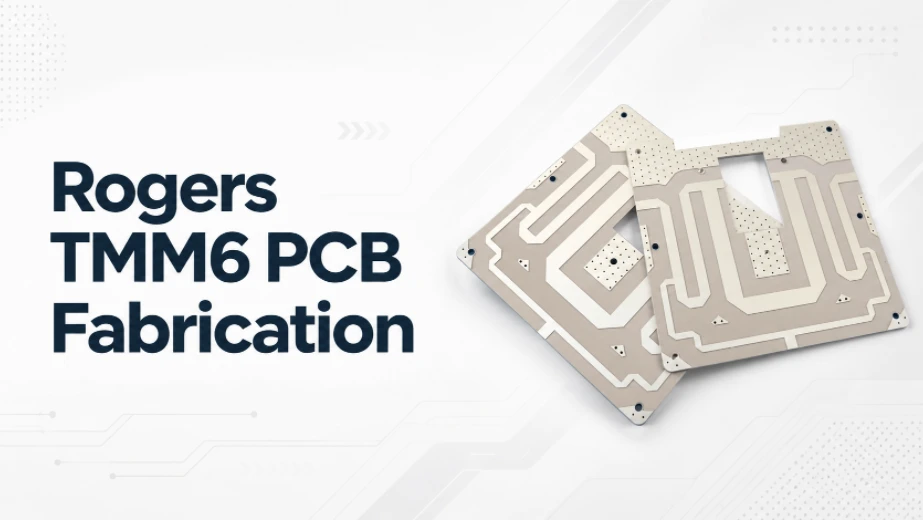
TMM6 PCB Fabrication
TMM6 fabrication is the process-control page for a mid-Dk...
How to get a quote for PCBs
Let’s run DFM/DFA analysis for you and get back to you with a report. You can upload your files securely through our website. We require the following information in order to give you a quote:
-
- Gerber, ODB++, or .pcb, spec.
- BOM list if you require assembly
- Quantity
- Turn time
For PCBA services, please provide your BOM (Bill of Materials) and any specific assembly instructions. We also offer DFM/DFA analysis to optimize your designs for manufacturability and assembly, ensuring a smooth production process.