
Waterproof PCBs for Electronics in Moist Environments

Waterproof PCB
Waterproof PCB design addresses moisture exposure at both board and product level. A protective coating can improve resistance to moisture and contaminants, but does not by itself establish a waterproof rating. Applications in medical, automotive, consumer, and industrial equipment may require suitable coatings, encapsulation, seals, connectors, and enclosures, followed by testing under the intended exposure conditions.
Importance of Waterproof PCBs
Moisture protection can reduce corrosion and leakage-current risks in outdoor equipment, marine PCB assemblies, and kitchen appliances. Its effectiveness depends on board cleanliness, coverage, curing, material compatibility, and the type and duration of exposure. Select the protection method for the actual environment and validate the complete assembly.
Water exposure varies by application: automotive electronics may encounter spray and contamination, while consumer products may require a defined ingress-protection rating. Medical equipment must also tolerate its specified cleaning or sterilization process. These requirements apply to the complete product and cannot be established by a PCB coating alone.
Differences from Conventional PCBs
A PCB intended for wet conditions needs a defined protection strategy. Conformal coating provides a thin protective film; potting or encapsulation and sealed enclosures address different exposure requirements. An ordinary solder mask is not a substitute for a qualified environmental coating, and none of these choices removes the need to evaluate connectors, board edges, and assembly interfaces. A boat speed-controller board combines motor-power circuitry with an environment-sensitive assembly, so sealing and coating decisions must preserve the specified heat path and connector access. For pool-light PCB protection and integration, specify the immersion conditions and the complete luminaire test scope; a coating or nominal low-voltage rating alone does not establish suitability for underwater use.
Methods for Waterproofing PCBs
There are several methods for waterproofing PCBs, each suitable for different types of applications and levels of waterproofing required. Some of the common methods include:
- Moisture-Resistant Substrates: Compare moisture absorption and electrical performance for the specific FR-4, PTFE, or ceramic material grade. A low-moisture-absorption substrate can support the design, but it does not make the assembled PCB waterproof.
- Protective Coating: Parylene N or parylene C may be considered where their barrier and electrical properties suit the application. Coverage, adhesion, masking, and exposure conditions must be validated; a coating name alone does not establish waterproof performance.
- Sealing the Connectors: Sealing the connectors with a waterproof material can prevent water from diffusing into the PCB through the connectors.
- Qualified Protective Materials: Use a coating or encapsulant intended for electronic assemblies, with documented dielectric properties and compatibility. General-purpose waterproof paint may interfere with electrical contacts, rework, or heat transfer and should not be assumed suitable.
Which Application Process is Better?
The coating application process depends on board geometry, masking requirements, production volume, and the specified dry-film thickness. Manual spray, automated selective coating, dipping, and dispensing each have practical tradeoffs. The PCB surface finish must also be compatible with the coating and cleaning process.
Manual spraying can be practical for low-volume or complex assemblies, but coverage and thickness depend on process control. Shadowed areas, board edges, connectors, and cure conditions require inspection; manual spraying does not inherently provide better coverage than an automated process.
However, it’s important to note that the selection of the application process should be based on a careful assessment of the specific requirements of the application. For some applications, other methods such as dispensing or dipping may be more suitable depending on factors such as cost, complexity, and the desired level of waterproofing.
Choose the application process through trials on representative assemblies, then document masking, thickness, cure, coverage, and inspection requirements.
Other Ways to Protect PCBs from Water
In addition to the methods mentioned above, two other common ways to protect PCBs from water include:
Conformal Coating: Acrylic, urethane, epoxy, silicone, and other coating systems offer different moisture, chemical, thermal, and rework characteristics. Select a qualified system for the exposure conditions. Conformal coating is moisture-resistant protection, not a guarantee of long-term immersion resistance.
Sealed Enclosures: Plastic or metal enclosures, suitable gaskets, sealed connectors, and cable-entry protection can limit water ingress. Validate the assembled enclosure to the required ingress-protection conditions; its material alone does not establish a waterproof rating.
Conclusion
Protecting electronic devices from moisture requires a defined exposure requirement and a tested protection system. Consider the substrate, coating or encapsulation, connectors, seals, and enclosure together. Verify electrical performance after the relevant environmental tests instead of assuming that a coated PCB is waterproof.
Recommended Posts
How to Generate Gerber Files for PCB Manufacturing
Figure 1. how to generate Gerber files image for Highleap...
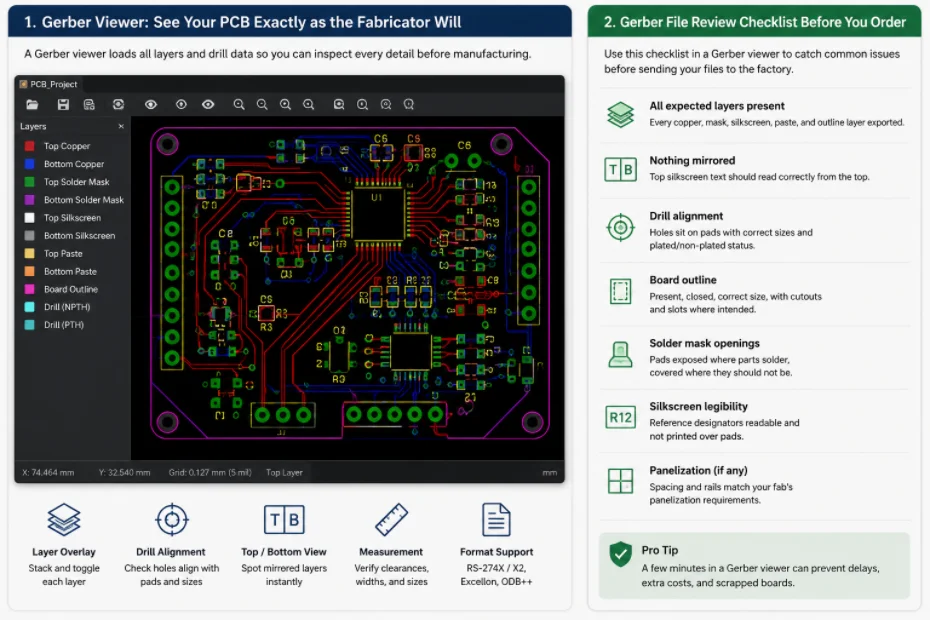
Gerber File Review Checklist: How to Check PCB Files Before You Order
Figure 1. Gerber file review catches missing layers, drill...
PCB Test Point Design Rules for Debug and ICT
Figure 1. PCB test point design rules help make debugging,...
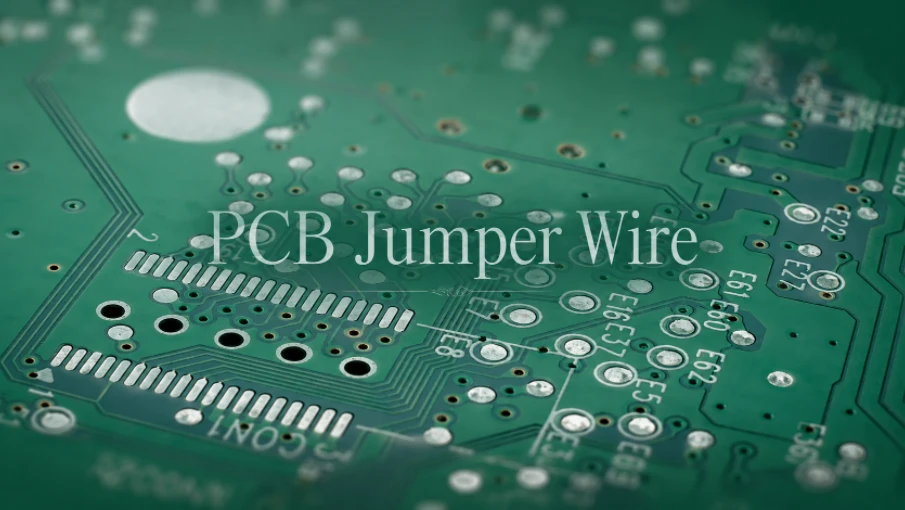
PCB Jumper Wire: Uses, Types, and Design Tips
Figure 1. PCB jumper wires are useful for prototypes and...