
LED PCB Cost: Understanding Price Factors and Optimization Strategies

Why LED PCB Cost Matters
LED printed circuit boards have become fundamental components across lighting systems, display technologies, automotive applications, and consumer electronics. As these boards serve as the foundation for LED performance and longevity, understanding their cost structure directly impacts project feasibility and profitability.
The led pcb cost represents a significant portion of total product expenses, particularly in high-volume manufacturing scenarios. For engineers and procurement managers, mastering cost drivers and optimization techniques can mean the difference between competitive pricing and budget overruns. This guide examines the complete led pcb cost breakdown and provides actionable strategies for reducing expenses while maintaining quality standards.
LED PCB Cost Breakdown: Understanding Key Price Drivers
Understanding the factors that affect LED PCB cost requires examining how each design and production element contributes to the final LED PCB price per unit. Every factor—from materials to testing—plays a distinct role in balancing performance and budget.
1. Base Material Selection and Thermal Performance
The substrate material forms the foundation of LED PCB cost.
-
FR4 is the most economical choice for low-power applications.
-
Aluminum PCBs offer better heat dissipation (1–2 W/mK) at moderate cost increases, ideal for mid-power LEDs.
-
Copper-core PCBs deliver exceptional thermal performance (up to 400 W/mK) but come at a premium, suitable only for high-power systems.
Material choice directly determines both thermal conductivity and overall cost, so matching material performance to real thermal needs is essential to avoid unnecessary expense.
2. Board Structure and Copper Thickness
-
Single-sided PCBs are the most cost-effective for simple designs.
-
Double-sided boards raise costs by ~40–60% but allow more complex routing.
-
Multilayer boards can increase pricing by 200–300%, rarely needed for standard LED uses.
Copper weight also impacts cost:
-
1 oz (35 μm) is standard and sufficient for most LED circuits.
-
Heavier copper (2 oz+) improves current capacity but increases material and processing costs by 30–50%.
Optimizing copper thickness ensures cost-effective LED PCB design without overengineering.
3. Surface Finish and Solder Mask Options
Surface finish selection affects both price and assembly reliability:
-
HASL – Lowest cost, suitable for general LED use.
-
OSP – Slightly higher (≈10–15% more) with good solderability.
-
ENIG – 20–40% costlier but offers superior flatness and shelf life.
White solder masks, preferred for their reflective efficiency, add about 10–15% to cost. High-temperature solder masks rated for 150 °C+ further increase price but prevent discoloration in high-power LEDs.
4. Assembly Complexity and LED Placement
SMT assembly costs scale with component density and precision. Automated placement achieves high efficiency in volume runs, while custom or high-power LEDs raise costs due to alignment and heat-sinking requirements. Standard packages (3528, 5050, 2835) remain the most assembly-efficient and affordable options.
5. Production Volume and Cost per Unit
Economies of scale strongly influence LED PCB price:
-
Prototypes (5–50 pcs) – $15–50 per board due to setup and NRE.
-
Small batches (100–500 pcs) – 40–60% lower cost.
-
Volume production (1k–5k pcs) – 60–75% reduction from prototype rates.
-
Mass production (10k+ pcs) – Up to 90% lower costs.
Optimizing panel utilization and meeting MOQ requirements are key to reducing LED PCB manufacturing cost.
6. Quality Control and Testing
Quality assurance adds minor cost but ensures reliability:
-
AOI inspection – +2–5% cost, detects solder and placement errors.
-
Electrical testing – +3–7%, verifies continuity and isolation.
-
Advanced tests (thermal imaging, luminous efficiency) – +5–10%, recommended for high-reliability designs.
These processes reduce overall project risk and prevent costly field failures, improving long-term cost efficiency.
How to Optimize LED PCB Cost Without Compromising Quality
Achieving low-cost LED PCB production depends on smart decisions in design, material selection, and manufacturing planning. The following strategies help maintain quality while delivering measurable cost reductions.
1. Design for Manufacturing and Panel Utilization
Effective LED PCB cost optimization starts with maximizing panel efficiency. Standard PCB panels (457 × 610 mm / 18 × 24 in) can accommodate more boards when layouts are optimized—raising yield from 12 to 16–20 boards per panel can reduce material waste and unit cost by up to 40%.
Assembly design also matters. Keeping LED orientations consistent minimizes programming time, while maintaining 1–2 mm spacing improves automation accuracy and reduces rework. These simple layout adjustments directly enhance manufacturing efficiency and cost control.
2. Strategic Material Selection Based on Application Requirements
PCB price optimization depends on choosing materials that meet, not exceed, performance needs.
-
For boards dissipating < 3 W, aluminum substrates (1.5–2.0 W/mK) balance cost and thermal performance.
-
For < 1 W applications, FR4 with thermal vias offers the lowest-cost solution.
-
Copper cores should be reserved for high-power designs requiring maximum heat transfer.
Dielectric layer thickness also affects both cost and thermal behavior. Standard 100–150 μm layers suit most aluminum PCBs, while thinner 50–75 μm layers improve heat conduction at a modest 15–20% premium. Optimizing these parameters based on actual power dissipation ensures balanced performance and spending.
3. Production Volume Strategy and Supplier Negotiation
Managing quantities strategically minimizes LED PCB cost per unit. Begin with 10–25 prototypes for validation, then scale to 100–500-unit runs to benefit from volume pricing. Clear production roadmaps allow suppliers to plan efficiently and offer preferential rates.
Combining multiple PCB orders into shared runs further lowers setup and material costs, while flexible delivery schedules can yield an additional 5–15% savings through optimized factory utilization.
4. Manufacturing Partnership and Engineering Support
Working with an experienced LED PCB manufacturer offers cost advantages beyond basic pricing. Established facilities maintain 98–99% yield rates, directly lowering the cost of functional boards. More importantly, expert engineering support can uncover hidden savings during the DFM stage.
At Highleap Electronics, our integrated fabrication and assembly services eliminate unnecessary logistics and ensure seamless production. Our engineering team provides detailed DFM analysis that typically identifies 15–25% cost reductions while maintaining thermal and reliability performance.

Real Example: Cost Comparison Case Study
A practical example illustrates how targeted optimization can significantly reduce LED PCB price without compromising performance. Consider a 50 × 100 mm aluminum-based LED PCB used in commercial downlights. The initial order consisted of 500 units, with a planned quarterly production of 2,000 units.
Baseline Configuration
The original design used:
-
2.0 mm aluminum substrate
-
2 oz copper
-
ENIG surface finish
-
White solder mask
-
Panel layout: 12 boards per panel
This setup resulted in a unit cost of $8.50 at a 500-piece quantity, based on standard material and labor rates.
Optimization Process
Several targeted adjustments achieved substantial savings:
-
Panel layout redesigned to fit 16 boards per panel, improving material utilization.
-
Copper thickness reduced from 2 oz to 1.5 oz, aligned with the actual 2A current requirement, maintaining a 30% safety margin.
-
Surface finish changed from ENIG to HASL after confirming adequate solderability for standard LED packages.
These refinements lowered the unit cost to $6.20, a 27% reduction, while maintaining identical thermal and electrical performance.
Results at Volume Production
When scaling to 2,000 units, the optimized design further benefited from purchasing economies and manufacturing efficiency, cutting the unit cost to $4.80.
Overall, these improvements delivered $6,800 in total savings on the 2,000-unit batch and boosted product margins by 18%, with all reliability and thermal tests meeting specification.
Conclusion
Effectively managing LED PCB cost requires a clear understanding of each cost driver and the ability to make data-driven design and manufacturing decisions. By aligning material selection, board design, and production strategy with real application requirements, manufacturers can achieve significant savings—often 20–35%—without compromising thermal performance, reliability, or lifespan.
True cost efficiency goes beyond component pricing; it depends on early collaboration with an experienced manufacturing partner. Working closely with your supplier ensures optimized layouts, reduced material waste, and stable quality through every production stage.
At Highleap Electronics, we combine PCB fabrication, assembly expertise, and engineering-driven cost optimization under one roof. Our team provides comprehensive LED PCB cost analysis, identifies savings opportunities during DFM reviews, and delivers tailored solutions for lighting, automotive, and industrial applications.
Contact us today for a detailed quotation and discover how Highleap’s integrated approach can lower your LED PCB production cost while enhancing performance and profitability.

Recommended Posts
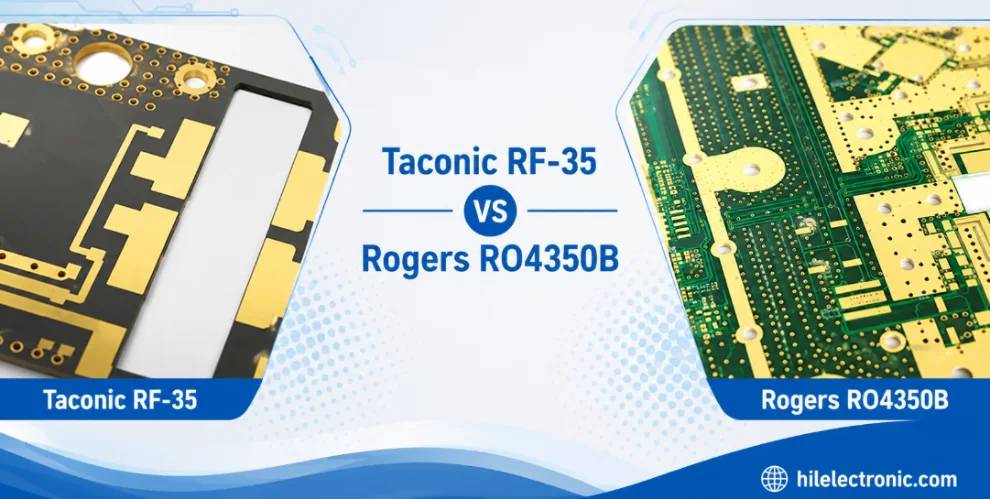
Taconic RF 35 vs RO4350B PCB
Table of contentsRF-35 vs RO4350B Procurement and...
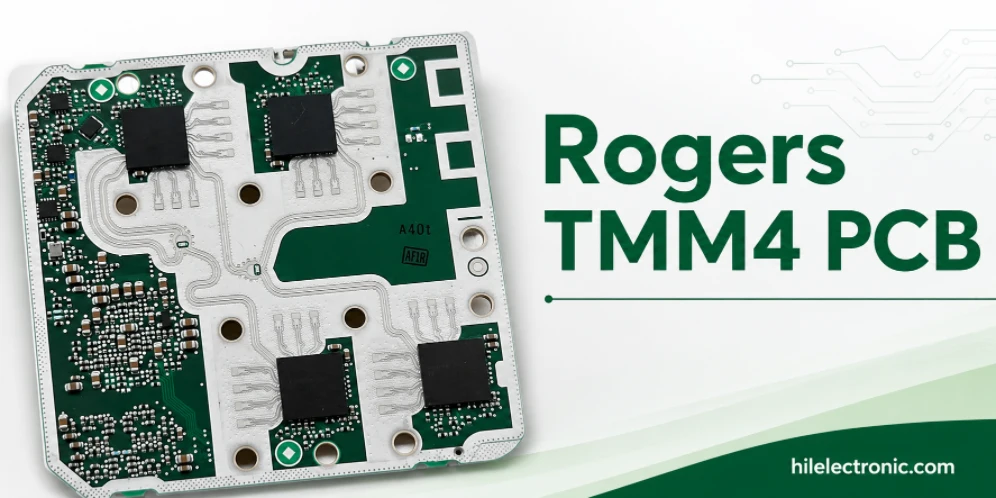
TMM4 Filter PCB Manufacturing
TMM4 filter PCB manufacturing is controlled by the...
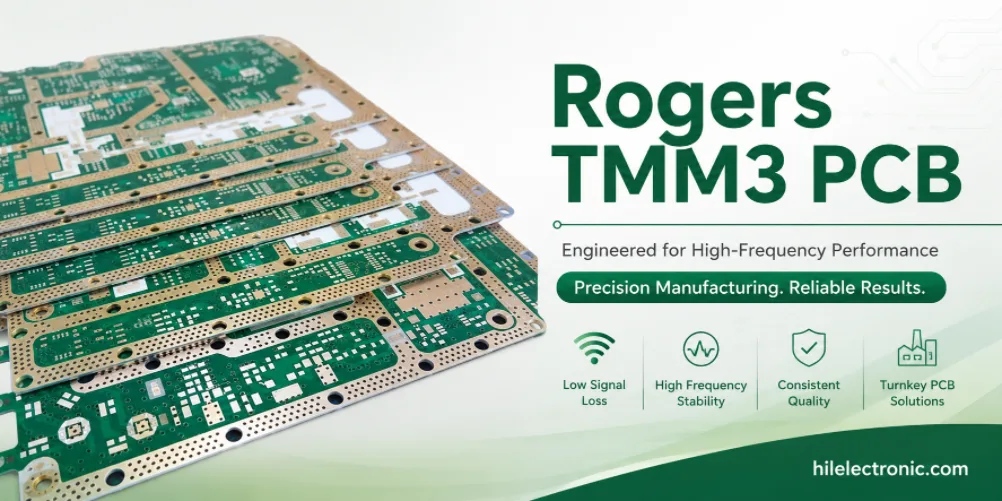
TMM3 PCB Manufacturing for RF Modules
TMM3 PCB manufacturing is most useful where the RF module...
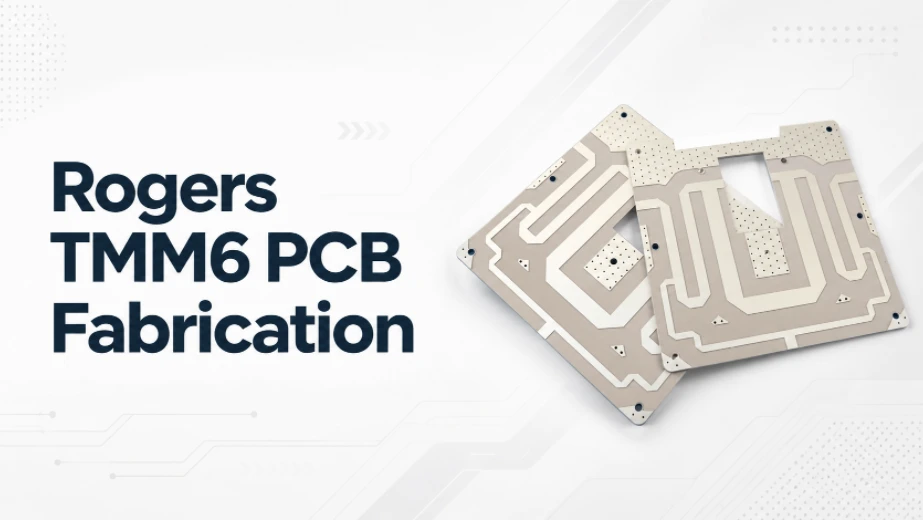
TMM6 PCB Fabrication
TMM6 fabrication is the process-control page for a mid-Dk...
How to get a quote for PCBs
Let‘s run DFM/DFA analysis for you and get back to you with a report. You can upload your files securely through our website. We require the following information in order to give you a quote:
-
- Gerber, ODB++, or .pcb, spec.
- BOM list if you require assembly
- Quantity
- Turn time
In addition to PCB manufacturing, we offer a comprehensive range of electronic services, including PCB design, PCBA, and turnkey solutions. Whether you need help with prototyping, design verification, component sourcing, or mass production, we provide end-to-end support to ensure your project’s success.
For PCBA services, please provide your BOM (Bill of Materials) and any specific assembly instructions. We also offer DFM/DFA analysis to optimize your designs for manufacturability and assembly, ensuring a smooth production process.