
Aluminum PCB Benefits | Thermal Performance & Applications

Introduction
Aluminum printed circuit boards represent a specialized substrate solution that addresses critical thermal management challenges in modern electronic design. These metal-core PCBs utilize an aluminum base layer to provide enhanced heat dissipation capabilities, making them indispensable for applications where component temperature control directly impacts performance and longevity.
Understanding the aluminum pcb benefits alongside their limitations enables engineers and procurement specialists to make informed decisions when thermal performance becomes a primary design constraint.
Primary Aluminum PCB Benefits: Superior Thermal Performance
Exceptional Heat Dissipation Capability
The fundamental advantage of aluminum PCBs lies in their superior thermal conductivity, which typically ranges from 1.0 to 3.0 W/mK compared to FR4’s 0.3 W/mK. This enhanced heat transfer capability allows power-dissipating components to maintain lower operating temperatures, directly extending component lifespan and improving system reliability. In LED lighting applications, this translates to better lumen maintenance and color stability throughout the product lifecycle.
Enhanced Structural Integrity
The aluminum base provides inherent mechanical rigidity that prevents board warping during thermal cycling. This structural stability proves particularly valuable in automotive and industrial environments where temperature fluctuations occur frequently, supporting heavier components without requiring additional reinforcement while maintaining dimensional accuracy.
Cost-Effectiveness: Key Aluminum PCB Benefits for Manufacturing
Material Economics and System-Level Savings
When evaluating thermal management solutions, aluminum PCBs offer a compelling cost-to-performance ratio. While copper-based PCBs provide higher thermal conductivity and ceramic substrates deliver superior insulation properties, aluminum PCBs deliver adequate thermal performance at substantially lower material costs, making them ideal for high-volume production scenarios.
The aluminum pcb benefits extend to reduced system-level costs through elimination or minimization of external heatsinking requirements. By integrating thermal management directly into the substrate, designers can reduce overall enclosure size and eliminate secondary thermal interface materials, creating more compact product designs.
Environmental Durability Among Core Aluminum PCB Benefits
Thermal Cycling Resistance
Aluminum PCBs demonstrate excellent resistance to thermal cycling, maintaining dimensional stability across wide temperature ranges typically encountered in automotive, industrial, and outdoor applications. The coefficient of thermal expansion remains relatively low at approximately 17 ppm/°C, reducing mechanical stress on solder joints during temperature excursions.
Moisture and Environmental Protection
The impermeable aluminum base layer prevents moisture ingress from the bottom side of the assembly, surpassing standard FR4 materials in humid environments. This property proves particularly valuable in outdoor installations where moisture-related failures commonly occur with conventional substrates.

Aluminum PCB Manufacturing
Understanding Aluminum PCB Limitations and Disadvantages
Electrical and Design Constraints
Despite their thermal advantages, aluminum PCBs present certain design constraints. The electrical conductivity of the aluminum base necessitates careful dielectric layer selection, limiting the substrate to single or double-sided circuit configurations in most applications. Complex multilayer designs with high-density interconnects remain impractical with aluminum substrates due to manufacturing complexity and electrical isolation requirements.
Signal Integrity and Frequency Limitations
The disadvantages of aluminum pcb technology become apparent in high-frequency applications. Signal integrity considerations restrict aluminum PCB use primarily to power electronics and low-frequency circuits. High-speed digital designs requiring controlled impedance typically perform better on FR4 or specialized high-frequency laminates.
Manufacturing and Processing Requirements
Processing requirements differ from standard FR4 fabrication, requiring specialized drilling equipment and cutting tools designed for metal substrates. The increased board weight compared to FR4—approximately 2-3 times heavier—may prove problematic in weight-sensitive applications such as portable devices or aerospace equipment.
Aluminum PCB Applications Maximizing Thermal Benefits
LED Lighting Systems
LED lighting modules represent the most prevalent application where aluminum pcb benefits directly enhance performance:
- Shortest thermal path – Direct heat flow from components to the metal base minimizes junction temperatures
- Extended operational life – Lower LED operating temperatures preserve light output and color consistency
- Compact fixture design – Integrated thermal management eliminates bulky external heatsinks
Power Electronics and Motor Drives
Power management circuits including AC-DC converters, DC-DC regulators, and motor drive controllers benefit significantly from aluminum PCB thermal characteristics. Power semiconductors such as MOSFETs, IGBTs, and voltage regulators generate substantial heat during switching operations, making thermal management critical for reliable operation.
Industrial and Audio Applications
Audio power amplifiers utilize aluminum PCBs to manage heat generated by output stage transistors, maintaining consistent performance during sustained high-power operation. Industrial control systems similarly leverage aluminum pcb applications where power density and operating environment demand robust thermal management solutions.
Design Selection: Evaluating Pros and Cons of Aluminum PCB
When Aluminum PCBs Provide Maximum Benefits
Selecting aluminum PCBs becomes appropriate when thermal dissipation requirements exceed the capabilities of standard FR4 substrates. Projects involving power densities above 2-3 watts per square inch typically benefit from aluminum substrate technology, particularly when component operating temperature directly impacts reliability or performance metrics.
Alternative Substrate Considerations
Designs requiring multilayer construction with numerous signal layers, controlled impedance transmission lines, or high-density component placement should consider alternative substrate technologies. Understanding these aluminum pcb limitations ensures appropriate technology selection aligned with specific project requirements.
Conclusion
Aluminum PCBs deliver tangible benefits for electronic designs prioritizing thermal management, offering superior heat dissipation, mechanical stability, and cost-effective manufacturing compared to alternative thermal substrate solutions:
- Thermal conductivity advantage – 3-10 times better heat transfer than standard FR4 substrates
- System cost reduction – Eliminates external heatsinks and reduces enclosure requirements
- Environmental resilience – Superior performance in thermal cycling and moisture exposure conditions
- Manufacturing efficiency – Simplified construction for high-power applications
The technology proves particularly well-suited for LED lighting, power electronics, and industrial applications where operating temperature control directly impacts product performance. However, designers must carefully evaluate project requirements against constraints including restricted layer count and specialized processing needs.
At Highleap Electronics, we specialize in aluminum PCB manufacturing and assembly, supporting design teams in selecting appropriate substrate technologies for thermal-critical applications. Our engineering staff provides technical consultation to evaluate whether aluminum PCB technology aligns with your specific design requirements. Contact our team to discuss your next power electronics or LED lighting project and explore how aluminum substrates might enhance your product’s thermal management strategy.

Recommended Posts
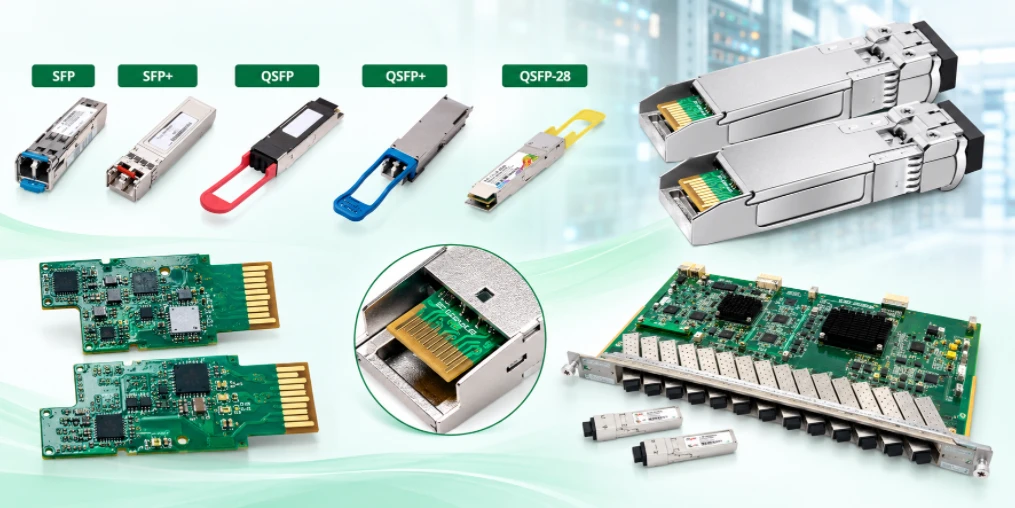
Optical Transceiver PCB Assembly Services in China
Highleap Electronics provides optical transceiver PCB...
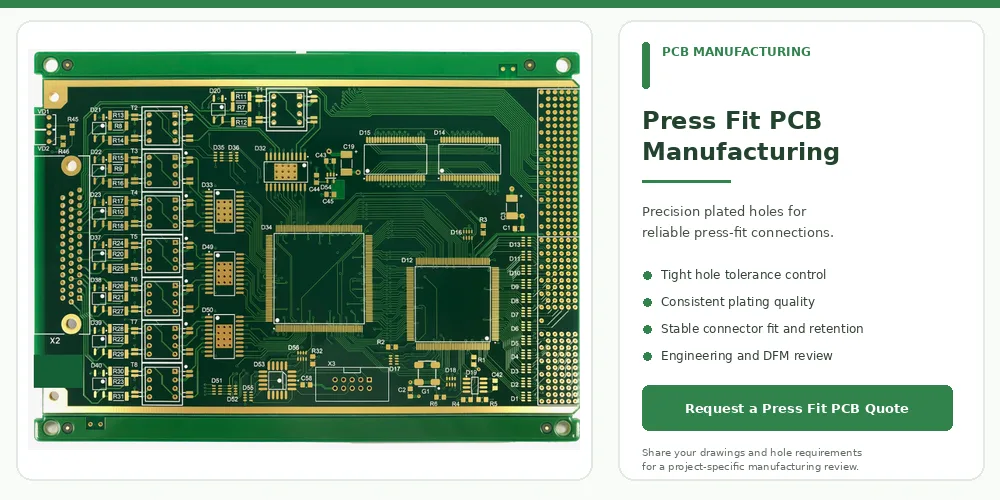
Precision Press Fit PCB Manufacturing with Tight Tolerances
Press-fit PCB manufacturing requires close coordination...
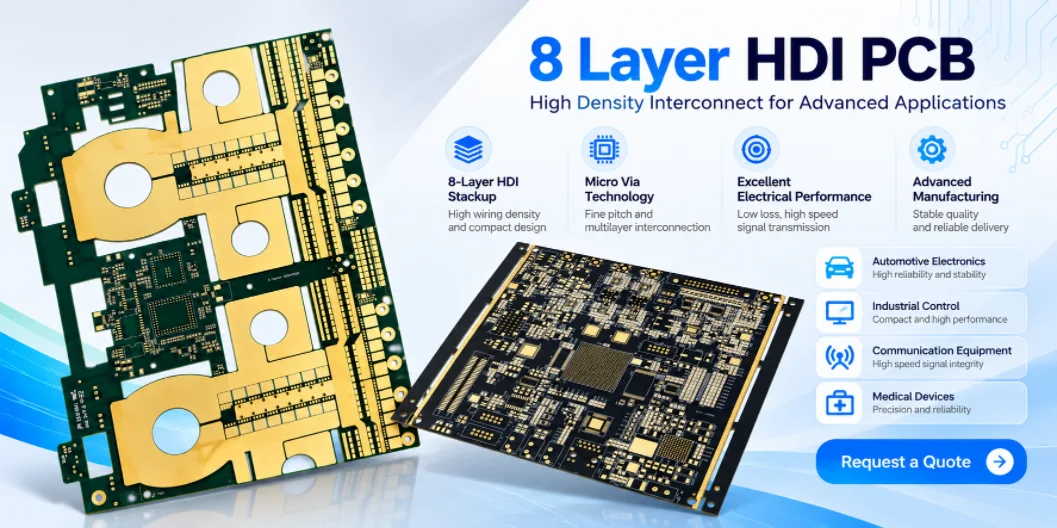
8 Layer HDI PCB Manufacturer in China
Highleap Electronics provides 8 layer HDI PCB...
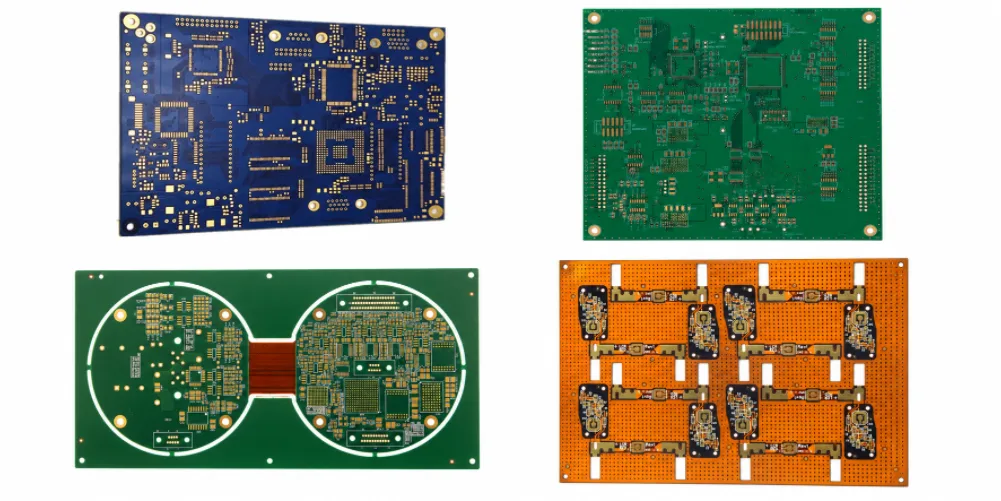
8 Layer Rigid-Flex PCB Manufacturing and Cost Guide
An 8 layer rigid-flex PCB combines multilayer rigid...
How to get a quote for PCBs
Let‘s run DFM/DFA analysis for you and get back to you with a report. You can upload your files securely through our website. We require the following information in order to give you a quote:
-
- Gerber, ODB++, or .pcb, spec.
- BOM list if you require assembly
- Quantity
- Turn time
In addition to PCB manufacturing, we offer a comprehensive range of electronic services, including PCB design, PCBA, and turnkey solutions. Whether you need help with prototyping, design verification, component sourcing, or mass production, we provide end-to-end support to ensure your project’s success.
For PCBA services, please provide your BOM (Bill of Materials) and any specific assembly instructions. We also offer DFM/DFA analysis to optimize your designs for manufacturability and assembly, ensuring a smooth production process.