
Advanced Medical PCB Manufacturing: Standards, Design, and Supplier Selection

The Medical PCB Manufacturing industry demands the highest levels of precision, reliability, and regulatory compliance from every component, particularly printed circuit boards (PCBs). As medical devices become increasingly sophisticated and miniaturized, understanding the complex requirements for Medical PCB Manufacturing has become essential for device manufacturers, design engineers, and procurement professionals.
This comprehensive guide examines the critical standards, material considerations, and supplier evaluation criteria necessary for successful Medical PCB Manufacturing, providing the technical foundation needed to make informed decisions in this highly regulated industry.
Understanding Medical PCB Classifications and Standards
IPC Class 3 Requirements
Medical PCB Manufacturing operates under significantly more stringent requirements than standard commercial electronics. The Institute for Printed Circuits (IPC) classifies medical device PCBs under Class 3 standards, which represent the highest reliability requirements in the electronics industry.
Class 3 PCBs must demonstrate continued performance in life-support applications where equipment failure could result in serious injury or death. This classification mandates zero tolerance for defects that could affect functionality, requiring enhanced inspection procedures, tighter manufacturing tolerances, and comprehensive documentation throughout the production process.
Regulatory Framework Compliance
The regulatory framework for Medical PCB Manufacturing extends beyond IPC standards to encompass FDA requirements, ISO 13485 quality management systems, and specific medical device regulations depending on the intended application. Device manufacturers must ensure their PCB suppliers maintain appropriate certifications and demonstrate consistent compliance with these overlapping regulatory requirements.
Risk Management Standards
ISO 14971 risk management standards also play a crucial role in Medical PCB Manufacturing. Suppliers must implement systematic risk assessment procedures that identify potential failure modes, evaluate their clinical impact, and establish appropriate mitigation strategies throughout the product lifecycle.

Critical Design Considerations for Medical Applications
Biocompatibility Requirements
Medical PCB Manufacturing requires careful evaluation of multiple technical factors that directly impact device performance and patient safety. Biocompatibility is a primary concern for any PCB component that may come into direct or indirect contact with patients. Materials and finishes must comply with ISO 10993 biological evaluation standards to ensure that they do not pose risks to human health.
Electromagnetic Compatibility (EMC)
Electromagnetic compatibility (EMC) considerations become particularly complex in medical environments, where devices must operate reliably despite interference from other medical equipment, wireless communication systems, and external electromagnetic sources.
In Medical PCB Manufacturing, design engineers must implement comprehensive EMC mitigation strategies, including proper grounding techniques, shielding solutions, and careful component placement to ensure uninterrupted device functionality.
Thermal Management Challenges
Thermal management is another critical challenge in Medical PCB Manufacturing, especially for implantable devices or equipment requiring continuous operation. Medical PCBs must maintain stable performance across wide temperature ranges while dissipating heat effectively. It is crucial to achieve this without compromising patient safety or device functionality.
Miniaturization and HDI Technology
Size constraints continue to drive innovation in Medical PCB Manufacturing as manufacturers pursue smaller, more portable devices. High-density interconnect (HDI) technology, microvias, and advanced materials enable the miniaturization required for wearable devices, implantable systems, and point-of-care diagnostic equipment, ensuring that medical devices meet the ever-evolving needs of modern healthcare.
Material Selection for Medical PCB Applications
Polyimide Materials
The selection of appropriate materials in Medical PCB Manufacturing significantly influences device performance, regulatory compliance, and manufacturing costs. Each material category offers distinct advantages for specific medical applications, requiring careful evaluation of performance requirements against cost considerations.
Polyimide materials provide exceptional flexibility, thermal stability, and chemical resistance, making them ideal for implantable devices and flexible medical electronics. These materials maintain their properties across extreme temperature ranges and resist degradation from bodily fluids, sterilization processes, and pharmaceutical compounds, making them essential for reliable Medical PCB Manufacturing.
Ceramic PCB Solutions
Ceramic PCBs offer superior thermal conductivity and low thermal expansion characteristics, essential for high-power medical devices such as surgical equipment and diagnostic imaging systems. The excellent dimensional stability and chemical inertness of ceramic materials make them particularly suitable for applications requiring long-term reliability in harsh environments, which is a critical factor in Medical PCB Manufacturing.
Rigid-Flex Constructions
Rigid-flex PCB constructions combine the reliability of rigid boards with the flexibility needed for complex medical device geometries. This approach reduces interconnection points, improves reliability, and enables more compact device designs while maintaining the mechanical integrity required for medical applications, a key benefit in Medical PCB Manufacturing.
Surface Finish Options
Specialized surface finishes play a crucial role in Medical PCB Manufacturing performance and compliance. Electroless nickel immersion gold (ENIG) finishes provide excellent corrosion resistance and biocompatibility, while organic solderability preservatives (OSP) offer cost-effective solutions for devices with shorter service lives.

Supplier Evaluation Framework
Quality Management Certifications
Selecting an appropriate Medical PCB Manufacturing partner requires a systematic evaluation of technical capabilities, quality systems, and regulatory compliance status. The complexity of medical device regulations demands suppliers who demonstrate a deep understanding of industry requirements and maintain current certifications.
Quality management system certification is a fundamental requirement for Medical PCB Manufacturing suppliers. ISO 13485 certification demonstrates a supplier’s commitment to medical device quality requirements, while ISO 9001 certification provides additional assurance of systematic quality management practices, ensuring that the manufacturer consistently meets standards.
Manufacturing Capability Assessment
The Manufacturing Capability Assessment should encompass both technical specifications and production capacity. Suppliers must demonstrate proficiency in advanced manufacturing techniques such as HDI fabrication, controlled impedance processing, and specialized surface finishes, all essential for Medical PCB Manufacturing.
Additionally, suppliers should maintain the statistical process control necessary for Class 3 applications to ensure high reliability and performance in life-critical medical devices.
Traceability and Documentation
Traceability and documentation capabilities are critical in Medical PCB Manufacturing. Suppliers must maintain comprehensive records of raw materials, processing parameters, inspection results, and shipping documentation to support regulatory submissions and post-market surveillance activities. This ensures transparency and accountability, which are essential in the highly regulated medical device industry.
Supply Chain Management
Supply chain management practices are especially critical in Medical PCB Manufacturing. Medical device manufacturers must maintain consistent component availability while ensuring regulatory compliance. Suppliers should demonstrate robust vendor qualification processes, alternate sourcing strategies, and change control procedures that minimize supply disruption risks, ensuring a steady flow of compliant and high-quality materials.
Engineers usually confirm this topic together with PCB inspection and quality control and DFM review when preparing a reliable PCB or PCBA build.
Regulatory Compliance and Documentation Requirements
Design Documentation Standards
Medical PCB Manufacturing involves extensive documentation requirements that support regulatory submissions, quality audits, and post-market surveillance activities. Understanding these requirements is essential for device manufacturers to establish appropriate supplier relationships and maintain compliance throughout the product lifecycle.
Design documentation must demonstrate compliance with applicable standards and regulations while providing sufficient detail to support manufacturing reproducibility. This includes detailed specifications for materials, processes, inspection criteria, and handling procedures that ensure consistent quality outcomes in Medical PCB Manufacturing.
Process Validation Requirements
Process validation is a critical aspect of Medical PCB Manufacturing. It mandates the systematic verification of manufacturing processes to ensure they consistently produce PCBs meeting specified requirements. Suppliers must document installation qualification, operational qualification, and performance qualification activities for critical manufacturing processes, ensuring that every step meets regulatory standards.
Change Control Procedures
Change control procedures are essential in Medical PCB Manufacturing. Formal documentation and approval processes must be followed for any modifications to materials, processes, or specifications that could affect PCB performance or regulatory compliance.
These procedures must include impact assessments, validation activities, and customer notification requirements to maintain compliance and ensure that changes do not negatively affect product performance or safety.
Compliance Certification
A certificate of compliance provides formal attestation that manufactured PCBs meet specified requirements and applicable regulations. This documentation supports device manufacturer quality systems and regulatory submissions while providing traceability for post-market activities in Medical PCB Manufacturing, ensuring ongoing compliance throughout the product lifecycle.

Cost Optimization Strategies
Design for Manufacturability
Medical PCB Manufacturing costs typically exceed standard commercial applications due to enhanced quality requirements, specialized materials, and extensive documentation needs. However, several strategies can help optimize costs while maintaining compliance and performance standards.
Design for manufacturability principles can significantly reduce production costs by eliminating unnecessary complexity, optimizing panel utilization, and selecting materials that balance performance requirements with cost considerations. Early supplier engagement during the design phase helps identify cost optimization opportunities while ensuring manufacturability in Medical PCB Manufacturing.
Volume Consolidation
Volume consolidation strategies enable manufacturers to achieve better pricing through larger order quantities while reducing supply chain complexity. This approach requires careful demand forecasting and inventory management to balance cost savings against working capital requirements, ensuring that Medical PCB Manufacturing processes remain cost-efficient while meeting strict quality standards.
Strategic Supplier Partnerships
Long-term supplier partnerships often provide cost advantages through reduced qualification costs, shared development investments, and preferential pricing arrangements. These relationships require careful supplier selection and ongoing performance management to ensure continued value delivery in Medical PCB Manufacturing, allowing manufacturers to optimize costs without compromising regulatory compliance or product quality.
Alternative Material Evaluation
Alternative material evaluations may identify cost-effective options that meet performance requirements while reducing material costs in Medical PCB Manufacturing. This approach requires thorough testing and validation to ensure regulatory compliance and performance equivalence, ensuring that cost savings do not sacrifice the integrity or safety of medical devices.

Technology Trends and Future Considerations
Additive Manufacturing Technologies
The Medical PCB Manufacturing industry continues to evolve in response to advancing medical technologies, changing regulatory requirements, and emerging market demands. Understanding these trends helps manufacturers make informed decisions about supplier capabilities and technology investments.
Additive manufacturing technologies are beginning to influence Medical PCB Manufacturing through direct printing of conductive traces, embedded components, and three-dimensional circuit structures. While still emerging, these technologies may enable new device architectures and manufacturing approaches in specialized applications, enhancing the flexibility and design possibilities for medical devices.
Advanced Materials Development
Advanced materials development is a key area of focus in Medical PCB Manufacturing, aimed at improving biocompatibility, enhancing performance characteristics, and reducing environmental impact. New polymer formulations, nano-enhanced materials, and biodegradable substrates represent areas of active research with potential medical device applications, helping manufacturers meet the growing demand for safer, more sustainable medical devices.
Digital Manufacturing and Industry 4.0
Digitalization and Industry 4.0 concepts are transforming Medical PCB Manufacturing through enhanced process monitoring, predictive maintenance, and automated quality control systems. These developments promise improved consistency, reduced costs, and enhanced traceability capabilities, making the manufacturing process more efficient and compliant with strict medical device regulations.
Sustainability Considerations
Sustainability considerations are gaining importance in Medical PCB Manufacturing as healthcare systems seek to reduce environmental impact while maintaining performance standards. This includes evaluation of material sources, manufacturing processes, and end-of-life disposal considerations, ensuring that medical device manufacturers are aligned with global sustainability goals while still meeting rigorous regulatory and performance requirements.
Conclusion
Successful Medical PCB Manufacturing requires a comprehensive understanding of regulatory requirements, technical specifications, and supplier capabilities. The complexity of medical device regulations, combined with advancing technology requirements, demands careful supplier selection and ongoing relationship management.
Device manufacturers benefit from establishing clear specifications, implementing robust supplier evaluation processes, and maintaining strong communication with their Medical PCB Manufacturing suppliers throughout the product lifecycle. This approach ensures regulatory compliance, optimizes costs, and supports successful medical device commercialization.
As the medical device industry continues to evolve, Medical PCB Manufacturing suppliers who demonstrate technical excellence, regulatory expertise, and commitment to continuous improvement will provide the greatest value to their customers. The investment in proper supplier selection and relationship management pays dividends through reduced development time, improved product quality, and enhanced regulatory compliance.
For manufacturers seeking medical PCB solutions, partnering with experienced suppliers who understand the unique requirements of medical device manufacturing is essential. Highleap Electronic combines over 20 years of medical PCB expertise with comprehensive manufacturing capabilities, quality certifications, and regulatory compliance support to help bring innovative medical devices to market safely and efficiently.

Related Articles
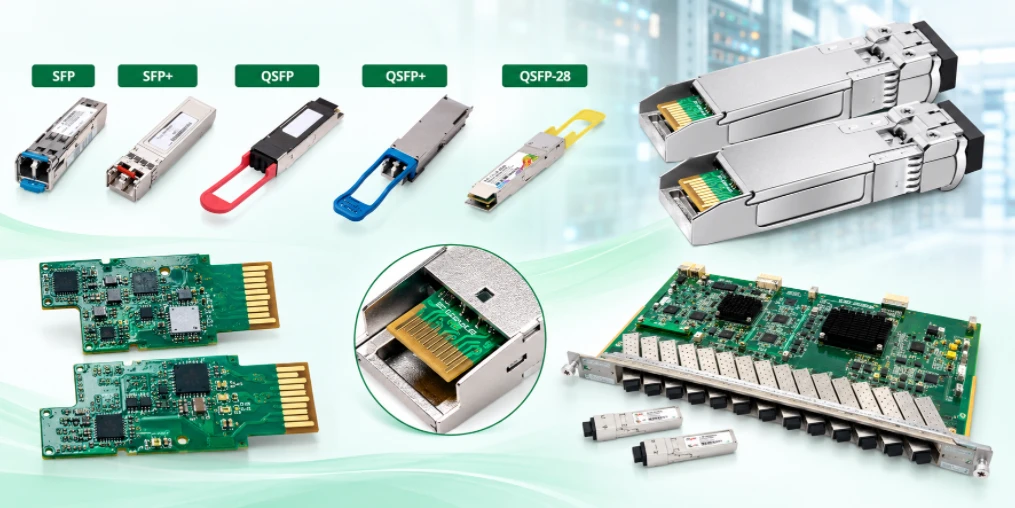
Optical Transceiver PCB Assembly Services in China
Highleap Electronics provides optical transceiver PCB...
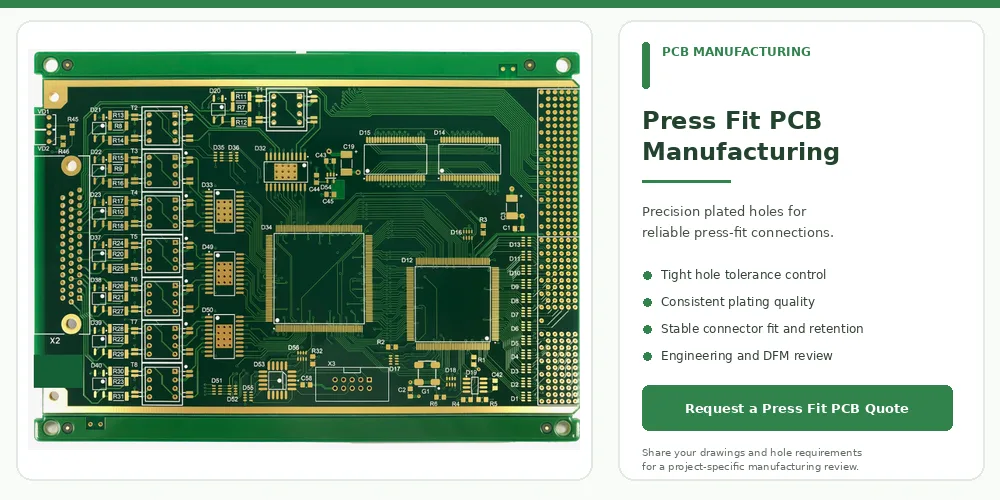
Precision Press Fit PCB Manufacturing with Tight Tolerances
Press-fit PCB manufacturing requires close coordination...
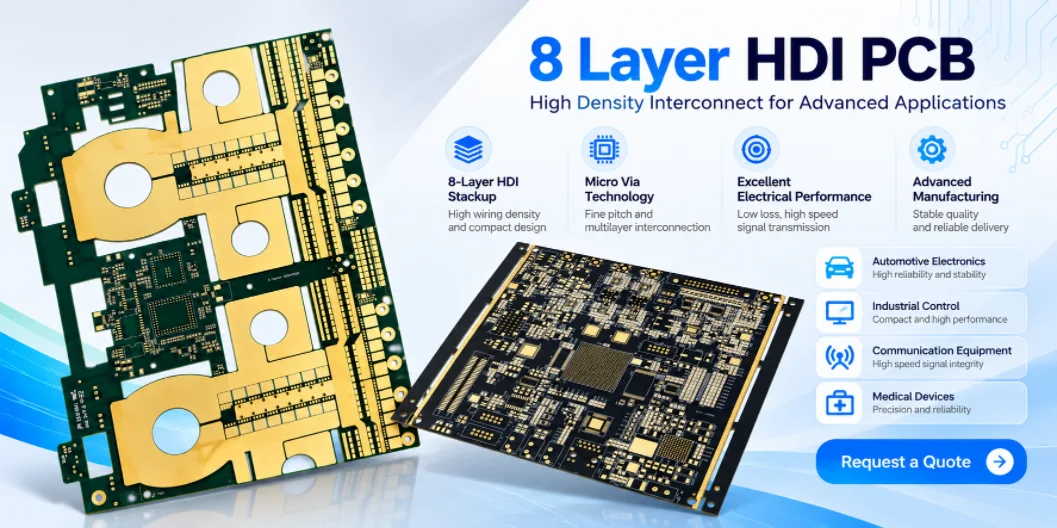
8 Layer HDI PCB Manufacturer in China
Highleap Electronics provides 8 layer HDI PCB...
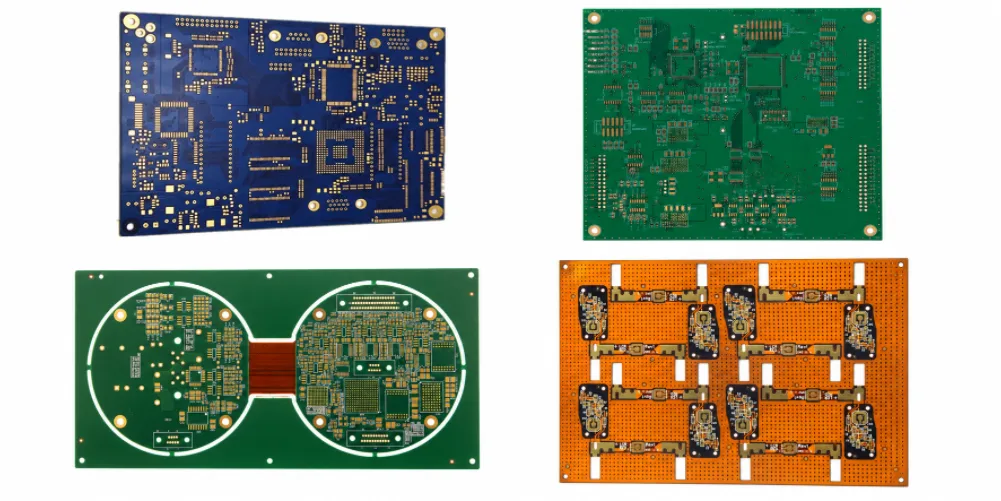
8 Layer Rigid-Flex PCB Manufacturing and Cost Guide
An 8 layer rigid-flex PCB combines multilayer rigid...