
Back to blog
Why is PCB Insulation Necessary?
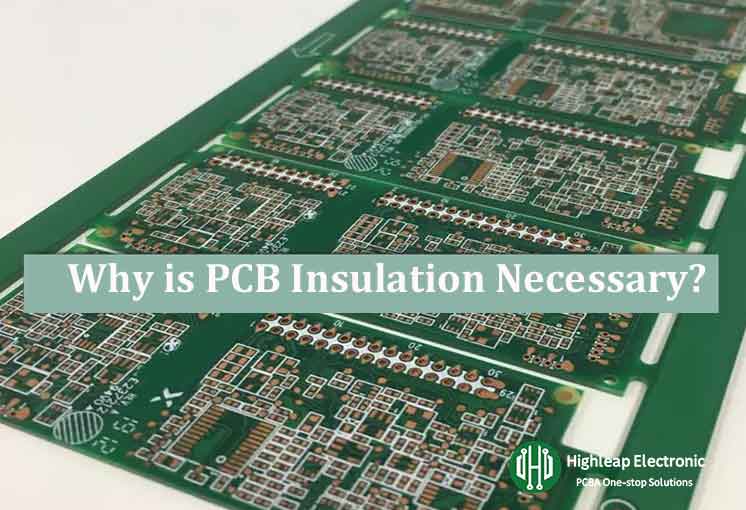
PCB insulation is a critical aspect of the design and manufacturing of printed circuit boards (PCB), serving several essential purposes that ensure the reliability, functionality, and safety of electronic devices. Here’s a detailed explanation of why PCB insulation is necessary
PCB insulation is part of both material selection and electrical safety, especially where voltage, humidity, or contamination are present; review the insulation approach with PCB material selection and solder mask coverage before release.
1. Electrical Isolation
Prevents Short Circuits: Insulation between different conductive paths on a PCB prevents electrical short circuits. This separation is crucial for the proper functioning of the circuit, as shorts can lead to malfunctioning or even damage to the electronic components.
Defines Circuit Paths: By insulating certain areas, designers can control the flow of electrical currents along predefined paths. This precision is vital for achieving the desired electrical performance and functionality of the device.
2. Signal Integrity
Minimizes Crosstalk: Insulation helps in reducing electromagnetic interference (EMI) between adjacent traces, known as crosstalk, which can degrade the quality of the signal. Proper insulation ensures that high-speed signals and sensitive analog signals are transmitted without distortion.
Preserves Signal Strength: By preventing unintended electrical contacts, insulation helps in maintaining the strength and clarity of the electrical signals passing through the PCB. This is particularly important in high-frequency applications where signal degradation can significantly impact performance.
3. Thermal Management
Reduces Heat Buildup: Insulating materials often have properties that help in dissipating heat generated by electronic components. This is essential for preventing overheating, which can lead to component failure or reduced lifespan.
Protects Sensitive Components: Certain components are more susceptible to heat damage than others. Insulation can help protect these components by limiting their exposure to high temperatures.
4. Chemical and Moisture Protection
Prevents Corrosion: Insulating layers protect the conductive materials from exposure to oxygen and moisture, which can cause corrosion. Corrosion can degrade the conductive paths, leading to failures in the circuit.
Shields Against Contaminants: Dust, oils, and other contaminants can cause electrical failures. Insulation provides a barrier that protects the conductive elements of the PCB from such contaminants.
5. Mechanical Stability
Enhances Durability: The insulating materials used in PCBs contribute to the mechanical strength and rigidity of the board. This is essential for preventing physical damage during handling, assembly, and operation.
Supports Component Mounting: Insulation layers, particularly those used in multilayer PCBs, provide the necessary support for mounting electronic components securely. This ensures reliable connections and functionality over the device’s lifespan.
6. Safety
Protects Users: Insulation prevents users from coming into direct contact with potentially dangerous voltages and currents. This is a critical consideration in consumer electronics, where user safety is paramount.
Compliance with Standards: Many electronic products must meet specific safety standards that include requirements for adequate insulation to prevent electrical shocks and fires.
In summary, PCB insulation is fundamental to the design and function of electronic circuits. It ensures electrical isolation, preserves signal integrity, manages thermal conditions, protects against chemical and moisture-induced damage, provides mechanical stability, and ensures user safety. Without proper insulation, the reliability and performance of electronic devices would be compromised, leading to increased failures and safety risks.
If this requirement affects sourcing or production release, compare it with PCB quality assurance process and EMS production support before sending the final files for review.

Related Articles
TG140 PCB Material Selection and Fabrication
TG140 PCB manufacturing and assembly for custom circuit boards. Get fabrication, material review and PCBA support from Highleap Electronics. Request a quote.
How to Select Tg180 PCB Materials for Custom Boards
Compare Tg180 PCB laminate options, Tg test methods, dielectric properties, and fabrication requirements before specifying materials for production.
Tg170 PCB Manufacturing and Assembly for Industrial Electronics
Source Tg170 PCBs for industrial electronics. Review FR-4 material specifications, fabrication quality, bulk order planning, cost and lead time.