
High-Quality PI Film Lamination Services for Rigid PCBs

At Highleap Electronic, we are a leading, full-service PCB manufacturing and assembly company, equipped to handle all types of PCB production. With our expertise in producing a wide range of PCBs, from simple to highly complex designs—including those with small-pitch and intricate layouts—we ensure that every product meets the highest standards of quality and precision.
Our Rigid PCB Polyimide (PI) Film Application Guidelines provide detailed, professional insights into the application of PI films, which are essential for many high-performance PCBs. These guidelines cover all aspects of PI film application, from material selection to the precise design and manufacturing processes, helping ensure that each project meets both functional and aesthetic requirements.
Whether you need standard rigid PCBs or advanced, complex solutions with PI film applications, we offer the expertise and capabilities to deliver. Our comprehensive approach ensures that every PCB, regardless of complexity, is produced with the utmost care and attention to detail, making us your trusted partner for all PCB manufacturing needs.
This document details the definitions, specifications, and design considerations required for the application of PI film, including step-by-step instructions for successful integration. Whether you are developing complex multi-layer PCBs or require specific film thickness and adhesive configurations, our guidelines provide clear, practical information to support the manufacturing process.

PI Films
1. Introduction to Polyimide (PI) Film
Polyimide (PI) film is a high-performance thermosetting polymer known for its excellent mechanical, electrical, and thermal properties. It is widely used in the electronics industry, particularly in printed circuit board (PCB) manufacturing. PI films are primarily employed as insulating materials for flexible circuit boards (flex-PCBs) and as protective coatings for external wiring, offering exceptional dielectric strength, heat resistance, and electrical insulation.
PI Films Structure
PI films typically have a two-layer structure—one layer of polyimide and one layer of epoxy resin adhesive, which bonds the film to the PCB. This configuration, referred to as a cover film (or CVL), allows for efficient and secure attachment of the PI film to the board’s surface.
2. Types of PI Films Suitable for Rigid PCBs
The application of PI film depends on the type of PCB and its specifications. Below are the conditions for applying PI films to rigid PCBs:
- Bare Board with PI Film: The copper thickness on the surface should not exceed 2 oz. when PI film is applied directly to the PCB.
- After Solder Mask Application: If the solder mask is already applied, the copper thickness should be ≤ 4 oz. to ensure proper adhesion of the PI film.
- Board Size: The maximum length of the board for PI film application should not exceed 24 inches (610 mm) on the longer side.
3. Product Design and Engineering Considerations
The design and preparation stages are critical to ensure the PI film is applied correctly and to prevent future issues during the manufacturing process. The following considerations must be taken into account:
Through-Hole and PI Film Windowing
- Risk: Covering plated through-holes with PI film can trap flux or chemicals, leading to defects in surface finishing (e.g., gold or silver plating).
- Solution: Define clear windowing requirements at the design stage in consultation with the customer. Ensure all necessary holes are exposed to avoid plating contamination.
Surface Treatment Considerations
- Risk: Applying PI film after finishes such as tin, solder, or immersion silver may cause oxidation, discoloration, or reduced solderability.
- Solution: Confirm with the customer whether such cosmetic risks are acceptable, or switch to more stable finishes (e.g., ENIG gold plating) before PI film application.
Metalized Holes and Window Opening Design
- Rule: Maintain a minimum 10 mil (0.25 mm) clearance between adjacent window openings when PI film covers metallized holes.
- Reason: This ensures stable adhesion and avoids film cracking or circuit integrity issues.
- Action: If spacing is insufficient, consult the customer to adjust hole or window design.
Manual Handling and Placement Methods
PI film application is usually a manual process, requiring precise alignment. Three placement methods are recommended:
| Alignment Method | Description | Accuracy | Notes |
|---|---|---|---|
| Option 1 | Etched copper alignment marks on the external layer | ★★★ | High precision, best practice |
| Option 2 | Silkscreen character lines | ★★☆ | Moderate precision, widely used |
| Option 3 | Alignment via pads and holes | ★☆☆ | Lower accuracy, less efficient, use only when other options are not feasible |
4. Selection of PI Film Specifications
The selection of PI film thickness and adhesive layer thickness is essential for ensuring proper adhesion and performance. The following PI films and adhesive options are available:
| Type Category | Type | Specification |
|---|---|---|
| PI Film with Adhesive Layer (CVL) | 515 | 0.5 mil PI film + 15 µm adhesive |
| 1025 | 1 mil PI film + 25 µm adhesive | |
| 2030 | 2 mil PI film + 30 µm adhesive | |
| Pure Adhesive Types | BH-10 | 10 µm adhesive |
| BT-25 | 25 µm adhesive | |
| BT-40 | 40 µm adhesive |
Adhesive Thickness and Copper Thickness Ratio
- Design Rule: Adhesive thickness should be 0.7–1.2 × copper thickness (ideal = 1:1).
- Example: For finished copper thickness = 70 µm → recommended adhesive thickness ≈ 70 µm.
- Note: If the selected PI cover film adhesive (e.g., 15 µm) is insufficient, add pure adhesive (e.g., BT-40 = 40 µm) to meet bonding requirements.
PI Film Thickness Options
- Available thicknesses: 0.5 mil, 1 mil, 2 mil
- Standard: 1 mil, unless otherwise specified by customer requirements
- Consider board design, total stack-up thickness, and performance needs before final confirmation
5. Process Flow for PI Film Application
The process flow for applying PI film on rigid PCBs follows these steps:
Covering Holes with PI Film
Normal Process Flow: PI film application should occur after surface treatments (e.g., solder mask) and before the final inspection. The typical flow is: Normal Pre-Processing → PI Film Application → Lamination → Final Inspection.
Windowing of PI Film
For designs requiring windowing to expose copper pads or traces, PI film application can occur before surface treatment. The process flow is: Normal Pre-Processing → PI Film Application → Lamination → Surface Treatment → Post-Processing.

6. Engineering Design and CAM Requirements
To ensure smooth production, proper design files are essential. CAM (Computer-Aided Manufacturing) files should include detailed instructions for PI film application:
- PI Film Positioning: CAM files should specify the exact position of PI film on each layer. Clear markings must be made, using etched copper lines or silkscreen symbols to guide the application process.
- Windowing for Metalized Holes: When applying PI film over metalized holes, the window dimensions must be accurate to avoid overflow of adhesive that could interfere with component mounting. The recommended window size for pads and drilled holes should follow specific guidelines depending on the adhesive thickness.
- PI Film Panelization: When creating the panel for PI film, all shapes (e.g., rectangular, circular, and irregular) should be consolidated into a single panel file (in DXF format). The file should include precise measurements, with a 1 mm gap between units unless all units are rectangular or square. Panel length must not exceed 24 inches (610 mm).
7. ERP System Integration and Processing Instructions for PI Film Application
To ensure consistency and precision in PI film application, the ERP system should provide CAM engineers with clear, step-by-step instructions covering material specifications, processing methods, and quality control.
Material Specifications and Handling
- ERP system must specify PI film type (e.g., 515, 1025, 2030) and adhesive thickness.
- Adhesive thickness should match copper thickness (0.7–1.2×).
- Include batch numbers for full traceability.
Processing Method for Non-Circular Shapes
- Provide cutting methods (laser, die cutting).
- Define shape dimensions and cutting paths.
- Ensure accuracy to minimize material waste.
Drilling and Windowing for Metalized Holes
- Define window sizes and tolerances for plated holes.
- Specify cutting/drilling method (mechanical or laser).
- Include alignment rules to prevent misplacement.
Lamination and Pressing Specifications
- Record lamination temperature, pressure, and curing time.
- Define process sequence (before/after solder mask or plating).
- Provide handling rules for adhesive overflow and curing.
Quality Control and Process Validation
- Integrate checkpoints for adhesive coverage, alignment, and bonding strength.
- Use automated inspection to detect wrinkles, bubbles, or misalignment.
- Validate PI film thickness at key stages.
- Track material consumption and inventory within ERP.
8. Final Considerations and Benefits of PI Film for Rigid PCB Lamination
The lamination of Polyimide (PI) film is a vital process in rigid PCB manufacturing, ensuring durability, reliability, and performance in demanding electronic applications.
Key Benefits of PI Film Application:
-
Superior Insulation – Provides excellent dielectric strength, improving electrical reliability.
-
Thermal Resistance – Maintains stability under high temperatures, preventing performance degradation.
-
Environmental Protection – Shields circuitry from oxidation, moisture, and mechanical wear.
-
Enhanced Thermal Management – Supports heat dissipation, extending component lifespan.
-
Long-Term Reliability – Ensures consistent performance in harsh environments such as aerospace, automotive, and telecommunications.
Conclusion:
By selecting the appropriate PI film type and adhesive thickness, and following precise lamination practices, manufacturers can produce rigid PCBs that meet the stringent requirements of modern electronics. Proper PI film application not only strengthens the electrical, mechanical, and thermal properties of the PCB but also guarantees long-term reliability and stability in mission-critical applications.
Partner with Highleap Electronic for Advanced PI Film Lamination Solutions for Rigid PCBs
At Highleap Electronic, we are a leading, full-service PCB manufacturer, offering a wide range of PCB solutions for various industries. From simple to complex designs, including small-pitch and advanced multi-layer PCBs, our team has the expertise to meet your diverse needs.
Whether you need rigid PCBs with PI film lamination or require customized PCB designs for specific applications, we provide end-to-end services, including material selection, design, precision lamination, and final assembly. Our advanced manufacturing capabilities allow us to deliver reliable, high-performance PCBs tailored to your exact specifications.
If you’re looking for a trusted PCB manufacturer with extensive experience in handling all types of designs, from the simplest to the most intricate, contact us today. At Highleap Electronic, we are committed to delivering premium, high-quality solutions that meet the highest standards of performance and reliability for all your PCB projects.

Recommended Posts
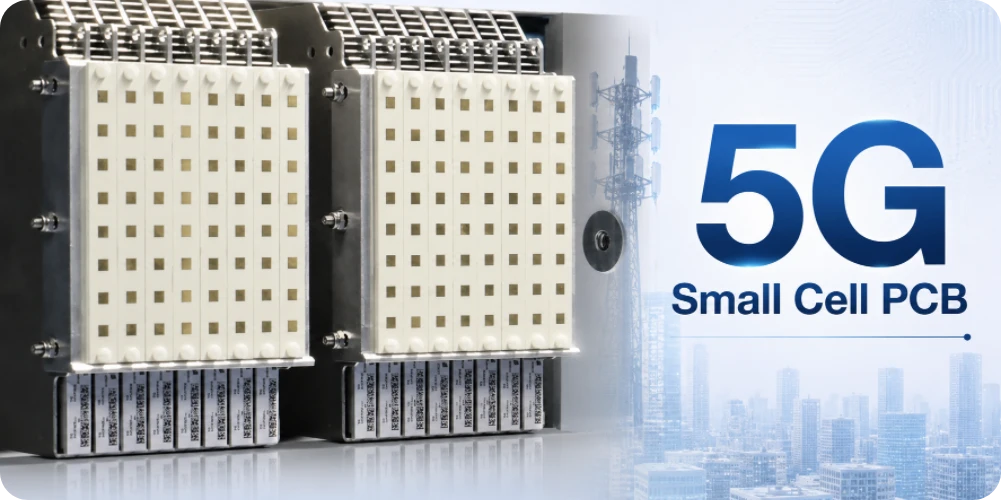
5G Small Cell PCB Manufacturing for RF and Telecom Infrastructure
Table of Contents 5G Small Cell PCB Requirements Depend on...
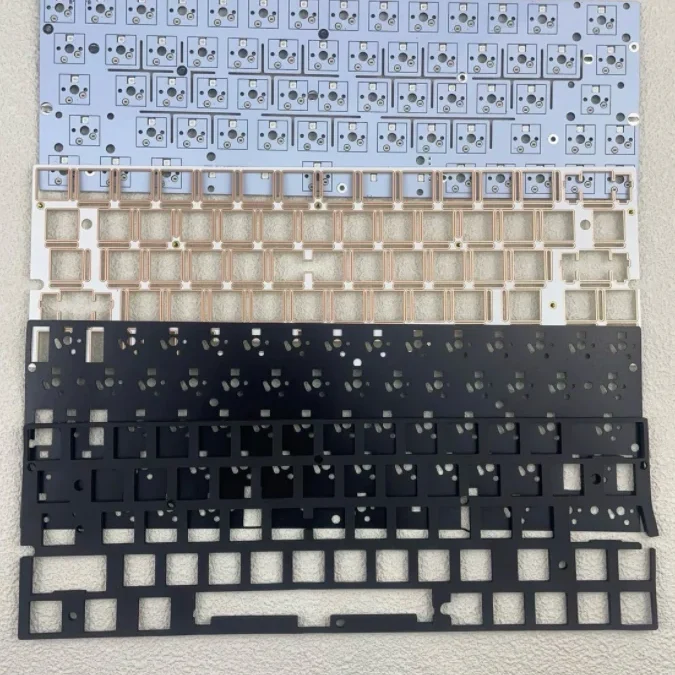
Custom 65% Keyboard PCB and PCBA Manufacturing
Table of contents 1. From Design Files to Production-Ready...
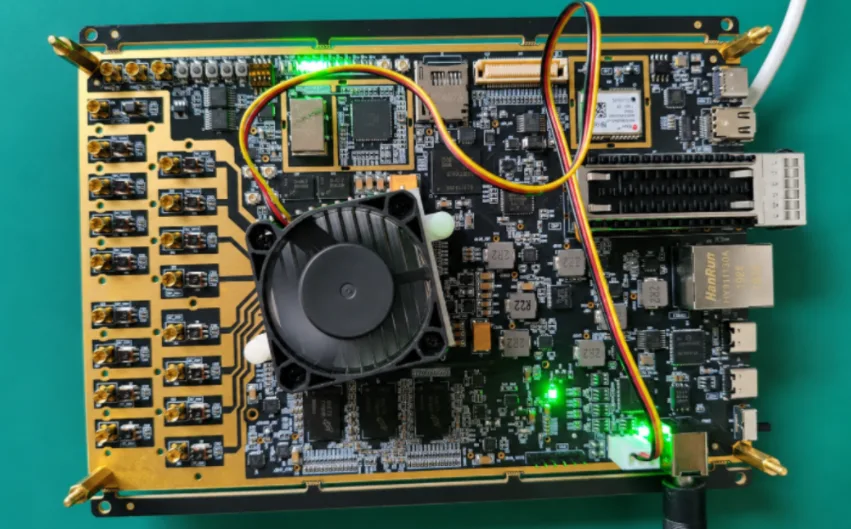
RFSoC Board PCB Manufacturing and Assembly One-Stop Service
Table of contentsReference RFSOC Board Project: 115 × 175...
How to Reduce PCB Costs in 2026
Table of contents Why 80% of PCB Cost Is Locked in at...
How to get a quote for PCBs
Let us run DFM/DFA analysis for you and get back to you with a report.
You can upload your files securely through our website.
We require the following information in order to give you a quote:
-
- Gerber, ODB++, or .pcb, spec.
- BOM list if you require assembly
- Quantity
- Turn time
In addition to PCB manufacturing, we offer a comprehensive range of electronic services, including PCB design, PCBA (Printed Circuit Board Assembly), and turnkey solutions. Whether you need help with prototyping, design verification, component sourcing, or mass production, we provide end-to-end support to ensure your project’s success. For PCBA services, please provide your BOM (Bill of Materials) and any specific assembly instructions. We also offer DFM/DFA analysis to optimize your designs for manufacturability and assembly, ensuring a smooth production process.