
Power Semiconductor PCB Design for Power Modules

Introduction: The Role of Power Semiconductor PCB in Modern Electronics
Power semiconductor modules serve as the backbone of modern electric vehicles, industrial inverters, and renewable energy systems. The power semiconductor PCB functions as more than a simple interconnect platform. It simultaneously provides electrical conductivity, thermal dissipation pathways, dielectric isolation, and mechanical stability under harsh operating conditions.
Different power devices impose distinct requirements on PCB design. IGBT modules demand robust current-handling capabilities and moderate thermal management. MOSFET-based designs require careful attention to high-frequency switching characteristics. Wide-bandgap semiconductors like SiC and GaN operate at higher temperatures and switching frequencies, necessitating advanced substrate materials and optimized thermal architectures for reliable power module PCB implementation.
Power Semiconductor PCB Configurations and Structures
Thick Copper PCB for High Current Applications
Thick copper PCBs utilize copper weights ranging from 3oz to 10oz per layer to support high continuous currents with minimal resistive losses. These boards enable direct power routing without external bus bars in IGBT module PCB designs. The increased copper mass contributes to heat spreading across the board surface.
Metal Core PCB and IMS Technology
Metal core PCBs feature aluminum or copper base layers that provide superior thermal conductivity compared to standard FR-4 constructions. The insulated metal substrate (IMS) configuration places a thin dielectric layer between the circuit pattern and metal core. This structure suits mid-power applications where thermal requirements exceed conventional capabilities.
DBC and AMB Substrates for Wide-Bandgap Devices
Direct bonded copper (DBC) substrates bond thick copper layers directly to ceramic materials without adhesive layers. Active metal brazing (AMB) achieves similar results using different bonding processes. Both substrate types handle the elevated operating temperatures and thermal cycling requirements of SiC PCB and GaN PCB applications.
Multilayer and Hybrid Stack-ups
Complex power modules often employ multilayer configurations that separate high-power traces from sensitive gate drive signals. Hybrid constructions combine standard FR-4 layers for signal routing with embedded metal cores for power distribution. This approach optimizes cost while meeting diverse functional requirements across the power module PCB stack.

Power Semiconductor Modules
Electrical Design for Power Semiconductor PCB
Current Carrying Capacity and Impedance Control
Power semiconductor PCB design begins with trace width calculations based on current requirements and acceptable temperature rise. Copper thickness directly influences current capacity, with 4oz to 6oz copper standard for primary power paths. Wide traces minimize resistive losses and voltage drops under full load conditions.
High-Frequency Switching Effects in MOSFET PCB
MOSFET PCB layout must address parasitic inductance and capacitance that affect switching performance. Gate drive traces require controlled impedance routing with minimal loop area. Power loop inductance causes voltage overshoot during turn-off transitions. Strategic placement of decoupling capacitors and optimized return paths reduce these parasitics.
Kelvin Connections and Voltage Sensing
Accurate current sensing demands Kelvin connection techniques that separate high-current paths from sense traces. Four-wire sensing eliminates the influence of connection resistance on measurement accuracy. Dedicated sense traces route directly to device terminals without sharing copper with power currents.
High-Voltage Isolation Requirements
Power electronics operate at voltages requiring specific creepage and clearance distances between conductors. Safety standards define minimum spacing based on voltage levels and pollution degrees. The power module PCB layout must accommodate these requirements while maximizing circuit density.
Thermal Management in Power Semiconductor PCB
Embedded Copper and Via Technologies
Effective thermal management strategies for power semiconductor PCB include:
- Copper coin embedding – Thick copper masses beneath components spread heat laterally before transferring to heat sinks.
- Via-in-pad construction – Copper-filled thermal vias eliminate air gap resistance under device footprints.
- Thermal via arrays – Multiple vias create low-impedance thermal paths through board thickness.
- Metal base integration – Full-plane heat spreaders provide maximum thermal conductivity for high-power applications.
Advanced Ceramic Substrates for SiC PCB
High thermal conductivity ceramics offer superior performance for power semiconductor PCB applications:
- Aluminum nitride (AlN) – Thermal conductivity approaching 180 W/mK enables efficient heat removal from SiC devices.
- Silicon nitride (Si₃N₄) – Provides mechanical toughness with thermal performance suitable for GaN PCB assemblies.
- Direct die mounting – Eliminates intermediate thermal interface materials to reduce total thermal resistance.
Thermal Simulation and Power Cycling Analysis
Finite element thermal modeling predicts junction temperatures and identifies thermal hotspots before prototype fabrication. Transient thermal analysis evaluates temperature swings during power cycling that drive fatigue failure mechanisms. Material coefficient of thermal expansion (CTE) mismatches create mechanical stress during thermal excursions.
Heat Dissipation Path Optimization
Effective thermal design creates low-resistance paths from semiconductor junctions through solder interfaces, substrates, and thermal interface materials to ambient cooling systems. Heat dissipation PCB designs minimize the number and thickness of interfaces while maximizing contact areas and material thermal conductivity.
Material Selection for Power Module PCB
Dielectric Material Choices
Standard FR-4 materials suffice for power module PCBs operating below 130°C with moderate frequency requirements. High-Tg laminates like FR-408HR extend operating ranges to 180°C glass transition temperatures. Polyimide substrates withstand continuous operation above 200°C, necessary for SiC and GaN die mounting.
Copper Weight and Plating Quality
Base copper thickness selection balances current capacity against material cost and fabrication complexity. Finished copper weights account for additional plating during via formation and surface finishing. Heavy copper boards require special etching processes and extended processing times.
Surface Finish Selection for Power Semiconductor PCB
Electroless nickel immersion gold (ENIG) provides excellent solderability and wire bonding surfaces for power semiconductor PCB assembly. Immersion silver and organic solderability preservative (OSP) finishes reduce cost but require careful storage. Hard gold plating serves high-current edge connectors and sliding contact applications.
Advanced Bonding Technologies
Sintered silver die attach creates void-free bonds with superior thermal and electrical conductivity compared to traditional solders. High-temperature solders maintain mechanical integrity under power cycling at elevated temperatures. The bonding method selection impacts overall power module reliability.

Power Semiconductor Modules
Reliability and Testing for Power Semiconductor PCB
Power Cycling and Thermal Cycling Tests
Power cycling applies repeated electrical loads that generate internal heating and cooling cycles representative of field operation. Test standards specify current levels, on-times, and temperature swings based on application requirements. Both tests identify fatigue mechanisms affecting solder joints and substrate delamination.
High-Voltage Withstand Testing
HiPot testing applies voltages exceeding normal operating levels to verify insulation integrity between isolated circuits. Test voltages typically reach 1.5 to 2 times the working voltage for specified durations. Partial discharge testing detects incipient insulation failures before complete breakdown occurs.
Failure Analysis Methods
Critical reliability validation methods for power semiconductor PCB include:
- Cross-sectioning – Exposes internal construction details and reveals failure modes invisible from external inspection.
- X-ray imaging – Identifies voids in solder joints and delamination between material layers without destructive testing.
- Scanning acoustic microscopy – Detects interfacial cracks and disbonds to ensure long-term reliability.
Power Semiconductor PCB Applications
Electric Vehicle Power Electronics
EV inverters convert DC battery power to three-phase AC for motor control with efficiency exceeding 95%. The inverter PCB must handle hundreds of amperes while maintaining thermal stability under continuous operation. Silicon carbide adoption in traction inverters demands advanced power semiconductor PCB technologies.
Industrial Drives and Solar Inverters
Variable frequency drives control industrial motor speeds with precise power regulation across wide operating ranges. Solar inverters transform DC photovoltaic output to grid-synchronized AC power with maximum power point tracking. Purpose-designed power electronics PCB constructions address these demanding requirements.
Telecommunications and UPS Systems
Communications infrastructure requires reliable power conversion with stringent efficiency targets. Uninterruptible power supplies protect critical loads through seamless transitions between utility and battery power sources. These systems employ advanced power semiconductor modules mounted on specialized inverter PCB assemblies.
Conclusion
Power semiconductor PCB design demands careful optimization of electrical performance, thermal management, and material reliability to meet the stringent requirements of modern power electronics. Wide-bandgap devices continue pushing performance boundaries while thick copper constructions, metal core substrates, and ceramic bases address specific application requirements.
Highleap Electronics delivers comprehensive power semiconductor PCB solutions:
- Advanced PCB fabrication capabilities – Thick copper embedding, metal core processing, and ceramic substrate integration for demanding thermal requirements.
- Wide-bandgap expertise – Specialized manufacturing processes for SiC PCB and GaN PCB implementations with proven reliability.
- Quality certifications – ISO 9001 and IATF 16949 certified operations ensure consistent quality for automotive and industrial applications.
- Full PCB assembly services – From component procurement to final testing, supporting complete power module manufacturing.
Contact our engineering team to discuss your power semiconductor PCB requirements and discover how our proven processes deliver the performance your designs demand.

Recommended Posts
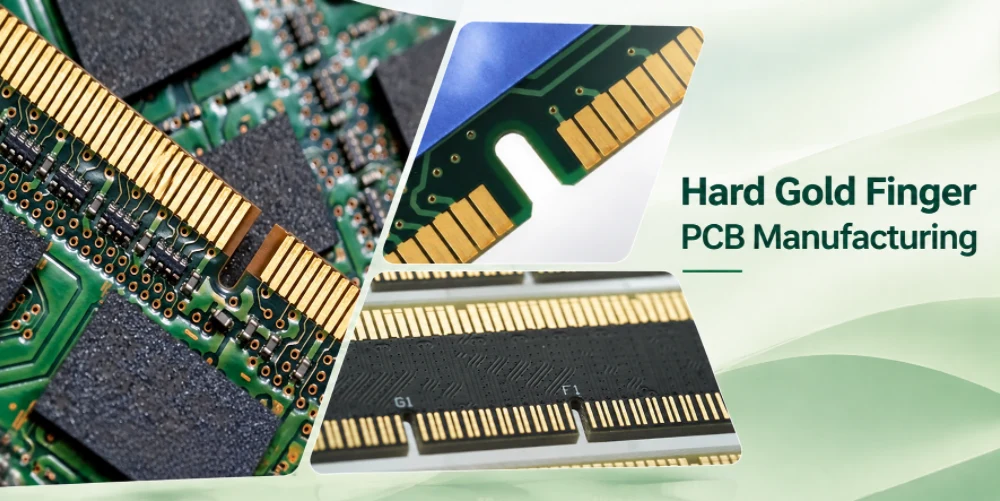
Hard Gold Finger PCB Manufacturing: Plating and Beveling
Hard gold finger PCB manufacturing is used when a circuit...
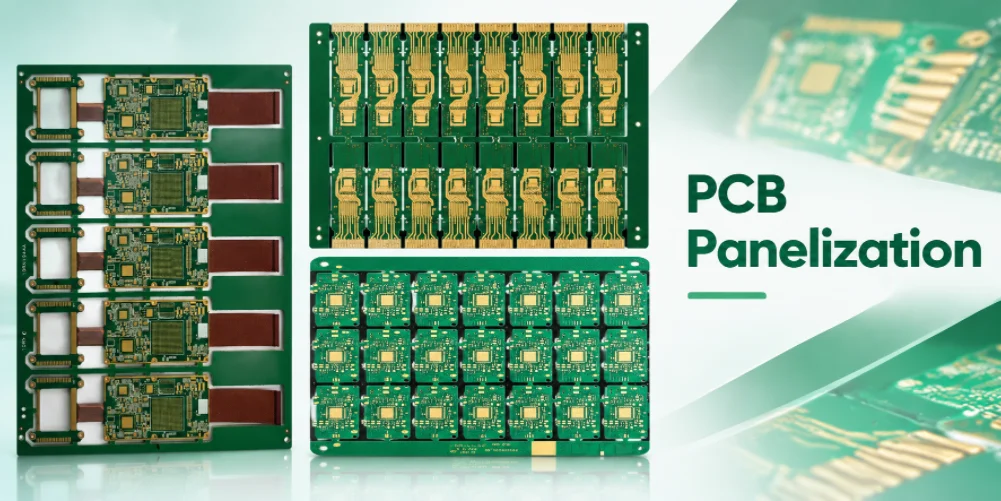
Small PCB Panelization: Array Design and Depaneling
Imagine a 26 × 18 mm circuit that must pass through...
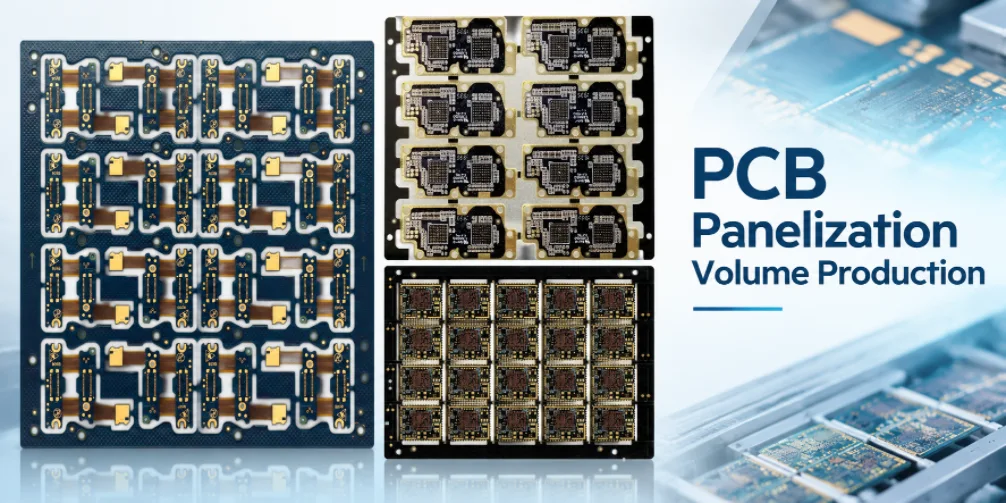
PCB Panelization for Volume Production: Cost and Yield
A fabrication panel that holds more boards is not...
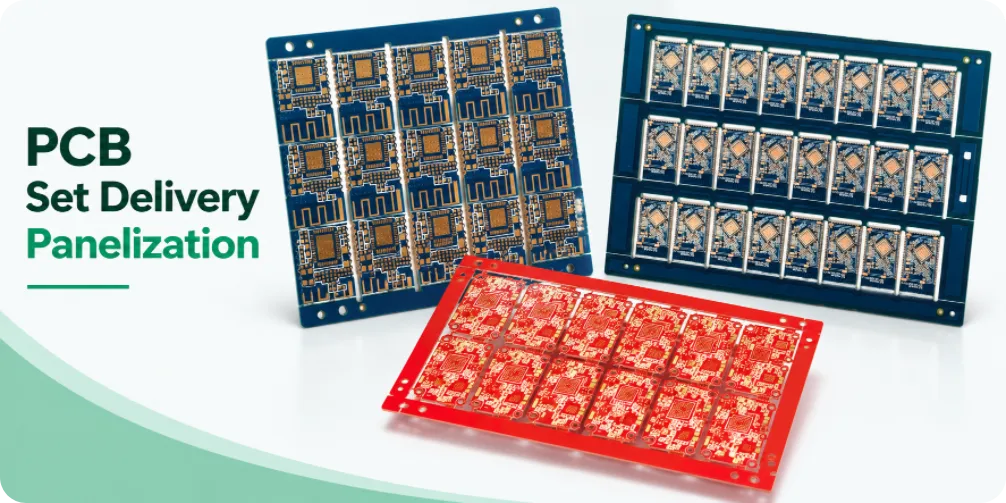
PCB SET Delivery and Panelization: Quantities and Acceptance
A purchase order for “500 SET” looks straightforward until...
How to get a quote for PCBs
Let‘s run DFM/DFA analysis for you and get back to you with a report. You can upload your files securely through our website. We require the following information in order to give you a quote:
-
- Gerber, ODB++, or .pcb, spec.
- BOM list if you require assembly
- Quantity
- Turn time
In addition to PCB manufacturing, we offer a comprehensive range of electronic services, including PCB design, PCBA, and turnkey solutions. Whether you need help with prototyping, design verification, component sourcing, or mass production, we provide end-to-end support to ensure your project’s success.
For PCBA services, please provide your BOM (Bill of Materials) and any specific assembly instructions. We also offer DFM/DFA analysis to optimize your designs for manufacturability and assembly, ensuring a smooth production process.