
Smart Strategies for Industrial Electronics Manufacturing

Industrial electronics manufacturing goes far beyond assembling components onto a circuit board. It involves engineering robust, long-life electronic systems that can perform reliably in high-stress environments—exposed to heat, vibration, electrical noise, and physical impact. For manufacturers building automation controls, power systems, or critical monitoring equipment, the way a board is designed and assembled directly affects field reliability, service costs, and operational uptime.
Improve your industrial electronics manufacturing outcomes with proven practices in PCB layout, thermal design, test planning, and supplier selection. These factors play a central role in minimizing long-term risks and maximizing system durability.
What Makes Industrial Electronics Manufacturing Different from Consumer Electronics?
Unlike consumer products, which operate in relatively stable conditions, industrial electronics are often deployed in environments that push hardware to its limits. Inside factories, power plants, and transport systems, PCBs must endure temperature swings from –40°C to +85°C, constant mechanical vibration, moisture, chemicals, and electromagnetic interference.
These harsh conditions require a completely different approach to manufacturing. Basic FR-4 is often replaced with high-Tg laminates or metal-core substrates for better thermal endurance. Power applications demand thicker copper layers—2oz, 3oz, or more—for current handling and heat dissipation. Protective conformal coatings are used to guard against environmental damage. Every detail, from via structure to surface finish, plays a role in how well the board survives in the field—not just for months, but for decades.
At Highleap Electronics, we specialize in industrial electronics manufacturing that meets these elevated demands. Our expertise covers everything from rugged PCB fabrication and high-reliability SMT and THT assembly, to material selection and environmental testing. Whether your product operates on a factory floor or in the field 24/7, we build it to last.
Industrial PCB Assembly: Integrating SMT and Through-Hole Technologies
Surface Mount Technology (SMT) for High-Precision Industrial Applications
Industrial SMT assembly requires stringent process control and advanced equipment capabilities. Placement accuracy for fine-pitch components must achieve tolerances within ±25 microns to support devices such as QFNs, BGAs, and CSPs. Solder paste selection is critical—SAC305 is commonly used, while high-reliability environments may require alloys like SnAgNiGe or SnBiAg for thermal and mechanical stability. Reflow profiling must be precisely engineered to balance the thermal mass of large components and protect temperature-sensitive ICs. For mission-critical applications, nitrogen-assisted reflow soldering is employed to suppress oxidation and enhance joint integrity. Moisture-sensitive components are managed per JEDEC J-STD-033 standards, with proper MSL classification, vacuum packaging, and controlled bake cycles.
Through-Hole Technology (THT) for Robust Mechanical and Power Connections
THT remains indispensable in industrial electronics, particularly for components requiring high mechanical strength or high-current capability—such as transformers, large electrolytic capacitors, and heavy-duty connectors. Wave soldering is utilized with carefully controlled preheat zones and flux application to ensure wetting without thermal shock. Selective soldering is applied to mixed-technology assemblies, allowing precise solder joint formation near sensitive SMT components. IPC-certified hand soldering is reserved for specialty components, prototypes, or low-volume runs. For reflow-compatible through-hole parts, pin-in-paste (PIP) technology offers an efficient solution, combining solder paste printing and reflow soldering to streamline production while maintaining joint reliability.
How to Select the Right PCB Manufacturer for Industrial-Grade Electronics
Choosing a PCB manufacturing partner for industrial applications is not just about cost or turnaround time—it’s about ensuring the board meets rigorous environmental, mechanical, and electrical demands. Whether you’re developing power control systems, industrial automation platforms, or mission-critical instrumentation, your manufacturer must demonstrate advanced technical capabilities and strict compliance with quality standards.
Key Technical Capabilities to Look For in Industrial PCB Fabrication
Industrial-grade PCBs often require specialized features beyond standard manufacturing processes. Ensure your chosen vendor can support:
- Heavy Copper Construction – Support for 3oz to 20oz copper layers, essential for high-current, high-power applications such as motor drives and power converters.
- High Layer Count – Capability to build multilayer boards up to 60 layers, ideal for complex industrial controllers and high-density backplanes.
- HDI and Advanced Via Technologies – Manufacturing support for microvias, blind and buried vias, and via-in-pad configurations to meet miniaturization and signal integrity needs in dense designs.
- Controlled Impedance – Design and fabrication expertise to maintain ±10% impedance tolerance, critical for high-speed digital signals, RF modules, and signal integrity in industrial communication systems.
- Thermal Management Solutions – Availability of metal core PCBs (MCPCBs), heavy copper layers, and thermal vias to effectively dissipate heat in high-power or harsh operating environments.
These capabilities are vital to support the long lifecycle and harsh operating conditions of industrial products.
Compliance with Industry Standards and Certifications
Industrial applications often fall under regulatory or sector-specific requirements. A qualified PCB manufacturer must demonstrate adherence to globally recognized standards, including:
- IATF 16949 – Required for automotive electronics, covering modules such as battery management systems (BMS), engine control units (ECUs), and ADAS platforms.
- AS9100 – Essential for aerospace and defense sectors, supporting avionics, radar systems, and military-grade electronics.
- ISO 13485 – Mandated for medical electronics manufacturers, including diagnostic devices, monitoring systems, and Class III implantables.
- IPC-A-610 Class 3 – The highest acceptance standard for electronic assemblies, ensuring robust, long-life performance in high-reliability environments across all industries.
At Highleap Electronics, we not only maintain all key certifications but also tailor our processes to meet the unique demands of each sector. Whether your application calls for tight tolerances, rugged construction, or strict traceability, we provide a manufacturing framework that supports both innovation and compliance.
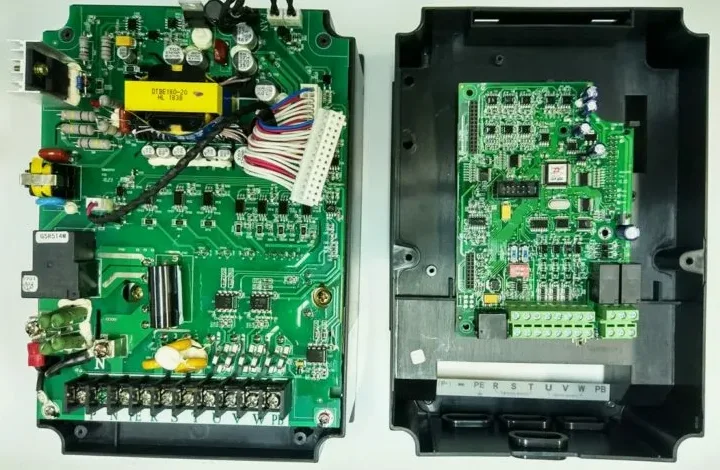
Designing and Validating Industrial PCBs for Reliable Manufacturing and Assembly
For professionals developing PCBs intended for industrial environments, success starts with design choices that simplify manufacturing, enhance reliability, and reduce failure rates. A well-prepared PCB layout not only improves yield but also minimizes rework, scrap, and in-field issues.
Key Design Guidelines for Industrial-Grade PCB Manufacturing
To ensure that your design is ready for harsh operating conditions and high-reliability assembly:
- Component Spacing: Increase creepage and clearance between high-voltage nets to comply with IPC-2221B and to allow proper application of conformal coating during assembly.
- Via Reliability: Use filled and capped vias to prevent flux entrapment or moisture ingress. In high-density areas, opt for microvias or stacked/blind vias to maintain layer integrity.
- Trace Width and Spacing: Define trace widths based on IPC-2152 current-carrying guidelines, with safety margins for temperature rise. Maintain consistent spacing to support impedance control and reduce the risk of arcing.
- Thermal Design: Use thermal relief pads on planes and thermal vias under heat-generating components to manage localized heating. Select surface finishes like ENIG or immersion silver for better thermal and soldering consistency.
- Mechanical Stability: For high-vibration environments, include additional mounting holes, consider component staking, and choose robust connector types to ensure long-term durability through the assembly and operation lifecycle.
These practices significantly reduce assembly issues like solder bridging, cold joints, and mechanical failure.
Material and Testing Choices That Support Reliable Production
Your choice of materials and test strategies will determine not just electrical performance but also how smoothly the board passes through fabrication and assembly:
- Material Selection:
- High-Tg FR-4 is sufficient for most industrial controllers operating below 130°C.
- Polyimide is recommended for applications above 150°C, such as aerospace or power electronics.
- Metal Core PCBs (MCPCBs) are ideal for LED lighting and power modules requiring efficient thermal dissipation.
- Ceramic substrates offer unmatched reliability for high-frequency or thermally extreme designs.
- specialty low-loss laminate families are the go-to for RF and microwave industrial communication systems.
- Testing and QA Measures:
- In-Circuit Test (ICT): Detects open, short, and tolerance issues early in the assembly line; recommended for medium to high-volume builds.
- Power Testing: Load testing of power rails under real conditions ensures regulators and converters are stable and efficient.
- Environmental Stress Screening (ESS): Includes temperature cycling, vibration, and humidity testing to identify marginal solder joints or poor assembly under real-world conditions.
- HALT/HASS: Used during validation stages to expose latent defects and verify robust design before mass production.
Implementing these testing strategies helps prevent costly recalls and production delays, especially in industries with long operational lifecycles and safety-critical functions.
Cost Optimization Strategies for Industrial Electronics Manufacturing
Driving cost out of an industrial electronics program starts long before the first production run. Keep the stack-up to the minimum layer count that still meets impedance and isolation targets, and reserve HDI features only for truly dense areas; cutting just one drill pass can shave double-digit percentages off board cost. Lay out each PCB to achieve 85–90 % panel utilisation so you pay for copper you ship, not scrap. Standardise silicon, passives and connector footprints across product lines to consolidate volumes under a single BOM and unlock stronger supplier discounts. Finally, align test coverage with true risk: perform full ICT on power and safety-critical nets, while relying on functional go/no-go checks for proven low-risk sections—this trims fixture complexity and line time without jeopardising quality.
The cheapest board price rarely equals the lowest project cost. A unit that is five dollars cheaper at the dock can erase those savings the first time it fails in the field: one service call, an hour of lost production, or a warranty swap quickly dwarfs any purchasing discount. Protect your margin by choosing partners who publish first-pass yield, micro-section results and MTBF data, and who provide early DFM feedback to catch design flaws before tooling. Paying a small premium for that rigour is still cheaper than absorbing downtime, liability and reputational damage over the product’s life.
Get Started with Industrial Electronics Manufacturing
Ready to take the next step in your industrial electronics manufacturing project? Highleap Electronics combines technical expertise, certified quality systems, and proven processes to deliver high-reliability PCB assemblies for demanding industrial environments.
Contact our engineering team for:
- Design for Manufacturing (DFM) reviews tailored to industrial-grade requirements
- Transparent, detailed quotations based on your exact specifications
- Technical guidance on material selection, surface finish, and thermal design
- Representative samples of our industrial electronics assembly capabilities
You can upload your Gerber files, BOM, and assembly drawings directly through our contact form. Our team typically replies within 24 hours with personalized feedback and a complete manufacturing proposal.
Don’t let poor PCB quality jeopardize your system’s reliability. Partner with Highleap Electronics for industrial electronics manufacturing services built for long life, high performance, and consistent results in the field.

Recommended Posts
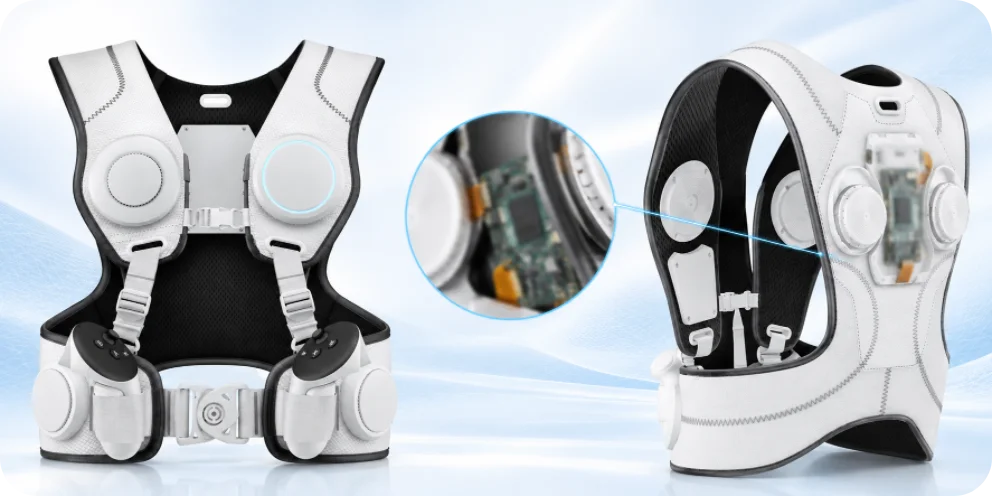
Wearable Haptic Vest PCB Manufacturing & Assembly for Multi-Zone Haptic OEMs
In a wearable haptic vest, the wearer notices the...
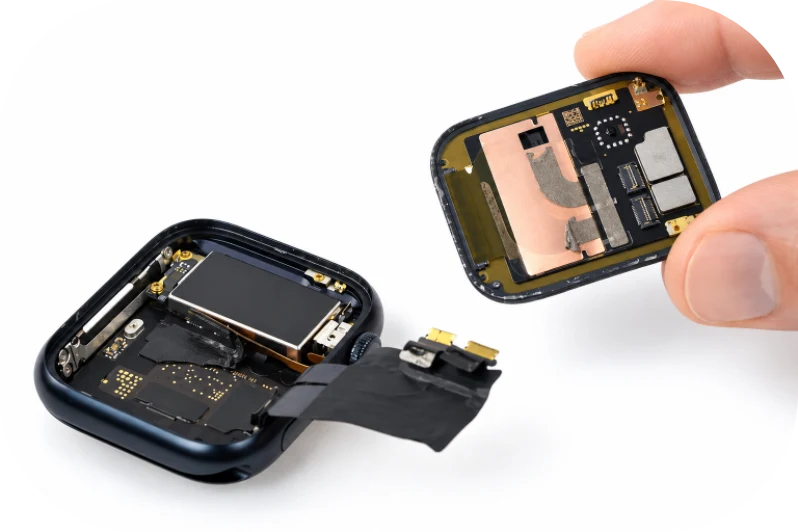
Wearable Temperature Logger PCB Manufacturing & Assembly for BLE Sensor OEMs
A wearable temperature logger PCB is the electronic board...
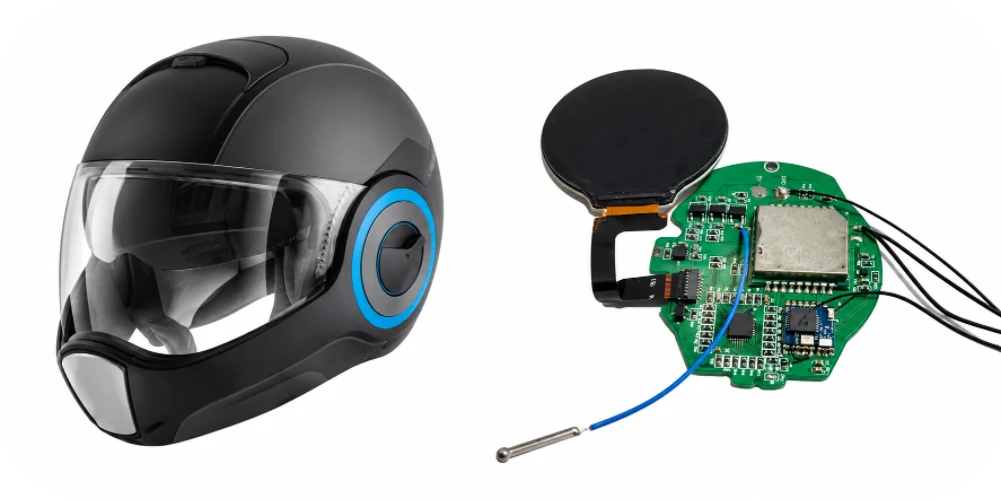
Connected Safety Helmet PCB Manufacturing & Assembly for Industrial IoT OEMs
A Connected Safety Helmet PCB is an industrial IoT...
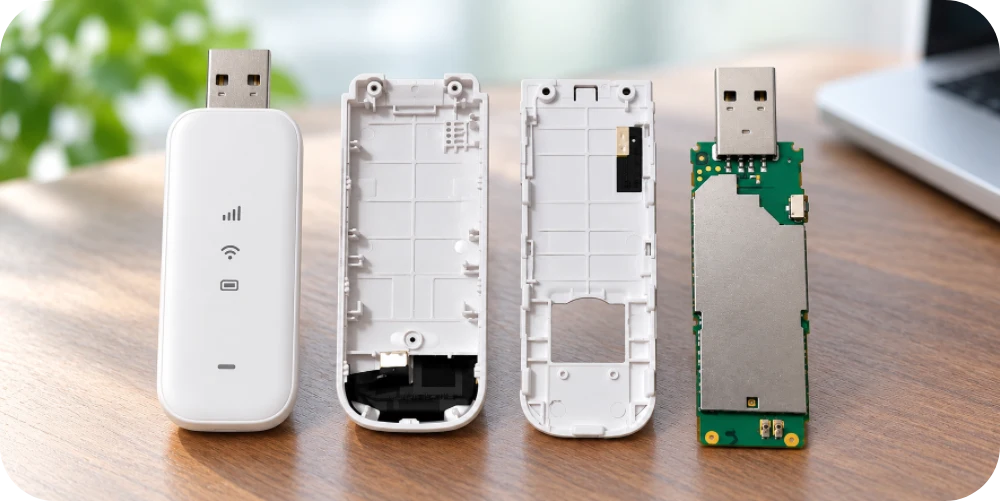
Mobile Wi-Fi Router PCB Manufacturing & Assembly for 4G/5G Hotspot OEMs
A Mobile Wi-Fi Router PCB is the production platform...
How to get a quote for PCBs
Let‘s run DFM/DFA analysis for you and get back to you with a report. You can upload your files securely through our website. We require the following information in order to give you a quote:
-
- Gerber, ODB++, or .pcb, spec.
- BOM list if you require assembly
- Quantity
- Turn time
In addition to PCB manufacturing, we offer a comprehensive range of electronic services, including PCB design, PCBA, and turnkey solutions. Whether you need help with prototyping, design verification, component sourcing, or mass production, we provide end-to-end support to ensure your project’s success.
For PCBA services, please provide your BOM (Bill of Materials) and any specific assembly instructions. We also offer DFM/DFA analysis to optimize your designs for manufacturability and assembly, ensuring a smooth production process.