
Prototype Aluminum PCB: From Design Validation to Small-Batch Production

Introduction
Prototype aluminum PCB manufacturing serves as a critical checkpoint in electronics development, particularly for applications demanding superior thermal management. When power densities increase and component temperatures rise, aluminum-based printed circuit boards become essential for dissipating heat efficiently. The prototyping phase allows engineers to verify thermal performance, validate mechanical integration, and confirm assembly reliability before committing to volume production.
This guide examines the complete process from aluminum PCB rapid prototyping to small-batch fabrication, helping design teams optimize both technical performance and production economics.
The Role of Prototype Aluminum PCB in Product Development
Applications Requiring Thermal Management
High-power electronics applications including LED lighting systems, automotive power modules, and industrial motor controllers rely on aluminum substrate PCBs to manage thermal loads that standard FR-4 materials cannot handle. The metal core provides direct heat conduction paths from components to heat sinks, reducing junction temperatures and extending operational lifespans.
Critical Validation Objectives
Prototype aluminum PCB validation addresses essential design questions: whether the dielectric layer thickness provides adequate electrical isolation while maintaining thermal conductivity, how thermal vias distribute heat across the board, and whether the assembly process achieves reliable solder joints on metal substrates. Discovering design flaws during aluminum PCB sample production costs significantly less than failures during mass production, protecting development budgets and accelerating time-to-market.

Aluminum PCB Prototype Manufacturing Process
Design Submission and DFM Analysis
The prototype aluminum PCB process begins when design files undergo Design for Manufacturability review. Engineers examine copper layer patterns, via placements, and minimum feature sizes against production capabilities. DFM for aluminum PCB prototypes includes thermal via spacing analysis, dielectric layer compatibility checks, and surface finish selection based on assembly requirements.
Material and Stack-up Selection
Aluminum substrate selection directly impacts both thermal performance and cost. Base aluminum thickness typically ranges from 1.0mm to 3.0mm, while dielectric layers vary between 50μm and 200μm depending on voltage isolation requirements. Higher thermal conductivity dielectrics enable better heat transfer but increase material costs. Prototype validation and testing confirms whether the selected stack-up meets thermal targets under actual operating conditions.
Fabrication Steps
CNC drilling creates component holes and thermal vias with positioning accuracy critical for heat dissipation pathways. Image transfer applies the circuit pattern through photolithography, followed by etching to define copper traces. Solder mask application protects copper while exposing pads for component attachment. Surface finish options including HASL and ENIG determine solderability and shelf life, with each step requiring process control adapted to metal-core substrates.
Transitioning Prototype Aluminum PCB to Small-Batch Production
Design Refinement and Process Stabilization
The transition from validated prototypes to small batch PCB fabrication represents a critical phase where manufacturing processes scale and stabilize. Engineers refine design details based on prototype findings: adjusting thermal via density, modifying copper weights, or changing component pad geometries to improve assembly yields. Process parameters established during aluminum PCB sample production lock in for consistency across multiple production runs.
Small-Batch Production Verification
Low volume PCB assembly runs typically range from 50 to 500 units, providing statistically meaningful data about process capability while limiting financial exposure. This phase verifies that manufacturing equipment, tooling, and procedures deliver repeatable results. Testing confirms whether suppliers maintain material consistency, whether assembly processes achieve target solder joint quality through reflow profiling, and whether inspection methods catch defects reliably.
Supply Chain Readiness
The prototype to mass production transition evaluates supply chain stability. Aluminum substrate lead times, dielectric material availability, and surface finish chemical supplies require assessment to prevent production interruptions. Manufacturers establish qualified vendor lists and backup sourcing options during small-batch phases, protecting against material shortages.
Cost and Lead Time Optimization for Prototype Aluminum PCB
Primary Cost Factors
Prototype aluminum PCB costs reflect setup expenses distributed across small quantities, resulting in higher per-unit prices than volume production. Key cost drivers include:
- Material specifications – Standard aluminum alloys cost less than specialty formulations; high-thermal-conductivity dielectrics command premiums
- Surface finish selection – ENIG provides superior shelf life but adds expense compared to HASL
- Feature tolerances – Tighter minimum trace widths and spacing require precise tooling and careful process control
- Order quantity – Larger prototype batches reduce per-unit costs while providing spare units for testing
Lead Time Management
Rush aluminum PCB rapid prototyping services deliver within 3-5 days though premium pricing applies. Standard lead times of 7-10 days often prove more economical for development schedules permitting modest waiting periods. Panelization design during the prototype phase prepares for efficient production scaling by maximizing material utilization across standard panel sizes.

Quality Testing and Validation
Electrical Performance Testing
Comprehensive testing protocols ensure prototype aluminum PCBs meet performance specifications. Electrical testing verifies circuit continuity across all nets and confirms insulation resistance between circuits and the aluminum base exceeds safety margins, typically requiring values above 100MΩ. These measurements detect manufacturing defects including incomplete etching, damaged dielectric layers, or inadequate via plating.
Thermal Management Verification
Thermal performance evaluation represents the most critical validation for metal-core PCBs. Engineers mount components with representative power dissipation and measure temperatures at specified locations using thermocouples or thermal imaging cameras. Comparing measured values against thermal simulation predictions validates design assumptions:
- Heat spreading efficiency – Temperature uniformity across the board surface indicates effective thermal distribution
- Junction temperature compliance – Component temperatures remain within datasheet limits under maximum load
- Thermal resistance values – Measured resistance from junction to ambient matches design calculations
Mechanical Stress Testing
Mechanical stress testing examines dimensional stability through thermal cycling from -40°C to +125°C and evaluates solder joint integrity after temperature excursions. Aluminum PCBs expand at different rates than standard boards due to the metal base, potentially creating stress in component connections that must be verified.
Selecting a Prototype Aluminum PCB Manufacturer
Essential Technical Capabilities
Manufacturing partner selection determines both prototype quality and production scaling success. Capable suppliers demonstrate expertise in metal-core PCB processes, provide thermal simulation support to refine designs, and maintain quality certifications including ISO9001 for general manufacturing and IATF16949 for automotive applications where relevant. Integrated services spanning rapid prototyping through volume production eliminate handoff delays between providers.
Communication and Flexibility
Responsive manufacturers engage during design reviews, offer DFM feedback proactively, and provide transparent status updates throughout fabrication. They maintain clear documentation of material specifications, process parameters, and test results supporting design validation. Flexibility in accommodating design changes and producing varying batch sizes helps development teams adapt as projects evolve.
Conclusion
Prototype aluminum PCB manufacturing establishes the foundation for successful high-power electronics production by validating thermal performance, confirming manufacturability, and optimizing process parameters before significant investment occurs. The disciplined progression from initial prototypes through small-batch production builds confidence in design choices while refining manufacturing procedures to ensure quality at volume.
Highleap Electronics provides comprehensive prototype aluminum PCB capabilities:
- Rapid prototyping services – Standard 7-10 day lead times with rush options available for urgent development needs
- Thermal testing facilities – In-house equipment validates heat dissipation performance against design specifications
- DFM consultation – Expert review optimizes designs for manufacturing efficiency and cost-effectiveness
- Small-batch assembly – Flexible production from 50 to 500 units supporting development validation
- Quality certifications – ISO9001 certified processes ensure consistency from prototype to mass production
Ready to validate your aluminum PCB design? Highleap Electronics offers end-to-end prototype aluminum PCB manufacturing and assembly solutions that accelerate your path from concept to production-ready products.

Recommended Posts
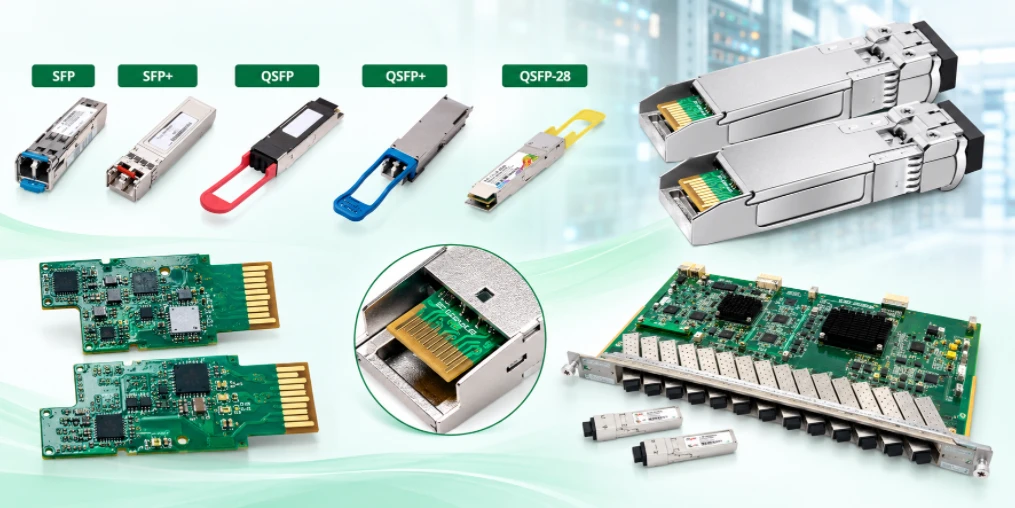
Optical Transceiver PCB Assembly Services in China
Highleap Electronics provides optical transceiver PCB...
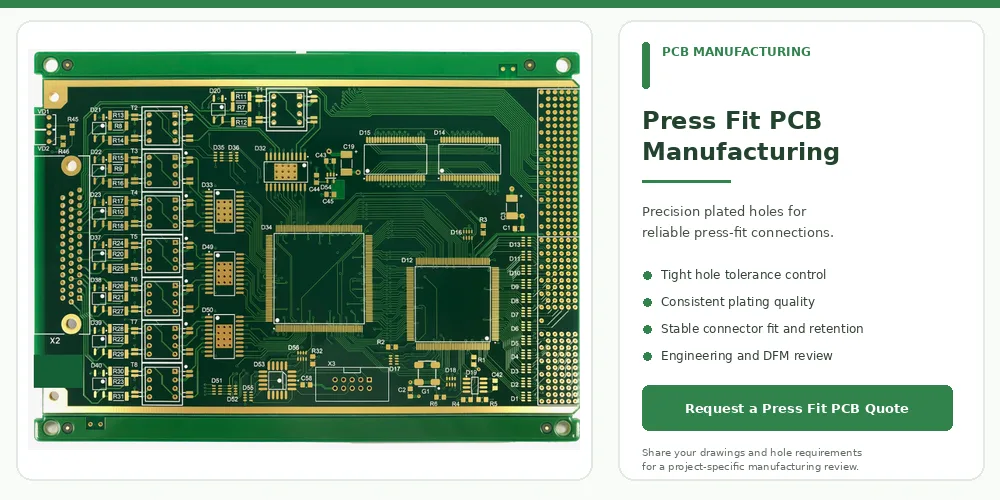
Precision Press Fit PCB Manufacturing with Tight Tolerances
Press-fit PCB manufacturing requires close coordination...
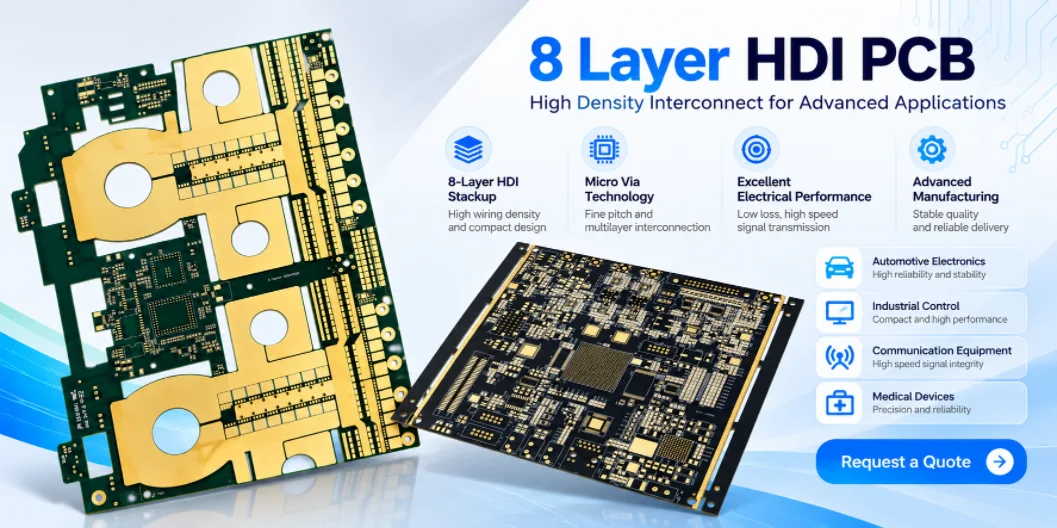
8 Layer HDI PCB Manufacturer in China
Highleap Electronics provides 8 layer HDI PCB...
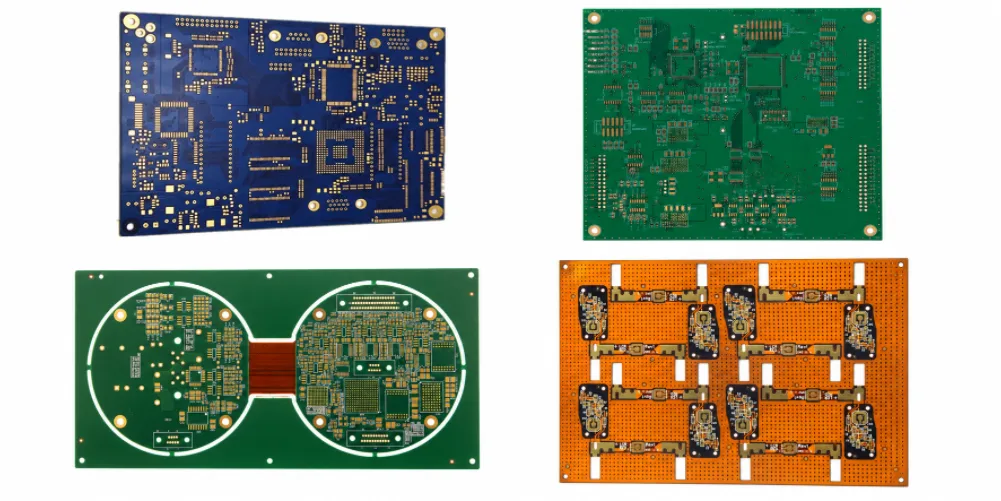
8 Layer Rigid-Flex PCB Manufacturing and Cost Guide
An 8 layer rigid-flex PCB combines multilayer rigid...
How to get a quote for PCBs
Let‘s run DFM/DFA analysis for you and get back to you with a report. You can upload your files securely through our website. We require the following information in order to give you a quote:
-
- Gerber, ODB++, or .pcb, spec.
- BOM list if you require assembly
- Quantity
- Turn time
In addition to PCB manufacturing, we offer a comprehensive range of electronic services, including PCB design, PCBA, and turnkey solutions. Whether you need help with prototyping, design verification, component sourcing, or mass production, we provide end-to-end support to ensure your project’s success.
For PCBA services, please provide your BOM (Bill of Materials) and any specific assembly instructions. We also offer DFM/DFA analysis to optimize your designs for manufacturability and assembly, ensuring a smooth production process.