
Basic Electronics Components: A Complete Guide for PCB Design

1. Introduction to Basic Electronics Components
Every electronic system, from simple circuits to advanced PCB assemblies, is built upon a foundation of basic electronics components. These fundamental building blocks determine how electrical signals flow, how energy is stored and released, and how circuits perform their intended functions. For engineers, designers, and manufacturers working with printed circuit boards, a thorough understanding of these components is essential for creating reliable, efficient electronic products.
This guide covers the core electronic components used in modern PCB design and assembly. Each section examines the working principles, key parameters, and practical applications relevant to manufacturing and engineering decisions.
2. Classification of Basic Electronics Components
Before examining individual components, understanding how they are classified helps establish a framework for component selection and circuit design. Electronics components fall into several overlapping categories based on their electrical behavior, structure, and mounting methods.
2.1 Passive vs. Active Components
Passive components such as resistors, capacitors, and inductors cannot amplify signals or require external power to function. They store, dissipate, or filter energy. Active components including transistors and integrated circuits can control current flow, amplify signals, and require a power source to operate. This distinction influences power requirements and circuit complexity.
2.2 Discrete vs. Integrated Components
Discrete components perform a single function and are packaged individually. Integrated circuits combine multiple functional elements—transistors, resistors, capacitors—into a single package. While discrete components offer flexibility for custom designs, ICs reduce board space, simplify assembly, and improve reliability in complex applications.
2.3 Through-Hole vs. Surface Mount
Through-hole (TH) components have wire leads inserted through PCB holes and soldered on the opposite side. Surface mount technology (SMT) components mount directly onto pad surfaces, enabling smaller footprints, higher component density, and automated assembly. Most modern PCB production utilizes SMT, though through-hole remains relevant for high-power or high-reliability applications.
3. Core Electronics Components in Detail
3.1 Passive Electronic Components
Resistors
Resistors limit current flow and create voltage drops within circuits. Key parameters include resistance value (ohms), power rating (watts), and tolerance (percentage). Common applications include current limiting for LEDs, voltage dividers for signal conditioning, and bias networks for active components. Variants include fixed resistors, variable potentiometers, and specialized thermistors and photoresistors for sensing applications.

Capacitors
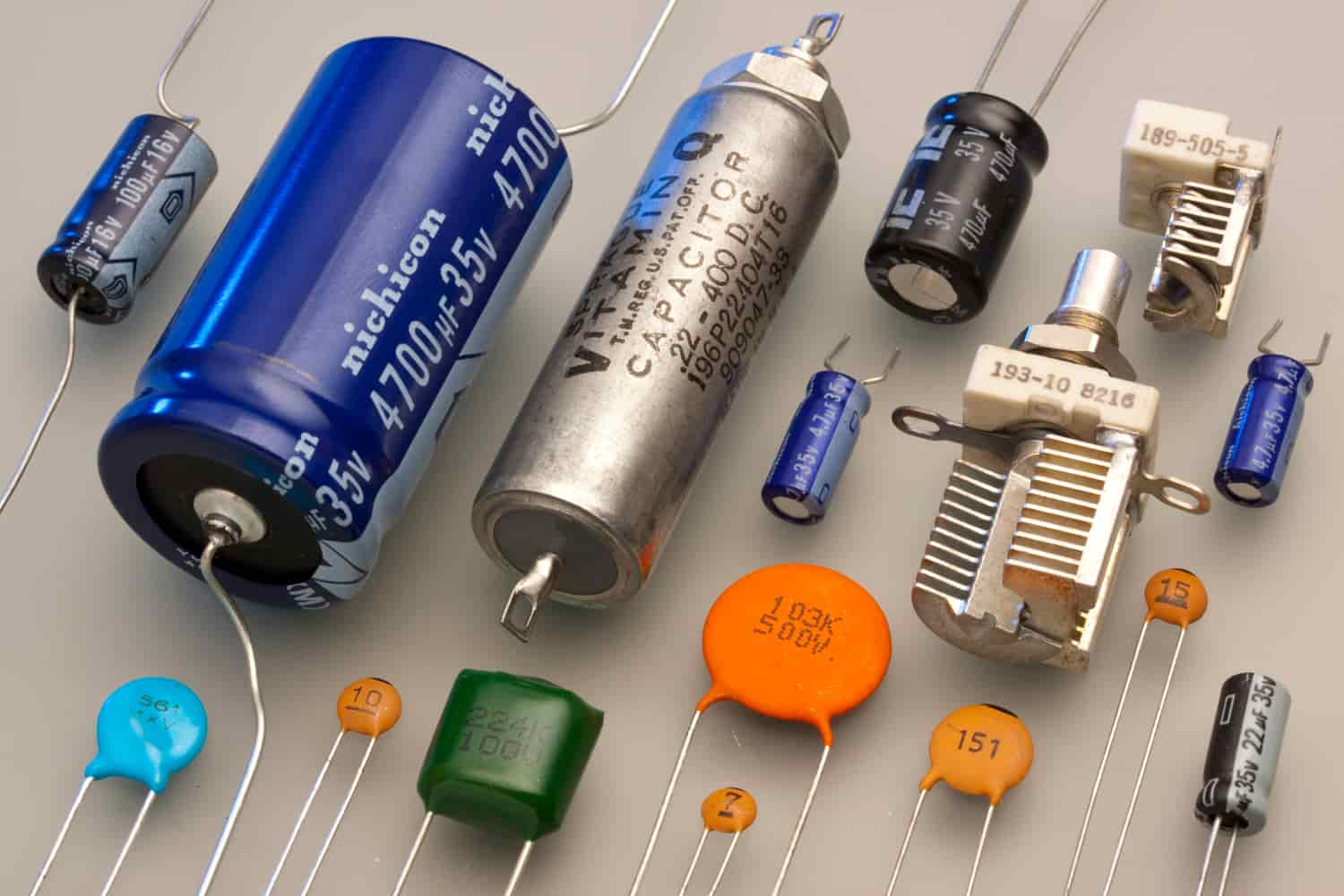
Capacitors store electrical energy in an electric field between two conductive plates. Primary specifications are capacitance (farads), voltage rating, and dielectric type. Ceramic capacitors suit high-frequency decoupling, electrolytic capacitors provide bulk energy storage, and film capacitors offer precision in timing circuits. In PCB design, proper capacitor placement near IC power pins is critical for stable operation.
Inductors
Inductors store energy in a magnetic field when current flows through a coiled conductor. Key parameters include inductance (henries), DC resistance, and saturation current. Inductors serve essential roles in switch-mode power supplies, RF filters, and noise suppression. In power circuits, selecting inductors with appropriate saturation current prevents efficiency loss under load.

3.2 Active and Semiconductor Components
Diodes
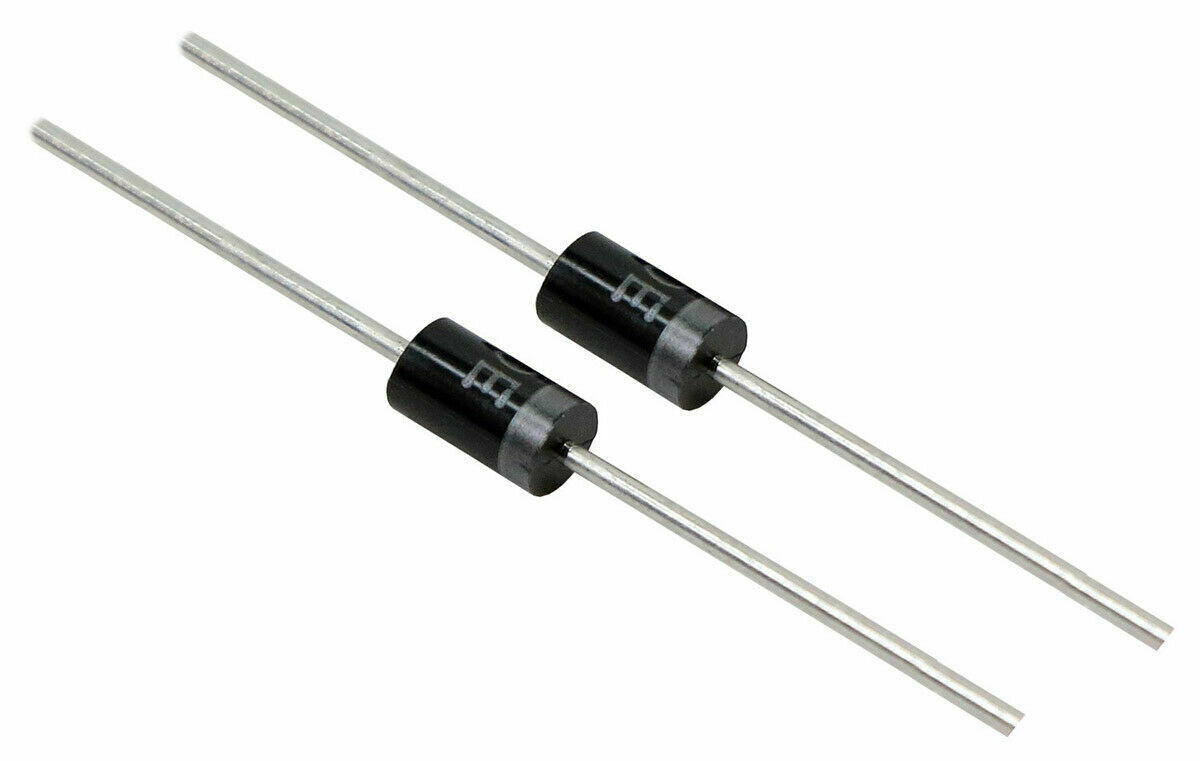
Diodes permit current flow in one direction while blocking reverse current. Critical parameters include forward voltage drop, maximum reverse voltage, and recovery time. Rectifier diodes convert AC to DC, Zener diodes regulate voltage, Schottky diodes minimize switching losses, and LEDs provide visual indication. Protection diodes guard sensitive circuits against reverse polarity and voltage transients.
Transistors
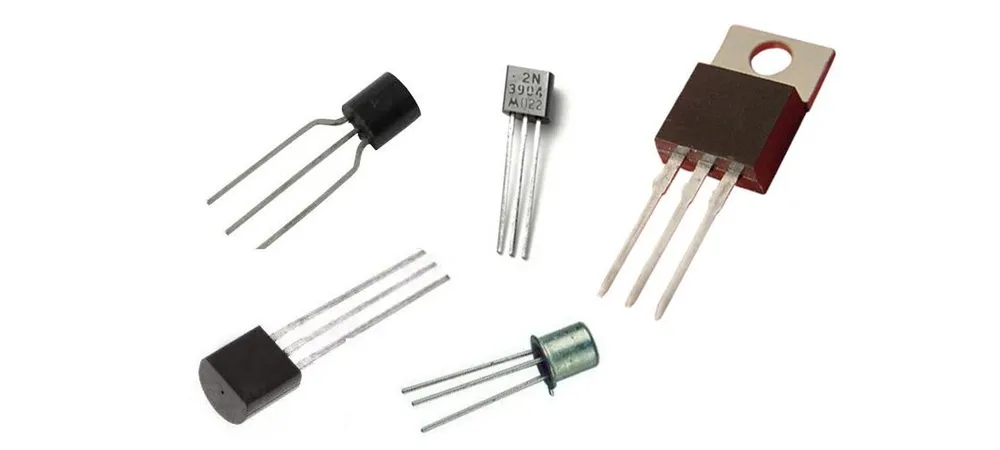
Transistors function as electronic switches or signal amplifiers. Bipolar junction transistors (BJTs) are current-controlled and suit linear amplification. Field-effect transistors (FETs) and MOSFETs are voltage-controlled, offering high input impedance and efficient switching for power applications. In digital circuits, transistors form the basis of logic gates; in analog circuits, they provide gain and signal conditioning.
Integrated Circuits
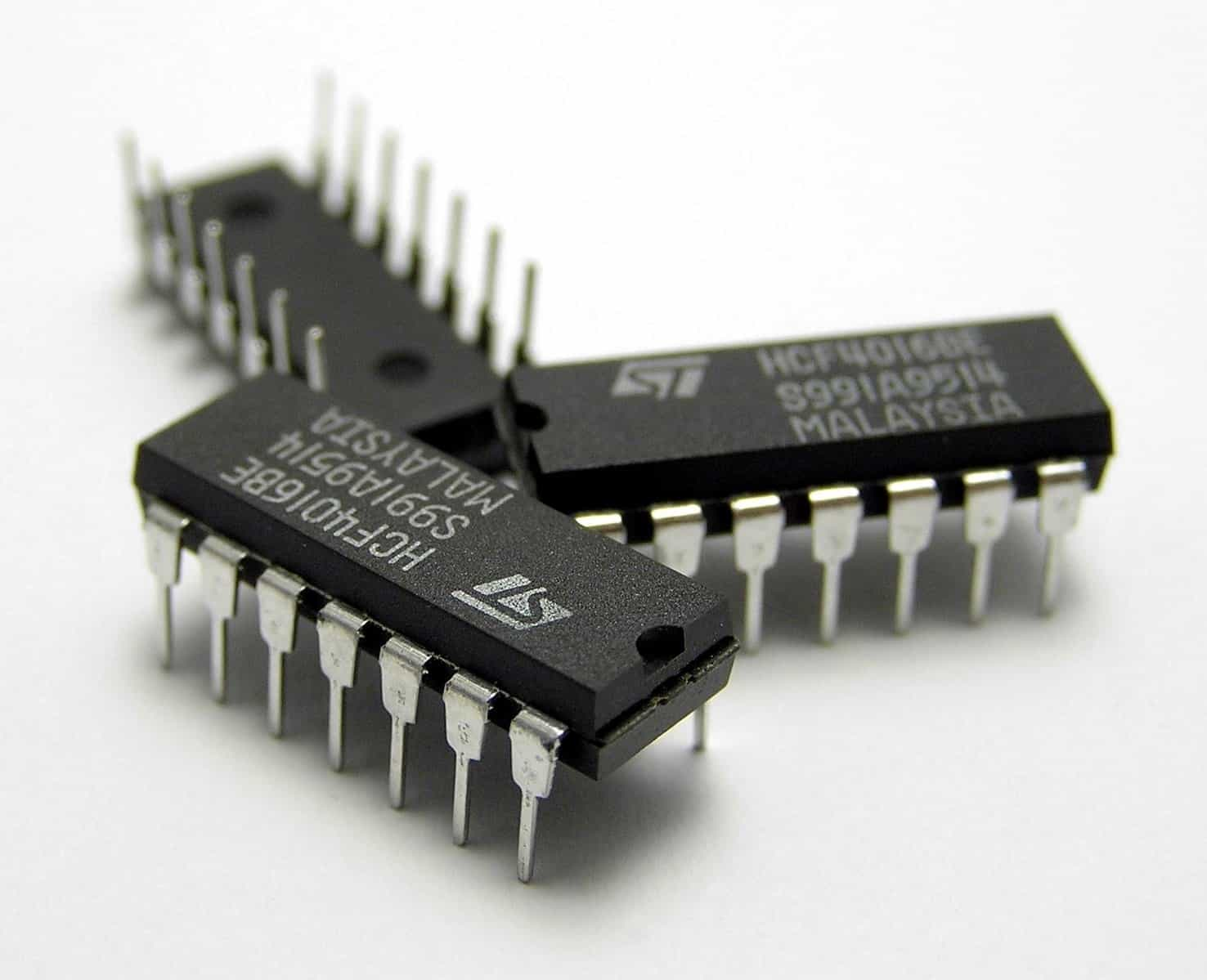
Integrated circuits consolidate multiple transistors, resistors, and capacitors into a single semiconductor package. Categories include analog ICs (operational amplifiers, voltage regulators), digital logic (gates, flip-flops), microcontrollers, and application-specific ICs. Modern PCB assemblies rely heavily on ICs to reduce component count, minimize board area, and improve overall system reliability.
Reflow Soldering
3.3 Electromechanical Components
Switches
Switches provide manual or mechanical control over circuit connections. Types include momentary pushbuttons, toggle switches, rotary selectors, and slide switches. Selection criteria include contact rating, actuation force, and mounting style. In PCB applications, tactile switches enable user interfaces while DIP switches configure hardware settings.

Relays
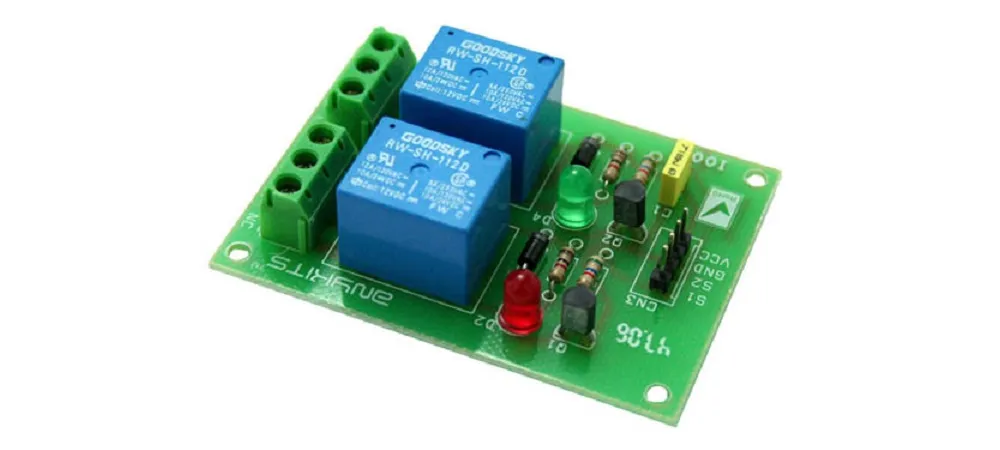
Relays use electromagnetic or solid-state mechanisms to control high-power circuits with low-power signals. Electromagnetic relays offer galvanic isolation and handle high currents but have mechanical wear limitations. Solid-state relays provide faster switching, longer lifespan, and silent operation. Both types enable microcontrollers to control motors, heaters, and other high-power loads safely.
Fuses and Protection Devices
Fuses protect circuits by interrupting current flow when thresholds are exceeded. Standard fuses require replacement after activation, while resettable polyfuses (PTCs) automatically restore conductivity after cooling. TVS diodes clamp voltage spikes, and varistors absorb surge energy. Proper protection device selection prevents damage to sensitive components and reduces field failure rates.

Transformers
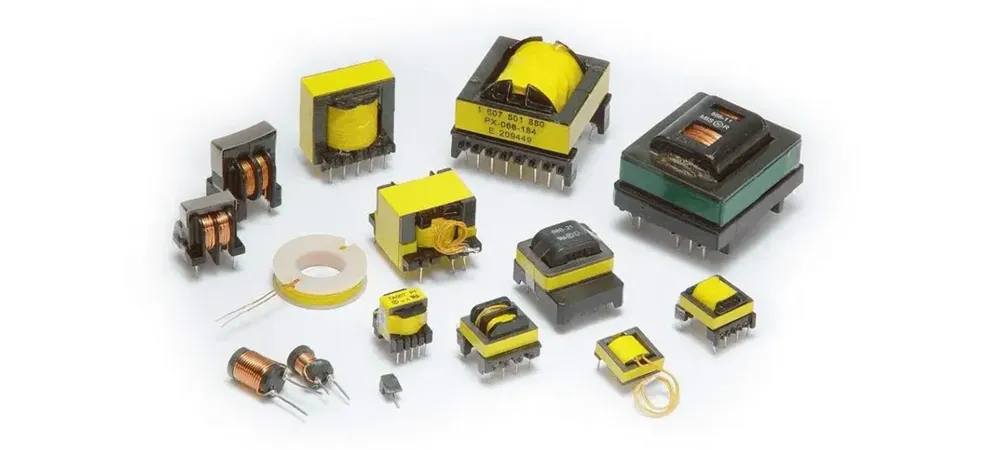
Transformers transfer electrical energy between circuits through electromagnetic induction while providing voltage conversion and galvanic isolation. Power transformers step voltages up or down for AC-DC conversion. Pulse transformers couple signals in switching power supplies. Isolation transformers protect users and equipment from high-voltage hazards in medical and industrial applications.
4. Supplementary Electronics Components
Beyond core components, several specialized categories appear frequently in modern electronic assemblies. These supplementary components extend circuit functionality and interface with the physical environment.
4.1 Frequency Control Components
Crystal oscillators and ceramic resonators generate precise clock signals for microcontrollers, communication systems, and timing circuits. Crystals offer superior frequency stability and accuracy, while resonators provide a lower-cost alternative where tight tolerances are unnecessary. Proper PCB layout with short traces and adequate grounding ensures stable oscillation.
4.2 Sensors and Transducers
Sensors convert physical phenomena into electrical signals. Temperature sensors (thermocouples, RTDs, thermistors), accelerometers, photodetectors, and pressure transducers enable systems to monitor and respond to environmental conditions. Sensor output conditioning often requires amplification, filtering, and analog-to-digital conversion before processing.
4.3 Connectors and Interfaces
Connectors establish removable electrical connections between PCBs, cables, and external devices. Pin headers, card-edge connectors, USB ports, and RF connectors serve different interconnection needs. Connector selection considers pin count, current capacity, mating cycles, and environmental sealing requirements. Proper footprint design ensures reliable solder joints during assembly.
4.4 Power Management Components
Voltage regulators, DC-DC converters, and power management ICs (PMICs) condition and distribute power throughout electronic systems. Linear regulators offer simplicity and low noise; switching regulators provide higher efficiency for battery-powered devices. PMICs integrate multiple power rails, sequencing, and monitoring functions for complex multi-voltage systems.
4.5 Optoelectronic Components
Optoelectronic devices combine optical and electronic functions. Optocouplers provide electrical isolation while transmitting signals across voltage domains. Photodiodes and phototransistors detect light for sensing and communication. Laser diodes enable high-speed data transmission in fiber optic systems. These components require careful thermal management and ESD protection.
5. Fundamentals of Electronics Component Selection
Selecting appropriate components for PCB design requires balancing electrical requirements, physical constraints, and manufacturing considerations. Proper selection reduces costs, improves reliability, and simplifies production.
5.1 Key Electrical Parameters
Each component type has critical specifications that must match circuit requirements. Resistance, capacitance, and inductance values determine circuit behavior. Voltage and current ratings must exceed worst-case operating conditions with appropriate safety margins. Tolerance and temperature coefficients affect precision and stability across environmental conditions.
5.3 Package and Footprint Considerations
Component packages affect PCB layout density, thermal performance, and assembly processes. Standard SMT packages (0402, 0603, 0805) suit automated placement, while larger packages dissipate heat more effectively. Matching component footprints to PCB pad designs ensures reliable solder joints. Verify package availability and lead times early in the design process to avoid production delays.
5.4 PCB Layout Guidelines
Proper component placement influences signal integrity, thermal management, and manufacturability. Maintain minimum spacing between components based on assembly equipment capabilities. Position decoupling capacitors close to IC power pins with short, wide traces. Group related components logically and consider signal routing paths during placement. Thermal relief patterns and adequate copper area help dissipate heat from power components.
6. Conclusion
Basic electronics components form the foundation of every PCB design and assembly project. Resistors, capacitors, inductors, diodes, transistors, and integrated circuits each serve distinct functions that collectively enable modern electronic systems. Understanding the working principles, key parameters, and application considerations for these components is fundamental to successful circuit design and manufacturing.
Mastering component selection, specification interpretation, and PCB layout practices leads to more reliable products, efficient manufacturing processes, and reduced development cycles. This knowledge provides the basis for advancing into more complex electronic system design and optimization.

Recommended Posts
Hall Effect Keyboard PCB Manufacturing & PCBA
Table of contentsHall Effect Keyboard PCB Buying...
ZMK Keyboard PCB Manufacturing & Assembly
Table of contentsZMK Wireless Keyboard PCBA Procurement...
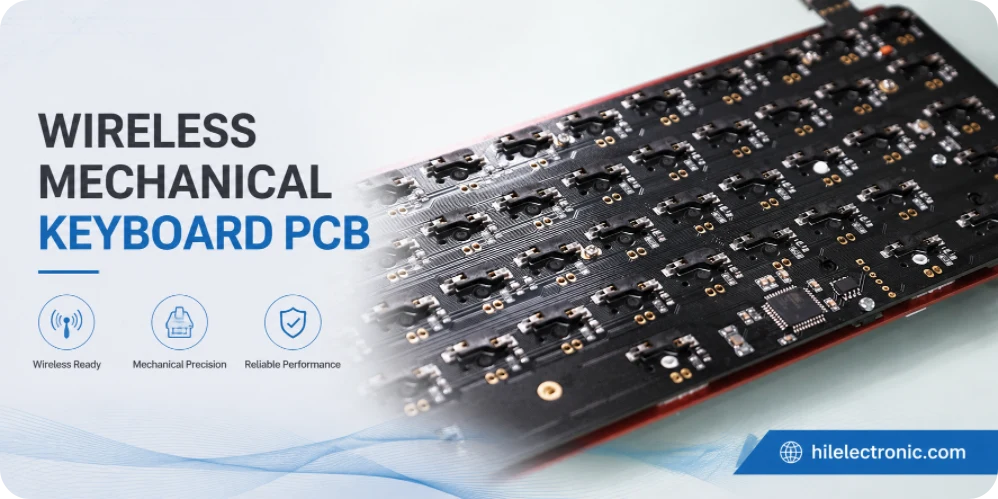
Wireless Mechanical Keyboard PCB Manufacturing
Table of contentsWireless Keyboard PCB Procurement...
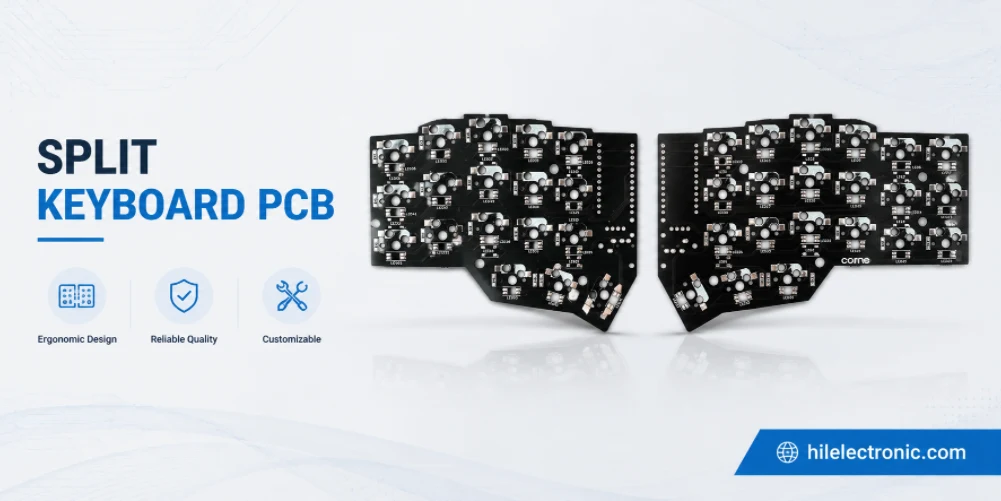
Split Keyboard PCB Manufacturing & Assembly
Table of contentsSplit Keyboard PCBA Procurement...
How to get a quote for PCBs
Let‘s run DFM/DFA analysis for you and get back to you with a report. You can upload your files securely through our website. We require the following information in order to give you a quote:
-
- Gerber, ODB++, or .pcb, spec.
- BOM list if you require assembly
- Quantity
- Turn time
In addition to PCB manufacturing, we offer a comprehensive range of electronic services, including PCB design, PCBA, and turnkey solutions. Whether you need help with prototyping, design verification, component sourcing, or mass production, we provide end-to-end support to ensure your project’s success.
For PCBA services, please provide your BOM (Bill of Materials) and any specific assembly instructions. We also offer DFM/DFA analysis to optimize your designs for manufacturability and assembly, ensuring a smooth production process.