
How to Clean a Circuit Board Without Alcohol
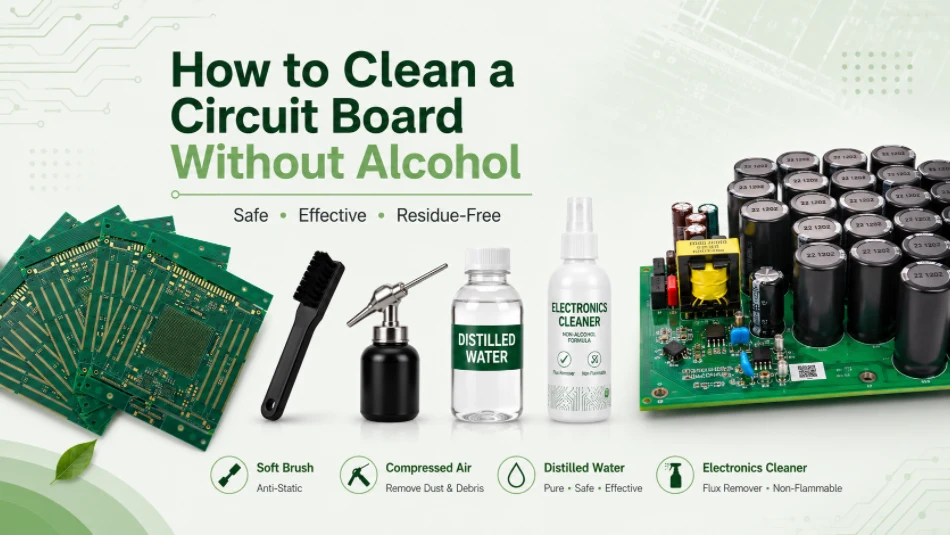
Figure 1. how to clean a circuit board without alcohol
Last updated: May 2026 · A practical, safety-first cleaning guide for repair techs, makers, and hardware engineers
You can clean a circuit board without isopropyl alcohol, but the right method depends on what you are trying to remove — flux residue, dust, fingerprint oils, salt and humidity grime, or battery corrosion all respond to different treatments. The two safest general-purpose substitutes are distilled or deionized water (for water-soluble flux and conductive grime) and a purpose-made non-flammable electronics/flux cleaner. For corrosion you neutralize first, then rinse with distilled water and dry completely. The one rule that never changes: power off, remove the battery, never use tap water as a final rinse, and let the board dry fully before reapplying power.
Why Clean a Circuit Board Without Alcohol?
Isopropyl alcohol (IPA), ideally 90%+ pure, is the industry-standard hand-cleaning solvent because it dissolves rosin flux, evaporates quickly, and leaves no conductive residue. So why look for an alternative? The common reasons are practical rather than technical:
- It is not on hand — drugstore “rubbing alcohol” is often only 70%, diluted with water and additives that leave residue, so people look for something better in the cupboard.
- Flammability and ventilation — IPA vapor is flammable, and some workspaces or shipping rules restrict it.
- Material sensitivity — high-strength solvents can fog certain clear plastics, soften some conformal coatings, or lift specific ink markings.
- The residue is not rosin — IPA is a poor choice for water-soluble (organic-acid) flux and for ionic salt contamination, where water-based cleaning works far better.
Knowing the reason matters, because it points you to the correct substitute. “I have no IPA” leads to a different answer than “I need to remove green corrosion.”
What Are You Removing? (Flux, Dust, Corrosion)
Cleaning a board is not one task. Match the contaminant to the method and you will get a clean, reliable result without alcohol.
| Contaminant | What it looks like | Best alcohol-free approach |
|---|---|---|
| No-clean / rosin flux residue | Amber, slightly tacky film around joints | Dedicated non-alcohol flux remover; warm DI water + saponifier for stubborn cases |
| Water-soluble (OA) flux residue | Whitish, can be hygroscopic and conductive | Distilled / deionized water, then thorough drying |
| Dust and lint | Loose grey buildup, fans and heatsinks | Compressed air + soft anti-static brush (dry) |
| Salt / humidity / sweat film | Hazy, slightly conductive surface grime | Deionized water wash, then dry |
| Battery leakage (alkaline) | White/crusty potassium-carbonate deposits | Neutralize with a mild acid (white vinegar), DI rinse, dry |
| Battery / electrolyte (acidic) | Corroded, sometimes greenish on copper | Neutralize with baking-soda paste, DI rinse, dry |
6 Ways to Clean a Circuit Board Without Alcohol
| Method | Good for | Watch out for |
|---|---|---|
| Distilled / deionized water | Water-soluble flux, salts, general grime | Must dry fully; not ideal for rosin residue |
| Non-alcohol flux remover (aerosol/liquid) | Rosin & no-clean residue, precision cleaning | Cost; verify plastic compatibility on the label |
| White vinegar (dilute acetic acid) | Alkaline battery corrosion, light oxide | Acidic/conductive residue — must DI-rinse and dry |
| Baking-soda paste | Acidic leakage, neutralizing spills | Leaves powder; rinse thoroughly afterward |
| Compressed air + soft brush | Dust, lint, loose debris (no liquid) | Won’t remove sticky flux or ionic film |
| Ultrasonic cleaner | Heavily soiled boards, batch cleaning | Can disturb fragile parts; mask sensitive components |
Method 1: Distilled or Deionized Water
Water cleans boards effectively when the residue is water-soluble — which covers organic-acid (OA) flux, sweat, salt, and most ambient grime. The key is purity. Tap water must never be the final rinse, because dissolved minerals dry into a thin, conductive film that defeats the whole purpose. Use distilled or deionized water, which leaves essentially nothing behind when it evaporates.
How to do it
- Dampen a lint-free swab or soft brush with distilled water and work the dirty area gently; do not flood connectors or open electromechanical parts.
- For a thorough job on a fully de-powered board, you can rinse the bare assembly under distilled water, optionally with a drop of isopropyl-free electronics-safe detergent (a saponifier), then a clean distilled-water rinse.
- Blow off standing water with compressed air, then dry (see the drying section) for as long as it takes — patience here prevents corrosion.
Warm distilled water (not hot) loosens flux faster. Skip water entirely on modules with unsealed relays, mechanical encoders, buzzers, or paper/electrolytic labels that can wick moisture.
Method 2: Non-Alcohol Electronics Cleaner Spray
If you want the convenience of a spray-and-evaporate solvent without alcohol, buy a flux remover or “electronic contact cleaner” formulated for the job. Many are non-flammable and engineered to be safe on common plastics and conformal coatings — but compatibility varies by product, so read the label and test on an inconspicuous spot first.
- Flux remover dissolves rosin and no-clean residue, then flashes off; ideal for rework areas around a freshly soldered joint.
- Contact cleaner targets connectors, switches, and potentiometers, leaving little or no residue.
- Apply sparingly with the straw, agitate with a soft brush, and let it evaporate in a ventilated space.
Method 3: How to Clean Battery Corrosion off a PCB
Battery leakage is a chemistry problem, not just a dirt problem, so the goal is to neutralize before you rinse. Match the neutralizer to the leak type:
- Alkaline cells (common AA/AAA) leak a caustic, alkaline residue. Neutralize it with a mild acid — a cotton swab dampened with white vinegar or lemon juice — until the fizzing stops.
- Acidic electrolytes are neutralized with a baking-soda paste (sodium bicarbonate + a little water) dabbed onto the corrosion.
After neutralizing, gently lift loosened deposits with a soft brush, then rinse the area with distilled water to remove all acid/base and salt residue, and dry thoroughly. Badly corroded pads or traces may need inspection and repair afterward — neutralizing stops the damage, it does not rebuild lost copper.
Methods 4–6: Dry, Mechanical, and Ultrasonic Cleaning
Compressed air and soft brushes
For dust, lint, and loose debris — the most common “cleaning” need on a working board — no liquid is required at all. Short bursts of compressed air plus a soft, anti-static brush clear fans, heatsinks, and crevices. Keep the can upright to avoid spraying liquid propellant, and hold spinning fans still so they are not over-driven.
Mechanical removal
A fiberglass scratch pen or a soft eraser can lift light oxidation from edge-connector gold fingers and battery contacts. Work gently and brush away the debris; aggressive abrasion removes plating.
Ultrasonic cleaning
For heavily soiled boards or batches, an ultrasonic bath with an appropriate aqueous solution removes contamination from places a brush cannot reach. It is powerful, so remove or protect fragile items (some MEMS parts, open relays, stickers, batteries) and always finish with a clean rinse and a full dry cycle.
How to Clean a Circuit Board Without Alcohol: Step by Step
- De-energize. Unplug the device and remove the battery or backup cell. Confirm no charged capacitors remain on high-voltage boards.
- Dry-clean first. Blow off dust with compressed air and loosen debris with a soft brush.
- Identify the residue. Flux? Salt film? Corrosion? Pick the matching method from the tables above.
- Clean the target area. Use distilled water, a non-alcohol cleaner, or the right neutralizer — applied with a swab or soft brush, not flooded.
- Rinse. Finish with a distilled-water rinse so no minerals, acid, base, or salt remain.
- Dry completely. Compressed air to remove standing droplets, then air-dry, or use gentle warm air (a low oven at ~50–60 °C / ~120–140 °F, or a warm spot) and an absorbent of choice. Give it hours, not minutes; trapped moisture under chips is the usual cause of “I cleaned it and now it won’t boot.”
- Inspect, then power on. Confirm the board is fully dry and residue-free before reconnecting power.
What You Should Never Use to Clean a Circuit Board
- Tap or mineral water as a final rinse — leaves a conductive mineral film.
- Acetone or paint thinners — they dissolve plastics, silkscreen ink, component bodies, and some coatings.
- Aggressive acid “tinning”/plumbing flux remover — corrosive and conductive on PCBs.
- Bleach or household ammonia cleaners — corrosive to copper and leave ionic residue.
- Powering on while damp — the single most common way a cleaned board is destroyed.
How Factories Clean PCBs at Scale
Production assembly rarely relies on hand-wiping with alcohol. The choice of flux dictates the cleaning process from the start. No-clean chemistries are formulated so their residue can be left in place when it stays within IPC cleanliness limits. Water-soluble fluxes are paired with an inline aqueous wash — heated deionized water, often with a saponifier, followed by DI rinse and forced-air drying — and then verified for ionic cleanliness. This is why “should I clean it?” is really a design decision made when the flux and process are selected, not an afterthought at the bench.
Where cleanliness is critical — high-impedance analog front ends, high-voltage spacing, RF, or anything destined for a conformal-coated assembly — the residue must be controlled before coating, because contamination sealed under coating cannot be cleaned later.
PCB Cleanliness and Highleap
Highleap Electronics is a China-based PCB and PCBA manufacturer that treats post-solder cleanliness as part of process control rather than a cosmetic step. For teams shipping to the United States, Europe, and Asia-Pacific, that means the flux family, wash process, and inspection criteria are agreed before the build:
- PCB assembly with no-clean or water-soluble processes selected to match your cleanliness and reliability needs.
- Comprehensive inspection including AOI and, where relevant, cleanliness checks before conformal coating.
- DFM review that flags spacing, finish, and coating requirements that interact with cleaning.
- Clear documentation of process and acceptance class (IPC-A-610) so overseas teams know exactly how boards were finished.
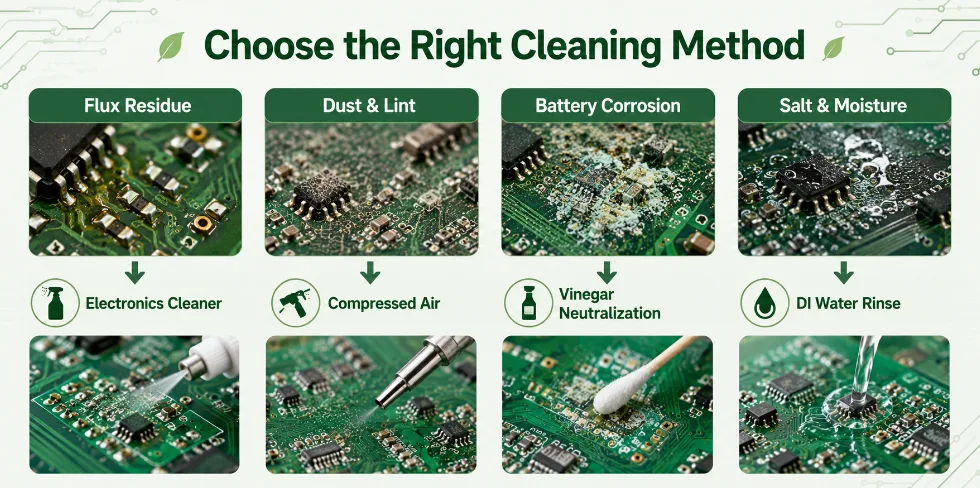
Figure 2. how to clean a circuit board without alcohol details
Cleaning a Circuit Board Without Alcohol: FAQ
What is the best alcohol-free substitute for cleaning a PCB?
For water-soluble flux, salts, and general grime, distilled or deionized water is the safest substitute. For rosin and no-clean residue, a purpose-made non-alcohol flux remover works best. There is no single “one cleaner for everything” — match it to the contaminant.
Can I use vinegar to clean a circuit board?
Vinegar (dilute acetic acid) is useful specifically for neutralizing alkaline battery corrosion and light oxidation, but it leaves an acidic, mildly conductive residue. Always follow it with a distilled-water rinse and dry the board completely. It is a targeted tool, not a general cleaner.
Is distilled water really safe on electronics?
Yes, on a de-powered board. Pure distilled or deionized water is not meaningfully conductive and evaporates without residue. The danger is never the water itself — it is applying power before the board has fully dried, or using mineral-laden tap water that leaves a conductive film.
How long should a board dry before I power it on?
Until you are certain no moisture is trapped under components — typically several hours of air drying, or about an hour with gentle warm air (around 50–60 °C). Larger ICs, BGAs, and connectors hold moisture longest, so err on the side of more time.
Will water-cleaning a board cause rust or corrosion?
Not if you use pure water and dry thoroughly. Corrosion comes from leftover ionic residue (salts, flux activators, neutralizer) combined with trapped moisture. A clean distilled-water rinse plus complete drying removes both conditions.
Do I really need to remove the battery first?
Yes. Cleaning a live board risks shorting traces through the cleaning liquid and shocking you on high-voltage sections. Remove the battery and disconnect mains power before any liquid touches the board.
My factory uses “no-clean” flux — does the board still need cleaning?
Usually not for function, because no-clean residue is designed to be non-conductive and non-corrosive when left in place within IPC limits. Cleaning is still done when the residue interferes with test probing, looks unacceptable to the customer, or when the board will be conformal-coated and needs a controlled surface first.

Recommended Posts
TMM4 Filter PCB Manufacturing
TMM4 filter PCB manufacturing is controlled by the...
TMM3 PCB Manufacturing for RF Modules
TMM3 PCB manufacturing is most useful where the RF module...
TMM6 PCB Fabrication
TMM6 fabrication is the process-control page for a mid-Dk...
TMM10 PCB Manufacturing for Compact RF Designs
Table of contentsHow TMM10 Shrinks RF StructuresTMM10 vs...
How to get a quote for PCBs
Let‘s run DFM/DFA analysis for you and get back to you with a report. You can upload your files securely through our website. We require the following information in order to give you a quote:
-
- Gerber, ODB++, or .pcb, spec.
- BOM list if you require assembly
- Quantity
- Turn time
For PCBA services, please provide your BOM (Bill of Materials) and any specific assembly instructions. We also offer DFM/DFA analysis to optimize your designs for manufacturability and assembly, ensuring a smooth production process.