
IPC J-STD-001: Classes, Requirements, and RFQ Specification
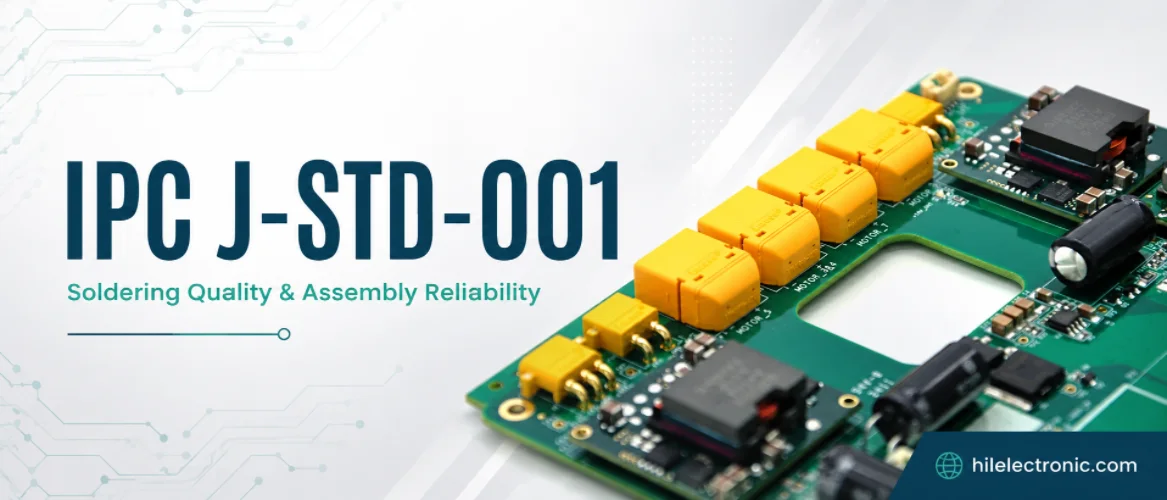
Figure 1. IPC J-STD-001 image for Highleap Electronics PCB manufacturing and assembly review.
IPC J-STD-001 is the industry standard that defines the requirements for soldered electrical and electronic assemblies — the materials, methods, and acceptance criteria for making a reliable solder joint. If your contract manufacturer says a board is “built to J-STD-001 Class 2,” this is what that means and why it matters. This guide explains what the standard covers, how its classes differ, how it relates to IPC-A-610, and how to specify it correctly so your boards are built and inspected to the right level by Highleap Electronics.
1. What is IPC J-STD-001 and what does it cover?
IPC J-STD-001 is the IPC standard titled “Requirements for Soldered Electrical and Electronic Assemblies,” and it defines how a compliant solder joint must be made — covering materials, processes, and the acceptance criteria that decide whether a joint passes. It is process-and-requirements focused: it governs the soldering itself, including solder and flux materials, handling, cleanliness, and the characteristics a finished joint must show.
Because it is a soldering standard, J-STD-001 is the document that ties together many of the process details a PCBA factory controls every day: the choice between a leaded or lead-free solder process, the flux and cleanliness regime, and the inspection that confirms joints meet criteria. It sits within the broader family of IPC standards that govern PCBs and assemblies, and it is widely cited in contracts because it gives buyer and manufacturer a shared, objective definition of an acceptable joint instead of vague expectations.
2. IPC J-STD-001 Class 1 vs Class 2 vs Class 3
IPC J-STD-001 defines three product classes by reliability requirement: Class 1 for general electronics, Class 2 for dedicated service electronics, and Class 3 for high-reliability electronics where failure cannot be tolerated. The class you choose sets how strict the soldering and acceptance criteria are, and it directly affects cost and yield.
| Class | Intended for | Typical products |
|---|---|---|
| Class 1 | General electronics, limited life acceptable | Consumer items, toys, low-cost gadgets |
| Class 2 | Dedicated service, continued performance expected | Industrial, most commercial products |
| Class 3 | High reliability, uninterrupted service critical | Medical life-support, aerospace, defense |
The vast majority of commercial work is Class 2, while Class 3 raises the bar on joint fill, voiding limits, plated-through-hole requirements, and inspection rigor for products where a failure is unacceptable. Specifying Class 3 on a board that only needs Class 2 adds cost without benefit, so the class should match the product’s real reliability need. The detailed criteria behind these tiers are covered in this explainer on IPC Class 2 vs Class 3, and a broader primer on what the IPC classes mean helps if you are choosing for the first time.
3. J-STD-001 vs IPC-A-610: what’s the difference?
J-STD-001 is a process standard that tells you how to make a compliant solder joint, while IPC-A-610 is an acceptability standard that tells you how to judge a finished assembly — the two are companions, not competitors. J-STD-001 governs the soldering process and its requirements; IPC-A-610 (“Acceptability of Electronic Assemblies”) provides the illustrated accept/reject criteria inspectors use to evaluate the result.
In practice a manufacturer works to both: J-STD-001 controls the materials, handling, and process that produce the joints, and IPC-A-610 defines the visual and dimensional criteria for accepting them. Both share the same Class 1/2/3 framework, so a board specified as “Class 2” carries consistent meaning across the build and the inspection. For a buyer, the takeaway is simple — citing the class and these standards together gives one unambiguous quality language from soldering through final inspection, which is exactly what a thorough PCB quality inspection regime is built around.
4. How to specify J-STD-001 on your RFQ correctly
To specify J-STD-001 correctly, state the product class (usually Class 2 or Class 3), whether the build is leaded or lead-free, the cleanliness requirement, and any inspection or documentation you need delivered. A complete statement lets the factory price and build the actual requirement instead of guessing, which is where ambiguity quietly inflates cost. Put these on the RFQ:
- Product class. Class 2 for most commercial work, Class 3 for high-reliability products — and only Class 3 where the reliability genuinely demands it.
- Solder process. Leaded or lead-free, since this drives the alloy, profile, and handling.
- Cleanliness and coating. No-clean, washed, or whether a conformal coating follows, since residue requirements depend on it.
- Inspection and records. Whether you need AOI, X-ray for hidden joints, first-article approval, or test reports delivered with the units.
Pairing the class with a first-article inspection before the full batch is the single most effective way to confirm the build meets the standard before committing to volume.
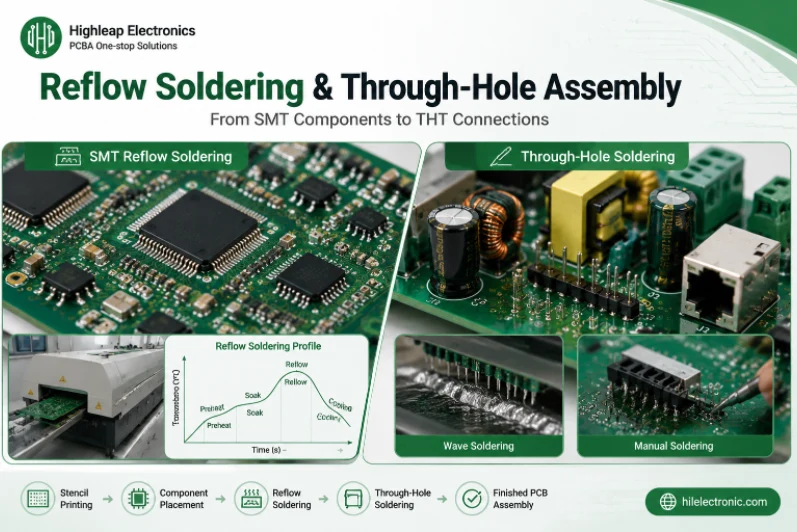
Figure 2. Manufacturing details for IPC J-STD-001 should be checked before quotation and production.
5. What J-STD-001 controls on the production floor
On the floor, J-STD-001 governs the concrete details that make a joint reliable: the solder alloy and flux, the temperature exposure during reflow, wetting and fillet formation, plated-through-hole fill, voiding limits, and handling that prevents contamination and electrostatic damage. These are the variables a manufacturer must hold within the standard’s limits for the class you specified, and they are where a “compliant” build is actually earned.
A few carry outsized weight. Wetting and fillet — how well the solder flows onto and bonds to the pad and lead — is the visible heart of joint quality, and the standard sets criteria for acceptable fillet shape and coverage. Voiding, the trapped gas pockets inside a joint that reduce its strength and thermal conductivity, has class-dependent limits and is verified on hidden joints by X-ray inspection. For through-hole joints, vertical fill of the barrel is a key criterion, since a partially filled barrel is mechanically and electrically weaker. And because excess heat damages parts and the laminate, the standard constrains the thermal exposure of the soldering process — which ties directly to running a correct reflow profile. Handling rules round it out: electrostatic-discharge protection and cleanliness control prevent latent damage and corrosion that no inspection of the joint itself would reveal, which is why broader quality inspection wraps around the soldering step.
6. How Highleap builds and inspects to J-STD-001
Highleap builds assemblies to J-STD-001 at the class you specify, backed by the materials control, process discipline, and inspection the standard requires. Through SMT PCB assembly, the solder and flux materials, reflow profile, and handling are controlled to the chosen class and solder process, with cleanliness managed to your residue requirement.
Inspection closes the loop: AOI checks joints and placement, X-ray verifies hidden joints under BGAs, and first-article approval confirms the build matches the standard before the batch runs. Because acceptance criteria are only as good as the data they work from, a pre-production manufacturability review catches footprint, spacing, and thermal-pad issues that would otherwise threaten Class 2 or Class 3 joint quality. When requesting a quote, state your class, solder process, cleanliness requirement, and which inspection records you need delivered.
7. IPC J-STD-001 FAQ
What does the “J” in J-STD-001 stand for?
It marks the document as a joint industry standard, developed jointly by IPC and other industry bodies rather than by IPC alone. The “STD” denotes a standard and “001” is its number in that joint series.
Is IPC J-STD-001 certification required to build my boards?
It is not legally mandated for most products, but many customers and industries require their contract manufacturer to build to it, and some require certified operators. It functions as a contractual quality benchmark rather than a government regulation.
How often is J-STD-001 revised?
IPC updates it periodically with lettered revisions as materials and processes evolve, so contracts should reference the specific revision being used. Working to the current revision keeps acceptance criteria aligned between buyer and manufacturer.
Does J-STD-001 require lead-free soldering?
No — the standard covers both leaded and lead-free processes and does not mandate either. Whether you use lead-free is driven by RoHS and your market, while J-STD-001 governs how that chosen process must be performed and inspected.
What is the difference between J-STD-001 and IPC-A-610 certification for operators?
J-STD-001 certification trains and qualifies people who do the soldering to the process requirements, while IPC-A-610 certification qualifies people who inspect and accept finished assemblies. Production lines often have both.
Can a single board be built to mixed IPC classes?
Yes — a design can specify a higher class for critical nets or areas and a standard class elsewhere, as long as those requirements are documented clearly. This targets extra rigor where reliability demands it without raising cost across the whole board.

Recommended Posts

Isola Astra MT77 PCB Manufacturing
Figure 1. Isola Astra MT77 PCB ManufacturingIsola Astra...

Nelco N4000-13 PCB Material and Manufacturing Guide | Highleap Electronics
Figure 1. Nelco N4000-13 PCBNelco N4000-13 PCB is a...

Copper Clad Laminate: Complete Material Selection Guide for PCB Engineers
Every electrical property that matters in a printed...

Inside a China Ceramic PCB Factory: Process Control Across Power/LED/RF/Medical
Table of Contents Inside a China Ceramic PCB Factory: How...
How to get a quote for PCBs
Let’s run DFM/DFA analysis for you and get back to you with a report. You can upload your files securely through our website. We require the following information in order to give you a quote:
-
- Gerber, ODB++, or .pcb, spec.
- BOM list if you require assembly
- Quantity
- Turn time
For PCBA services, please provide your BOM (Bill of Materials) and any specific assembly instructions. We also offer DFM/DFA analysis to optimize your designs for manufacturability and assembly, ensuring a smooth production process.