
Best PCB Design Software in 2026

Figure 1. best PCB design software
There is no single best PCB design software — the right tool depends on your budget, experience, and how complex your boards are. For most people the shortlist is short: KiCad is the best free, open-source choice with no commercial restrictions; EasyEDA is the easiest browser-based tool and a favourite for beginners and quick prototyping; and Altium Designer is the leading professional package for complex, high-speed, team-based work. This guide compares the main options on cost, platform, and what each is genuinely good at, then explains how to choose — and how your finished design reaches a manufacturer regardless of which tool you pick.
What makes PCB design software “the best”?
“Best” is relative, so judge tools against the things that actually affect your work:
- Cost and licensing — free, freemium, or paid per-seat. Important caveat: open-source tools (KiCad, LibrePCB) have no commercial restrictions, while some free tiers of commercial tools restrict commercial or closed-source use — always check the licence.
- Learning curve — how quickly you can go from schematic to ordered board.
- Capability — layer count, high-speed/impedance routing, differential pairs, and design-rule control.
- Component libraries — availability of parts, footprints, and 3D models, ideally with live stock and pricing.
- Manufacturing output — clean Gerber/ODB++, NC drill, BOM, and pick-and-place export that any fab can use.
- Platform and collaboration — Windows-only vs cross-platform vs browser-based, and whether teams can work together.
Best PCB design software compared
| Software | Cost | Platform | Best for |
|---|---|---|---|
| KiCad | Free, open-source | Win / macOS / Linux | Professionals & hobbyists, no vendor lock-in |
| EasyEDA | Free (Std & Pro) | Browser + desktop | Beginners, rapid prototyping, LCSC parts |
| Altium Designer | Paid (premium subscription) | Windows (+ Altium 365 cloud) | Complex, high-speed, large teams |
| Autodesk Fusion (Electronics) | Subscription | Win / macOS | Combined ECAD + mechanical (EAGLE successor) |
| Altium CircuitMaker | Free (community) | Windows | Hobbyists wanting Altium-style tools (public projects) |
| DipTrace | Paid (free tier limited) | Win / macOS / Linux | Friendly mid-range design |
| Proteus | Paid (tiered) | Windows | Simulation-first, embedded/firmware work |
| LibrePCB | Free, open-source | Win / macOS / Linux | Open-source projects, simple workflow |
| Fritzing | Small one-time fee | Win / macOS / Linux | Absolute beginners, breadboard view |
Best free and open-source: KiCad & LibrePCB
KiCad is the standard answer for the best free PCB design software. It’s fully open-source, backed by CERN, cross-platform, and capable enough for serious professional work — interactive push-and-shove routing, differential pairs, a 3D viewer, and an integrated SPICE simulator. Crucially, it has no licensing restriction on commercial use, which is why hardware startups and companies such as Arduino and SparkFun use it. The trade-off is a steeper learning curve than browser tools and no built-in team collaboration.
LibrePCB is a younger open-source option with a clean, simpler workflow and a library-centric design; it’s a good lightweight alternative for straightforward boards where you want open-source freedom without KiCad’s depth.

Figure 2. best PCB design software details
Best browser-based and collaborative tools
EasyEDA runs in the browser (and as a desktop app) with nothing to install. Built around a cloud EDA workflow, it pairs design with a large component library that shows live stock and pricing, which makes part selection fast. It comes in a Standard and a more capable Pro edition, both free, and is one of the easiest ways for a beginner to go from idea to ordered board in an afternoon.
Flux is a newer browser-native tool focused on real-time collaboration and AI-assisted library/footprint work — think multiplayer editing for hardware. Altium 365 brings cloud collaboration and data management to Altium Designer, and also provides a free web-based viewer for opening designs without a licence.
Best professional and high-end tools
Altium Designer is the leading commercial PCB package — powerful schematic capture, advanced high-speed and impedance-controlled routing, strong library and rules management, and tight integration with Altium 365 for teams. It’s Windows-based and a premium, per-seat subscription, which is the main reason it isn’t the default for hobbyists.
At the enterprise top end, Cadence (Allegro / OrCAD), Siemens (Xpedition), and Zuken (CR-8000) handle the most demanding high-speed, high-layer-count, and large-team designs. For embedded and firmware-heavy projects, Proteus is notable for combining schematic capture and PCB layout with circuit and microcontroller simulation.
One legacy note: Autodesk EAGLE, once hugely popular, is being discontinued — Autodesk ends EAGLE on June 7, 2026. Its engine lives on inside Autodesk Fusion’s Electronics workspace, so existing EAGLE users should migrate to Fusion (the official path) or to KiCad (free, and able to import EAGLE files) rather than starting new designs in EAGLE.
Which PCB design software should you choose?
| You are… | Best pick |
|---|---|
| A complete beginner | EasyEDA (or Fritzing to learn the concepts first) |
| A hobbyist wanting free, capable tools | KiCad |
| A startup planning to scale (no lock-in) | KiCad |
| A professional / team on complex boards | Altium Designer (+ Altium 365) |
| Doing combined PCB + enclosure design | Autodesk Fusion (Electronics) |
| Focused on simulation / firmware | Proteus |
If you’re undecided, start with KiCad or EasyEDA — both are free, so you can try them on a real board at no cost and only move to a paid tool if you outgrow them.
Do you also need circuit simulation software?
PCB design software and circuit simulation software are related but separate. A PCB tool draws the schematic and lays out the board; a simulator predicts how the circuit will behave electrically before you build it. Some tools blur the line — KiCad includes a SPICE simulator, and Proteus is built around simulation — but many designers pair a layout tool with a dedicated simulator.
For quick checks, free online and SPICE-based simulators (such as Falstad, CircuitLab, or LTspice) let you verify a circuit’s behaviour before committing to a layout. The usual flow is: prototype the idea, simulate the tricky parts, capture the schematic, lay out the PCB, then run a manufacturability check before ordering.
From design file to finished board
Whichever tool you choose, the file you hand a manufacturer is the same in principle: Gerber (or ODB++), an NC drill file, a board outline, and — for assembly — a BOM and pick-and-place file. These outputs are tool-neutral, so a board designed in KiCad, EasyEDA, Altium, or Fusion is built exactly the same way at the factory. You are never locked into one fab by your choice of CAD tool.
Highleap Electronics, a China-based PCB and PCBA manufacturer, accepts standard outputs from any of these tools. Before committing to a build, you can check your data in a free online Gerber viewer, and a DFM review confirms the design is manufacturable — catching clearance, drill, and stackup issues a CAD tool won’t flag against a specific fab’s capabilities. From there, fabrication and assembly turn the design into working boards.
Best PCB design software FAQ
What is the best PCB design software for beginners?
EasyEDA is the easiest starting point — it runs in a browser, has a large built-in component library, and integrates ordering, so you can go from schematic to a manufactured board quickly. Fritzing is also good for learning the concepts with its breadboard view.
What is the best free PCB design software?
KiCad. It’s free, open-source, cross-platform, has no restriction on commercial use, and is powerful enough for professional work. LibrePCB and EasyEDA are other strong free options.
Is KiCad good enough for professional use?
Yes. KiCad supports multilayer boards, interactive push-and-shove routing, differential pairs, and 3D viewing, and is used by companies and startups. For very large high-speed designs or big teams needing data management, Altium Designer or an enterprise tool may still be preferred.
Can I use free PCB software for commercial products?
It depends on the licence. Open-source tools like KiCad and LibrePCB have no commercial restrictions. Some free tiers of commercial tools (such as certain CircuitMaker or Fusion free options) may restrict commercial or closed-source use, so check the licence agreement.
What should I use now that EAGLE is ending?
Autodesk ends EAGLE on June 7, 2026. Migrate to Autodesk Fusion’s Electronics workspace (the official continuation, which opens EAGLE files) or to KiCad (free and able to import EAGLE files). Don’t start new designs in EAGLE.
Does my choice of PCB software lock me into one manufacturer?
No. All these tools export standard Gerber/ODB++, drill, BOM, and pick-and-place files, which any PCB manufacturer can build. EasyEDA supports standard manufacturing outputs, so the final files can be reviewed and built by a qualified PCB fabrication partner.

Recommended Posts
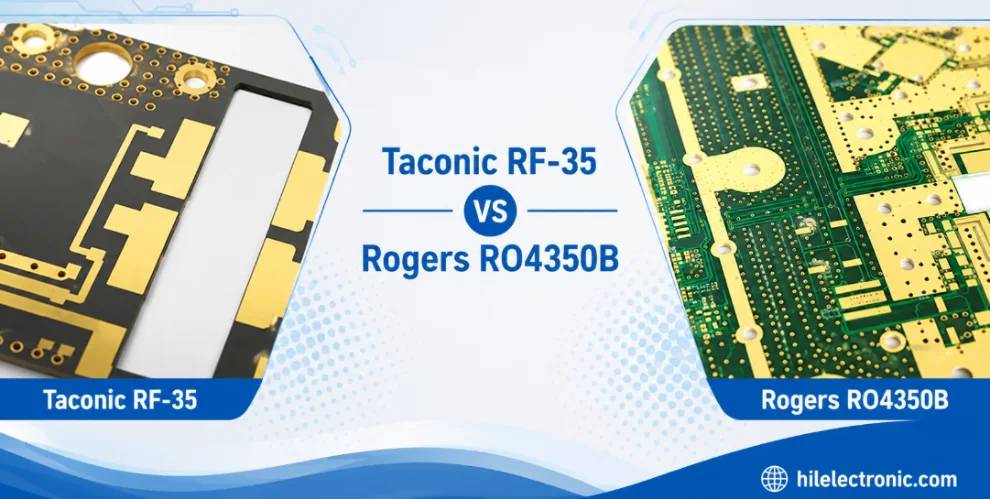
Taconic RF 35 vs RO4350B PCB
Table of contentsRF-35 vs RO4350B Procurement and...
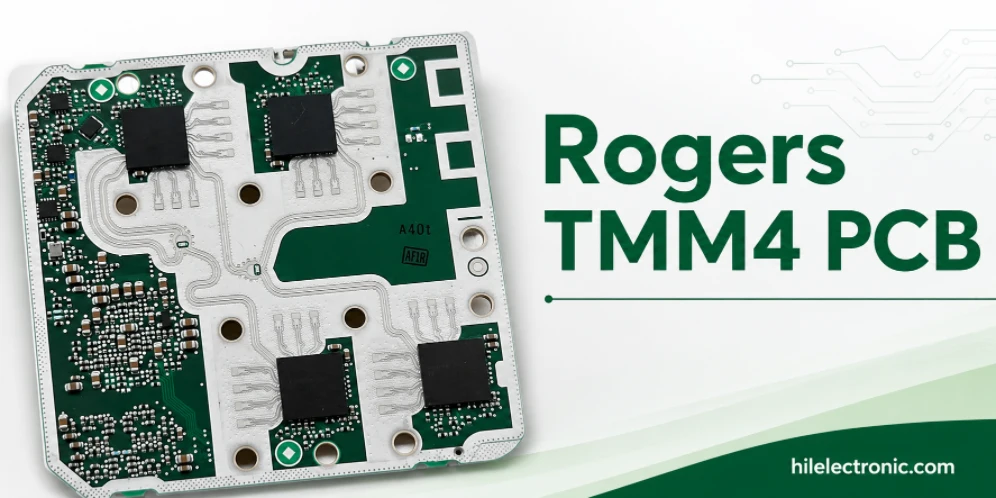
TMM4 Filter PCB Manufacturing
TMM4 filter PCB manufacturing is controlled by the...
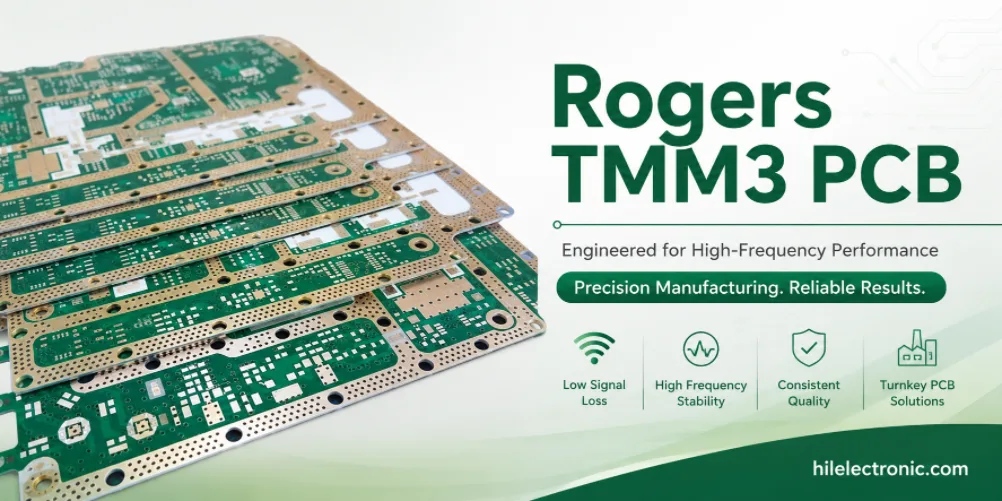
TMM3 PCB Manufacturing for RF Modules
TMM3 PCB manufacturing is most useful where the RF module...
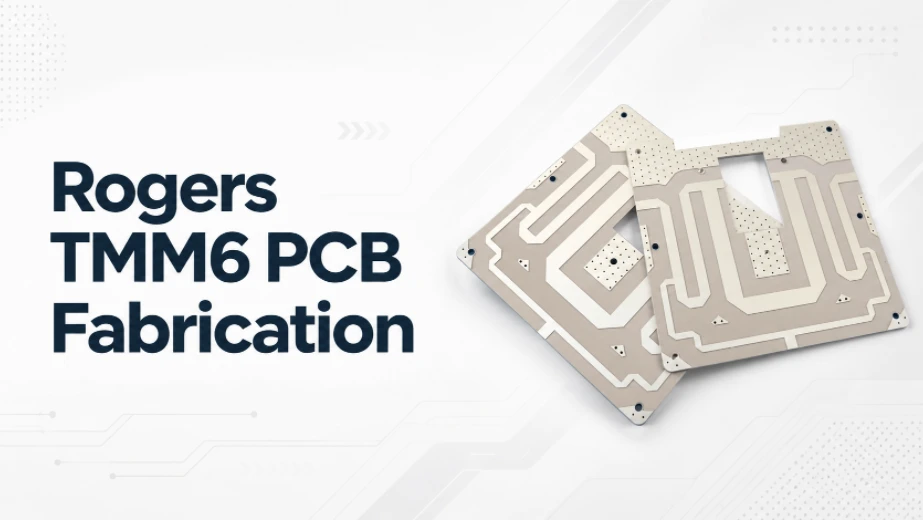
TMM6 PCB Fabrication
TMM6 fabrication is the process-control page for a mid-Dk...
How to get a quote for PCBs
Let‘s run DFM/DFA analysis for you and get back to you with a report. You can upload your files securely through our website. We require the following information in order to give you a quote:
-
- Gerber, ODB++, or .pcb, spec.
- BOM list if you require assembly
- Quantity
- Turn time
For PCBA services, please provide your BOM (Bill of Materials) and any specific assembly instructions. We also offer DFM/DFA analysis to optimize your designs for manufacturability and assembly, ensuring a smooth production process.