
Glass PCB Manufacturing Services

Glass PCB manufacturing is a specialized engineering and production service for circuit boards built on glass substrates. If your project requires flatness, dimensional stability, optical transparency, high-frequency performance, or advanced vertical interconnection, the first step is not to compare generic process charts, but to confirm whether the proposed structure can be manufactured on glass and which process route best fits the design. That is why successful glass PCB manufacturing usually starts with application review, material selection, DFM evaluation, and structure confirmation before prototype release or production planning.
Request a Glass PCB Manufacturing Quote
Before requesting quotation
- Prepare your layout files and board outline
- Define the application, not just the board size
- Clarify whether the design includes through-glass interconnection, optical area, RF routing, or package-style structure
- Confirm whether bare board only or fabrication plus assembly is required
Table of Contents
What Glass PCB Manufacturing Includes
Glass PCB manufacturing is not one fixed process applied to every design. It usually refers to the full engineering path required to convert a glass substrate into a functional circuit platform, including structure selection, routing evaluation, interconnect planning, substrate processing, conductor formation, inspection, and in some cases assembly coordination. The exact manufacturing route depends on what the board is intended to do.
A rigid glass routing board, a transparent glass circuit, a glass core structure, and an RF glass design may all fall under the same broad category, but they are not evaluated or produced in the same way. Some projects focus on optical area and conductor placement. Others focus on flatness and package-style build-up. Others depend on electrical behavior at higher frequencies or on substrate-level heat transfer. For that reason, glass PCB manufacturing is best handled as a project-specific service rather than as a generic fabrication template.
Compared with standard FR-4 fabrication, glass work usually requires earlier engineering alignment between design intent and manufacturing route. That is especially true when the project needs vertical interconnection, fine routing, unusual edge geometry, transparent functional areas, or substrate behavior that differs from conventional laminate boards. If the main question is whether glass is the right material compared with standard laminate technology, glass PCB vs FR-4 is the more relevant starting point.

What to Prepare for Glass PCB Manufacturing
A useful quotation or feasibility review starts with project definition, not just a request for price. To evaluate manufacturability correctly, the manufacturer needs to understand the structure, the application, and the role of the substrate in the final product. A glass board that looks simple in layout may still require a different manufacturing route depending on whether it is optical, RF, thermal, package-related, or vertically interconnected.
| Recommended project information | Why it matters |
|---|---|
| Layout files and board outline | Needed to review routing, pads, dimensions, and edge features |
| Target thickness and glass preference | Affects handling, structure choice, and process compatibility |
| Application description | Determines whether the design is optical, RF, thermal, transparent, or package-style |
| Interconnect requirement | Clarifies whether vertical routing through the glass is required |
| Assembly requirement | Changes finish selection, pad planning, and board handling method |
| Prototype quantity or production target | Helps define review depth, panel planning, and project path |
If the design depends on vertical interconnect through the substrate, that part of the project usually needs to be reviewed early, because interconnect strategy influences routing, pad placement, and structure selection across the board. In those cases, the discussion often overlaps with through-glass via requirements.
Glass PCB Structures Commonly Supported for Manufacturing
Glass PCB manufacturing is better understood by structure category than by one universal capability list. That makes it easier to match the design with the right fabrication path and avoid assumptions that do not apply to the actual project.
Rigid glass circuit boards
These are used where rigidity, flatness, chemical stability, or specialized thermal and electrical behavior are more important than flexibility. The manufacturing review usually focuses on conductor routing, board outline, substrate handling, and assembly compatibility.
Transparent and optically sensitive structures
These projects require electrical performance together with visible-area control. Conductor placement, optical zones, and substrate appearance may all influence the manufacturability review.
Glass core and package-style structures
These projects are closer to advanced substrate work than to ordinary rigid PCB fabrication. Vertical interconnect, build-up balance, flatness, and denser routing often become part of the evaluation. This is the type of manufacturing context associated with glass core PCB structures.
High-frequency glass boards
In RF-related projects, electrical behavior is part of the manufacturing decision. Routing geometry, reference structure, grounding, and substrate behavior can all affect how the board is evaluated and built. That type of project is closely related to high-frequency glass PCB development.
For this reason, a reliable manufacturing page should not try to force every glass project into one process table. What matters is whether the structure category, material system, and design intent match the production path being proposed.

How Glass PCB DFM Review Is Typically Handled
DFM review is usually the most important step in glass PCB manufacturing because it determines whether the proposed design can move forward without avoidable risk. In glass-based work, DFM goes beyond basic line-width checking. It often includes structure review, substrate selection review, outline review, interconnect review, and assembly review, because glass is less forgiving than FR-4 in both mechanical handling and structural transitions.
A practical DFM review often covers the following points:
- Substrate fit: whether the proposed glass type and thickness align with the application
- Board shape and edge features: whether the outline, cutouts, and edge conditions are realistic for glass handling and singulation
- Routing and density: whether the conductor layout matches the intended structure type
- Vertical interconnect planning: whether substrate-through interconnection is needed and placed appropriately
- Assembly readiness: whether pad design, component zones, and board support conditions make sense for the planned build
- Project stage: whether the design is suitable for first-pass prototypes, engineering samples, or repeat production
The purpose of DFM is not to produce a generic pass/fail result. It is to turn the layout into a realistic manufacturing plan. In many projects, material choice is part of that discussion, especially when different glass PCB substrate options may change the manufacturing route or the handling strategy.
Prototype, Assembly, and Production Planning
Glass PCB manufacturing is usually most successful when prototype work, assembly planning, and production planning are treated as one connected path rather than as separate decisions. A first prototype may be used to confirm structure, routing behavior, interconnect fit, or assembly readiness. After that, the project can move into engineering samples or repeat builds with a more stable production plan.
Assembly planning should begin early because glass boards are not handled the same way as FR-4. Support method, edge protection, fixture strategy, and placement conditions can all affect yield and reliability. This is especially important when the board is thin, transparent, optically sensitive, or also expected to support thermal transfer. In some applications, the electrical and thermal roles of the board must be reviewed together, which is why manufacturing discussions can overlap with LED glass PCB requirements.
A practical project path
- Submit files and application details
- Receive DFM feedback and structure confirmation
- Build prototypes or engineering samples
- Verify assembly or system fit if required
- Release the design for repeat production
Schedule should be confirmed after technical review rather than assumed from a fixed template. In glass PCB work, lead time depends on structure type, review complexity, substrate availability, whether assembly is included, and whether the project is a first-pass development build or a repeat production job.
Choosing the Right Glass PCB Manufacturing Partner
When evaluating a glass PCB manufacturer, the most useful question is not “what is the widest capability list,” but “can this supplier evaluate and build this specific structure correctly?” A strong manufacturing partner should be able to identify the structure category, explain the main production risks, recommend the right review path, and clarify what needs to be confirmed before fabrication starts.
A useful supplier discussion usually includes:
- Which types of glass PCB projects are actually supported
- Whether DFM is included before release
- Whether the supplier supports bare boards only or also assembly coordination
- How prototypes are handled before repeat production
- How glass-specific structural risks are reviewed instead of treating the project like a standard FR-4 board
The right manufacturing partner is usually the one that can turn the design into a clear, buildable plan rather than simply offering a longer process description. If you are preparing a glass PCB project for quotation or review, submit your files through the quote page so the board can be evaluated against actual structure, material, and production requirements.

Recommended Posts
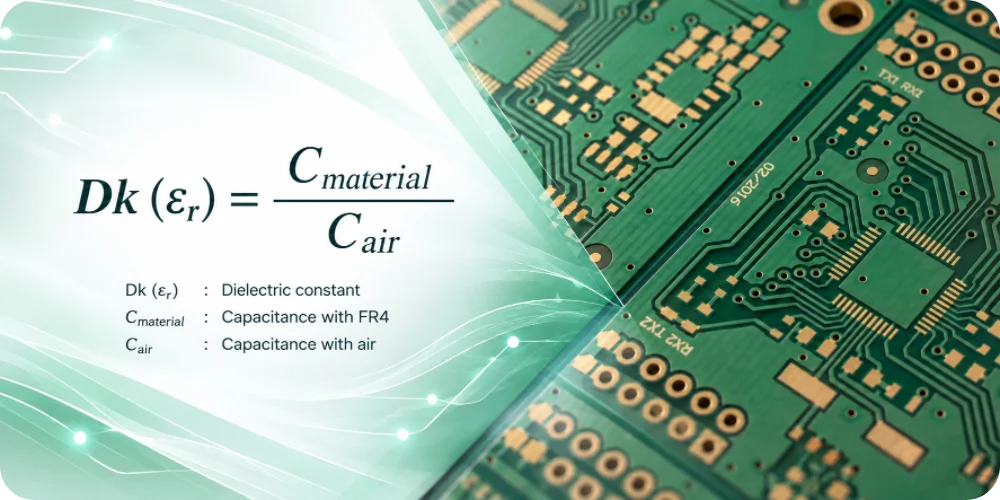
FR4 Dielectric Constant Calculator and PCB Design Guide
How to get a quote for PCBs Let's run DFM/DFA analysis for...
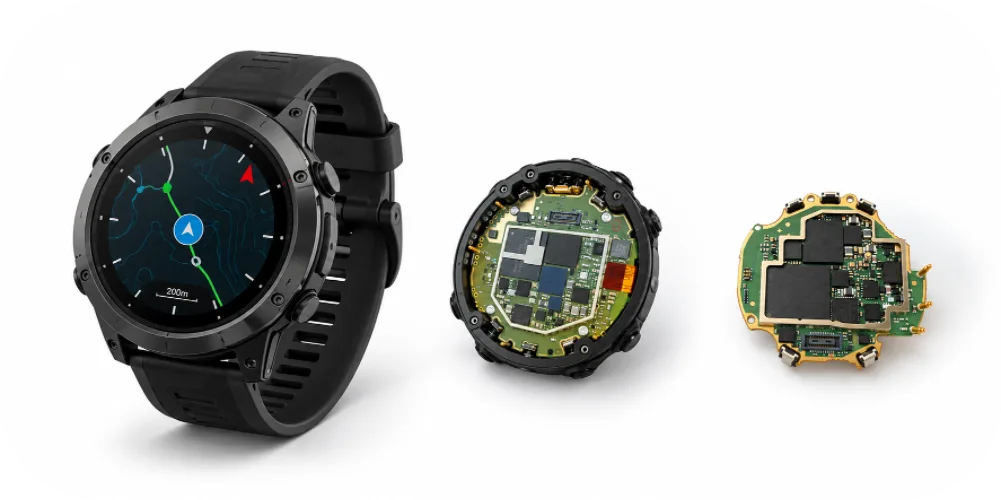
GPS Sports Watch PCB Design: GNSS, RF, Sensors and PCBA Manufacturing
Turning a compact GPS sports watch controller from an...
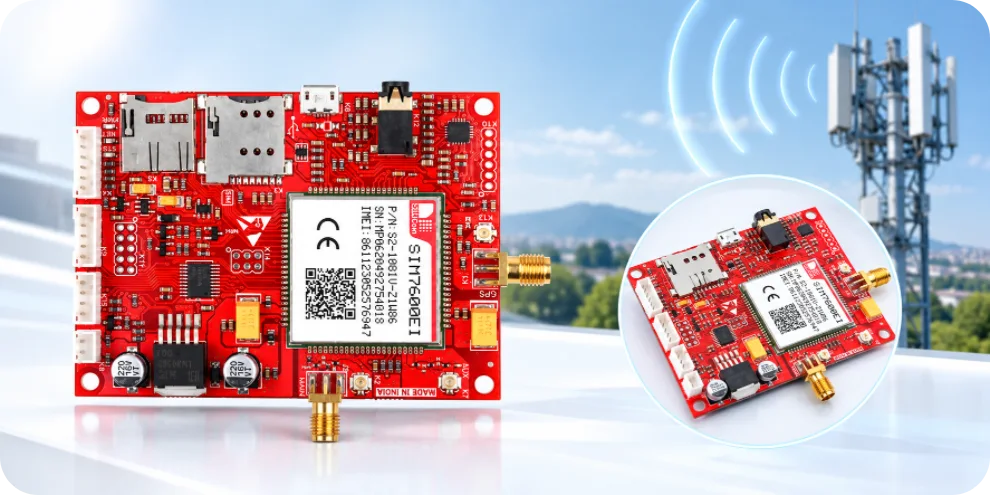
Cellular Modem PCB: From Module Carriers to PCBA
Need a manufacturer for a cellular modem PCB or a fully...
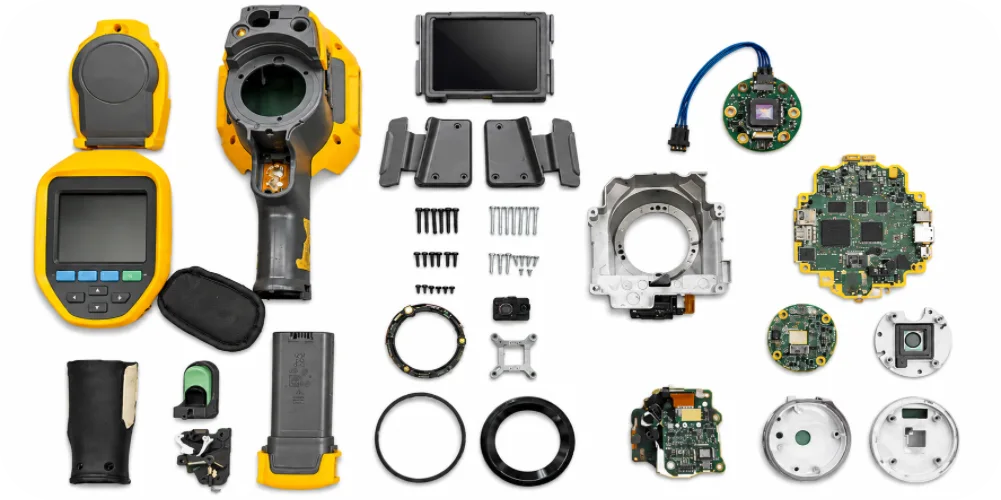
Portable Thermal Camera PCB Design and PCBA Manufacturing Guide
The thermal imaging module is often the part of a handheld...
How to get a quote for PCBs
Let us run DFM/DFA analysis for you and get back to you with a report.
You can upload your files securely through our website.
We require the following information in order to give you a quote:
-
- Gerber, ODB++, or .pcb, spec.
- BOM list if you require assembly
- Quantity
- Turn time
In addition to PCB manufacturing, we offer a comprehensive range of electronic services, including PCB design, PCBA (Printed Circuit Board Assembly), and turnkey solutions. Whether you need help with prototyping, design verification, component sourcing, or mass production, we provide end-to-end support to ensure your project’s success. For PCBA services, please provide your BOM (Bill of Materials) and any specific assembly instructions. We also offer DFM/DFA analysis to optimize your designs for manufacturability and assembly, ensuring a smooth production process.