
How to Remove Gold From Circuit Boards: How It Works and Why DIY Rarely Pays

Figure 1. circuit board gold recovery
Last updated: May 2026 · An informational guide to gold recovery from e-waste
Circuit boards really do contain gold, and the idea of extracting it is genuinely tempting — but the honest picture involves tiny quantities, dangerous chemistry, strict environmental law, and economics that almost never favor doing it yourself. This guide explains where the gold actually is, how much is really present, how recovery is performed at industrial scale, what chemicals are involved and why they are hazardous, and why the responsible path for nearly everyone is a licensed recycler or refiner rather than a home chemistry setup. It is an overview of how the process works and why it is rarely worth attempting — not a step-by-step procedure, because publishing one would put readers in real danger.
- Where the gold actually is
- How much gold is really there
- How gold recovery is done industrially
- The chemicals involved — and why they’re dangerous
- The safety and legal reality of DIY
- The economics: does it pay?
- The environmental cost of doing it wrong
- The better option: recyclers and refiners
- Frequently asked questions
Where the gold actually is
Gold is used in electronics for two practical reasons: it resists corrosion almost completely, and it conducts reliably over time. So it shows up precisely where a dependable, long-lived electrical contact matters most rather than spread evenly across the board.
The specific locations
On a typical board, gold appears at edge connectors (the “fingers” that slot into a socket), connector pins, IC leads and the fine bond wires inside chip packages, and as the thin gold layer in an ENIG (electroless nickel immersion gold) surface finish on some pads. None of these is a solid lump of gold — they are extremely thin platings or tiny wires.
Which boards are richest
The highest-grade scrap tends to be CPUs, gold-plated connectors and edge connectors, RAM modules, and motherboards. That is why hobbyists and recyclers target those parts first and set aside low-grade boards — the concentration of gold per kilogram is what determines whether recovery is worth the effort.
How much gold is really there
Far less than most people expect, and this is the single most important reality check in the whole topic. A typical consumer device contains only a fraction of a gram of recoverable gold — frequently cited as roughly 50 cents to a few dollars’ worth per device at prevailing gold prices. Older equipment from the 1980s and 1990s often used thicker gold plating and is richer per board than modern electronics, where manufacturers have steadily reduced gold use to cut cost, but even vintage boards hold only modest amounts.
The volume problem
To collect a meaningful amount of gold, you would need to process hundreds or thousands of boards. This is the first and biggest reason DIY rarely makes sense: the gold from a handful of boards will not come close to covering the cost of chemicals, equipment, your time, and the lawful disposal of toxic waste. The economics only begin to work at a scale far beyond what an individual can safely handle at home.
Gold is not even the most valuable metal by total mass
A point that surprises many people: across a whole device, gold is often not where most of the recoverable value sits. By weight, boards contain far more copper than gold, and the copper, tin, and sometimes palladium add up to a meaningful share of the total recoverable value. Industrial recyclers profit precisely because they capture all of these metals together from large volumes, not because any single board is rich in gold. A home gold-only attempt throws away most of the value while taking on all of the risk — another way the DIY case fails even before the safety problems are considered.
How gold recovery is done industrially
At industrial scale, gold is recovered through hydrometallurgy (chemical leaching) and/or pyrometallurgy (smelting), almost always after the boards have been shredded and pre-sorted to concentrate the valuable fractions.
The general sequence
The board material is mechanically processed so the gold-bearing surfaces are exposed, the gold is then leached into a solution, and finally it is selectively precipitated out and refined to high purity. Copper, palladium, silver, and other metals are typically recovered in the same overall process, which is part of why scale matters — recovering several metals at once improves the economics.
Why these are not bench projects
Every stage runs inside controlled industrial facilities with engineered ventilation, containment, and waste-treatment systems. The processes are designed around capturing toxic gases and neutralizing hazardous effluent — capabilities a home setup simply does not have. The industrial method works because of that engineering, not in spite of it.
Mechanical pre-processing matters most
A point often lost on hobbyists is how much of industrial recovery is mechanical rather than chemical. Before any leaching happens, boards are shredded, granulated, and separated by density, magnetism, and particle size to concentrate the metal-bearing fraction and strip away plastics and glass fibre. This concentration step is what makes the later chemistry efficient: a refiner is not dissolving whole boards, but a pre-sorted, metal-rich powder. A home attempt skips this entire stage, which is one reason DIY yields are poor — without concentration, the chemistry has to work through a huge volume of worthless material to reach a tiny amount of gold.
The chemicals involved — and why they’re dangerous
Described here only at a high level — deliberately not as a recipe — the common leaching chemistries and their core hazards are:
| Method | Hazard |
|---|---|
| Aqua regia (nitric + hydrochloric acid) | Highly corrosive; releases toxic gases |
| Cyanide leaching | Acutely toxic; tightly regulated |
| Thiourea / thiosulfate / iodide | “Less toxic” alternatives, still hazardous waste |
The common thread
Every one of these chemistries generates hazardous liquid waste that must be properly neutralized and disposed of. There is no efficient, genuinely non-toxic chemical method to strip gold from boards — the “safer” alternatives are only relatively less dangerous, and they still produce regulated waste. That fact is worth fully internalizing before anyone considers a home attempt: the danger is inherent to the chemistry, not a matter of being careful.
The safety and legal reality of DIY
This is the part that matters most, and the reason this guide stops at “how it works” rather than “how to do it.”
- No method is “safe.” Aqua regia and cyanide both pose serious risks to health and life; there is no benign DIY route, only degrees of hazard.
- Fumes and waste are the real killers. These processes release toxic gases and produce hazardous wastewater that is illegal to pour down a drain or onto the ground virtually everywhere.
- It is heavily regulated. Handling, storing, and disposing of these chemicals — and processing e-waste at all — are governed by environmental and hazardous-materials law. Informal processing can carry real legal liability.
- It demands real expertise and equipment. Proper fume handling, personal protective equipment, containment, and waste treatment are not optional extras; they are the whole job.
For these reasons this guide does not publish a procedure. The downside risk — to your lungs, your skin, your local environment, and your legal standing — dwarfs the few dollars of gold involved.
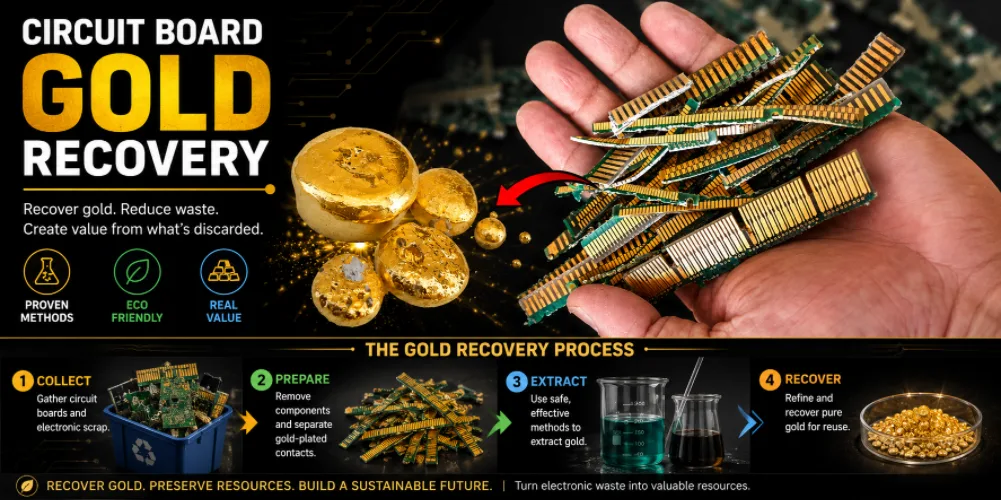
Figure 2. gold recovery from circuit boards
The economics: does it pay?
Put the numbers together and the case collapses for any individual. With only cents to a few dollars of gold per device, you must process large volumes to recover anything meaningful — and the combined cost of reagents, proper equipment, your time, and lawful hazardous-waste disposal typically exceeds the value of the gold you recover.
Why industry can make it work and you can’t
Industrial recyclers turn a profit only through scale, aggregation across many tons of material, recovery of multiple metals at once, and amortized investment in engineered processing equipment. A private person with a box of old boards has none of those advantages. For them, the math simply does not favor extraction — the cheapest and safest “recovery” is to hand the material to someone who already operates at scale.
The environmental cost of doing it wrong
Beyond personal risk, informal gold recovery has a heavy environmental footprint. The acids and cyanide compounds involved are acutely harmful to soil and water, and improper disposal contaminates the local environment in ways that are difficult and expensive to reverse. Regions where informal e-waste processing is common have documented serious soil and water pollution as a direct result. Choosing a licensed recycler is not only the safer and more economical option for you — it is also the responsible one for everyone downstream of where the waste would otherwise end up.
The better option: recyclers and refiners
If you have boards to deal with, the practical and responsible paths are straightforward:
- Licensed e-waste recyclers — many accept old electronics for free, or pay for higher-grade scrap, aggregating volume to make recovery viable and lawful.
- Precious-metal refiners — for larger quantities of high-grade material such as CPUs and gold connectors, specialist refiners process the material and pay based on assayed content.
- Manufacturer and retailer take-back programs — convenient and free for consumer devices, and increasingly common.
These operations recover gold along with copper, palladium, silver, and other metals at scale, with proper waste handling built in — better for your safety, your wallet, and the environment than processing a few boards by hand ever could be.
How to choose a responsible recycler
Not every operation that accepts e-waste handles it well. For larger or sensitive volumes, look for recyclers with recognized environmental and data-security credentials — certifications such as R2 (Responsible Recycling) or e-Stewards indicate audited, lawful processing rather than export to informal operations abroad. Ask what happens to the material downstream, whether they provide a certificate of recycling or destruction, and how they handle any data-bearing devices. A reputable recycler will answer these readily; reluctance is a red flag. For a single box of old boards, a municipal e-waste drop-off or a manufacturer take-back program is usually the simplest responsible route.
A note from a board maker
At Highleap Electronics we manufacture and assemble boards, including ones with gold (ENIG) surface finishes — but we do not recover gold from scrap. If your real interest is the gold finish on a new board (for edge connectors or fine-pitch pads), we are happy to advise on the right finish for your design and budget.
Ask about ENIG / gold finishes →
Frequently asked questions
How much gold is in a circuit board?
Very little — typically a fraction of a gram per device, often only about 50 cents to a few dollars’ worth. Meaningful quantities require hundreds or thousands of boards.
Is it safe to extract gold from boards at home?
No. The chemicals involved (aqua regia, cyanide, strong acids) are hazardous, produce toxic fumes and waste, and are heavily regulated. There is no safe, non-toxic DIY method.
Is DIY gold recovery worth the money?
Almost never. The small amount of gold rarely covers reagents, equipment, time, and lawful disposal — let alone the health and legal risks.
What should I do with old circuit boards instead?
Send them to a licensed e-waste recycler or, for high-grade scrap, a precious-metal refiner. They recover the metals safely and legally at scale.
Which boards have the most gold?
CPUs, gold-plated connectors and edge connectors, RAM, and motherboards tend to be the richest sources.
Is it legal to extract gold from e-waste?
Handling the chemicals and disposing of the waste are tightly regulated, and rules vary by location. Informal processing can carry legal and environmental liability — another reason to use licensed recyclers.
Why don’t you publish a step-by-step method?
Because the safe practice of these chemistries requires industrial fume handling, containment, and waste treatment. A home procedure would put readers at serious risk for a few dollars of gold, so this guide explains the process and economics instead.

Recommended Posts
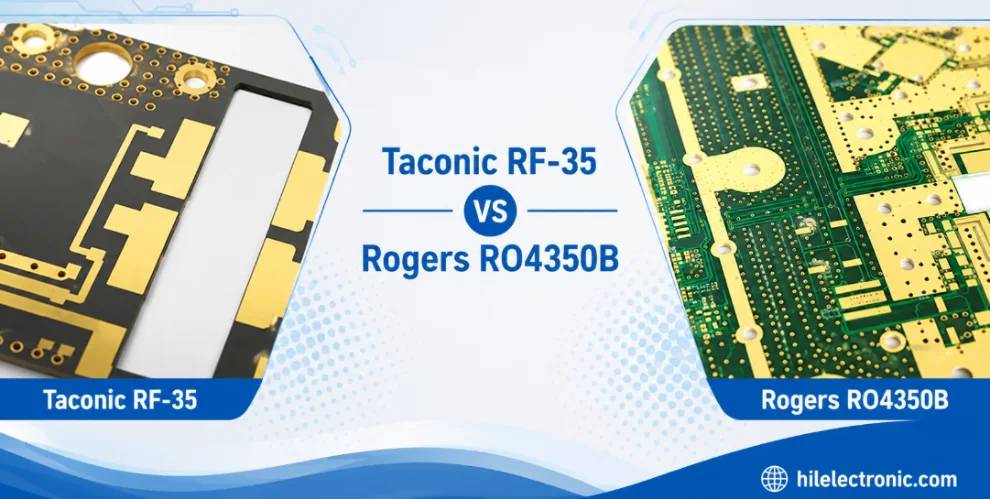
Taconic RF 35 vs RO4350B PCB
Table of contentsRF-35 vs RO4350B Procurement and...
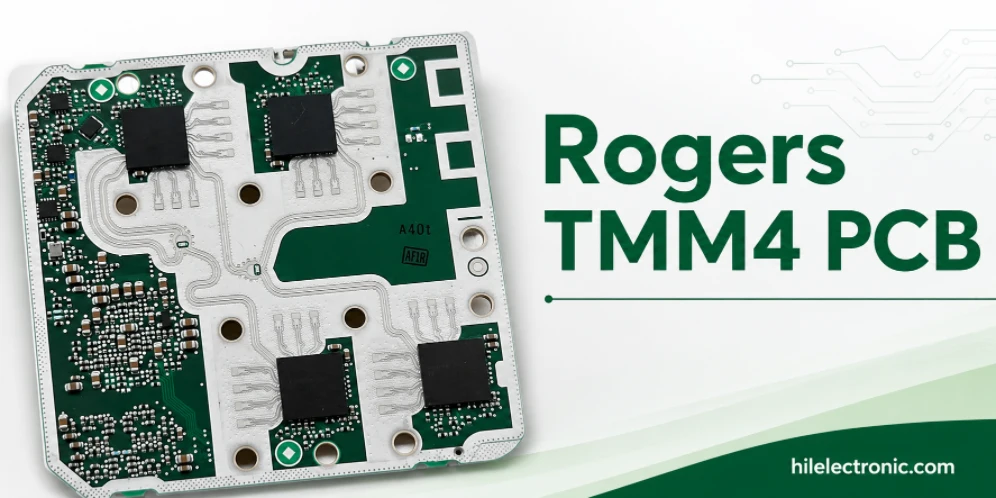
TMM4 Filter PCB Manufacturing
TMM4 filter PCB manufacturing is controlled by the...
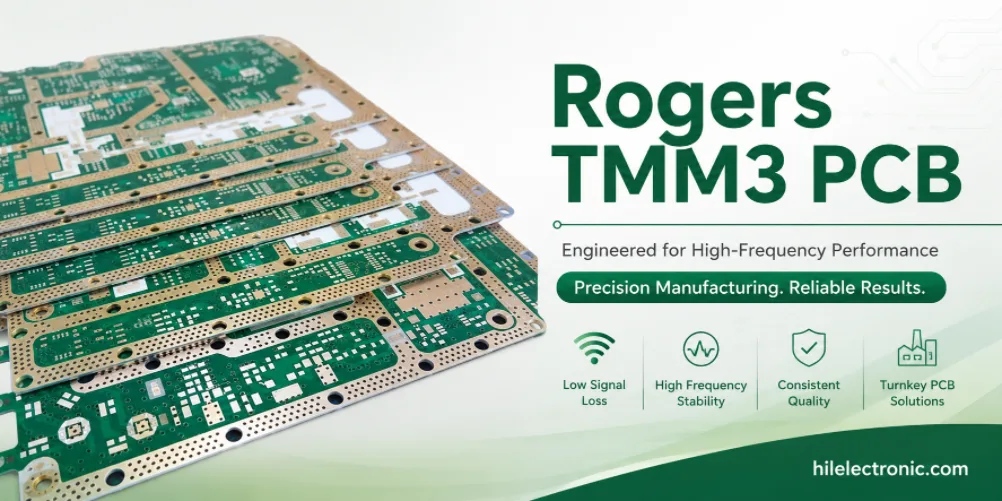
TMM3 PCB Manufacturing for RF Modules
TMM3 PCB manufacturing is most useful where the RF module...
TMM6 PCB Fabrication
TMM6 fabrication is the process-control page for a mid-Dk...
How to get a quote for PCBs
Let‘s run DFM/DFA analysis for you and get back to you with a report. You can upload your files securely through our website. We require the following information in order to give you a quote:
-
- Gerber, ODB++, or .pcb, spec.
- BOM list if you require assembly
- Quantity
- Turn time
For PCBA services, please provide your BOM (Bill of Materials) and any specific assembly instructions. We also offer DFM/DFA analysis to optimize your designs for manufacturability and assembly, ensuring a smooth production process.