
Back to blog
Complete PCB SMT Assembly Process Flow
Print Solder Paste
The first step in the PCB SMT assembly process is applying solder paste to the PCB. A stencil is used to precisely deposit the paste only on the pads where components will be placed. This paste acts as an adhesive and solder source for attaching components.
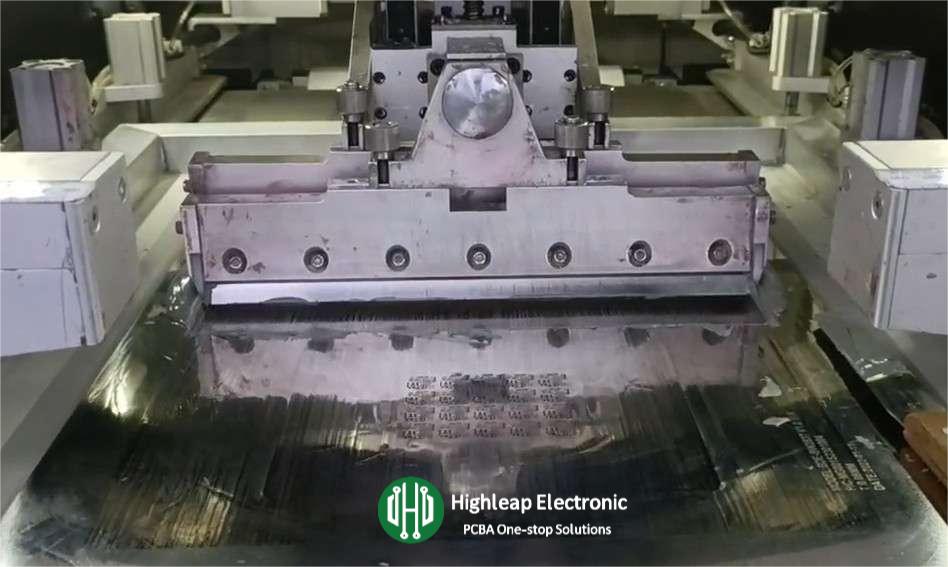 A complete SMT process flow should also define how files, parts, stencil, placement, reflow, AOI, and rework connect with the broader PCB assembly service and upstream component sourcing.
Pick and Place SMT Component
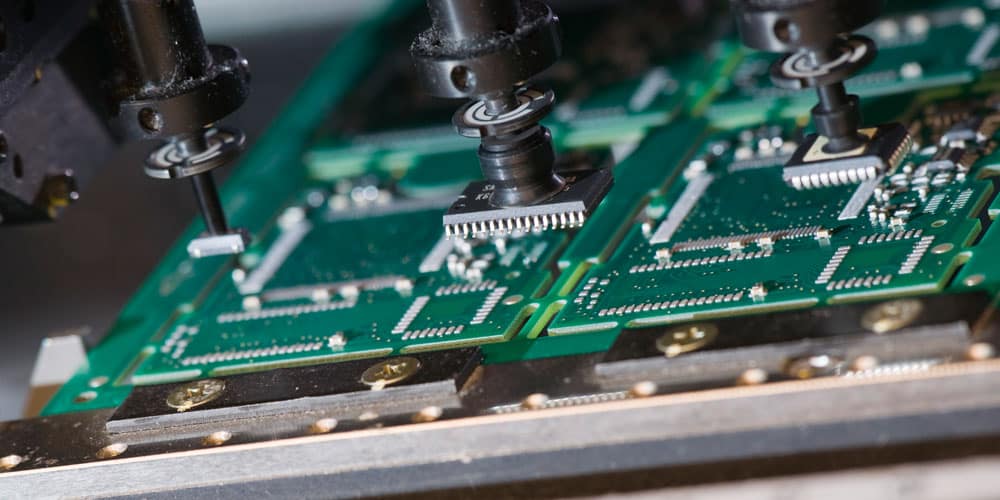
Once the solder paste is applied, surface mount components are placed onto the board. This is done using automated pick-and-place machines, which accurately position each component on the designated solder paste pads.
 Solder Paste Inspection (SPI)
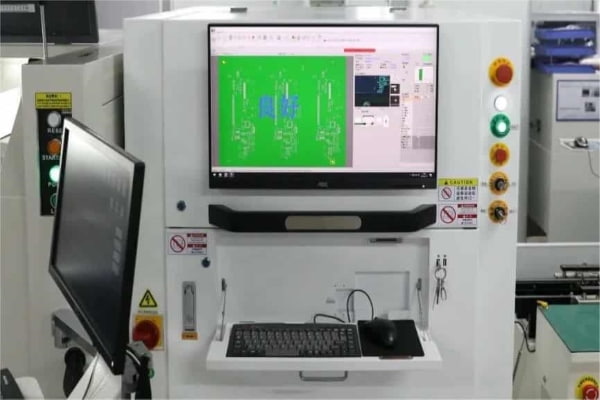
After the solder paste application and before component placement, Solder Paste Inspection is conducted. This step ensures that the solder paste is applied correctly – checking for the right amount, shape, and placement. SPI helps prevent soldering defects that could occur during reflow.
 Reflow Soldering
In reflow soldering, the PCB with placed components is passed through a reflow oven. The oven heats the assembly to a point where the solder paste melts and forms solid solder joints, permanently attaching the components to the board.
 Post-Reflow Inspection
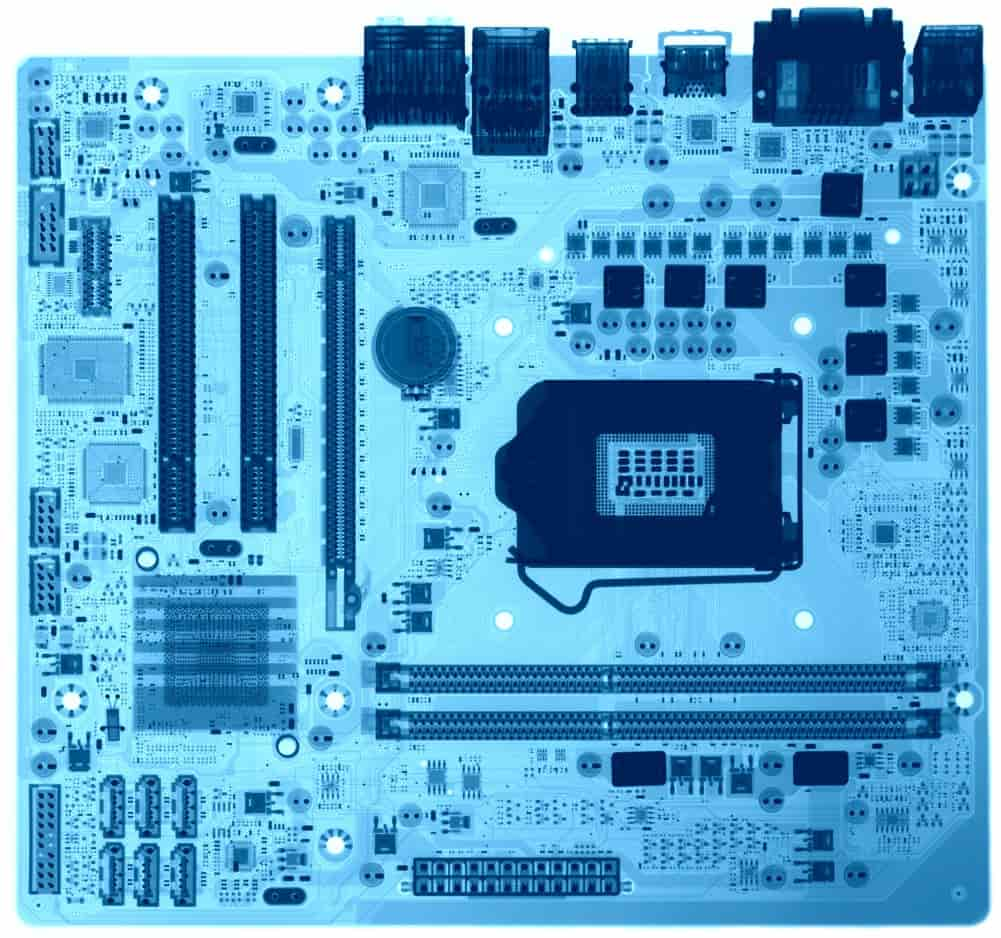
After reflow soldering, the PCB is inspected to ensure all components are correctly soldered. Automated Optical Inspection (AOI) or X-ray inspection is often used for this purpose to detect any soldering defects like bridges, insufficient solder, or component misalignment.
AOI of PCB SMT assembly
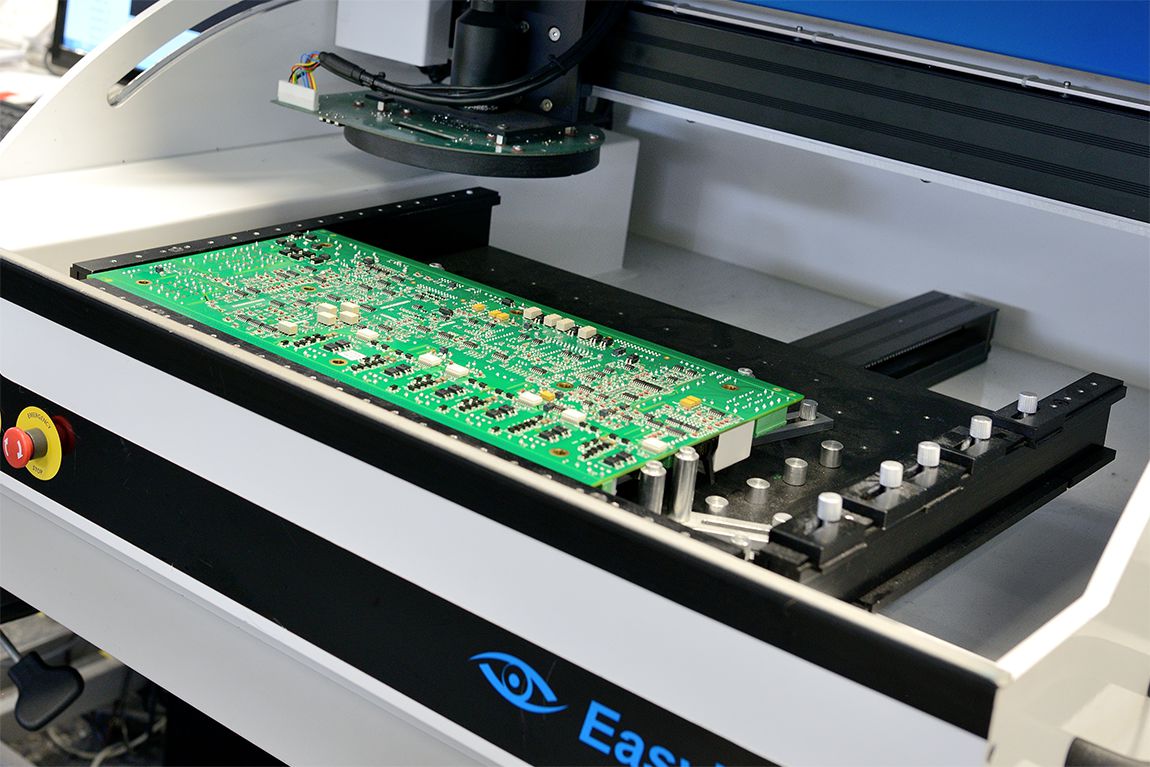
AOI systems use high-resolution cameras to scan the PCBs for various types of defects such as soldering errors, missing or misplaced components, and other manufacturing faults.
 X-ray inspection of PCB SMT assembly
X-ray inspection can see through the layers of a PCB, identifying hidden defects such as voids in solder joints, bridging, and solder quality issues within Ball Grid Arrays (BGAs), Micro BGA, and chip scale packages.
 Final Inspection and Testing
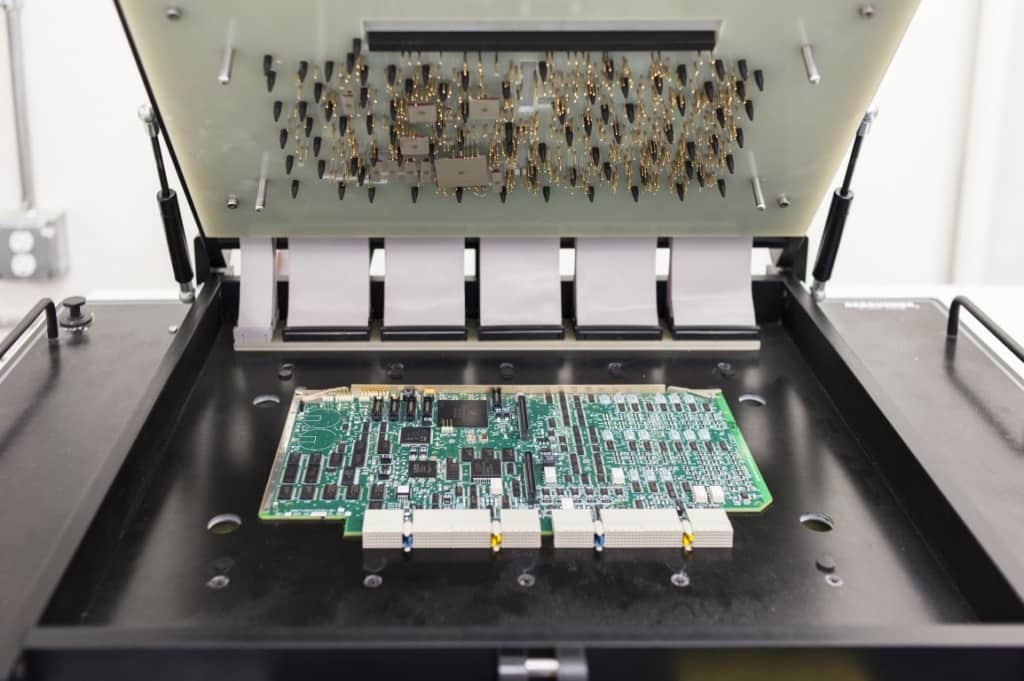
This phase involves a thorough inspection and functional testing of the PCB. It ensures that the board meets all the required specifications and is functioning as intended. This step might include manual checks and various electrical tests.
 Cleaning and Packaging
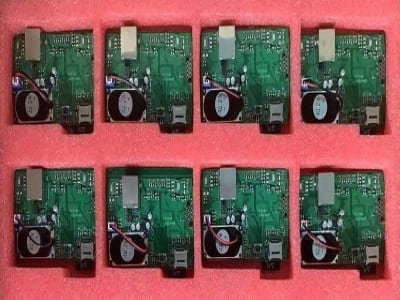
The final step is cleaning the PCB to remove any residual solder flux or contaminants. After cleaning, the PCB is carefully packaged for shipping or delivery to the next stage of production or assembly.
 fine-pitch BGA assembly and prototype PCB manufacturing, which can help prevent unclear notes in the quote package.
Related Articles

Rogers FR4 Hybrid PCB Manufacturing
Learn what drives Rogers FR4 Hybrid PCB cost, lead time, material selection, stackup complexity, and the information needed for a reliable PCB quotation.
High Dk Rogers PCB Fabrication
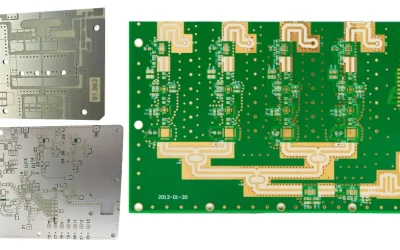
A practical guide to rogers high-dk pcb fabrication & turnkey assembly, covering material control, RF stackup decisions, fabrication checks, inspection eviden
AD300D PCB Manufacturing for Low PIM
A practical guide to rogers ad300d pcb manufacturing for low pim, covering material control, RF stackup decisions, fabrication checks, inspection evidence, an