
Board-to-Board Connector: Types, Specifications, and How to Select One
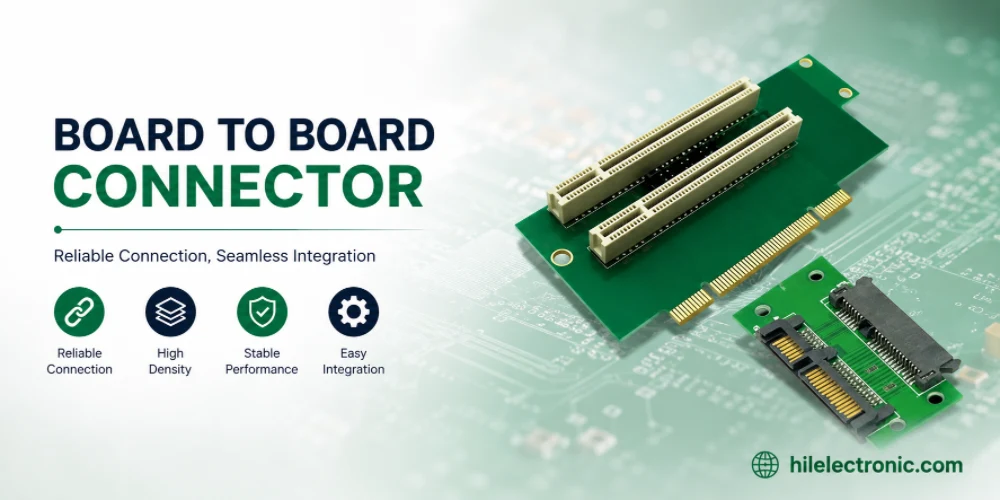
Figure 1. Board To Board Connector reference image for PCB manufacturing review.
- Families: board-to-board (mezzanine/stacking), right-angle, edge/card-edge, and cable-to-board
- Common pitches: 0.4, 0.5, 0.8, 1.0, 1.27, 2.0, 2.54 mm — finer pitch saves space, tolerates less abuse
- Stack height: the board-to-board gap, often 1.5–20 mm by series
- Contact plating: gold over nickel on the mating area for low, stable contact resistance
- Mating cycles: fine-pitch parts are often rated for tens, not hundreds, of cycles
- Almost always SMT, so coplanarity and placement accuracy are critical
A board-to-board connector looks like a trivial line on the BOM, but it is one of the most common sources of field failures in stacked electronics: intermittent contacts, cracked solder joints, and connectors that will not mate after the enclosure is closed. The reason is that a connector is a mechanical part doing an electrical job, and the two requirements pull against each other. This guide goes deep on the connector families, the specifications that genuinely drive selection, the signal-integrity and mechanical rules for fine-pitch and high-speed designs, and the assembly details that decide whether a stacked-board product survives the field — including the cases where the smartest move is to remove the connector entirely.
The points below come from what our assembly engineers at Highleap Electronics check when a design stacks two or more PCBs together with board connectors.
1. What Is a Board-to-Board Connector? Types and Uses
A board-to-board connector creates an electrical and mechanical link between two PCBs without an intervening cable. One board carries the header (pin side), the other the receptacle (socket side), and mating them aligns dozens or hundreds of contacts at once. The family you choose is set mainly by how the two boards are oriented relative to each other.
Mezzanine (parallel / stacking) connectors
A mezzanine connector stacks two boards parallel to each other, separated by the connector’s stack height. This is the workhorse arrangement for compact products — daughtercards, RF and sensor modules, and sandwiched assemblies — where vertical space is cheaper than board area. Stack height is a defining parameter because it sets the precise gap between the boards.
Right-angle, edge, and card-edge styles
A right-angle connector joins two boards at 90°, common where a daughtercard plugs perpendicularly into a motherboard. Card-edge connectors take this further by using gold-finger contacts etched on the board edge itself, eliminating one connector half and its cost.
Cable-to-board and wire-to-board cousins
Closely related are cable-to-board and wire-to-board connectors, which terminate a cable or wire rather than mating to a second PCB. They solve a different problem — connecting a board to something that moves or sits elsewhere in the chassis — and small versions such as a 4-pin circuit board connector are everywhere in consumer and industrial hardware. The selection logic (pitch, current, retention, mating cycles) is identical even though one side is a wire, which is why PCB board-to-board connectors and cable-to-board parts are often specified from the same family.
2. Board-to-Board Connector Specifications
A connector datasheet lists dozens of parameters, but a handful do the real work of narrowing the choice.
| Specification | What It Controls | Watch Out For |
|---|---|---|
| Pitch | Contact spacing and overall size | Finer pitch saves space but is fragile and less misalignment-tolerant |
| Stack height | The gap between the two boards | Header + receptacle pair defines it; must match the mechanical stack-up |
| Current rating | Amps per contact before excessive heating | Parallel contacts for power rails; derate at elevated temperature |
| Mating cycles | How often it can be plugged/unplugged | Fine-pitch parts may be rated for only tens of cycles |
| Contact plating | Contact resistance and durability | Gold over nickel on the mating area resists wear and corrosion |
| Mating force | Insertion/withdrawal effort and feel | High total force can stress joints and complicate blind-mate |
Pitch is a space-versus-robustness trade
Pitch — the center-to-center spacing of contacts — runs from coarse 2.54 mm down to fine 0.4 mm. A finer pitch packs more contacts into less area, which is why phones and wearables use it, but it tolerates less misalignment, is more easily damaged by mishandling, and demands tighter placement during assembly. Choose the coarsest pitch your space allows, not the finest you can find.
Current, derating, and contact resistance
Each contact has a current rating, but that figure is usually quoted at a stated temperature rise and for a single contact in isolation. For a power rail, the standard practice is to parallel several contacts and to derate the rating as ambient temperature rises, because the current rating exists to limit self-heating. Low and stable contact resistance — a few milliohms, held by the gold-over-nickel plating — is what keeps that heating in check and prevents the voltage drop that plagues worn or contaminated contacts.
3. Signal Integrity and Mechanical Design
A connector lives where mechanics and electronics collide, so two very different concerns must be satisfied at once.
Alignment, float, tolerance, and keying
Two boards joined by a connector must align within the connector’s misalignment tolerance, which a fine-pitch part may quote as a fraction of a millimeter; some series add float or self-aligning lead-ins to absorb board-to-board variation. That budget must be honored by your board dimensions, mounting holes, and standoffs — not the connector alone. Polarization and keying prevent an operator from mating the connector offset or reversed, and a blind-mate assembly that cannot be seen while the enclosure closes should favor a forgiving tolerance and clear lead-in chamfers.
High-speed signals make the connector part of the channel
For high-speed digital or RF, the connector is part of the transmission line. Once edge rates get fast enough, an ordinary connector becomes an impedance discontinuity that reflects energy, raises crosstalk, and radiates. High-speed designs use impedance-controlled connectors with defined ground returns and an adequate ground-to-signal contact ratio, and the launch from the board into the connector must maintain controlled impedance across the transition. Ignoring this turns a clean board layout into a marginal link right at the connector.
4. Board-to-Board Connector Assembly, Reliability, and Alternatives
Most board-to-board connector problems are not the connector’s fault — they are assembly and mechanical-design issues that the connector merely exposes.
Coplanarity, retention, and rework
Most board-to-board connectors are surface-mount, with many fine leads that must all touch their pads. A connector body that is slightly warped, or a board that is not flat, leaves leads off the pads and creates opens — which is why placement accuracy and reflow control matter so much during SMT assembly, and why coplanarity is verified at inspection. Mechanical strain from plugging, vibration, and board flex feeds into the solder joints, so connectors with board locks, hold-downs, or through-hole anchoring posts survive far longer than ones held only by their signal pads. Match the mating-cycle rating to how often the product is opened, and keep contacts clean — flux residue or debris raises resistance and causes intermittents.
When a connector isn’t the right answer
Sometimes the most reliable connection is no connector at all. If two boards never need to be separated, a connector adds cost, height, and a failure point for no benefit. The common alternative is a rigid-flex or flex circuit that makes the two rigid sections one continuous board joined by a flexible section, eliminating the mating interface, its contact resistance, and its solder-joint wear — see our overview of flexible and rigid-flex PCBs. For short, fixed connections between adjacent boards, castellated edge plating lets one board solder directly onto another like a module. For compact, vibration-prone, or high-reliability products, these alternatives often pay for themselves.
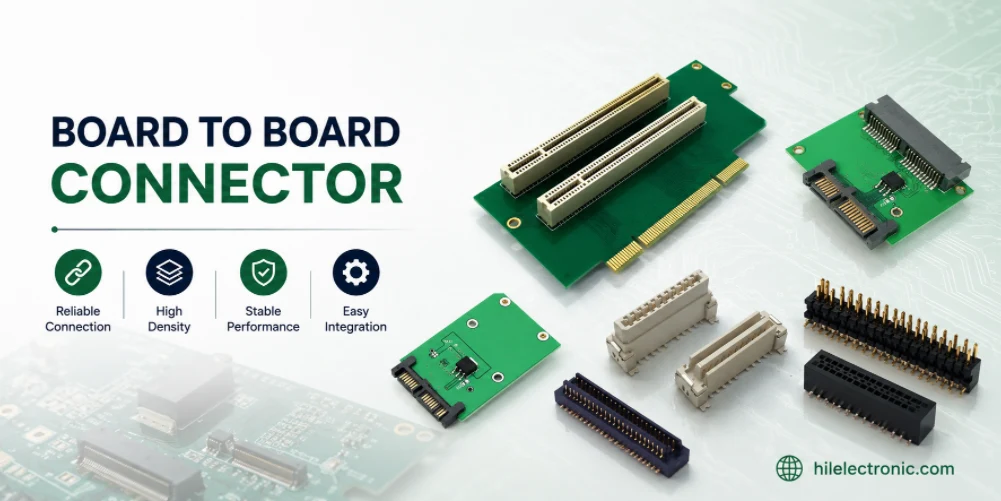
Figure 2. Board To Board Connector details should be checked before quotation and production.
5. Connector and Stacked-Board Assembly at Highleap
Stacked and connectorized boards are routine for us, and the failure modes are predictable — which means they are preventable. When we assemble a board with fine-pitch board-to-board connectors, we hold placement accuracy and reflow profile so every lead lands on its pad, verify coplanarity at inspection, and flag connectors that rely only on signal pads for retention so they can be anchored properly. Where a design stacks boards, we also confirm that the chosen stack height and the mechanical hardware actually agree before the first build.
If your product joins two or more boards — by connector, castellation, or rigid-flex — send the design and we will review the assembly and mechanical risks, then build it so the connection survives handling, vibration, and the field. For designs where a connector is overkill, we can fabricate the rigid-flex alternative instead.
Review My Stacked-Board Design
6. Board-to-Board Connector FAQs
What is a board-to-board connector?
It is a connector that joins two printed circuit boards directly, without a cable, by mating a header on one board with a receptacle on the other. It is used to stack or link boards in compact products and is defined mainly by its pitch, stack height, and current rating.
What is the difference between a board-to-board and a cable-to-board connector?
A board-to-board connector mates to a second PCB; a cable-to-board connector terminates a cable or wire that runs elsewhere in the product. The selection criteria — pitch, current, retention, mating cycles — are the same, but one side is a board and the other is a cable.
What is stack height in a mezzanine connector?
Stack height is the gap between the two parallel boards once mated, set by the header-and-receptacle pair you choose. It must match your mechanical stack-up, so it is selected together with standoffs and enclosure dimensions, not in isolation.
How do I choose the right pitch?
Pick the coarsest pitch your available space allows. Finer pitches (down to 0.4 mm) pack more contacts into less area but tolerate less misalignment, are easier to damage, and demand tighter assembly control; coarser pitches are more robust.
How much current can a board-to-board connector carry?
Each contact has a rating quoted at a stated temperature rise, typically for a single contact. For power rails, parallel several contacts and derate as temperature rises rather than relying on one pin to carry a multi-amp rail.
Why do board-to-board connectors fail at the solder joints?
They are usually surface-mount with many fine leads, so a warped connector or non-flat board leaves leads off their pads, and mechanical strain from mating, vibration, and flex cracks the joints. Choosing connectors with retention features and holding the board flat through assembly prevents most failures.
When should I use rigid-flex instead of a connector?
When the two boards never need to be separated. A rigid-flex circuit makes them one continuous board joined by a flexible section, removing the connector’s contact resistance, mating wear, and solder-joint failure points — valuable in compact, vibration-prone, or high-reliability products.

Recommended Posts

Isola Astra MT77 PCB Manufacturing
Figure 1. Isola Astra MT77 PCB ManufacturingIsola Astra...

Nelco N4000-13 PCB Material and Manufacturing Guide | Highleap Electronics
Figure 1. Nelco N4000-13 PCBNelco N4000-13 PCB is a...

Copper Clad Laminate: Complete Material Selection Guide for PCB Engineers
Every electrical property that matters in a printed...

Inside a China Ceramic PCB Factory: Process Control Across Power/LED/RF/Medical
Table of Contents Inside a China Ceramic PCB Factory: How...
How to get a quote for PCBs
Let’s run DFM/DFA analysis for you and get back to you with a report. You can upload your files securely through our website. We require the following information in order to give you a quote:
-
- Gerber, ODB++, or .pcb, spec.
- BOM list if you require assembly
- Quantity
- Turn time
For PCBA services, please provide your BOM (Bill of Materials) and any specific assembly instructions. We also offer DFM/DFA analysis to optimize your designs for manufacturability and assembly, ensuring a smooth production process.