
Heavy Copper PCB Manufacturing for Data Center Power Systems

Data Center Power Systems and PCB Solutions
Introduction to Data Center Power Systems
Highleap Electronics specializes in PCB manufacturing for data centers, AI clusters, and high-performance computing systems. With the rise of AI workloads, the demand for reliable and efficient power management in data centers has increased significantly. Our power management PCBs, server boards, and heavy copper designs ensure long-term performance and reliability in modern data center infrastructures.
Key Components of Data Center Power Systems
Power Distribution Solutions
- Low Voltage PDUs ensure efficient energy delivery with intelligent monitoring.
- Medium Voltage Distribution supports large-scale facilities with thousands of servers.
Backup Power & Redundancy
- High-capacity UPS systems protect against unexpected outages.
- Batteries stabilize power transitions and handle fluctuations.
- Diesel and gas generators provide extended backup for uptime.
Cooling & Thermal Management
- HVAC units prevent overheating of sensitive hardware.
- Energy-efficient cooling solutions maintain optimal thermal stability.
Automation & Monitoring Systems
- Remote Power Panels for centralized management.
- DCIM software for real-time energy, cooling, and system efficiency monitoring.
- Smart energy systems reduce operating costs.
Security & Risk Protection
- Integrated fire detection and suppression systems for power infrastructure.
- Cybersecurity and surveillance solutions to protect sensitive data.
Heavy Copper PCB Manufacturing for Data Center Power Systems
At Highleap Electronics, we specialize in providing high-performance PCB solutions for AI servers, data centers, and advanced computing systems. From AI computing hardware PCB manufacturing to AI motherboard solutions, our expertise spans high-density server boards, complex multi-layer designs, and efficient power systems for data centers. Whether you need server backplanes or power systems that ensure long-term operational reliability, we have the capabilities to meet your needs.
- End-to-End Manufacturing Services: We handle the full process from prototype to mass production, with volumes exceeding 50,000 units. Our quick-turn prototypes ship in 48-72 hours, and we maintain stringent quality control through automated monitoring for consistency, no matter the order size.
- Mixed Technology Assembly: Our production lines handle both SMT and through-hole components, critical for high-performance server motherboards and computing PCBs. We use selective soldering after SMT reflow to ensure reliable mechanical strength. Learn more about our GPU PCB manufacturing expertise.
- Advanced Testing Equipment: We rigorously test each board under real-world conditions using electronic loads, thermal cameras, and hi-pot testing. This ensures that each PCB meets the highest performance and reliability standards, with traceability for every unit.
Our specialized approach to PCB manufacturing guarantees that every motherboard, backplane, and power system we produce is built to the highest standards. We provide data centers and AI systems with reliable, high-density PCBs engineered for long-term performance. With our advanced manufacturing capabilities, quick-turn prototypes, and robust testing procedures, we are your trusted partner in building the next generation of computing infrastructure. For more details, visit our AI computing hardware PCB solutions.
Power Requirements in Modern AI Data Centers
Today’s AI training clusters consume unprecedented amounts of power. A single rack can draw 50-100kW, and large installations exceed 100MW total consumption. This scale creates unique challenges for power distribution and management systems that traditional approaches cannot handle.
- Megawatt-Scale Power Distribution: Large AI facilities resemble industrial plants more than traditional data centers. Power enters at medium voltage (13.8kV or higher), steps down through multiple conversion stages, and eventually reaches processors at less than 1V. Each conversion stage needs specialized PCBs designed for maximum efficiency since even 1% loss means megawatts of waste heat.
- Multiple Voltage Rails and Sequencing: Modern GPUs need several voltage rails – typically 0.8-1.2V for cores, 1.1-1.35V for memory, plus 3.3V and 12V auxiliary rails. Each rail must turn on in a specific sequence with controlled ramp rates. Power management boards coordinate this complex choreography while monitoring for faults that could damage expensive processors.
- Handling Dynamic Loads: AI workloads create severe load transients. When thousands of GPUs simultaneously switch from idle to full power, current draw can spike by megawatts in microseconds. Power boards must maintain regulation during these events using bulk capacitance, fast control loops, and sometimes ultracapacitor banks for energy storage.

Critical Design Elements for Power PCBs
Power PCBs for data centers require specialized design techniques to handle high currents while maintaining precision for digital control. Every aspect, from copper weight to via placement, impacts performance and reliability. These considerations are applied across all our PCB fabrication processes.
- Heavy Copper Implementation: We manufacture boards with copper weights ranging from 4oz to 20oz on power layers. A 10oz copper trace 10mm wide can carry 50A with acceptable temperature rise. For higher currents, we use multiple parallel layers or embed solid copper bus bars directly in the PCB. Via arrays for layer transitions often include 100+ holes to minimize resistance.
- Layer Stack and Isolation Strategy: Power boards typically use 4-8 layers, with careful segregation between power and control sections. Digital signals route on outer layers with standard 1oz copper, while analog sensing uses internal layers with shielding. Power flows through heavy copper internal layers, and ground planes are segmented to prevent switching noise from affecting sensitive measurements.
- EMI Control and Filtering: Switching power supplies generate significant electromagnetic interference (EMI). We implement multi-stage input filters using common-mode chokes and X/Y capacitors to meet CISPR 32 Class A limits. Board layout minimizes loop areas to reduce radiated emissions, and metal shields are applied over particularly noisy sections to further mitigate interference.
Our design and manufacturing processes ensure power PCBs meet the rigorous standards required for data center applications, providing both performance and long-term reliability.
Thermal Management and Long-Term Reliability
Power electronics generate substantial heat that must be effectively managed to prevent failure. In data centers where equipment operates continuously for years, proper thermal design is essential to ensure long-term reliability and minimize maintenance costs.
- Via Design for Heat Transfer: Thermal vias under power components create paths for heat to spread into internal copper planes. We typically use 0.3mm diameter vias on a 1mm pitch, achieving thermal resistance below 5°C/W to the PCB. For extreme hot spots, we insert solid copper slugs that reduce thermal resistance to under 1°C/W. Additionally, using heavy copper PCBs can further enhance thermal performance, especially in high-current applications. Learn more about our heavy copper PCB solutions.
- Materials for High-Temperature Operation: Power boards are exposed to sustained temperatures that can damage standard FR-4. We use high-Tg materials (>170°C), such as Isola 370HR, that retain their mechanical properties at elevated temperatures. For extreme environments, we recommend polyimide or ceramic substrates that can handle temperatures exceeding 200°C. Our metal-core PCBs are ideal for thermal management in high-power applications.
- Building in Redundancy: Data center power systems must remain operational at all times. We design boards to support N+1 or 2N redundancy with hot-swap capability. ORing FETs prevent backfeed between parallel supplies while adding minimal loss. Current sharing controllers balance the load between units, ensuring that no single supply is overloaded and preventing premature wear.
By integrating effective thermal management and redundancy into our PCB designs, we ensure reliable, long-term operation in demanding data center environments, where failure is not an option. Our advanced manufacturing techniques, including the use of high-performance materials and precision components, guarantee that your power electronics meet the highest standards of durability and efficiency.
Dedicated Engineering Support for Data Center Power Systems
For critical data center power system projects, smooth communication and real-time progress tracking are as important as manufacturing quality. At Highleap Electronics, every order is assigned to a dedicated engineer who follows the project from prototype to mass production. This one-on-one support ensures that technical requirements are fully understood and implemented without delays.
For customers with complex or large-scale demands, we establish a dedicated service group where engineers, project managers, and quality specialists are all online simultaneously. Each stage—from PCB fabrication to assembly and final testing—is monitored and documented, so progress updates are available at any time.
This collaborative approach eliminates miscommunication, accelerates problem-solving, and provides procurement managers with complete visibility and confidence throughout the supply chain. With dedicated engineering support, projects are executed with precision, reliability, and transparency.
Quality Control and Testing Procedures
Power boards are critical to data center operations, and failure can result in catastrophic losses. At Highleap Electronics, we implement a comprehensive quality control process to ensure that every board meets the highest standards before leaving our factory.
- Automated Inspection Systems: Every board undergoes automated optical inspection (AOI) after SMT placement to check component presence, orientation, and solder quality. X-ray inspection verifies BGA solder joints and checks for voids in thermal pads under power components. In-circuit testing confirms component values and basic connectivity before power-on testing.
- Full Load Testing: Each power board is tested at maximum rated load and temperature. Electronic loads stress the board while we measure efficiency curves, output ripple, and transient response. Tests run for several hours to ensure thermal stability. Any board showing unusual heating patterns or marginal performance is pulled for further analysis.
- Burn-in and Stress Screening: Production boards undergo temperature cycling from -40°C to +85°C to verify performance across the operating range. Vibration testing ensures mechanical integrity during shipping and operation. Sample boards receive extended burn-in at maximum temperature and load to validate the design’s long-term reliability.
Our turnkey PCB assembly and electronic manufacturing services ensure a seamless and reliable process from design to delivery. Additionally, we provide data center power systems support to maintain the highest uptime and performance standards. Our rigorous testing procedures guarantee that power boards will deliver exceptional service and reliability, ensuring minimal downtime and failure rates in mission-critical environments.

Related Articles
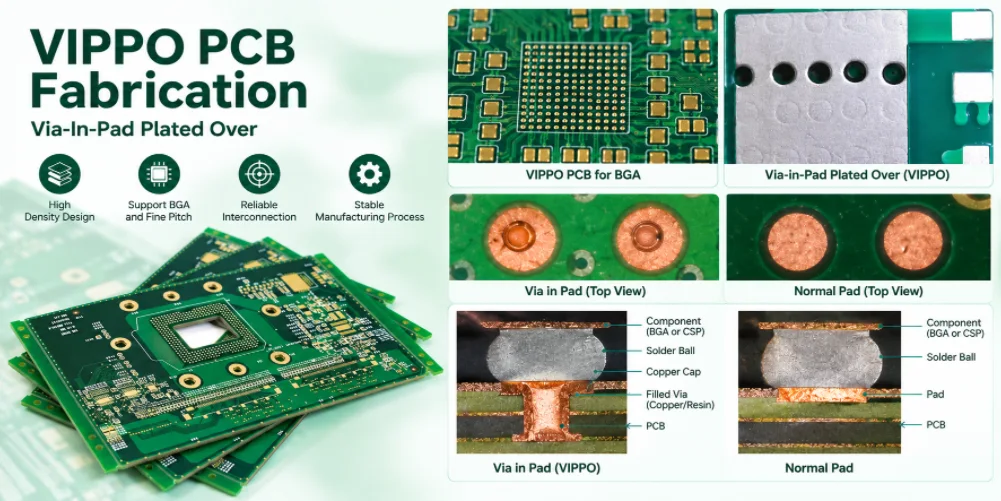
VIPPO PCB Fabrication for BGA and Thermal Pad Designs
Highleap Electronics provides VIPPO PCB fabrication for...
PCB Materials Database: Laminate Grades & Properties
How to get a quote for PCBs Let‘s run DFM/DFA analysis for...
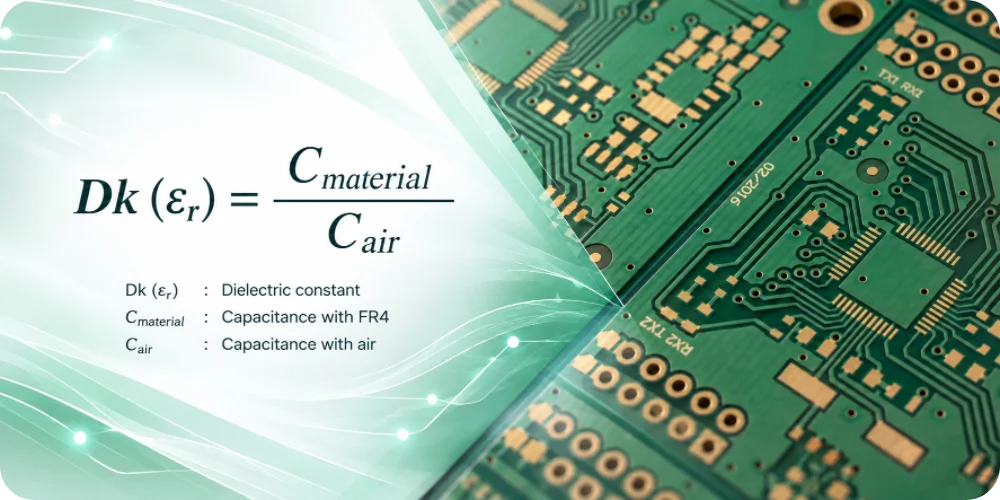
FR4 Dielectric Constant Calculator and PCB Design Guide
How to get a quote for PCBs Let's run DFM/DFA analysis for...
GPS Sports Watch PCB Design: GNSS, RF, Sensors and PCBA Manufacturing
Turning a compact GPS sports watch controller from an...
How to get a quote for PCBs
Let us run DFM/DFA analysis for you and get back to you with a report.
You can upload your files securely through our website.
We require the following information in order to give you a quote:
-
- Gerber, ODB++, or .pcb, spec.
- BOM list if you require assembly
- Quantity
- Turn time
In addition to PCB manufacturing, we offer a comprehensive range of electronic services, including PCB design, PCBA (Printed Circuit Board Assembly), and turnkey solutions. Whether you need help with prototyping, design verification, component sourcing, or mass production, we provide end-to-end support to ensure your project’s success. For PCBA services, please provide your BOM (Bill of Materials) and any specific assembly instructions. We also offer DFM/DFA analysis to optimize your designs for manufacturability and assembly, ensuring a smooth production process.