
How to Select the Right Drone PCB Manufacturer: A Technical Evaluation Guide

Choosing the Right Drone PCB Manufacturer
Selecting the right drone PCB manufacturer is one of the most critical decisions for any UAV project—it directly impacts reliability, weight, electromagnetic performance, and delivery lead time. Drone electronics operate under extreme conditions that ground-based systems never face: constant vibration, thermal cycling, RF interference, and strict weight constraints. A specialized manufacturer with UAV experience understands these challenges and guides your design from prototype through production, while poor manufacturing choices lead to in-flight failures and costly redesigns.
Drone PCB Manufacturer Evaluation Checklist
Before engaging any supplier, verify these essential capabilities:
- Certifications – IPC-A-600, IPC-A-610, ISO 9001, and RoHS compliance ensure consistent quality and traceability.
- Prototype speed – Quick-turn sampling with 5-10 day lead times enables rapid design iteration.
- Assembly expertise – Fine-pitch SMT, BGA placement, microvia processing, and HDI fabrication capabilities.
- Testing infrastructure – AOI, X-ray inspection, flying probe, and thermal cycling validation equipment.
- Material competency – Rigid-flex fabrication, thick copper layers (3-4 oz), and conformal coating application.
- Supply chain transparency – Clear communication on lead times, component sourcing, and detailed cost structure.
These criteria help ensure the selected drone PCB manufacturer can deliver reliable, high-performance boards that meet the demanding requirements of modern UAV applications.
Why Drone PCBs Require Specialized Manufacturing
Mechanical and Environmental Demands
Drone flight controllers and ESCs endure sustained vibration at frequencies that can fatigue solder joints and crack traces. A qualified drone PCB manufacturer selects materials with appropriate glass transition temperatures and designs test protocols that simulate actual flight conditions. Weight reduction drives layer count optimization and material choices because every gram directly impacts flight time.
RF and Power Integration Complexity
GPS, telemetry, and FPV systems require precise impedance control and antenna routing that minimizes interference. Motor controllers can draw 100+ amps during aggressive maneuvers, requiring thick copper layers and careful thermal dissipation. Your manufacturer must understand how to maintain 50-ohm traces, implement ground plane strategies, and position RF components away from motor drivers to prevent signal dropout during critical flight phases.

Drone Technology
Key Certifications for Drone PCB Manufacturers
IPC Standards Compliance
IPC-A-610 defines acceptance criteria for electronic assemblies, with Class 2 appropriate for most commercial drones and Class 3 required for defense or critical applications. Verify that your drone PCB manufacturer produces to the class your application requires and provides documented inspection reports. IPC-A-600 covers bare board acceptance, and manufacturers should reference specific inspection criteria in quality documentation.
Industry-Specific Requirements
ISO 9001 certification demonstrates process control and continuous improvement systems. Defense drones may require AS9100, while medical delivery UAVs might need ISO 13485 compliance. RoHS compliance is mandatory for commercial products sold in regulated markets and should include material declarations for every component and substrate.
Essential Technical Capabilities in a Drone PCB Manufacturer
HDI and Microvia Processing
Flight controllers pack dense functionality into minimal board space, requiring microvias (0.006″ or smaller) and sequential lamination. Your manufacturer should demonstrate laser drilling capability and sequential buildup experience. Request capability matrices showing minimum via sizes, aspect ratios, and achievable layer counts with documented yield rates.
Advanced Assembly Technologies
Camera modules, processors, and RF transceivers increasingly use 0.4mm pitch BGAs and 01005 passive components. Manufacturers should demonstrate AOI and X-ray inspection capability with documented process yields above 99.5% for these component types. Request sample boards showing fine-pitch assembly quality under magnification to verify workmanship standards.
High-Current Board Design
ESC boards and power distribution modules require 3-4 oz copper layers to handle motor currents without excessive voltage drop or heating. Not all facilities can process thick copper reliably, so ask for cross-sections showing copper plating uniformity and trace width tolerances. Thermal cycling tests reveal whether plating adhesion meets UAV durability requirements under temperature extremes.
Rigid-Flex Manufacturing
Compact drone designs increasingly use rigid-flex PCBs to eliminate connectors and reduce weight. A drone PCB manufacturer with rigid-flex experience understands bend radius requirements, coverlay application, and stiffener placement. Flex circuits for antenna systems or gimbal connections require specialized materials and process controls that standard rigid board manufacturers may not possess.
Prototyping and NPI Support from Your Drone PCB Manufacturer
Rapid Sample Fabrication
Drone development cycles demand rapid iteration, so your manufacturer should offer 5-7 day prototype turnaround for standard stackups and 10-12 days for complex rigid-flex designs. Quick sample runs let you validate RF performance, test thermal behavior, and refine component placement before committing to production tooling.
DFM Analysis and Design Review
A capable drone PCB manufacturer provides detailed DFM analysis identifying potential manufacturing issues before fabrication begins. Look for feedback on trace spacing near board edges, via placement under BGAs, copper balancing for warpage control, and thermal relief design for power planes. This proactive review saves weeks of troubleshooting and eliminates costly redesign cycles.
Small-Batch Assembly Services
Flight testing requires 10-20 boards to validate performance across units and environmental conditions. Your manufacturer should offer small-batch assembly without excessive NRE charges, providing the same process controls and inspection standards used in production runs. Request test reports showing AOI, X-ray, and functional test results for sample batches to establish baseline quality expectations.
Quality Control Standards for Drone PCB Manufacturers
Multi-Layer Inspection Process
AOI catches component placement errors, polarity mistakes, and solder defects on surface layers. X-ray inspection reveals hidden BGA voids and internal via quality that visual inspection cannot detect. Flying probe testing verifies electrical connectivity without expensive test fixtures for prototype and small-batch runs. Your drone PCB manufacturer should employ all three methods and provide inspection images with every batch.
IPC Class Requirements
Class 2 assemblies permit minor cosmetic imperfections that don’t affect functionality and suit most consumer and commercial drones. Class 3 requires stricter workmanship for safety-critical applications, with tighter solder joint acceptance criteria and reduced defect tolerances. Clarify which class your application requires upfront and verify the manufacturer’s capability to meet those standards consistently across production volumes.
Environmental Testing Protocols
Thermal cycling between -40°C and +85°C reveals solder joint reliability and material compatibility issues. Vibration testing at flight-relevant frequencies identifies mechanical design weaknesses before field deployment. While not all PCB manufacturers offer these services in-house, they should coordinate with qualified test labs and provide documented results with clear acceptance criteria.

Complete Quality Certification System
Lead Time and Supply Chain Management
Production Scheduling Realism
Standard PCB lead times run 15-20 days for fabrication plus 10-15 days for assembly, while complex rigid-flex or HDI boards may require 25-30 days. Your drone PCB manufacturer should provide detailed scheduling that accounts for material procurement, fabrication steps, assembly, testing, and shipping. Beware of unrealistic promises that may indicate process shortcuts or capacity issues.
Scalability Planning
Prototype specialists may lack capacity for volume production. Verify the manufacturer can scale from 100-piece NPI runs to 10,000+ piece production without quality degradation or excessive lead time increases. Ask about monthly capacity, equipment redundancy, and plans for accommodating your growth trajectory before committing to a long-term partnership.
Component Sourcing Strategy
Turnkey manufacturing simplifies logistics but requires trusting the manufacturer’s component sourcing practices. Consigned programs give you control over parts but shift inventory management responsibility. Discuss long-lead items early because RF components, specific microcontrollers, and power modules often require 16-20 week procurement. A proactive drone PCB manufacturer monitors component lifecycle and alerts you to obsolescence risks before they impact production.
Communication and IP Protection
Design Security Measures
NDA execution should precede any design file transfer to protect your intellectual property. Verify how the manufacturer protects your Gerber files, BOM, and assembly documentation through segregated servers, access controls, and employee confidentiality agreements. Clarify who owns fabrication tooling and whether design files will be purged after project completion.
Project Management Standards
Establish single points of contact for engineering and production issues to streamline communication. Weekly status calls during NPI prevent surprises and allow proactive problem-solving. Request access to online portals showing real-time order status, inspection results, and shipping tracking to maintain visibility throughout the production cycle.
Process Transparency
For critical programs, visit the facility or conduct video audits of key process steps. Observe SMT line setup, inspection procedures, and environmental controls firsthand. A transparent drone PCB manufacturer welcomes these reviews and provides detailed process documentation, while resistance to audits or reluctance to show equipment raises quality concerns.
Cost Analysis Beyond Unit Price
Hidden Cost Factors
The lowest quoted price rarely represents total program cost. Factor in these elements when comparing manufacturers:
- Rework rates – A 2% rework rate on 1,000 boards means 20 units requiring reprocessing and retesting.
- Material scrap – Assembly scrap rates add material waste and increase component consumption beyond BOM quantities.
- Tooling amortization – Fixture costs, stencil fees, and programming charges spread across order volumes.
- Expedite fees – Rush charges for schedule recovery can quickly erase initial savings from low-cost suppliers.
Quality Failure Economics
A single in-flight failure can destroy a $2,000 drone platform and damage customer relationships permanently. Calculate failure cost versus incremental manufacturing cost for higher-quality processes. Spending 10% more with a reliable drone PCB manufacturer often reduces total program cost through lower field failure rates, reduced warranty claims, and improved brand reputation.
Evaluating Potential Drone PCB Manufacturers: Step-by-Step
Initial Assessment Phase
Issue requests for information covering certifications, equipment lists, material capabilities, and references from UAV customers. Review responses against your technical requirements to create a shortlist of qualified candidates. Verify certification validity through registrar databases rather than relying solely on supplier claims.
Sample Order Validation
Place small sample orders (5-10 boards) specifying your exact stackup and testing requirements. Inspect received boards for workmanship, measure critical dimensions, and perform electrical testing. Compare results against IPC standards and your specifications to establish baseline quality levels before proceeding.
Functional Testing Phase
Assemble sample boards with actual components and test in representative environmental conditions. Verify RF performance, thermal behavior, and mechanical durability meet design targets. Document any anomalies for discussion with the manufacturer and assess their responsiveness to technical feedback.
Process Verification
Conduct site visits or video audits to observe manufacturing workflows, equipment maintenance practices, and quality control procedures. Interview engineering staff about their UAV PCB experience and problem-solving approaches. Evaluate their technical depth and willingness to collaborate on design optimization.
Pilot Production Run
Order 50-100 pieces using production tooling and processes to validate manufacturing at scale. Analyze defect rates, dimensional consistency, and process capability indices across the batch. Review documentation quality and communication responsiveness during the pilot to ensure they meet your operational requirements.
Partnership Establishment
Evaluate pilot run results against acceptance criteria and address any issues before committing to volume production. Establish clear quality agreements, delivery schedules, and escalation procedures for the production phase. Define metrics for ongoing performance evaluation and continuous improvement initiatives.
Partner with Experienced Drone PCB Manufacturers
Selecting the right drone PCB manufacturer requires evaluating technical capabilities, quality systems, and communication practices beyond unit pricing. Highleap Electronics provides one-stop manufacturing and assembly for UAV PCBs from rapid prototyping through scaled production. We offer DFM reviews, sample photos, documented test reports, and transparent process documentation to support your development timeline. Contact us for a capability review and prototype quotation tailored to your drone project requirements.

Recommended Posts
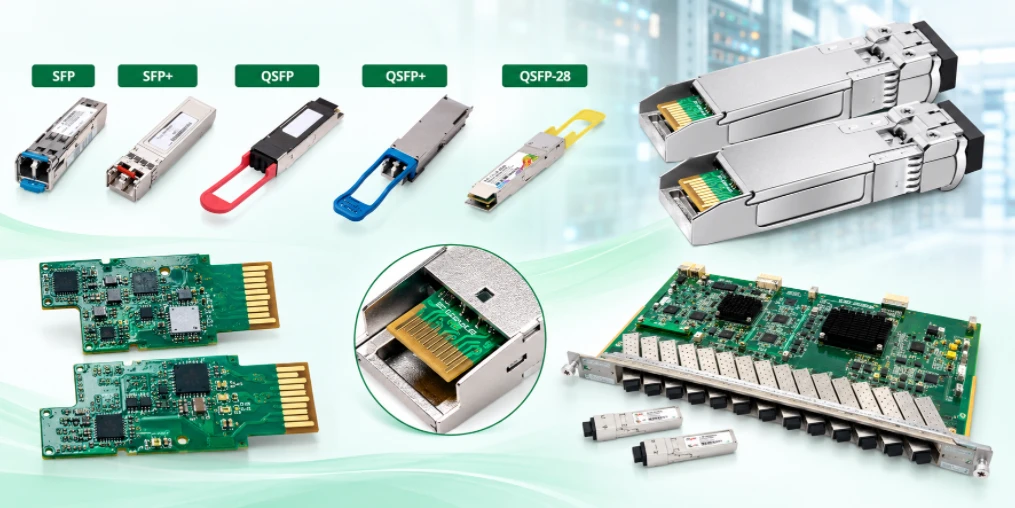
Optical Transceiver PCB Assembly Services in China
Highleap Electronics provides optical transceiver PCB...
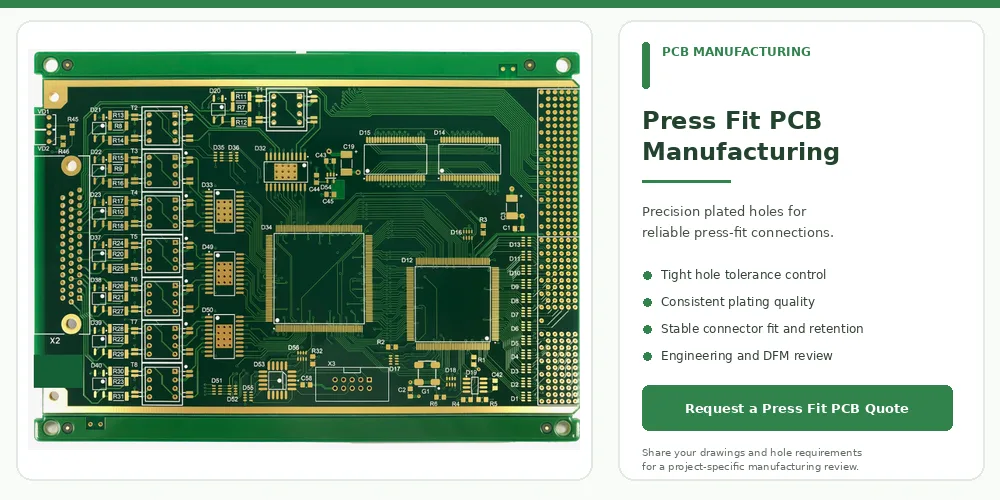
Precision Press Fit PCB Manufacturing with Tight Tolerances
Press-fit PCB manufacturing requires close coordination...
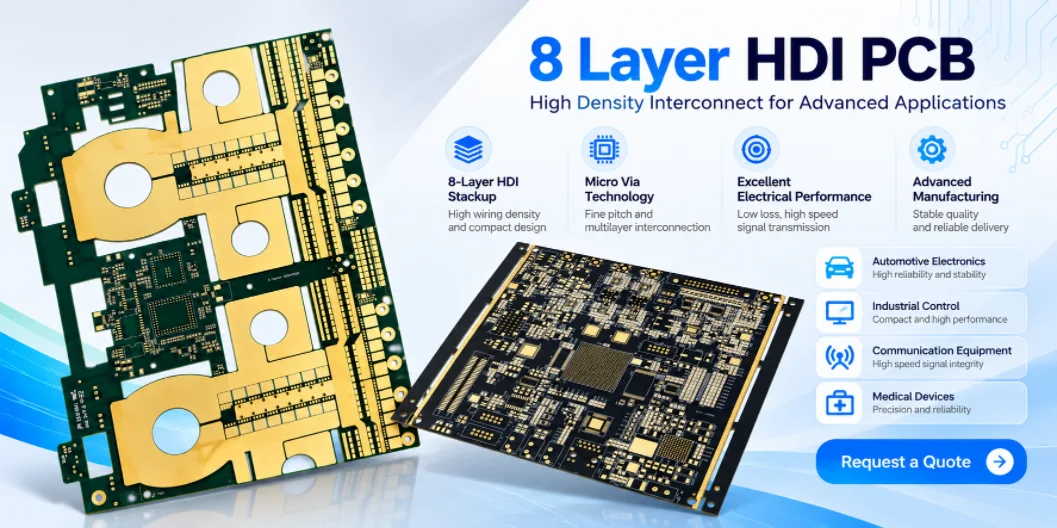
8 Layer HDI PCB Manufacturer in China
Highleap Electronics provides 8 layer HDI PCB...
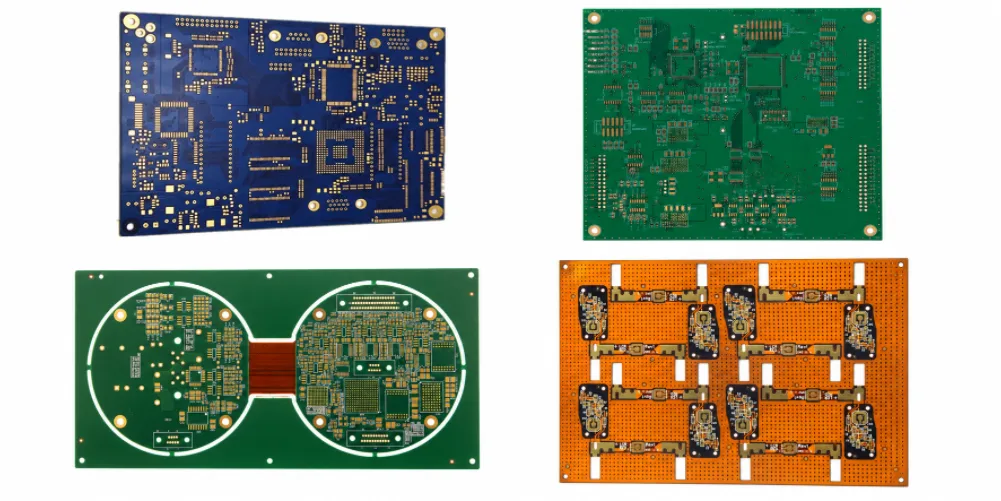
8 Layer Rigid-Flex PCB Manufacturing and Cost Guide
An 8 layer rigid-flex PCB combines multilayer rigid...
How to get a quote for PCBs
Let‘s run DFM/DFA analysis for you and get back to you with a report. You can upload your files securely through our website. We require the following information in order to give you a quote:
-
- Gerber, ODB++, or .pcb, spec.
- BOM list if you require assembly
- Quantity
- Turn time
In addition to PCB manufacturing, we offer a comprehensive range of electronic services, including PCB design, PCBA, and turnkey solutions. Whether you need help with prototyping, design verification, component sourcing, or mass production, we provide end-to-end support to ensure your project’s success.
For PCBA services, please provide your BOM (Bill of Materials) and any specific assembly instructions. We also offer DFM/DFA analysis to optimize your designs for manufacturability and assembly, ensuring a smooth production process.