
CLTE XT PCB Manufacturing
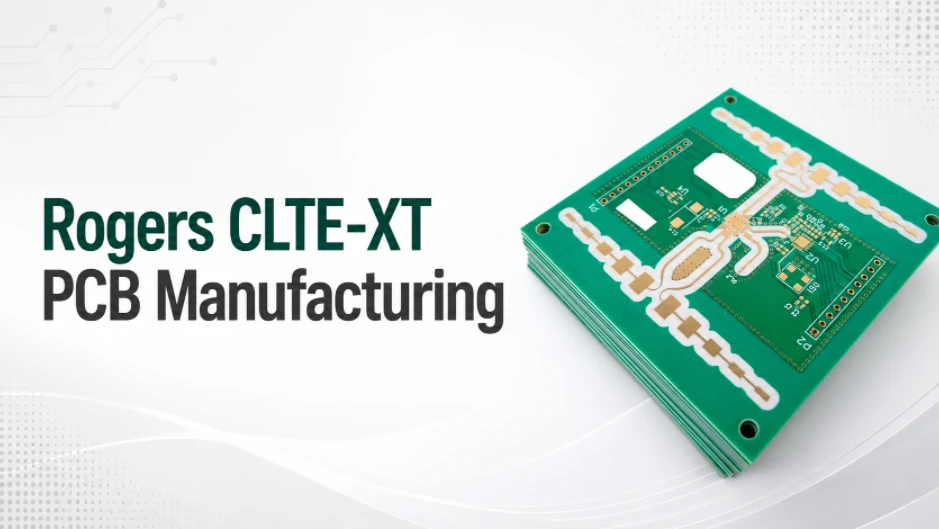
CLTE-XT is treated here as a stackup and dimensional-control problem. When it is combined with other PCB materials, the released construction must account for dielectric thickness, thermal expansion behavior, layer registration and plated-hole reliability across the complete board.
Figure 1. Rogers CLTE-XT PCB manufacturing
CLTE XT PCB manufacturing is most useful when the design needs a low-CTE hybrid construction and the layers cannot be treated as independent boards. The stackup has to account for material pairing, registration and thermal expansion before the fabrication route is fixed. Rogers CLTE-XT PCB manufacturing is used when an RF board needs low thermal expansion, tight dimensional behavior, and reliable hybrid stackup construction. Unlike a single-value laminate callout, CLTE-XT must be specified by exact thickness and copper construction because the effective Dk depends on the chosen construction. Highleap Electronics reviews the material thickness, copper, hybrid transition, drilling, plating, finish, and assembly exposure before production.
Table of Contents
Material scope: Highleap Electronics manufactures and assembles the finished PCB. The Rogers grade named on this page identifies the specified laminate; Highleap does not manufacture or sell Rogers laminates.
When CLTE-XT Is the Right PCB Material
CLTE-XT is used when an RF board needs low thermal expansion, dimensional stability, and reliable behavior in hybrid stackups. It is often considered for antennas, aerospace electronics, RF modules, and metal-backed or mixed-material boards where expansion mismatch can affect registration, plated holes, and long-term reliability. If TMM is also considered for the application, temperature-stability assessment for TMM boards provides a separate evaluation of Dk drift and plated-hole behavior.
The material should be selected with the full stackup in mind. CLTE-XT may be combined with FR-4, other RF laminates, prepregs, metal carriers, or digital control layers, so lamination symmetry, copper balance, via structure, and assembly thermal exposure need to be reviewed together.
CLTE-XT Should Be Quoted as a Hybrid Reliability Stackup
The common mistake with CLTE-XT is treating it as a simple material name. In real builds, the important question is how the CLTE-XT layer interacts with FR-4, other RF laminates, prepreg, metal carriers, or digital control sections. Low CTE helps dimensional stability, but lamination transitions can still introduce registration, resin-flow, and via-stress issues if the stackup is not reviewed early.
The topic that deserves the most attention is hybrid reliability. Highleap checks CTE mismatch, layer symmetry, copper balance, drill registration, plated-hole structure, reflow exposure, and any thermal cycling requirement. A hybrid stackup can fail because the materials are individually acceptable but poorly combined, especially when RF layers, digital control layers, and mechanical fixtures all pull the design in different directions.
If the board will be assembled, the solder profile and component thermal mass should be reviewed with the bare-board stackup instead of after fabrication. Heavy RF shields, connectors, metal carriers, or heat spreaders can change the thermal exposure of plated holes and laminate interfaces. The RFQ should therefore describe the assembly environment, not only the bare board.
- Define the full hybrid stackup, including FR-4 or other RF materials used with CLTE-XT.
- Review CTE mismatch, copper balance, and plated-hole reliability before tooling.
- Include assembly thermal exposure when the final product has shields, carriers, or heavy connectors.
Low-CTE and Hybrid-Stackup Properties That Affect Production
| Item | Manufacturing meaning |
|---|---|
| Dk by construction | The exact CLTE-XT thickness and copper construction should be specified in the stackup. |
| Low-CTE behavior | Helps protect registration, plated holes, and RF geometry under thermal cycling. |
| Hybrid construction | Often used with FR-4, high-speed digital materials, or metal-backed RF assemblies. |
| Lead-free assembly | Finish, soldering profile, and component thermal mass should be checked before release. |
DFM and Stackup Review Before Quoting
A reliable quote starts with the complete Gerber set, drill files, netlist, board outline, stackup drawing, material callout, copper weight, surface finish, solder mask notes, impedance targets, and any assembly requirements. Highleap checks whether the design can be fabricated repeatably before tooling starts.
| DFM item | What to check |
|---|---|
| Material callout | Specify CLTE-XT thickness, copper type, copper weight, and any Dk assumption used in simulation. |
| Lamination transition | Review resin flow, registration, CTE mismatch, and via reliability in hybrid builds. |
| Reliability records | Define microsection, thermal stress, solderability, and lot traceability requirements. |
Manufacturing Process Controls
The process route should be selected before material is released to production. Typical controls include material verification, inner layer inspection, lamination review, drill quality, hole-wall preparation, copper plating, solder mask registration, surface finish, routing accuracy, electrical test, and final inspection. During lamination review, Highleap checks how the hybrid materials are paired, how thickness is built through the stack and where registration risk is concentrated. The important production variable is the finished multilayer geometry, not just the individual laminate data. Exact material property values should be checked against the current supplier documentation for the specified grade and construction.
Repeat production should use the approved material pairing, press construction, panel format and registration controls as a baseline. A material substitution or stackup re-balance can change resin flow, finished thickness and layer registration even when the individual materials appear equivalent on paper.
RFQ Package and Production Records
CLTE-XT fits phased-array antennas, RF modules, aerospace electronics, hybrid RF-digital boards, communication hardware, and assemblies where thermal cycling could shift impedance or stress plated holes. For an aerospace program specified with TMM, environmental documentation for aerospace RF boards should define the qualification profile and traceability scope separately from the material comparison.
Send Gerber files, drill data, stackup drawing, CLTE-XT thickness, copper cladding, impedance targets, hybrid material details, assembly profile, inspection requirements, quantities, and delivery needs.
For CLTE-XT hybrid builds, useful evidence includes stackup and material records, first-article dimensional inspection, lamination/registration checks and any thermal or reliability test results required by the program. The documentation should show the actual hybrid construction that was qualified. For an RFQ, provide the complete hybrid stackup, finished thickness, copper, layer alignment requirements and thermal qualification conditions. With that information, the fabricator can price the actual lamination and registration work rather than a generic multilayer process.

Recommended Posts
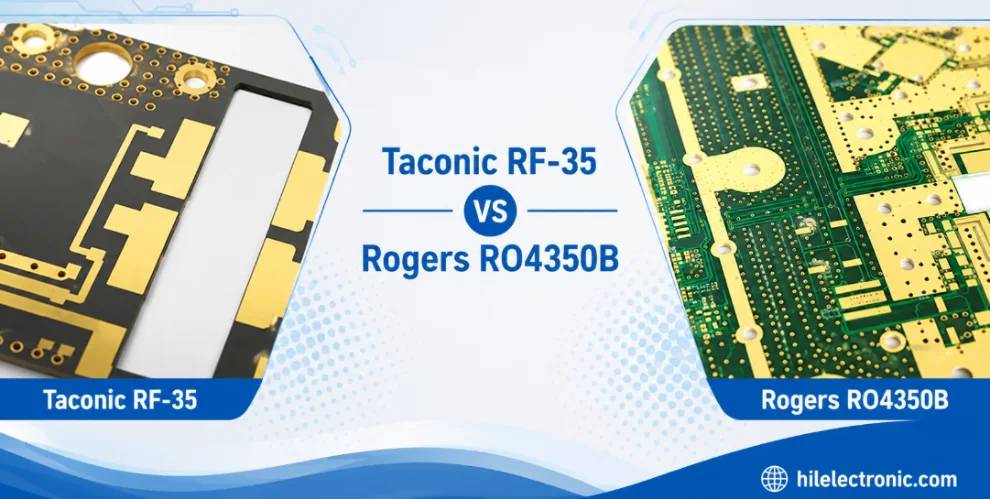
Taconic RF 35 vs RO4350B PCB
Table of contentsRF-35 vs RO4350B Procurement and...
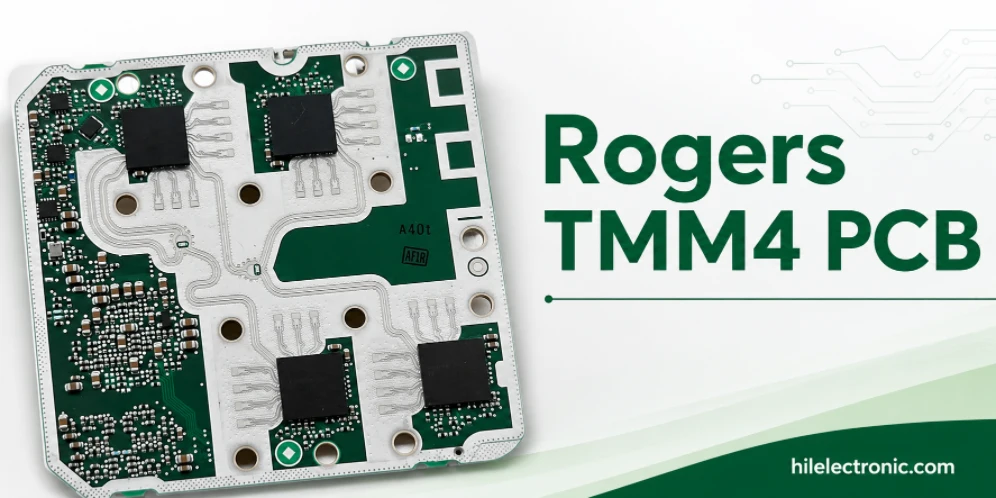
TMM4 Filter PCB Manufacturing
TMM4 filter PCB manufacturing is controlled by the...
TMM3 PCB Manufacturing for RF Modules
TMM3 PCB manufacturing is most useful where the RF module...
TMM6 PCB Fabrication
TMM6 fabrication is the process-control page for a mid-Dk...
How to get a quote for PCBs
Let’s run DFM/DFA analysis for you and get back to you with a report. You can upload your files securely through our website. We require the following information in order to give you a quote:
-
- Gerber, ODB++, or .pcb, spec.
- BOM list if you require assembly
- Quantity
- Turn time
For PCBA services, please provide your BOM (Bill of Materials) and any specific assembly instructions. We also offer DFM/DFA analysis to optimize your designs for manufacturability and assembly, ensuring a smooth production process.