
High Density Interconnect PCB Guide | Highleap Electronics

Introduction
As technology continues to advance, the need for smaller, faster, and more efficient electronic devices becomes increasingly important. High Density Interconnect (HDI) PCBs are at the forefront of this evolution, providing a way to pack more functionality into smaller spaces while improving performance and reliability.
Highleap Electronic, a leader in PCB manufacturing, specializes in creating high-quality HDI PCBs. This comprehensive guide will delve into the intricacies of High Density Interconnect technology, its benefits, applications, design considerations, and manufacturing processes.
Understanding High Density Interconnect (HDI) PCBs
What is High Density Interconnect?
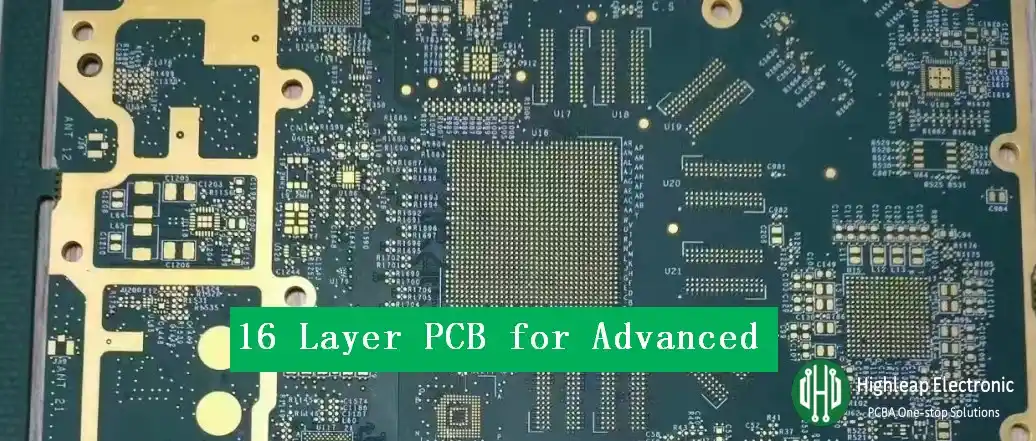
High Density Interconnect (HDI) refers to a type of PCB that has a higher density of wiring and components than traditional PCBs. This is achieved through the use of finer lines and spaces, smaller vias (including microvias, blind vias, and buried vias), and higher connection pad density. HDI technology allows for more components to be placed on both sides of the raw PCB and uses advanced techniques to interconnect these components effectively.
Key Features of HDI PCBs
- Microvias: These are extremely small vias that provide a higher component density and better electrical performance.
- Blind and Buried Vias: These vias connect different layers without going through the entire board, optimizing space usage.
- High Density Traces: Finer traces and spaces enable more complex and compact designs.
- Multiple Layer Constructions: HDI PCBs often incorporate multiple layers, allowing for sophisticated and high-performance designs.

Key Benefits of High Density Interconnect PCBs
Space Efficiency
HDI PCBs enable the miniaturization of electronic devices by providing a higher density of wiring and components. This allows more functionality to be integrated into a smaller area, reducing the overall size and weight of the device.
Enhanced Performance
The shorter distances between components and traces in HDI PCBs improve signal integrity and reduce power consumption. This results in faster, more efficient electronic devices.
Cost-Effectiveness
Despite potentially higher initial manufacturing costs, HDI PCBs can be more cost-effective in the long run. The consolidation of multiple boards into a single HDI PCB reduces overall production and assembly costs.
Reliability
Microvias in HDI PCBs offer better reliability than traditional through-hole vias due to their smaller aspect ratios, resulting in more dependable connections and overall improved performance.
Faster Time-to-Market
HDI PCBs facilitate quicker design iterations and testing processes, enabling faster time-to-market for new products. The precision and efficiency of HDI PCB manufacturing allow for rapid prototyping and production.
Design Considerations for High Density Interconnect PCBs
Electrical Design
Designing High Density Interconnect PCBs requires precise electrical and mechanical strategies to ensure signal integrity and manufacturability.
- Trace Width and Spacing: Proper trace width and spacing are crucial for handling the required current and preventing short circuits.
- Impedance Control: Consistent impedance is essential for maintaining high-speed signal integrity.
- Power and Ground Planes: Dedicated planes reduce noise and improve signal integrity.
Thermal Management
Effective thermal management prevents overheating and ensures the longevity of components. Techniques include using thermal vias, heat sinks, and strategic component placement.
Mechanical Design
- Board Shape and Size: Must accommodate the enclosure and mounting requirements.
- Component Placement: Strategic placement ensures efficient use of space and minimizes signal interference.
- Layer Stack-Up: The arrangement of layers affects performance and manufacturability.
Design for Manufacturability (DFM)
Designing for manufacturability involves considering the capabilities and limitations of the manufacturing process to ensure efficient production and high yield. DFM guidelines help avoid issues like insufficient clearances and incorrect hole sizes.

Advancements in HDI PCB Technology
HDI technology continues to evolve, driven by the demand for more compact, efficient, and high-performance electronic devices. Key advancements include:
High Density Interconnect (HDI) Technology
HDI PCBs offer higher component density, reduced size, and improved performance. They use microvias, blind vias, and buried vias to achieve high density interconnections.
Flexible and Rigid-Flex PCBs
Flexible and rigid-flex PCBs enable new design possibilities, allowing for complex shapes and reducing the need for connectors and cables. They are essential in wearable technology and compact devices.
Advanced Materials
The development of advanced materials, such as high-frequency laminates and thermally conductive substrates, enhances the performance and reliability of PCBs in demanding applications.
Embedded Components
Embedding passive and active components within the PCB reduces the board’s size and improves performance by minimizing signal paths and reducing parasitic effects.
Additive Manufacturing
Additive manufacturing techniques, such as 3D printing, are being explored for PCB production. These methods offer the potential for rapid prototyping and on-demand manufacturing.

Materials for High Density Interconnect PCBs
Advanced technology allows designers to create multilayer High Density Interconnect PCBs by sequentially adding more layers. Using laser drills, engineers can create holes in internal layers, enabling plating, imaging, and etching before pressing. This process, known as sequential build-up (SBU), uses solid-filled vias, which improve heat dissipation, create stronger interconnects, and enhance board reliability.
Key Material Characteristics
The performance of materials used in HDI boards is crucial for their overall functionality. Factors such as temperature resistance, adhesion, tensile strength, flexibility, dielectric strength, and dielectric constant must be considered.
These characteristics directly impact the PCB’s performance and integration level. Engineers typically use materials from two main categories:
Thermoset Materials
Thermoset materials have high melting points and, once solidified by heat, maintain their physical properties. They cannot revert to their original form or be remelted. Common thermoset resins include:
- Aramid
- Epoxy
- Polyimide
Thermoplastic Materials
Thermoplastics, in contrast, have lower melting points and can be reshaped upon heating. They can be molded into various forms and retain their composition even at high temperatures. Typical thermoplastics used in HDI boards include:
- PTFE (Polytetrafluoroethylene)
- Filled with organic or inorganic materials
PCB Laminate Properties
Selecting the right laminate is vital for HDI PCB performance. Important properties include:
- Tg (Glass Transition Temperature): The temperature at which the material transitions from rigid to flexible.
- Td (Decomposition Temperature): The temperature at which the material begins to decompose.
- CTE (Coefficient of Thermal Expansion): The rate at which a laminate expands with temperature changes.
- Dk (Dielectric Constant): The ability of the material to store electrical energy.
- Df (Loss Tangent): The material’s ability to absorb energy, indicating how much energy is lost as heat.
Types of Dielectric Materials
Engineers use various dielectric materials for HDI substrates, many of which are defined by IPC standards like IPC-4101B and IPC-4104A. These include:
- Photosensitive Liquid Dielectrics
- Photosensitive Dry Film Dielectrics
- Polyimide Flexible Films
- Thermally Cured Dry Films
- Thermally Cured Liquid Dielectric
- Resin-Coated Copper (RCC) Foil, Dual-Layer and Reinforced
- Conventional FR-4 Cores and Prepregs
- New Spread-Glass Laser-Drillable (LD) Prepregs
- Thermoplastics
Advanced Material Techniques
Innovations in material technology have improved the quality and performance of HDI boards.
- Resin-Coated Copper (RCC): This material helps address poor hole quality and long drill times and enables thinner PCBs. RCC features low-profile copper foil attached with tiny nodules, chemically processed for precise line and spacing technology.
- Heated Roll Technology: This technique applies dry resist to the laminate core material. Preheating the material before lamination ensures even application, maintaining stable exit temperatures and reducing air entrapment, which is essential for reproducing fine lines and spacing.
These advanced material techniques are essential for producing high-quality HDI PCBs with enhanced performance and reliability.

Highleap Electronic: Expertise in HDI PCB Manufacturing
Highleap Electronic is a leading manufacturer of HDI PCBs, offering a wide range of design capabilities and advanced manufacturing processes. With a focus on quality, precision, and innovation, Highleap Electronic delivers HDI PCBs that meet the highest industry standards.
Advanced Manufacturing Capabilities
Highleap Electronic utilizes state-of-the-art equipment and processes to manufacture HDI PCBs. This includes laser drilling for microvias, high-precision photolithography for fine traces, and advanced plating techniques for reliable interconnections.
Comprehensive Quality Control
Quality control is paramount at Highleap Electronic. Each HDI PCB undergoes rigorous testing and inspection, including automated optical inspection (AOI), electrical testing, and environmental testing, to ensure reliability and performance.
Custom Design Support
Highleap Electronic offers custom design support, working closely with clients to optimize PCB designs for specific applications. This includes assistance with stackup design, material selection, and manufacturing feasibility.
Environmental Responsibility
Highleap Electronic is committed to environmental sustainability. The company employs eco-friendly manufacturing practices, including waste reduction, recycling, and the use of environmentally friendly materials.
Applications of High Density Interconnect PCBs
Consumer Electronics
High Density Interconnect PCBs are prevalent in consumer electronics, such as smartphones, tablets, laptops, and wearable devices. Their ability to support complex circuitry in a compact form factor makes them ideal for these applications.
Automotive and Aerospace
In the automotive and aerospace industries, HDI PCBs are used in systems where weight reduction and reliability are crucial. Applications include advanced driver-assistance systems (ADAS), infotainment systems, avionics, and more.
Medical Devices
HDI PCBs are integral to modern medical devices, including imaging equipment, diagnostic tools, and wearable health monitors. Their small size and high reliability are essential for the accuracy and performance of these devices.
Industrial Automation
The rise of the Internet of Things (IoT) and smart manufacturing has increased the use of HDI PCBs in industrial automation. These PCBs are used in sensors, control systems, and communication devices that monitor and optimize industrial processes.
Telecommunications
HDI PCBs are vital in telecommunications infrastructure, supporting high-speed data transmission and advanced networking equipment. They are used in 5G base stations, routers, and other communication devices.
Conclusion
High Density Interconnect (HDI) PCBs are driving the next generation of compact, high-performance electronic products. By enabling greater circuit density, improved signal integrity, and advanced multilayer structures, HDI technology is essential for modern electronic design.
At Highleap Electronic, we combine technical expertise with precision manufacturing to deliver reliable, application-ready HDI PCBs tailored to your exact specifications. Whether you’re developing cutting-edge consumer devices, automotive systems, or medical electronics, our team is ready to support your innovation from prototype to production.
Ready to build your next-generation product? Request a custom quote for High Density Interconnect PCBs, or contact our engineering team to discuss your project.

Related Articles

ENIG PCB Surface Finish for Fine-Pitch Assembly
[pac_divi_table_of_contents...
Lead vs Lead-Free Soldering and Solder Melting Points in PCB
solder melting pointThe global electronics industry is...

Exploring PCB Surface Treatment: The Significance of ENIG and DIG
PCB Surface Treatment:ENIG PCB With the ever-evolving...

PCB Surface Finish Guide for 7 Common Options
[pac_divi_table_of_contents title="On this article"...
How to get a quote for PCBs
Let us run DFM/DFA analysis for you and get back to you with a report.
You can upload your files securely through our website.
We require the following information in order to give you a quote:
-
- Gerber, ODB++, or .pcb, spec.
- BOM list if you require assembly
- Quantity
- Turn time
In addition to PCB manufacturing, we offer a comprehensive range of electronic services, including PCB design, PCBA (Printed Circuit Board Assembly), and turnkey solutions. Whether you need help with prototyping, design verification, component sourcing, or mass production, we provide end-to-end support to ensure your project’s success. For PCBA services, please provide your BOM (Bill of Materials) and any specific assembly instructions. We also offer DFM/DFA analysis to optimize your designs for manufacturability and assembly, ensuring a smooth production process.