
Direct Bonded Copper Substrate Guide and Uses

A direct bonded copper substrate is a ceramic circuit carrier formed by bonding copper directly to a ceramic base at high temperature. It is widely used in power modules and other high-heat electronic designs that require efficient thermal transfer and electrical insulation. This page explains the terminology, the relationship to DBC technology, and the key characteristics relevant to ceramic PCB and PCB manufacturing.
Table of Contents
Direct bonded copper substrates are commonly used in power electronics and other high-power designs where thermal management and electrical isolation are critical. At Highleap Electronics, we are a full-service PCB manufacturer providing ceramic PCBs, DBC substrates, metal core boards, multilayer PCBs, and complete PCB assembly services. This guide helps engineers and sourcing teams understand how direct bonded copper substrates work and how they fit within broader PCB and ceramic PCB fabrication options.
Request a Quote for Your PCB or Ceramic PCB Project
Learn more about our ceramic PCB fabrication capabilities or explore our complete PCB manufacturing and assembly services.
1) Definition of Direct Bonded Copper Substrate
A direct bonded copper substrate is a specialized electronic substrate comprising a ceramic insulating layer with copper foil metallurgically bonded to one or both surfaces. The “direct bond” terminology emphasizes that the copper attaches directly to the ceramic without intermediate adhesive layers, epoxies, or mechanical fastening.
The bonding occurs at elevated temperatures (typically 1065-1085°C) in a controlled atmosphere, where copper oxide at the interface facilitates a chemical reaction with the ceramic surface. This creates an intermetallic compound layer that permanently joins the copper to ceramics such as alumina (Al₂O₃), aluminum nitride (AlN), or silicon nitride (Si₃N₄).
The resulting structure combines the electrical conductivity of copper with the thermal conductivity and dielectric properties of ceramic. Unlike organic circuit boards, direct bonded copper substrates maintain stability at temperatures exceeding 300°C and can withstand thousands of thermal cycles without delamination.
2) Relationship Between Direct Bonded Copper and DBC
“Direct bonded copper substrate” and “DBC substrate” refer to the same technology. DBC is simply the industry-standard abbreviation derived from Direct Bonded Copper. Both terms appear interchangeably in technical literature, procurement specifications, and manufacturing documentation.
Engineering documents may use either term depending on context and regional conventions. North American and European engineers often use “DBC” in casual communication while specifying “direct bonded copper” in formal documentation. Asian manufacturers commonly use “DBC” almost exclusively. Procurement professionals should recognize both terms when sourcing these substrates.
Some related but distinct terms occasionally cause confusion:
- DCB (Direct Copper Bonding): An alternative abbreviation sometimes used in German-language technical literature, referring to identical technology.
- DPC (Direct Plated Copper): A different technology involving thin-film copper deposition rather than bulk copper bonding.
- AMB (Active Metal Brazing): A related ceramic metallization technology using braze alloys instead of direct oxidation bonding.

3) Key Characteristics and Advantages
Direct bonded copper substrates exhibit several performance characteristics that distinguish them from conventional circuit board materials:
3.1 Thermal Performance
The direct bond eliminates thermal interface resistance between copper and ceramic. Combined with ceramic thermal conductivities ranging from 24 W/m·K (alumina) to 230 W/m·K (high-purity AlN), direct bonded copper substrates efficiently transfer heat from power devices to cooling systems. Thermal resistance values as low as 0.1°C/W per square centimeter are achievable with aluminum nitride substrates.
3.2 Electrical Properties
Ceramic materials provide exceptional electrical isolation, with dielectric strengths typically exceeding 15 kV/mm. This enables direct bonded copper substrates to safely isolate high-voltage power circuits from grounded heatsinks. The combination of thick copper (0.127-0.635mm) and high dielectric strength makes these substrates ideal for power modules operating at 1200V, 1700V, or higher.
3.3 Mechanical Reliability
The metallurgical bond between copper and ceramic resists delamination under thermal stress. Properly manufactured direct bonded copper substrates survive 3,000+ thermal cycles between -40°C and +125°C without bond degradation. This reliability is essential for automotive, industrial, and aerospace applications with stringent lifetime requirements.
3.4 Current Handling Capacity
Copper thicknesses of 0.3mm and above enable direct bonded copper substrates to carry continuous currents exceeding 50A per circuit trace. Combined with excellent heat dissipation, this allows compact power module designs that would be impossible with organic circuit boards.
4) Typical Industrial Applications
Direct bonded copper substrates serve demanding applications across multiple industries where thermal management, reliability, and electrical performance are critical. Learn more about the specific ceramic material options in our DBC ceramic substrate guide.
4.1 Power Electronics
- IGBT modules for industrial motor drives and traction systems
- SiC and GaN power device packaging
- EV inverters and on-board chargers
- Solar inverters and wind turbine converters
- Industrial welding and induction heating equipment
4.2 RF and Microwave
- High-power RF amplifiers
- Radar transmitter modules
- 5G base station power amplifiers
4.3 Solid-State Lighting
- High-brightness LED packages
- COB (Chip-on-Board) LED modules
- Automotive headlight and projection systems
5) How This Technology Fits into PCB Manufacturing
Direct bonded copper substrate manufacturing requires specialized capabilities that differ from conventional PCB fabrication. While traditional PCBs use lamination, drilling, and plating of organic materials, direct bonded copper substrates demand:
- High-temperature bonding furnaces: Capable of precise temperature control at 1065-1085°C with controlled atmosphere.
- Ceramic handling expertise: Brittle ceramic substrates require specialized fixturing and handling throughout processing.
- Specialized etching chemistry: Thick copper layers require extended etch times and process optimization for consistent line definition.
- Laser processing capability: Many designs require laser scribing or cutting for ceramic singulation.
Working with an experienced DBC substrate manufacturer ensures access to these specialized capabilities and the process knowledge essential for consistent quality.
For a deeper understanding of the bonding mechanisms and process parameters, refer to our technical guide on the DBC process.
6) Learn More About DBC Substrates
Highleap Electronics provides comprehensive resources for engineers and procurement professionals working with direct bonded copper technology. Explore our related pages for in-depth technical information:
- DBC Substrate Overview – Central hub covering all aspects of DBC technology
- DBC Ceramic Substrate Guide – Detailed comparison of ceramic material options
- DBC Process Technical Guide – Manufacturing principles and quality factors
- Ceramic PCB Solutions – Broader overview of ceramic circuit board technologies
6.1 Request Technical Support
Our applications engineering team assists with material selection, design optimization, and specification development for direct bonded copper substrate projects. Whether you need guidance on ceramic material selection or help optimizing your design for manufacturability, we’re ready to support your project.

Recommended Posts
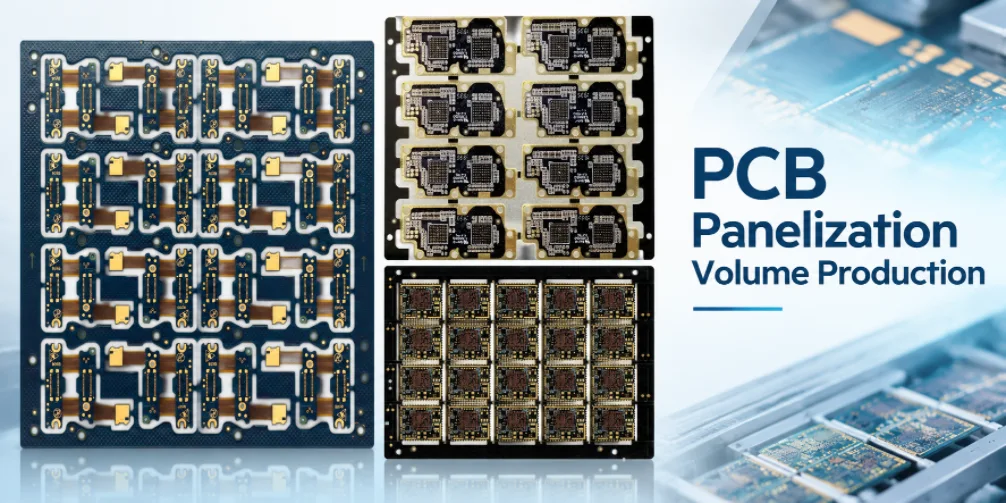
PCB Panelization for Volume Production: Cost and Yield
A fabrication panel that holds more boards is not...
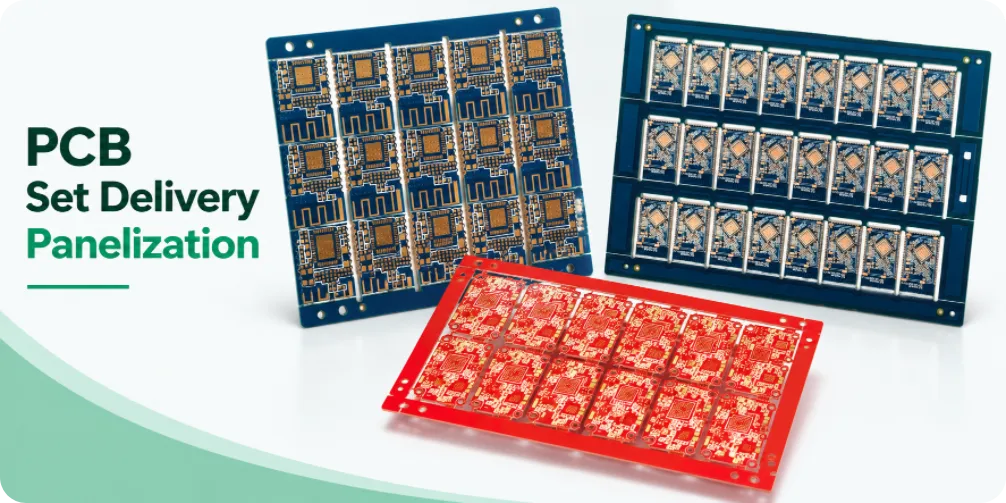
PCB SET Delivery and Panelization: Quantities and Acceptance
A purchase order for “500 SET” looks straightforward until...
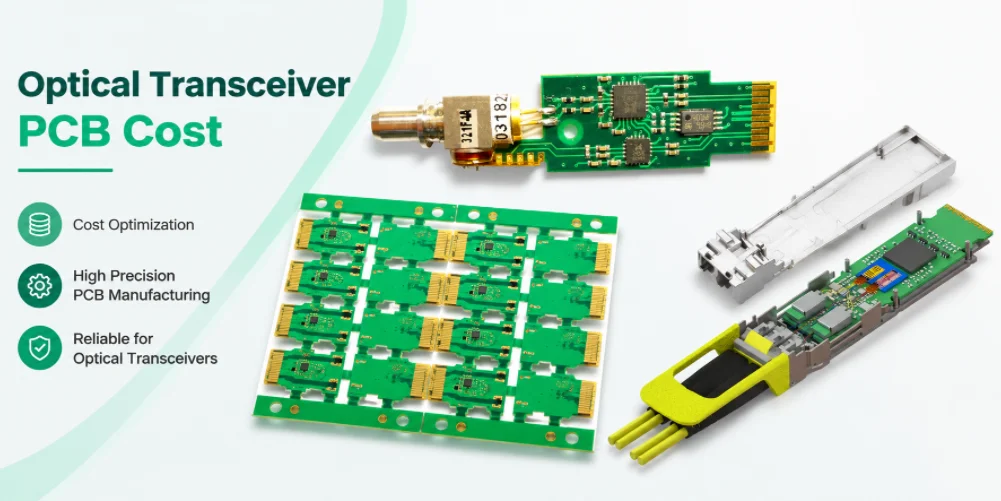
Optical Transceiver PCB Cost: Compare Equivalent Quotes
Two suppliers may quote a nominally identical six-layer...
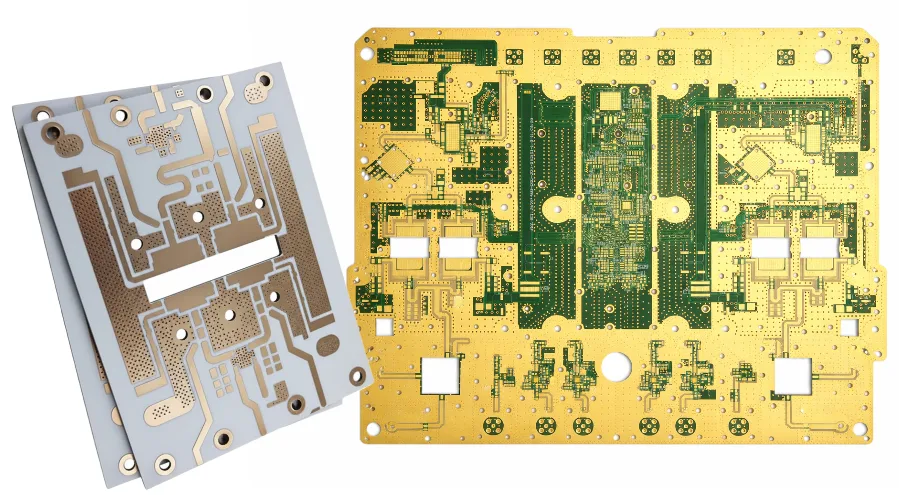
PCB Materials Database: Laminate Grades & Properties
How to get a quote for PCBs Let‘s run DFM/DFA analysis for...
How to get a quote for PCBs
Let us run DFM/DFA analysis for you and get back to you with a report.
You can upload your files securely through our website.
We require the following information in order to give you a quote:
-
- Gerber, ODB++, or .pcb, spec.
- BOM list if you require assembly
- Quantity
- Turn time
In addition to PCB manufacturing, we offer a comprehensive range of electronic services, including PCB design, PCBA (Printed Circuit Board Assembly), and turnkey solutions. Whether you need help with prototyping, design verification, component sourcing, or mass production, we provide end-to-end support to ensure your project’s success. For PCBA services, please provide your BOM (Bill of Materials) and any specific assembly instructions. We also offer DFM/DFA analysis to optimize your designs for manufacturability and assembly, ensuring a smooth production process.