
Edge Connector Bevelling: What It Is, Why It’s Needed, and the Right Bevel Angle
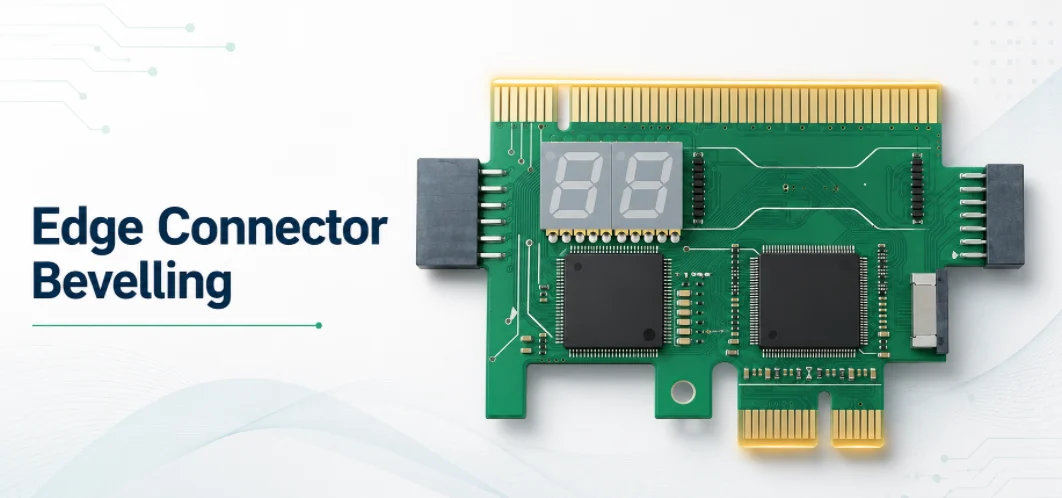
Figure 1. edge connector bevelling image for PCB manufacturing review.
Edge connector bevelling is the chamfer ground onto the contact edge of a PCB’s gold fingers so the board slides smoothly into a card-edge socket without snagging, scraping, or damaging the contacts. It is a small finishing process with a big effect on insertion reliability and contact life. This guide explains what bevelling is, why it is needed, the common bevel angles, how it relates to gold fingers, and how Highleap Electronics manufactures edge-connector boards correctly.
1. What is edge connector bevelling?
Edge connector bevelling (also called chamfering or contour bevelling) is a machining process that grinds an angled chamfer along the edge of a PCB where the gold-finger contacts are, tapering the board edge so it inserts smoothly into a matching card-edge socket. Instead of a square, blunt edge that would catch on the socket’s spring contacts, the bevel creates a sloped lead-in that guides the board in.
It is performed on boards designed to plug directly into a connector by their edge — memory modules, expansion cards, and many backplane and add-in boards. The bevel is cut after the gold-finger plating, shaping the very edge that mates with the socket. Because it is intrinsically tied to the gold contacts, bevelling is part of the broader gold-finger process rather than a standalone step, and understanding the basics of gold-finger PCBs makes its purpose clear.
2. Why is bevelling needed on card-edge connectors?
Bevelling is needed because a square board edge would scrape and stress the socket’s spring contacts during insertion, risking damaged contacts, scratched gold plating, and unreliable connections — the chamfer provides a smooth lead-in that protects both the board and the socket. Card-edge sockets hold the board with sprung contacts under tension, and forcing a blunt edge between them is what causes wear and intermittent connections over repeated insertions.
The bevel solves several problems at once: it eases insertion force so the board seats smoothly, it prevents the leading edge from gouging the gold contacts (preserving their conductivity and life), and it helps align the board into the socket. For products that are inserted and removed many times, this directly affects connector durability and signal reliability. It is one of those finishing details that is easy to overlook in design but obvious in the field when it is missing, which is why it belongs in the same care given to gold-finger technology overall.
3. What bevel angle is used (20°, 30°, 45°)?
Edge bevels are commonly cut at angles such as 20°, 30°, or 45°, with the exact angle and depth chosen to match the connector specification and board thickness. There is no single universal angle — it depends on the socket the board mates with, so the connector’s datasheet or standard dictates the requirement:
| Common angle | Typical context |
|---|---|
| 20° | Shallower lead-in for certain connector standards |
| 30° | A widely used general-purpose bevel angle |
| 45° | Steeper chamfer where the spec calls for it |
The angle is measured from the board surface, and along with the bevel depth it must leave the gold contacts properly exposed while matching the socket’s lead-in. Because the requirement comes from the connector, the safest practice is to take the angle and depth from the connector standard rather than guessing, and to state them clearly to the fabricator. An incorrect bevel can make a board hard to insert or expose too little (or too much) of the contact.
4. Bevelling and gold fingers: how they work together
Bevelling and gold fingers are two parts of one card-edge connector system: the gold fingers are the durable, low-resistance contacts that carry the signals, and the bevel is the shaped edge that lets those contacts mate cleanly with the socket. The bevel is cut after the fingers are plated, so it shapes the leading edge of the already-finished contacts. Together they deliver a reliable, repeatedly mateable connection:
- Gold fingers are plated with hard gold over nickel for wear resistance and low contact resistance, since they are designed to be inserted and removed many times — the core of gold-finger design.
- The bevel shapes the edge of those fingers so insertion is smooth and the contacts are not damaged, completing the connector.
This pairing is why edge-connector manufacturing is a specialized capability: the gold plating must be durable, the contacts precisely positioned, and the bevel accurately cut to the connector spec. A reputable gold-finger manufacturer handles both as a single integrated process rather than treating the bevel as an afterthought.
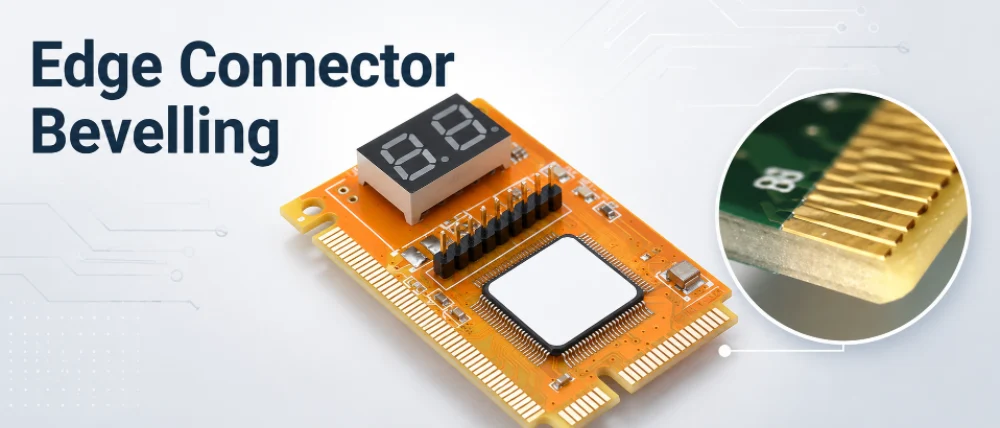
Figure 2. Manufacturing details for edge connector bevelling should be checked before quotation and production.
5. How to specify edge bevelling correctly
To specify edge bevelling correctly, state the bevel angle and depth from the connector standard, identify which edge and contacts are bevelled, and confirm the gold-finger plating and board thickness so the bevel matches the socket. Clear specification avoids a board that does not insert properly or exposes the contacts wrongly. Include on the fabrication notes:
- Bevel angle and depth taken from the connector’s specification, not assumed.
- Which edge and how far the bevel runs, and which contacts it covers.
- Gold-finger plating details, since the bevel and the hard-gold contacts are one system — see gold-finger technology.
- Board thickness, which together with the angle determines the finished edge geometry.
Providing these up front lets the fabricator cut the bevel right the first time. As with any specialized finishing step, this is exactly the kind of detail a pre-build manufacturability review confirms before the board is made, so the edge matches the connector it must mate with.
6. How Highleap manufactures edge-connector boards
Highleap manufactures card-edge connector boards with hard-gold finger plating and accurately cut edge bevels matched to your connector specification, as one integrated finishing process. The gold fingers are plated for durability and low contact resistance, and the bevel is machined to the specified angle and depth so the board inserts smoothly and the contacts are protected over repeated mating.
Because the bevel and gold fingers must work together with the chosen socket, getting the plating, contact geometry, and bevel right is treated as a specialized capability within PCB manufacturing, and the populated board is supported through assembly. A manufacturability review confirms the bevel angle, plating, and board thickness suit your connector before the build. When you request a quote, provide the connector or standard the board mates with, the bevel angle and depth, the gold-finger requirements, and the board thickness so the edge is made correctly.
7. Edge connector bevelling FAQ
What is the purpose of bevelling a PCB edge connector?
The bevel creates a smooth, tapered lead-in so the board slides into a card-edge socket without the square edge scraping or damaging the socket’s spring contacts, protecting both the contacts and the gold plating and improving connection reliability.
What is the standard bevel angle for an edge connector?
Common angles include 20°, 30°, and 45°, but the correct one is set by the connector specification and board thickness, not a universal default. Always take the angle and depth from the connector standard the board mates with.
Is edge bevelling the same as gold fingers?
No — gold fingers are the plated contacts that carry the signals, while bevelling is the shaped edge that lets them insert cleanly. They are two parts of one card-edge connector system, with the bevel cut after the fingers are plated.
When is edge bevelling required?
It is required on boards that plug directly into a card-edge socket by their edge — such as memory modules and expansion cards — especially those inserted and removed repeatedly, where a square edge would wear the socket contacts.
Does bevelling remove the gold plating on the contacts?
The bevel is cut to shape the leading edge while leaving the contact surface properly exposed; specifying the correct angle and depth ensures the gold fingers remain functional. An incorrect bevel can expose too little or too much of the contact, which is why the spec matters.
Can any PCB manufacturer do edge bevelling?
It is a specialized capability that goes together with hard-gold finger plating and precise contact placement, so it is best done by a manufacturer experienced in edge-connector boards who handles plating and bevelling as one integrated process.

Recommended Posts
Taconic RF 35 vs RO4350B PCB
Table of contentsRF-35 vs RO4350B Procurement and...
TMM4 Filter PCB Manufacturing
TMM4 filter PCB manufacturing is controlled by the...
TMM3 PCB Manufacturing for RF Modules
TMM3 PCB manufacturing is most useful where the RF module...
TMM6 PCB Fabrication
TMM6 fabrication is the process-control page for a mid-Dk...
How to get a quote for PCBs
Let’s run DFM/DFA analysis for you and get back to you with a report. You can upload your files securely through our website. We require the following information in order to give you a quote:
-
- Gerber, ODB++, or .pcb, spec.
- BOM list if you require assembly
- Quantity
- Turn time
For PCBA services, please provide your BOM (Bill of Materials) and any specific assembly instructions. We also offer DFM/DFA analysis to optimize your designs for manufacturability and assembly, ensuring a smooth production process.