
Electronics Reverse Engineering for PCB and Legacy Systems

Electronics Reverse Engineering: Strategic Value in a Complex Technology Landscape
Electronics reverse engineering has become a critical capability for companies seeking to extend product lifecycles, recover lost design data, and overcome challenges tied to obsolete components or unsupported systems. From PCB reverse engineering to PCBA cloning, the ability to analyze and recreate electronic hardware enables manufacturers to maintain legacy systems, replace unavailable parts, and avoid costly redesigns. Professional PCB reverse engineering, duplication, and PCBA cloning services play a vital role in supporting legacy systems, obsolete hardware, and embedded electronics across industries. These processes are essential where downtime, regulatory constraints, or supply chain instability can result in substantial operational risk.
More than simple PCB duplication, modern reverse engineering involves advanced imaging, circuit analysis, embedded firmware extraction, and protocol decoding. It enables engineers to reconstruct high-density multilayer boards, decode embedded systems, and verify hardware functionality with precision. This level of technical depth is especially valuable in industries such as aerospace, defense, automotive, medical devices, and industrial automation—where product longevity, traceability, and system compatibility are mission-critical.
As electronics continue to evolve and component obsolescence accelerates, the global demand for reverse engineering services is growing rapidly. Valued at $1.66 billion in 2024, the market is projected to grow at a 10.9% CAGR through 2033. Organizations that invest in reverse engineering capabilities—internally or through expert partners—gain strategic control over their hardware platforms, mitigate supply risks, and unlock valuable insights for design optimization, cost reduction, and long-term product sustainability.
Business Applications and Market Drivers
Electronics reverse engineering addresses fundamental challenges facing modern technology-dependent organizations across multiple industries and operational scenarios.
Legacy System Maintenance Solutions
Legacy system maintenance represents the primary market driver, as industrial facilities, power generation plants, and transportation systems depend on electronic controls that often outlive manufacturer support. When critical systems fail without available replacement parts, electronics reverse engineering provides the only economically viable solution for continued operation.
A California power plant faced shutdown due to failure of a single circuit board costing less than $500, but with the original manufacturer out of business and no replacement parts available. Electronics reverse engineering enabled exact reproduction of the failed component, restoring power generation within days rather than the months required for complete system replacement, demonstrating the substantial economic value of these capabilities.
Competitive Intelligence and Market Analysis
Competitive intelligence applications enable companies to analyze market positioning, understand competitor cost structures, and identify technological trends through systematic product analysis. This intelligence supports informed decision-making about research and development priorities, pricing strategies, and market entry approaches while maintaining full compliance with intellectual property laws.
Manufacturing cost analysis through electronics reverse engineering reveals component selection strategies, assembly techniques, and design optimization approaches that influence pricing and profitability. Companies use this information to identify opportunities for cost reduction in their own products while developing competitive pricing strategies for market positioning.
Supply Chain Risk Management
Supply chain risk mitigation through obsolescence management addresses critical vulnerabilities as electronic components reach end-of-life status. Rather than redesigning entire systems with lengthy recertification processes, electronics reverse engineering enables selective component updates while preserving existing functionality and regulatory approvals.
Security analysis applications protect organizations from potential threats in electronic systems, particularly for government agencies, defense contractors, and critical infrastructure operators who require verification of imported electronic systems before deployment in sensitive applications.

Professional Analysis Methodology & Technical Processes
Successful electronics reverse-engineering projects follow a disciplined, phase-based workflow that balances non-destructive insight, low-risk destructive analysis, and rigorous documentation. The steps below outline the best-practice sequence used by leading laboratories.
1. System Assessment & Project Planning
- Requirement review — clarify functional targets, regulatory constraints, and environmental conditions.
- Asset cataloguing — capture high-resolution imagery and electrical baselines; store in a secure, query-ready database.
- Risk analysis — flag obsolescence, proprietary ICs, anti-tamper features, and complex packages; define mitigation paths and schedule buffers.
2. Advanced Circuit Board Analysis
The lab selects the lightest-touch technique that delivers the required design fidelity.
Non-Destructive Imaging
- Computed X-ray: Maps internal layers, vias, and hidden devices without sacrificing scarce boards (up to 20-layer resolution).
- Precision optical scanning: Calibrated metrology (±0.001 in) for outline and pad verification; software corrects lens distortion and lighting variance.
Destructive Layer-by-Layer Methods
- Micro-milling: Sequentially removes dielectric to expose each copper pattern; images captured at every depth for 100 % trace reconstruction.
- Chemical etching: Selectively dissolves substrates under fume-hood control; delivers superior contrast on dense multilayer nets.
Component Identification & Characterization
- Cross-reference SMD codes and IC markings against proprietary databases.
- Decapsulate and image dies under SEM for unmarked or custom silicon.
- Perform electrical curve-tracing to profile unknown or obsolete parts and select modern equivalents.
3. Integrated Circuit Analysis & Firmware Extraction
Physical Semiconductor Analysis
- Wet or plasma decapsulation to expose dies without bond-wire damage.
- Die photography & SEM to document layout, technology node, and IP blocks.
- Image-based netlist extraction and functional emulation when no COTS replacement exists.
Software & Firmware Techniques
- Read-out microcontrollers, FPGAs, and CPLDs using boundary-scan or invasive probes.
- Bypass security fuses while maintaining code integrity for analysis and porting.
- Decode buses and protocols with logic analyzers and custom decoders to derive timing and command sets.
4. Manufacturing Documentation & Validation
Design Package Generation
- Schematics, Gerber/ODB++ data, drill files, pick-and-place programs, and a complete BOM.
- DFM/DFT checks against IPC-6012 & IPC-A-610 to ensure manufacturability.
Prototype Build & Test
- Fabricate first articles to prove electrical and mechanical equivalence.
- Subject prototypes to functional, environmental, and compliance tests.
- Iterate documentation until the product meets or exceeds original performance.
Following this structured methodology guarantees reproducible results, minimizes project risk, and accelerates time-to-production for critical legacy-system support and competitive analysis programs.
If this requirement affects sourcing or production release, compare it with PCB assembly service and EMS production support before sending the final files for review.
Regulatory Compliance and Intellectual Property Considerations
Electronics reverse engineering operates within established legal frameworks that support legitimate business activities while protecting intellectual property rights.
Legal Framework and Compliance Requirements
Court precedents consistently uphold reverse engineering for interoperability analysis, security research, academic study, and equipment maintenance purposes, providing clear guidance for professional operations. The legal doctrine of fair use specifically protects reverse engineering activities when conducted for legitimate business purposes rather than direct commercial copying.
Professional service providers implement comprehensive compliance programs including clean room development processes that separate analysis teams from design teams, detailed documentation of business justifications and methodologies, intellectual property clearance procedures, and legal review protocols for complex projects.
Industry-Specific Regulations
Industry-specific regulations require additional considerations for medical devices, automotive systems, aerospace applications, and defense equipment. These sectors mandate compliance with FDA requirements, automotive safety standards, aerospace quality systems, and defense security protocols that influence reverse engineering approaches and documentation requirements.
Medical device reverse engineering must maintain detailed documentation for FDA regulatory submissions, while automotive applications require compliance with functional safety standards that affect component selection and system architecture decisions.
Professional Service Selection and Partnership Considerations
Selecting qualified electronics reverse engineering services requires evaluation of technical capabilities, industry experience, quality management systems, and intellectual property protection protocols.
Technical Capability Assessment
Advanced laboratory facilities with calibrated measurement equipment, experienced engineering teams across multiple disciplines, and proven track records in similar applications indicate professional competency. The most qualified service providers maintain comprehensive equipment inventories including high-resolution imaging systems, automated test equipment, and specialized analysis tools for various electronic technologies.
Highleap Electronics provides comprehensive electronics reverse engineering capabilities integrated with advanced PCB manufacturing services, delivering complete solutions from initial analysis through volume production. Our approach eliminates coordination challenges between analysis and manufacturing while ensuring optimal results for complex technical requirements.
Service Integration and Project Management
Our technical capabilities include high-resolution imaging systems for complete circuit characterization, automated test equipment for electrical validation, experienced engineering teams specializing in analog and digital circuit design, embedded systems analysis, and manufacturing engineering. Quality assurance follows ISO 9001:2015 standards with IPC compliance for PCB manufacturing and comprehensive testing protocols for every project.
Project timelines typically range from three to eight weeks depending on complexity, with investment levels from $3,000 to $25,000 for most applications. Our integrated manufacturing capabilities enable immediate transition to production, maximizing return on reverse engineering investment while minimizing time-to-market for critical applications.
Confidentiality and Security Protocols
Confidentiality protection addresses sensitive project requirements through comprehensive non-disclosure agreements, secure facility access controls, data encryption protocols, and optional data destruction upon project completion. These measures ensure complete protection of proprietary information throughout the reverse engineering process.
Electronics reverse engineering represents a strategic capability that enables organizations to maintain operational continuity, support competitive positioning, and accelerate product development initiatives. Success requires appropriate methodology selection, advanced technical capabilities, and experienced professional teams capable of handling complex challenges while maintaining strict quality and legal compliance standards.

Recommended Posts
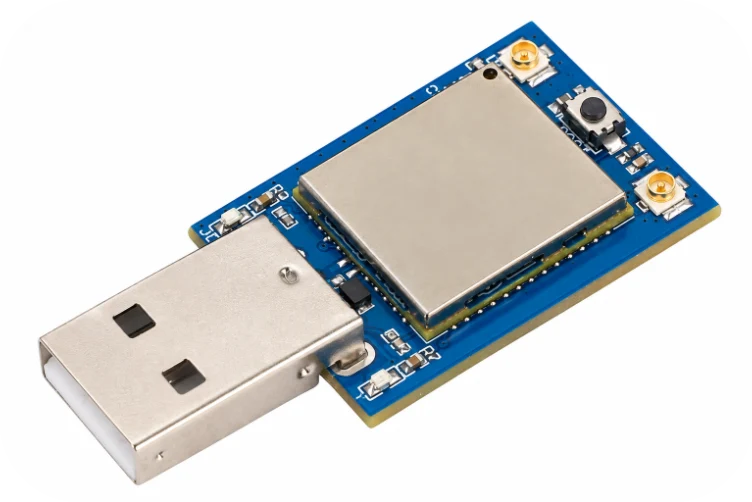
USB Modem PCB Manufacturing & PCBA for LTE/5G Dongles and Data Adapters
USB Modem PCB fabrication and assembly involves a compact...
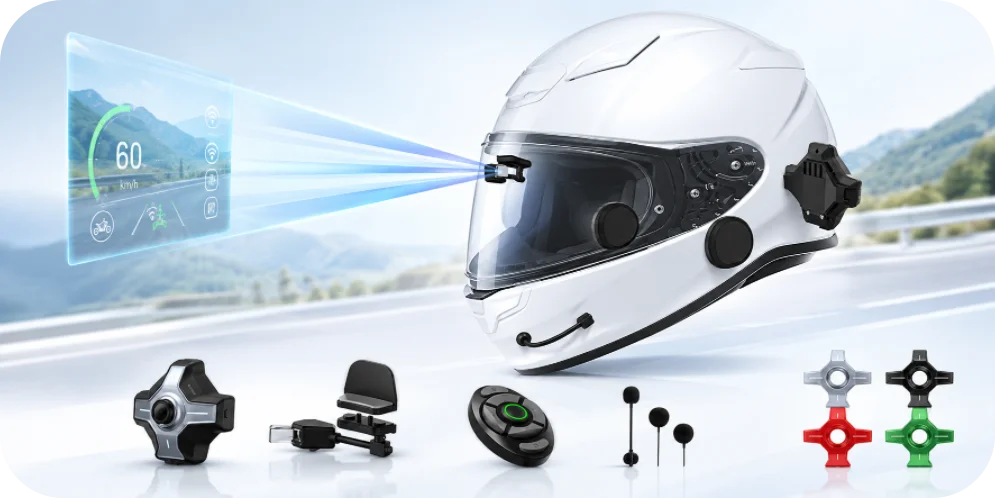
Custom Smart Motorcycle Helmet PCB for Connected Riding
A smart motorcycle helmet may combine an intercom,...
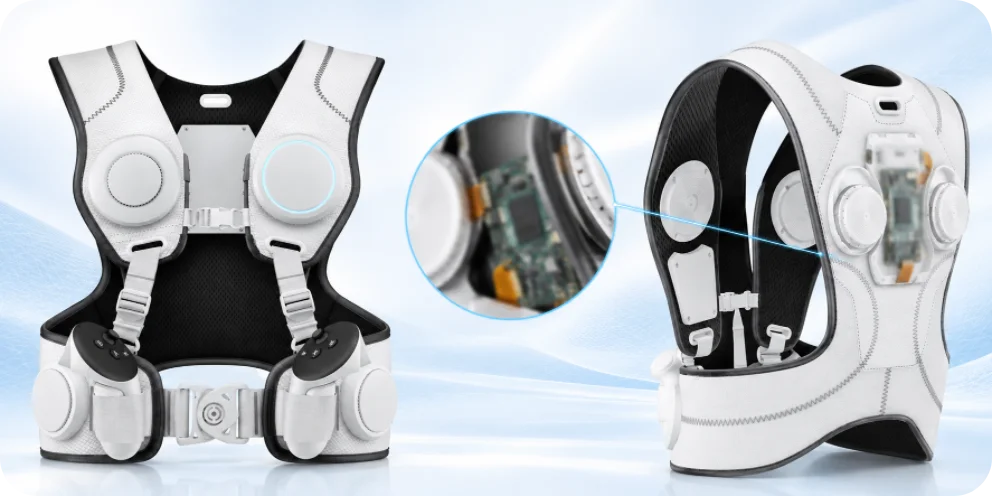
Wearable Haptic Vest PCB Manufacturing & Assembly for Multi-Zone Haptic OEMs
In a wearable haptic vest, the wearer notices the...
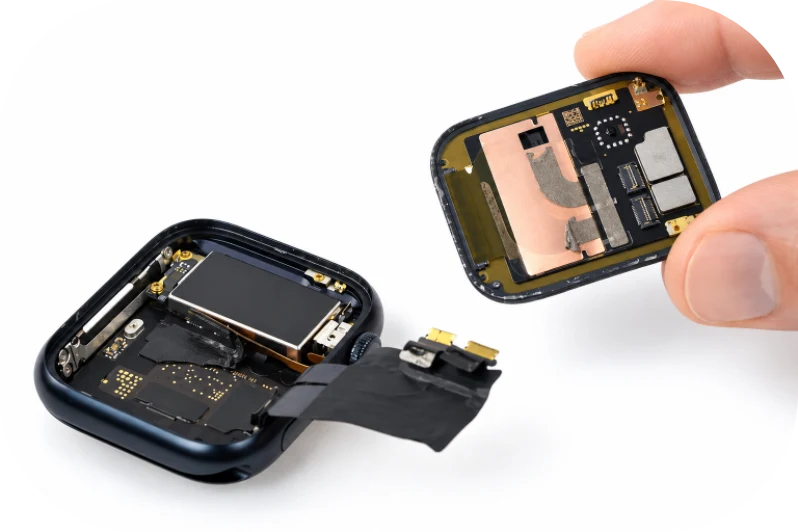
Wearable Temperature Logger PCB Manufacturing & Assembly for BLE Sensor OEMs
A wearable temperature logger PCB is the electronic board...
How to get a quote for PCBs
Let‘s run DFM/DFA analysis for you and get back to you with a report. You can upload your files securely through our website. We require the following information in order to give you a quote:
-
- Gerber, ODB++, or .pcb, spec.
- BOM list if you require assembly
- Quantity
- Turn time
In addition to PCB manufacturing, we offer a comprehensive range of electronic services, including PCB design, PCBA, and turnkey solutions. Whether you need help with prototyping, design verification, component sourcing, or mass production, we provide end-to-end support to ensure your project’s success.
For PCBA services, please provide your BOM (Bill of Materials) and any specific assembly instructions. We also offer DFM/DFA analysis to optimize your designs for manufacturability and assembly, ensuring a smooth production process.