
Fixed Resistor: Types, Specifications, and Applications in PCB Design

1. Introduction
A fixed resistor is a passive electronic component with a predetermined resistance value that remains constant during operation. Unlike variable resistors, the resistance of a fixed resistor does not change with voltage fluctuations, temperature variations within its rated range, or external adjustments. These components represent the most widely used passive elements in electronic circuits, appearing in virtually every PCB design from consumer electronics to industrial control systems.
In practical applications, fixed resistors serve critical functions including current limiting, voltage division, signal biasing, impedance matching, and filtering. Understanding fixed resistor types and specifications enables engineers to make informed component selections that directly impact circuit performance, thermal management, and long-term stability.

Fixed Resistor
2. What Is a Fixed Resistor?
The term “fixed” indicates that the resistance value is established during manufacturing and cannot be adjusted by the user. This fundamental characteristic distinguishes fixed resistors from potentiometers, rheostats, and other variable resistance devices.
Fixed resistor applications span multiple circuit functions:
-
Current limiting – Protects LEDs, ICs, and other sensitive components by controlling current flow.
-
Voltage division – Forms divider networks for signal conditioning and reference voltage generation.
-
Bias stabilization – Sets proper operating points for transistors and operational amplifiers.
-
Impedance matching – Provides line termination for high-speed digital and RF transmission paths.
The basic structure consists of a substrate material, a resistive element, a protective coating, and electrical terminals or leads. The resistive element material—whether carbon composition, metal film, metal oxide, or wire—determines the fundamental electrical characteristics including tolerance, temperature coefficient, noise performance, and power handling capability.

Fixed Resistor Types by Material
3. Fixed Resistor Types by Material
Carbon Composition Resistors
Carbon composition resistors combine carbon particles with a ceramic binder to form the resistive element. These components offer low manufacturing cost and excellent surge absorption capability. However, they exhibit relatively high electrical noise, poor temperature stability with typical TCR values of -200 to +800 ppm/°C, and significant resistance drift over time.
Modern PCB designs rarely specify carbon composition types except for specific surge protection applications where their transient absorption characteristics provide value.
Carbon Film Resistors
Carbon film technology deposits a thin carbon layer onto a ceramic substrate, then cuts a helical groove to establish the resistance value. This construction provides better stability than carbon composition types, with typical tolerances of ±5% and TCR values around ±250 ppm/°C.
The wide resistance range from a few ohms to several megohms, combined with low cost, makes carbon film resistors popular in general-purpose consumer electronics where precision requirements are moderate.
Metal Film Resistors
Metal film resistors use thin layers of nickel-chromium alloy deposited on ceramic substrates. This technology delivers superior performance characteristics including low electrical noise, tight tolerances down to ±0.1%, and excellent temperature stability with TCR values as low as ±25 ppm/°C.
The stable resistance over temperature and time makes metal film the preferred fixed resistor choice for precision measurement circuits, instrumentation amplifiers, reference voltage networks, and analog signal processing applications.
Metal Oxide Resistors
Metal oxide film resistors utilize tin oxide or similar materials to create the resistive element. These components excel in high-temperature environments and demonstrate excellent resistance to overload conditions. The robust construction tolerates brief power surges without permanent damage.
Applications include power supply designs, motor control circuits, and industrial equipment where long-term reliability under harsh operating conditions is essential.
Wirewound Resistors
Wirewound resistors consist of resistance wire, typically nickel-chromium alloy, wound around an insulating core. This construction enables high power handling from several watts to hundreds of watts, combined with excellent precision and stability.
The primary limitation is significant parasitic inductance due to the coiled wire structure, which restricts use in high-frequency circuits. Wirewound fixed resistors find applications in power electronics, load banks, current sensing, and precision voltage dividers where DC or low-frequency operation is required.

SMD Resistor & Through-Hole Resistor
4. Fixed Resistor Package Types
Through-Hole Resistors
Axial through-hole resistors feature cylindrical bodies with wire leads extending from each end. These components insert through plated holes in the PCB and require wave soldering or hand soldering.
Through-hole packages excel in high-power applications due to superior heat dissipation through the leads and PCB substrate. They also provide mechanical robustness for applications subject to vibration or physical stress.
SMD Fixed Resistors
Surface mount resistors dominate modern PCB assembly, available in standardized sizes including 0201, 0402, 0603, 0805, 1206, and larger packages. The compact footprint enables higher component density, automated pick-and-place assembly, and reduced parasitic effects due to shorter lead lengths.
SMD fixed resistors improve high-frequency performance by minimizing inductance and capacitance. Manufacturing advantages include faster assembly cycles, lower assembly costs, and compatibility with double-sided component placement.
Precision Fixed Resistors
Precision resistors achieve tolerances of ±0.01% to ±0.1% with TCR values below ±5 ppm/°C. These components use specialized manufacturing processes and materials to maintain exceptional stability.
Applications include precision current sources, high-accuracy voltage references, instrumentation bridges, and calibration standards where measurement accuracy is critical.
High-Power Fixed Resistors
High-power resistors handle continuous power dissipation from several watts to kilowatts. Construction variations include ceramic encased wirewound types, aluminum-housed chassis-mount designs, and thick-film resistors on heat-spreading substrates.
Power supply designs, motor controls, braking resistors, and load testing equipment rely on these fixed resistor components for energy dissipation and control.
Current-Sense Resistors
Current-sense or shunt resistors feature ultra-low resistance values, typically below 100 milliohms, with very low TCR to ensure accurate current measurement across temperature. Four-terminal Kelvin connections eliminate lead resistance errors in precision applications.
Battery management systems, power monitoring circuits, and motor control systems depend on current-sense fixed resistors for feedback and protection.

PCB Resistors
5. Key Fixed Resistor Specifications
Resistance Value and Tolerance
The nominal resistance value represents the intended resistance at standard reference conditions, typically 25°C. Standard resistor values follow the E-series system—E6, E12, E24, E96, and E192—which provide logarithmic spacing across the resistance range.
Tolerance specifies the maximum deviation from the nominal value, with common ratings of ±20%, ±10%, ±5%, ±1%, ±0.5%, and ±0.1%. Tolerance selection directly impacts circuit accuracy in voltage dividers, precision amplifiers, and measurement systems where resistor matching and absolute accuracy are critical.
Power Rating
The power rating defines the maximum continuous power dissipation the fixed resistor can handle without exceeding its maximum operating temperature. Common ratings include 1/16W, 1/10W, 1/8W, 1/4W, 1/2W, and 1W for small signal applications.
Exceeding the power rating causes thermal stress, accelerated aging, resistance drift, and eventual failure. Proper thermal design requires derating based on ambient temperature and airflow conditions to ensure long-term reliability.
Temperature Coefficient of Resistance
The temperature coefficient of resistance quantifies how resistance changes with temperature, expressed in parts per million per degree Celsius. Metal film resistors typically achieve ±50 to ±100 ppm/°C, while precision types reach ±5 to ±25 ppm/°C.
Applications requiring stable performance across temperature extremes, such as precision voltage references and instrumentation circuits, demand low TCR fixed resistor specifications to minimize temperature-induced errors.
Maximum Working Voltage
Maximum working voltage represents the highest continuous voltage the fixed resistor can withstand without risk of internal arcing or breakdown. This specification becomes critical in high-voltage circuits where the applied voltage may exceed levels calculated from power ratings alone.
PCB designers must verify voltage ratings particularly in power supply designs, where transients and fault conditions can momentarily subject resistors to voltages significantly above normal operating levels.
Stability and Noise Performance
Long-term stability characterizes the resistance drift over extended operating periods, influenced by temperature cycling, humidity exposure, and load stress. Metal film and wirewound fixed resistors demonstrate superior stability compared to carbon-based types.
Electrical noise varies significantly with resistor technology. Metal film resistors generate minimal thermal and excess noise, making them ideal for low-noise amplifier designs and precision measurement circuits where noise performance directly affects signal quality.

Fixed Resistor Symbols
6. Fixed Resistor Applications in PCB Design
Current Limiting and Protection
Fixed resistors protect sensitive components by restricting current flow to safe operating levels. Common applications include:
- LED current limiting – Sets forward current to prevent junction damage and ensure consistent brightness
- ADC input protection – Limits fault currents to prevent input stage damage
- Inrush current control – Reduces startup current spikes in power supply circuits
- Gate resistors – Controls switching speed and reduces electromagnetic interference in power MOSFETs
Voltage Division and Reference
Voltage divider networks use fixed resistor pairs to generate scaled reference voltages and bias points. The resistor ratio determines the division factor, while individual tolerances affect absolute accuracy.
Precision applications require matched resistor pairs with low TCR to maintain stable division ratios across temperature. Reference voltage networks for ADCs, comparators, and linear regulators depend on resistor stability for accurate operation.
Biasing and Signal Conditioning
Fixed resistors establish DC operating points for active devices. Transistor base resistors set collector current, while operational amplifier feedback networks define gain and frequency response.
Signal conditioning circuits use resistors in combination with capacitors to implement filtering, impedance transformation, and level shifting. The resistor values determine corner frequencies, attenuation factors, and input/output impedance characteristics.
Impedance Matching and Termination
High-speed digital and RF circuits require proper impedance matching to minimize signal reflections. Series termination resistors placed near the driver match source impedance to transmission line characteristic impedance.
Parallel termination at the receiver end absorbs reflections and prevents ringing. The fixed resistor value must match the transmission line impedance, typically 50Ω for RF applications and 100Ω to 120Ω for differential digital signals.
7. PCB Layout Considerations for Fixed Resistors
Component Placement Strategy
Proper placement affects both electrical performance and thermal management. Current-sense resistors require placement close to the measurement point with short trace connections to minimize parasitic resistance. High-power fixed resistors need adequate spacing from temperature-sensitive components to prevent thermal coupling.
Critical signal path resistors should be positioned to minimize trace lengths, reducing parasitic inductance and capacitance that degrade high-frequency performance. Voltage divider resistor pairs benefit from proximity placement to maintain thermal tracking.
Thermal Management
Heat dissipation capability depends on copper area, thermal vias, and ambient airflow. Surface mount fixed resistors rely primarily on pad geometry and board thermal conductivity for cooling. Increasing copper pad size improves heat spreading but must balance against electrical parasitic effects.
Through-hole resistors transfer heat through the component leads into the PCB. Thermal relief patterns in power planes can restrict heat flow, potentially causing localized hot spots. High-power applications may require dedicated copper pours or external heat sinks.
Parasitic Effects and Frequency Response
Lead inductance and pad capacitance create parasitic elements that affect AC performance. Wirewound fixed resistors exhibit significant series inductance, making them unsuitable for frequencies above several kilohertz. Metal film and thin-film resistors in small SMD packages minimize parasitics for operation into the gigahertz range.
Ground return path layout influences electromagnetic coupling and noise susceptibility. Minimizing loop area between the resistor and ground connection reduces radiated emissions and improves immunity to external interference.
8. Fixed Resistor Selection Guidelines
Determine Electrical Requirements
Begin by calculating the required resistance value from circuit analysis, considering DC operating points and AC signal characteristics. Tolerance selection depends on allowable circuit parameter variation. Precision analog circuits typically require ±1% or better, while digital pull-up resistors function adequately with ±5% tolerance.
Power dissipation calculation uses worst-case voltage and current conditions. Apply a derating factor of 50% to 70% of the rated power to ensure adequate thermal margin and long-term reliability.
Evaluate Environmental Conditions
Operating temperature range affects both TCR requirements and power derating. Fixed resistors operating near their maximum rated temperature require aggressive derating to prevent accelerated aging. Low TCR specifications become critical when temperature variation exceeds ±20°C.
Humidity, vibration, and chemical exposure influence material selection. Metal film resistors with conformal coating provide superior moisture resistance compared to uncoated carbon types. Military and automotive applications demand components qualified to relevant environmental testing standards.
Consider Manufacturing and Cost
SMD packages enable automated assembly and reduce production costs compared to through-hole types. Standard package sizes like 0603 and 0805 offer the best balance of cost, availability, and handling characteristics. Unusual resistance values may have limited availability or higher unit costs.
Total cost of ownership includes component price, assembly costs, testing requirements, and field reliability. Using higher-quality fixed resistors in critical circuit positions can reduce overall system costs by improving yield and reducing warranty returns.
Validate with Manufacturer Data
Always consult detailed datasheets for complete electrical, mechanical, and reliability specifications. Manufacturer data includes:
- Load life test results – Resistance stability under rated power and temperature
- Temperature cycling performance – Resistance change after thermal stress
- Humidity resistance – Stability in moisture exposure conditions
- Voltage coefficient – Resistance change with applied voltage in high-ohm values
Critical applications benefit from qualification testing that validates component selection under actual operating conditions before committing to production.

Fixed Resistors and Variable Resistors
9. Fixed Resistor vs Variable Resistor
Fixed resistors and variable resistors serve distinct purposes in electronic design. Fixed resistors provide unchangeable resistance values, delivering high precision, excellent long-term stability, and superior reliability due to their simple construction with no moving parts. Manufacturing costs remain low, enabling widespread use throughout circuits.
Variable resistors, including potentiometers and rheostats, allow manual or automatic resistance adjustment for tuning, calibration, and control applications. The mechanical structure required for adjustment introduces reliability considerations including wear, contact resistance variation, and environmental sensitivity. Most circuit functions require fixed resistors for consistent operation, while variable resistors address specific needs for user control or factory calibration.
| Category | Fixed Resistor | Variable Resistor |
|---|---|---|
| Resistance Value | Fixed, cannot be adjusted | Adjustable manually or automatically |
| Precision & Stability | High precision and excellent long-term stability | Lower stability; resistance may drift due to mechanical wear |
| Reliability | Very reliable; no moving parts | Less reliable; mechanical contacts introduce wear and noise |
| Construction | Simple solid-state structure | Mechanical structure with sliding or rotating contact |
| Cost | Low manufacturing cost | Higher cost due to mechanical components |
| Typical Use Cases | General circuit functions requiring stable, consistent values | Tuning, calibration, user control, and adjustable settings |
| Environmental Sensitivity | Low sensitivity | Higher sensitivity to dust, vibration, and oxidation |
| Common Applications | Biasing, current limiting, voltage division, termination | Volume knobs, calibration trims, adjustable references |
10. Industry-Specific Fixed Resistor Applications
Consumer Electronics
Smartphones, computers, televisions, and home appliances utilize carbon film and metal film resistors where cost optimization balances performance needs. High-volume production drives standardization on common resistance values and package sizes to maximize purchasing leverage.
Automotive Electronics
AEC-Q200 qualified resistors withstand harsh automotive environments including temperature extremes from -40°C to +150°C, vibration, and electrical transients. Engine management, safety systems, and infotainment applications require proven reliability with documented failure rates below 1 PPM.
Industrial Control Systems
Robust metal oxide and wirewound fixed resistors operate reliably in factory environments with exposure to dust, moisture, and temperature cycling. PLC input/output circuits, motor drives, and process control instrumentation depend on resistor stability for accurate operation over multi-year service life.
Medical Devices
Patient monitoring equipment, diagnostic instruments, and therapeutic devices require low-noise metal film resistors with excellent stability. Regulatory compliance demands comprehensive traceability and qualification documentation. Biocompatible materials and hermetic packaging may be necessary for implantable applications.
Power Supply Design
Current-sense resistors provide regulation feedback with precision below ±1% across the operating temperature range. Inrush limiting resistors handle high peak currents during startup. Voltage monitoring dividers require matched pairs with low TCR to maintain accurate threshold detection. High-power fixed resistors serve in pre-load and discharge applications.
Communication and RF Systems
Impedance matching networks use resistors with minimal parasitic capacitance and inductance to maintain signal integrity at radio frequencies. Transmission line termination requires precise 50Ω values with tight tolerance. Bias networks for amplifiers demand low-noise metal film types to preserve signal-to-noise ratio.
11. Conclusion
Matching Resistor Technology to Application Needs
Selecting fixed resistors begins with understanding how material and construction affect performance. Metal film offers high precision and stability, wirewound supports high power with inductive limitations, and carbon-based resistors provide economical options for non-critical uses.
Evaluating Key Electrical Specifications
Tolerance, temperature coefficient, power rating, and voltage limits must reflect actual operating conditions. At higher frequencies, parasitic inductance and capacitance influence circuit behavior, making package choice and layout practices essential.
Ensuring Thermal and Long-Term Reliability
Proper derating and effective heat dissipation reduce drift and prevent early failure. Verifying component performance through datasheets and qualification testing strengthens design robustness.
Engineering Support for Reliable Designs
Fixed resistors may appear simple, yet they involve important trade-offs between cost, performance, and reliability. For projects requiring component evaluation or PCBA support, Highleap Electronics offers engineering consultation throughout the design and manufacturing process.

Recommended Posts
Racing Wheel Controller PCB Manufacturing & Assembly for Force-Feedback and Direct-Drive Gaming Systems
Highleap Electronics provides PCB fabrication and PCBA for...
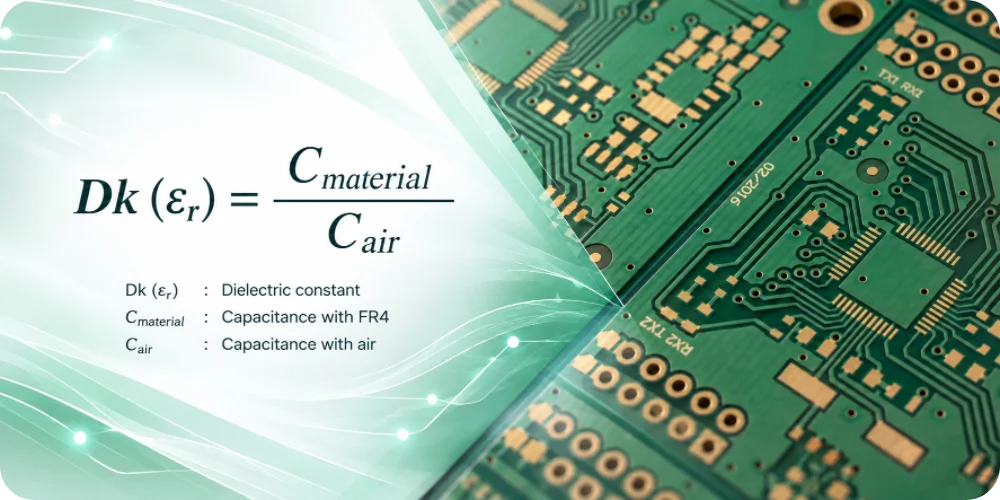
FR4 Dielectric Constant Calculator and PCB Design Guide
How to get a quote for PCBs Let's run DFM/DFA analysis for...

GPS Sports Watch PCB Design: GNSS, RF, Sensors and PCBA Manufacturing
Turning a compact GPS sports watch controller from an...
Cellular Modem PCB: From Module Carriers to PCBA
Need a manufacturer for a cellular modem PCB or a fully...
How to get a quote for PCBs
Let‘s run DFM/DFA analysis for you and get back to you with a report. You can upload your files securely through our website. We require the following information in order to give you a quote:
-
- Gerber, ODB++, or .pcb, spec.
- BOM list if you require assembly
- Quantity
- Turn time
In addition to PCB manufacturing, we offer a comprehensive range of electronic services, including PCB design, PCBA, and turnkey solutions. Whether you need help with prototyping, design verification, component sourcing, or mass production, we provide end-to-end support to ensure your project’s success.
For PCBA services, please provide your BOM (Bill of Materials) and any specific assembly instructions. We also offer DFM/DFA analysis to optimize your designs for manufacturability and assembly, ensuring a smooth production process.