
Choosing the Right Microwave PCB Materials for HF PCBs

Introduction: Choosing the Right Microwave PCB Materials for High-Performance Applications
When designing high-frequency and microwave PCBs—whether for 5G base stations, satellite communication, aerospace systems, automotive radar, or defense electronics—the choice of materials directly determines performance. Operating in the 1 GHz to 30+ GHz range, these boards require substrates that deliver low signal loss, stable dielectric properties, effective thermal management, and reliable impedance control. For RT/duroid 5870 microwave-board fabrication, confirm the available dielectric and copper thicknesses before translating the electrical design into a fabrication stackup.
At Highleap Electronics, we don’t just manufacture microwave PCBs—we are a full-spectrum PCB factory capable of producing everything from standard FR-4 boards to multilayer, HDI, flexible, rigid-flex, and metal-core PCBs. This broad capability ensures that, while we excel in specialized microwave PCB materials like Rogers, Taconic, and Nelco, we also support customers with a complete range of PCB solutions across diverse industries.
This guide explores the critical factors in selecting microwave PCB materials, compares options from leading suppliers, and explains how our comprehensive PCB expertise guarantees signal integrity, manufacturing precision, and long-term reliability across all applications.
Key Factors to Consider When Selecting Microwave PCB Materials
Why Material Selection is Critical for Microwave PCB Success
Microwave PCBs differ fundamentally from traditional boards because they operate in the GHz frequency range, where even small variations in material properties can cause significant performance issues. Choosing the right substrate is not just a technical preference—it directly impacts signal integrity, thermal reliability, manufacturability, and long-term durability of your design. Below are the key factors every engineer must consider:
1. Dielectric Constant (Dk) Stability
The dielectric constant determines signal propagation speed and impedance matching. For microwave designs, consistency is more important than the absolute value. Materials with a stable Dk between 2.0 and 4.0 at 10 GHz provide predictable electrical behavior across layers and frequencies, ensuring accurate impedance control for RF traces, antennas, and filters.
2. Dissipation Factor (Df) and Signal Loss
At high frequencies, even minor energy losses translate into degraded performance. Low-Df substrates minimize signal attenuation, keeping loss budgets tight and ensuring reliable transmission for applications like 5G base stations, phased-array radar, and satellite communication systems.
3. Thermal Management and Mechanical Stability
Microwave circuits often face high power densities and extreme thermal cycling. Materials must maintain structural integrity without delamination, warping, or CTE (coefficient of thermal expansion) mismatch issues that can damage vias and solder joints. This is especially critical in aerospace, automotive radar, and military electronics, where environments are harsh.
4. Moisture Absorption Resistance
Moisture is a silent performance killer for microwave PCBs. Even small amounts of water absorption can alter dielectric properties, leading to unpredictable shifts in impedance and higher losses. Selecting hydrophobic materials ensures stable RF performance in humid, outdoor, or marine environments. For RO3006 microwave laminate applications, selection should consider dielectric thickness, loss, dimensional requirements and the fabricator’s approved processing route.
5. Manufacturability and Processing Compatibility
Not all high-performance substrates process the same way. Materials like ceramic-filled PTFE, Rogers, Taconic, and Nelco laminates each require tailored lamination cycles, drilling, and plating methods. Choosing the right material must balance performance goals with manufacturability and cost efficiency.
At Highleap Electronics, we provide a comprehensive range of high-frequency materials, including options from leading brands such as Rogers, Taconic, and Nelco. By leveraging advanced manufacturing techniques and in-depth material knowledge, we help ensure your microwave PCB designs achieve low loss, stable performance, and long-term reliability across various demanding applications. For more details on these materials and their suitability for your projects, explore our collection of high-frequency substrates and solutions that support your design needs:https://hilelectronic.com/high-frequency-materials/

Microwave PCB Materials for High-Frequency Applications
1. Microwave PCB Materials for 5G Base Stations
5G base stations require materials that ensure low loss, precise impedance control, and excellent thermal stability, especially for frequencies ranging from Sub-6 GHz to mmWave. Proper microwave PCB design is essential to achieve stable signal integrity in antenna arrays, beamforming circuits, and power amplifiers.
Recommended Materials:
- Rogers RO4003C™, RO4350B™, RO3003™
- Taconic TLY-5, RF-35, CER-10
- Isola I-Tera® MT40, FR408HR
- Panasonic Megtron 6, Megtron 7
- Nelco N4000-13EP
2. Microwave PCB Materials for Radar Systems
Radar systems for automotive ADAS and defense applications demand materials that combine low-loss characteristics with thermal stability to ensure high accuracy and reliability at 24 GHz, 77 GHz, and higher frequencies. Reliable results also depend on advanced microwave PCB manufacturing processes that maintain consistency under vibration and thermal stress.
Recommended Materials:
- Rogers RO4350B™, RO4835™, RT/duroid® 5880
- Taconic RF-35, CER-10
- Arlon AD1000, AD255C
- Ceramic-filled PTFE Series
- Isola Astra® MT77
3. Microwave PCB Materials for Satellite Communication
Satellite communication systems require materials with high-frequency stability, minimal signal loss, and the ability to withstand extreme environmental conditions such as vacuum, radiation, and temperature cycles. High-performance microwave PCB solutions play a key role in antennas, transceivers, and payload systems operating in demanding orbital environments.
Recommended Materials:
- PTFE (Teflon-based) Series, such as Rogers RT/duroid® 5870, 5880
- Rogers RO3003™, RO3035™, RT/duroid 6010.2LM™
- Rogers TMM3, TMM6, TMM10
- Arlon AD450, CLTE-XT
- Isola I-Tera® MT40, Astra® MT77
4. Microwave PCB Materials for Aerospace Electronics
Aerospace electronics are subject to extreme thermal and mechanical stresses, requiring materials that maintain stability and performance under high frequencies and harsh conditions.
Recommended Materials:
- Rogers RO4003C™, RO4835™
- Taconic RF-35, TLY Series
- Arlon CLTE-XT, AD1000
- Isola FR408HR, I-Tera® MT40
- Panasonic Megtron 7R
5. Microwave PCB Materials for Automotive Radar Systems
Automotive radar systems (24 GHz, 77 GHz) need materials that operate reliably under temperature fluctuations, humidity, and constant vibration.
Recommended Materials:
- Rogers RO4350B™, RO4835™
- Ceramic-filled PTFE Series
- Taconic RF-35, CER-10
- Arlon AD255C
- Isola Astra® MT77
6. Microwave PCB Materials for Defense Applications
Defense systems require uncompromising reliability, secure signal integrity, and durability to withstand battlefield conditions, including high shock, vibration, and extreme temperatures.
Recommended Materials:
- Rogers RO4350B™, RO4835™, RT/duroid® 6006/6010
- Ceramic-filled PTFE Series
- Taconic CER-10, RF-35
- Arlon CLTE-XT, AD1000
- Isola Astra® MT77, FR408HR
Choosing the right microwave PCB material is crucial for ensuring optimal performance across various high-frequency applications, from 5G networks to aerospace systems. The materials listed above each offer unique benefits tailored to specific needs, whether it’s for low-loss performance, high thermal stability, or durability under harsh environmental conditions. As the demands for high-speed communication, precision radar systems, and advanced electronics continue to grow, understanding the material requirements for each application is essential.
In the next section, we will explore the best practices for designing and manufacturing PCBs using these materials, focusing on the steps you can take to maximize performance, reliability, and efficiency in your projects.

Best Practices for Designing and Manufacturing PCBs Using High-Frequency Materials
Designing and manufacturing PCBs using specialized high-frequency materials requires a precise and methodical approach. The materials selected for applications like 5G base stations, radar systems, and aerospace electronics play a critical role in ensuring the performance, reliability, and longevity of the final product. To achieve optimal results, engineers and manufacturers must adhere to a set of best practices throughout the design and production process.
1. Ensure Proper Impedance Matching
Maintaining precise impedance control is critical in high-frequency PCB designs. Incorrect impedance matching can lead to signal reflections, loss, and overall performance degradation. Using high-frequency materials with consistent dielectric constants and low dissipation factors, such as Rogers RO4003C™ or Taconic RF-35, helps in achieving accurate impedance matching. Simulation tools can be used to ensure that traces, vias, and pads maintain consistent impedance across the entire PCB.
2. Thermal Management and Stability
High-frequency PCBs generate heat, which can significantly affect performance and reliability. It’s essential to choose materials with excellent thermal stability, like Ceramic-filled PTFE or Arlon AD1000, which can handle heat dissipation efficiently. Additionally, thermal vias, heat sinks, and copper pours should be used to ensure even heat distribution and prevent localized overheating.
3. Optimize Layer Stack-up Design
In high-frequency applications, the stack-up design of the PCB plays a pivotal role in signal integrity and performance. Proper selection of core materials and prepreg, as well as the positioning of signal, power, and ground layers, is vital. For instance, when working with materials like Rogers RO4350B™ or Isola I-Tera® MT40, careful attention should be given to minimizing the distance between layers to reduce signal loss and minimize crosstalk.
4. Minimize Signal Loss with Low-Loss Materials
Signal integrity is one of the primary concerns in high-frequency PCB designs. Materials with low dissipation factors (Df), such as PTFE-based materials and Rogers RT/duroid® 6006, are crucial in minimizing signal loss over long distances. When designing for applications like satellite communication or radar systems, it’s important to ensure that the material used can maintain consistent signal transmission over the necessary frequency range.
5. Use Advanced Fabrication Techniques
Manufacturing high-frequency PCBs requires advanced fabrication techniques to meet tight tolerances and ensure consistent quality. Techniques such as sequential lamination, precision etching, and automated optical inspection (AOI) can help ensure that the PCB is manufactured to the highest standards. These processes are especially important when working with materials like Rogers RO3003™ or Ceramic-filled PTFE, which may have different processing requirements compared to traditional materials like FR-4.
6. Perform Rigorous Testing and Validation
Once the PCB is designed and fabricated, rigorous testing is required to ensure it performs as expected in real-world conditions. High-frequency PCBs should undergo signal integrity testing, such as time-domain reflectometry (TDR), and thermal cycling tests to simulate operating conditions. Additionally, environmental testing, including vibration and humidity tests, should be performed, particularly for automotive or defense applications where reliability is critical.
By following these best practices, engineers can ensure that their high-frequency PCBs not only meet the performance specifications but also stand the test of time, even in the most demanding environments. These steps, when applied correctly, will result in a robust design process that maximizes the potential of the materials selected.
Why Choose Highleap Electronics for Your Microwave PCB Needs?
Selecting the right microwave PCB materials is essential for ensuring high performance and reliability in high-frequency applications such as 5G, radar, satellite communications, and defense systems. At Highleap Electronics, we go beyond just offering premium materials—we provide comprehensive PCB solutions that include precision manufacturing, advanced assembly, and exceptional after-sales support to meet your specific design and production needs.
Our Key Advantages:
- Extensive Experience: Over 15 years of expertise in high-frequency PCB manufacturing and assembly.
- Precision Manufacturing & Assembly: We specialize in PCB assembly services, ensuring seamless integration of components and optimized performance for your designs.
- Global Shipping & Fast Turnaround: With our global sourcing capabilities, we provide efficient shipping options and quick-turn prototyping to meet tight deadlines and high-volume production requirements.
- Certified Quality: Our ISO 9001:2015 certified processes guarantee the highest standards during PCB fabrication, ensuring precision and reliability.
- After-Sales Support: Our commitment to customer satisfaction doesn’t end after delivery. We provide robust after-sales support to ensure your products continue to perform at their best.
At Highleap Electronics, we combine cutting-edge materials, state-of-the-art manufacturing capabilities, and a customer-centric approach to deliver the best microwave PCB solutions for your projects. From PCB design to assembly, you can trust us to bring your high-frequency designs to life with maximum performance and minimal hassle.
Contact Us Today
Ready to take your microwave PCB project to the next level? Contact Highleap Electronics today, and let us support you in achieving exceptional results with our reliable, high-quality PCB services.

Recommended Posts
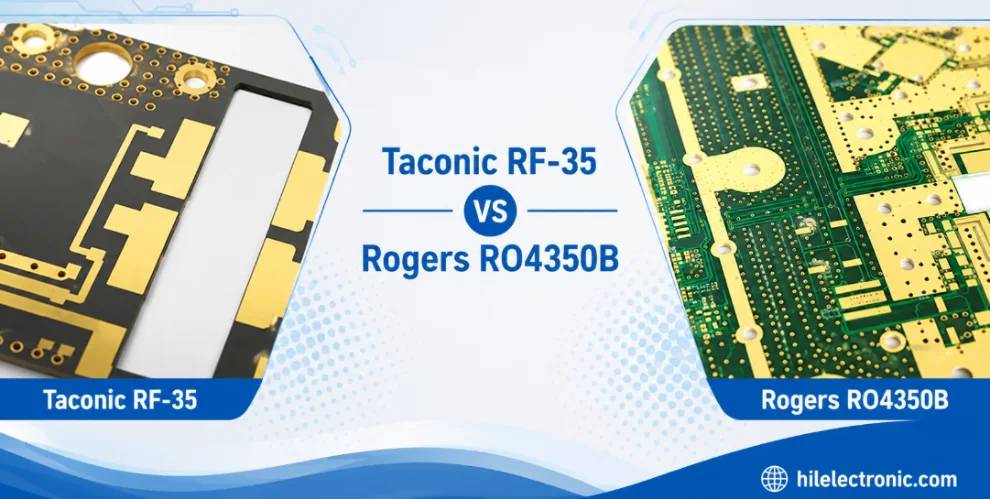
Taconic RF 35 vs RO4350B PCB
Table of contentsRF-35 vs RO4350B Procurement and...
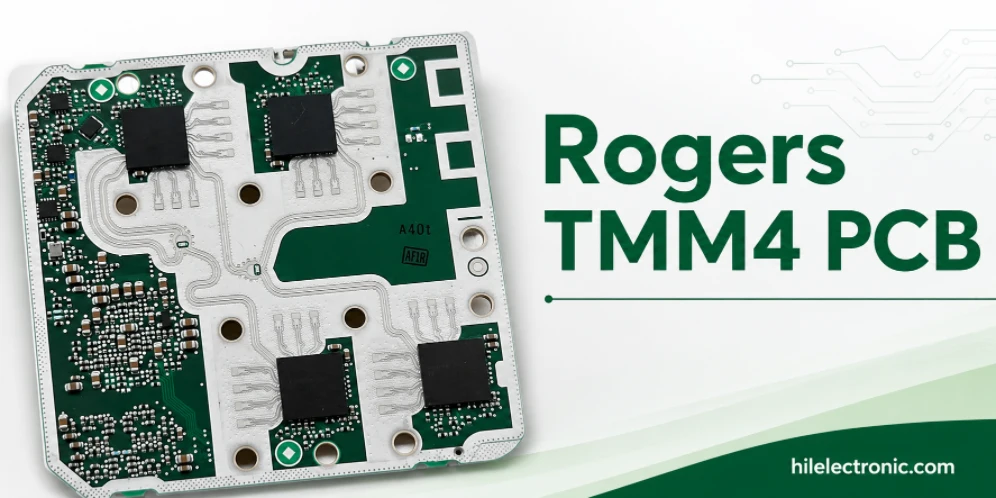
TMM4 Filter PCB Manufacturing
TMM4 filter PCB manufacturing is controlled by the...
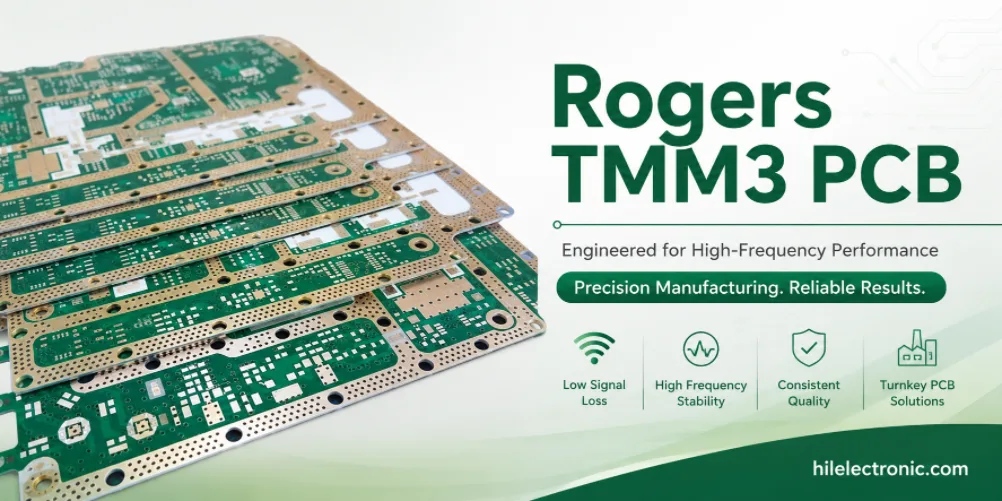
TMM3 PCB Manufacturing for RF Modules
TMM3 PCB manufacturing is most useful where the RF module...
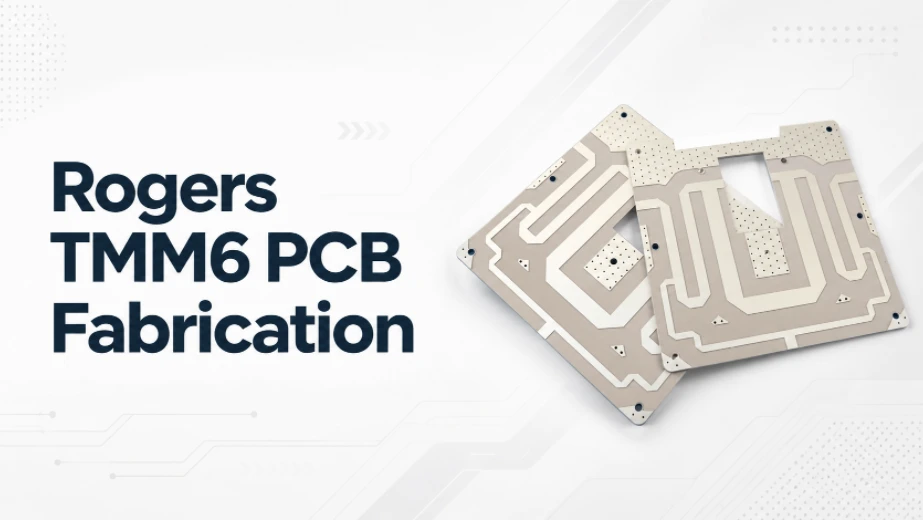
TMM6 PCB Fabrication
TMM6 fabrication is the process-control page for a mid-Dk...
How to get a quote for PCBs
Let‘s run DFM/DFA analysis for you and get back to you with a report. You can upload your files securely through our website. We require the following information in order to give you a quote:
-
- Gerber, ODB++, or .pcb, spec.
- BOM list if you require assembly
- Quantity
- Turn time
In addition to PCB manufacturing, we offer a comprehensive range of electronic services, including PCB design, PCBA, and turnkey solutions. Whether you need help with prototyping, design verification, component sourcing, or mass production, we provide end-to-end support to ensure your project’s success.
For PCBA services, please provide your BOM (Bill of Materials) and any specific assembly instructions. We also offer DFM/DFA analysis to optimize your designs for manufacturability and assembly, ensuring a smooth production process.