
RO3035 PCB Manufacturing

Rogers RO3035 is used in RF and microwave designs that need stable dielectric behavior, controlled impedance, and more predictable performance than standard FR-4 can usually provide. It is a practical option for signal paths, matching networks, filters, couplers, antenna-related structures, and other high-frequency circuits where material consistency affects real electrical results. For projects considering RO3203 fabrication as an alternative construction, electrical dimensions and processing constraints should be compared independently before a material change.
For these designs, board performance depends not only on the laminate itself, but also on how the PCB is built. Trace definition, stackup control, plating quality, surface finish, drilling accuracy, and assembly discipline all influence the final behavior of the circuit. That is why choosing the right Rogers RO3035 PCB manufacturer matters as much as selecting the material.
At Highleap Electronics, we support RO3035 projects through material review, PCB laminate selection, high frequency PCB fabrication, RF and microwave PCB manufacturing, and PCB assembly. For teams building RF front ends, microwave modules, and radar-related hardware, the goal is straightforward: turn a high-frequency design into a board that is manufacturable, repeatable, and ready for integration.
Table of Contents
- Where Rogers RO3035 Fits in High-Frequency PCB Design
- What Matters in Custom Rogers RO3035 PCB Fabrication
- RO3035 Microwave Board and Radar PCB Applications
- Rogers RO3035 PCB Assembly Service Considerations
- Choosing a China Rogers RO3035 PCB Manufacturer
- Quick Turn Rogers RO3035 PCB Prototype and Cost Factors
- FAQ
Where Rogers RO3035 Fits in High-Frequency PCB Design
Rogers RO3035 is typically selected for circuits that benefit from stable dielectric performance and low-loss signal transmission in RF and microwave environments. In these designs, the PCB is part of the electrical structure, not just a carrier for components. Small variations in trace shape, dielectric thickness, copper profile, or via quality can change impedance, insertion loss, and tuning behavior.
That is why RO3035 is often considered for boards involving controlled RF routing, antenna feed sections, couplers, filters, and microwave interconnects. In practice, the material choice only delivers value when it is paired with correct stackup planning and disciplined process control. A capable high-frequency PCB material workflow helps ensure that the built board matches the electrical intent of the design.
For projects that rely on precise transmission behavior, engineers also need the right high-frequency PCB substrate selection process. RO3035 may be one of several candidates, but the final decision should always consider operating frequency, loss budget, thermal conditions, mechanical structure, and fabrication tolerance.
What Matters in Custom Rogers RO3035 PCB Fabrication
A successful custom Rogers RO3035 PCB fabrication project starts with build control, not just file transfer. Before production begins, the stackup, copper weight, impedance targets, via structure, and finish selection should be reviewed against both electrical and manufacturing requirements. High-frequency boards are less tolerant of casual process variation, so manufacturing details must be handled deliberately.
The most important fabrication priorities usually include:
- Stackup accuracy to maintain dielectric thickness and impedance targets
- Trace geometry control for RF lines, matching sections, and filter structures
- Drilling and plating quality for reliable vias and plated holes
- Surface finish selection appropriate for RF performance and assembly needs
- Dimensional consistency across prototypes and repeat builds
These requirements are especially important when the board combines RF routing with digital control, power regulation, or connector transitions. In those cases, the manufacturer needs more than general fabrication capability. They need real experience in PCB fabrication for controlled-impedance, mixed-function, high-frequency designs. For many RO3035 layouts, predictable impedance is central to performance, which is why impedance control PCB manufacturing is often part of the production requirement.
RO3035 Microwave Board and Radar PCB Applications
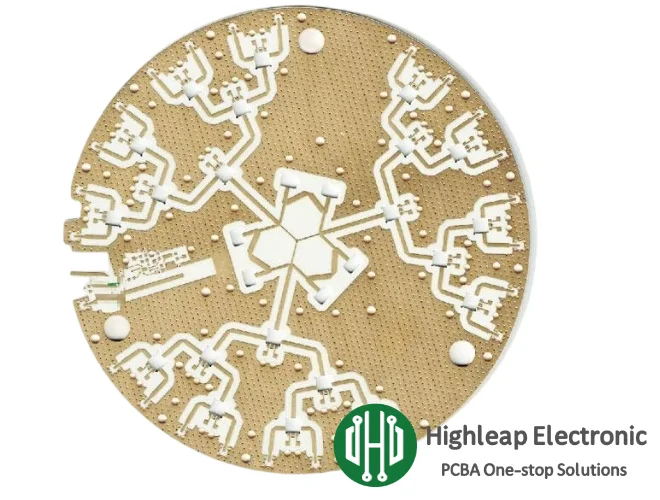
An RO3035 microwave board supplier is usually supporting products where RF behavior must remain stable across build lots and operating conditions. This may include microwave communication boards, radar subassemblies, antenna feed networks, power dividers, test fixtures, and other circuits where electrical repeatability matters more than low raw board cost.
In RO3035 radar PCB making, the board material, copper geometry, and transition design all affect how closely the final hardware matches simulation and lab expectations. The same applies to microwave circuits where performance depends on consistent line impedance, low discontinuity, and stable dielectric behavior. For these reasons, RO3035 is often used where the PCB itself contributes directly to RF function.
Projects of this kind benefit from a manufacturer that can connect material handling, RF build strategy, and final production flow under one roof. A complete fabrication-to-assembly workflow is often more effective than splitting the build across unrelated suppliers, especially when the design includes sensitive RF regions and tight launch geometry.
Rogers RO3035 PCB Assembly Service Considerations
A dependable Rogers RO3035 PCB assembly service is just as important as bare board quality. On high-frequency boards, assembly quality affects connector alignment, grounding continuity, solder joint consistency, and the physical condition of RF-sensitive structures. Even when the laminate and fabrication are correct, poor assembly control can still degrade performance.
Assembly planning for RO3035 boards often includes:
- Thermal profile control for the specific laminate and component mix
- Accurate placement of RF connectors and critical components
- Paste and stencil optimization for shields, exposed pads, and fine-pitch parts
- Controlled handling during reflow, inspection, and depaneling
- Inspection coverage suited to both solder quality and mechanical alignment
This is particularly important for RF front ends, microwave modules, and radar boards where connector launches, grounding paths, and surrounding passive placement can directly influence test results. A qualified PCB assembly partner should understand that the goal is not simply to populate the board, but to preserve the electrical behavior intended by the layout.
Choosing a China Rogers RO3035 PCB Manufacturer
When selecting a China Rogers RO3035 PCB manufacturer, the key question is whether the supplier can deliver repeatable high-frequency production rather than simply process a Rogers order once. A strong supplier should be comfortable discussing stackups, impedance targets, plating quality, drill strategy, panelization, RF-related tolerances, and assembly coordination.
A useful checklist includes:
- Experience with high-frequency and RF board builds
- Ability to review stackup and manufacturability before release
- Support for prototype, pilot, and repeat production
- Assembly capability for mixed RF and control boards
- Clear communication on material sourcing, lead time, and process limits
A reliable Rogers RO3035 circuit board supplier should be able to identify potential build issues early and recommend adjustments before they become production problems. For high-frequency designs, that type of engineering support is often more valuable than a low initial quote.
Quick Turn Rogers RO3035 PCB Prototype and Cost Factors
A quick turn Rogers RO3035 PCB prototype is useful when development schedules are tight, but prototype speed should still support meaningful validation. The board should reflect the intended stackup, geometry control, and assembly conditions closely enough that lab results remain relevant for the next build stage. Fast delivery is only helpful when the prototype can actually be trusted.
Wholesale Rogers RO3035 PCB price depends on several practical factors, including board size, layer count, material thickness, impedance requirements, via complexity, finish, test scope, and assembly content. On RF work, the lowest unit price is not always the lowest total project cost. Yield stability, fewer rebuilds, and better repeatability often save more time and money over the full program.
For this reason, many teams prefer to combine material review, fabrication, and assembly with one supplier that can keep the process aligned from the start. If you are preparing an RO3035 project for prototype or production, you can send files directly through Highleap’s quick quote page for review.
FAQ
What is Rogers RO3035 used for in PCB manufacturing?
Rogers RO3035 is used in RF and microwave PCB designs where stable dielectric behavior, controlled impedance, and repeatable high-frequency performance are important.
Is Rogers RO3035 suitable for microwave and radar boards?
It is commonly considered for microwave and radar-related PCB structures where material consistency and predictable RF behavior matter. Final suitability depends on the operating frequency, loss target, stackup, and circuit structure.
What should be reviewed before ordering custom Rogers RO3035 PCB fabrication?
The key items are stackup definition, impedance targets, copper weight, via structure, finish selection, critical tolerances, and assembly requirements.
Can one supplier handle Rogers RO3035 PCB fabrication and assembly together?
Yes. Using one supplier for fabrication and assembly can reduce handoff risk and improve consistency between bare board production, stencil setup, component placement, and final inspection.
What affects Rogers RO3035 PCB price the most?
The main factors are board size, layer count, material construction, controlled impedance requirements, via complexity, testing scope, quantity, and whether assembly is included.
How do I choose the right Rogers RO3035 PCB manufacturer?
Choose a supplier with real high-frequency manufacturing experience, strong stackup and DFM support, controlled impedance capability, and a production flow that can support both prototypes and repeat orders.

Recommended Posts
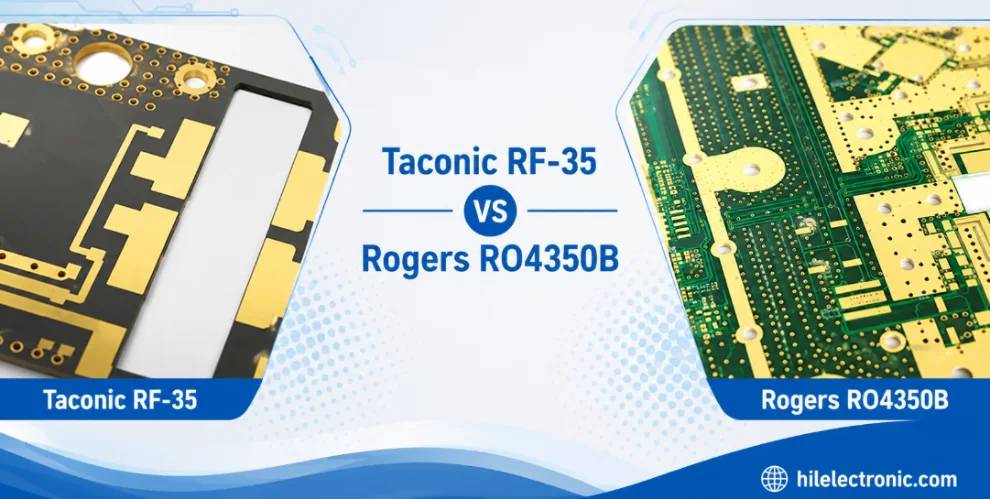
Taconic RF 35 vs RO4350B PCB
Table of contentsRF-35 vs RO4350B Procurement and...
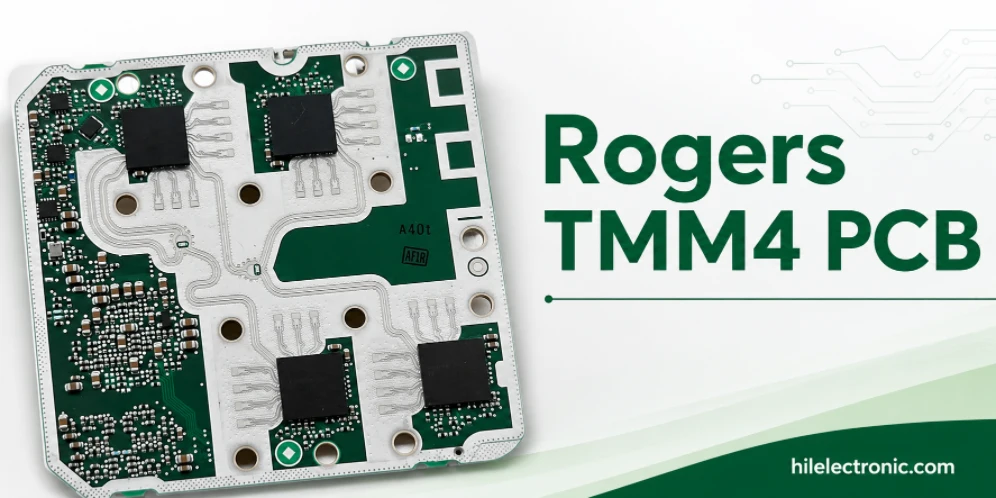
TMM4 Filter PCB Manufacturing
TMM4 filter PCB manufacturing is controlled by the...
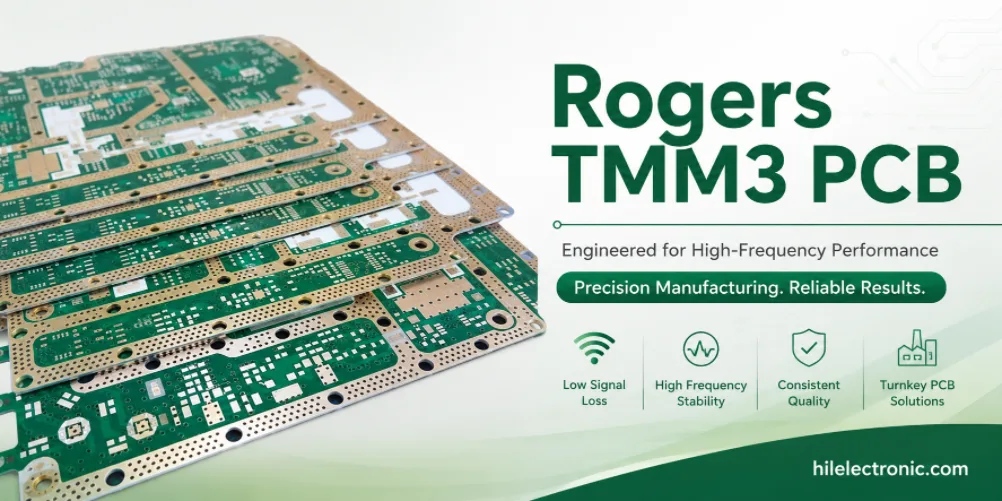
TMM3 PCB Manufacturing for RF Modules
TMM3 PCB manufacturing is most useful where the RF module...
TMM6 PCB Fabrication
TMM6 fabrication is the process-control page for a mid-Dk...
How to get a quote for PCBs
Let’s run DFM/DFA analysis for you and get back to you with a report. You can upload your files securely through our website. We require the following information in order to give you a quote:
-
- Gerber, ODB++, or .pcb, spec.
- BOM list if you require assembly
- Quantity
- Turn time
For PCBA services, please provide your BOM (Bill of Materials) and any specific assembly instructions. We also offer DFM/DFA analysis to optimize your designs for manufacturability and assembly, ensuring a smooth production process.