
Popular High-Frequency PCB Materials Selection
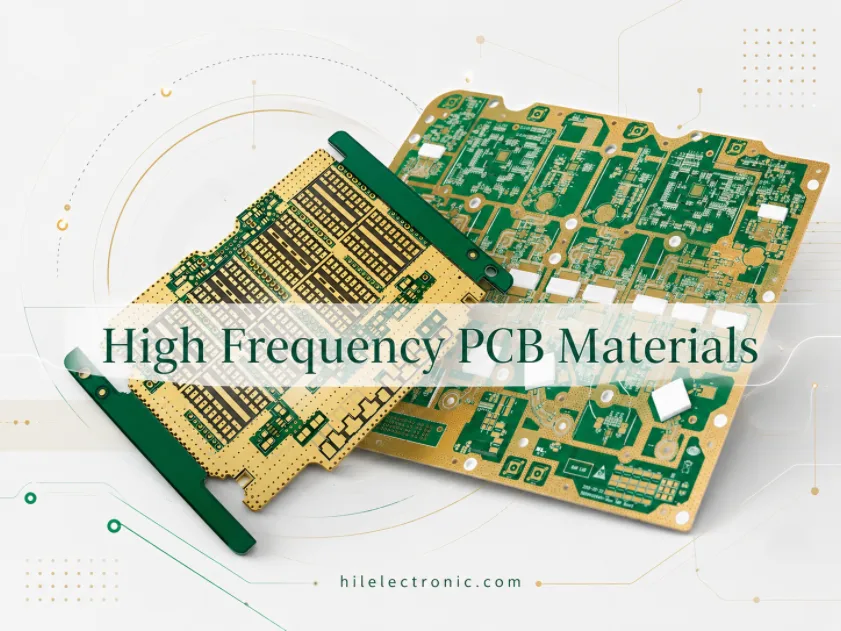
Figure 1. high-frequency PCB materials image for PCB manufacturing review.
High-frequency PCB material selection starts with dielectric constant stability, loss tangent, copper profile, and the fabrication precision needed to preserve impedance in RF boards. That is why laminate choice matters more than generic board category labels once a design moves into microwave, radar, or high-speed RF territory. This guide compares the materials used in high-frequency PCBs, explains where FR-4 stops working well, and reviews the design rules Highleap Electronics uses to protect signal integrity in RF builds. Understanding the RF material differences between RO4003C and FR-4 helps establish whether a design needs a different loss budget, impedance model or fabrication stackup.
1. What makes a PCB high frequency?
A PCB is “high frequency” when it carries signals fast enough — typically into the gigahertz range — that the board material’s electrical behavior and the trace geometry start to control whether the signal survives. At those frequencies the laminate’s dielectric constant and loss, and the precision of the trace dimensions, matter as much as the schematic, because the copper traces behave as transmission lines rather than simple wires.
Two properties define the requirement: low signal loss, so the signal does not fade as it travels, and a stable, well-controlled dielectric constant, so the impedance stays predictable. When either is poor, the result is attenuation, reflections, and distortion that corrupt the link. This is why a high-frequency circuit board is built around the laminate and the fabrication precision first, and why these boards are a specialized capability rather than a standard order.
2. High-frequency PCB materials: PTFE, ceramic-filled, and Dk
High-frequency PCBs use specialized laminates — PTFE-based and ceramic-filled hydrocarbon materials — chosen for a low, stable dielectric constant (Dk) and low loss, rather than standard FR-4. The material is the heart of the board, and it is selected by its electrical properties at the operating frequency:
| Property | What it controls | Why it matters at RF |
|---|---|---|
| Dielectric constant (Dk) | Trace impedance and electrical length | Must be low and stable for predictable impedance |
| Dissipation factor (Df) | How much energy the material absorbs | Low Df means low loss over distance |
| Dk stability vs frequency | How constant Dk stays | Keeps impedance repeatable across the band |
| Copper roughness | Surface the current travels along | Smoother foil lowers conductor loss |
The trade-off is that these materials cost more and process differently than FR-4, and some are combined with FR-4 in hybrid stackups to balance cost and performance. The electrical foundation is the dielectric constant and loss tangent, and at very high frequencies even the copper foil surface finish affects loss. Whichever laminate you choose, design to its current datasheet values at your operating frequency. The full landscape of options is covered in this guide to high-frequency materials.
3. Why FR-4 fails at high frequency
FR-4 fails at high frequency for two reasons: its dielectric constant is loosely controlled and drifts with frequency, making impedance unpredictable, and its loss rises steeply as frequency increases, so signals arrive weak and distorted. At low speeds these weaknesses do not matter, which is why FR-4 is fine for most boards — but in the gigahertz range they become disqualifying.
The unpredictable Dk means a trace designed for a target impedance may not hit it, causing reflections; the high loss means the signal energy is absorbed by the laminate before it reaches its destination. Together they degrade RF and high-speed links to the point of failure. This is precisely the gap that specialized laminates fill, and recognizing it early avoids designing a high-frequency product on a material that cannot support it — one of the issues highlighted in this look at high-frequency PCB design mistakes.
4. High-frequency PCB applications: 5G, radar, and aerospace
High-frequency PCBs are used in 5G and wireless infrastructure, automotive radar, aerospace and defense systems, satellite communications, and high-speed data links — anywhere signals operate at RF/microwave frequencies or very high data rates. The common requirement is that the signal must travel with minimal loss and exact impedance, which only these boards provide:
- 5G and wireless. Base stations, antennas, and RF front ends operate at high frequencies where low loss is essential, a core driver behind the 5G PCB.
- Automotive radar. Driver-assistance and collision-avoidance radar runs at millimeter-wave frequencies demanding stable, low-loss materials.
- Aerospace and defense. Radar, communications, and electronic systems need reliable RF performance in harsh conditions.
- High-speed digital. Fast data links and backplanes need controlled impedance and low loss to preserve signal integrity.
What unites these is that the cost of the specialized board is justified by a function that simply cannot be achieved on ordinary material — the signal performance is the product.
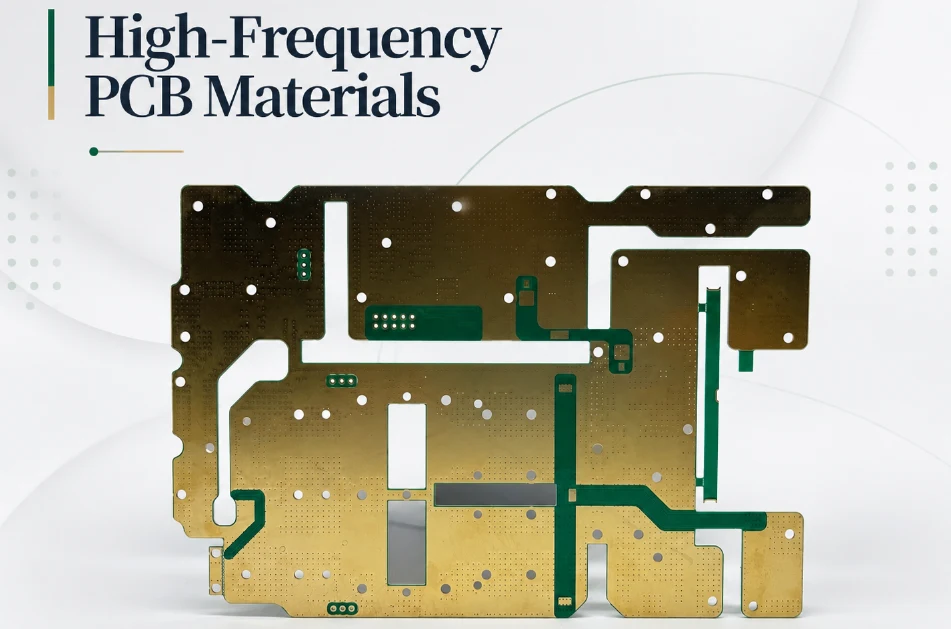
Figure 2. Manufacturing details for high-frequency PCB materials should be checked before quotation and production.
5. High-frequency PCB design rules that matter
The essential high-frequency design rules are controlling impedance through the stackup, fixing the stackup before trace geometry, managing return paths and reference planes, and accounting for loss in the budget. At RF, layout is electrical engineering, not just connectivity, so these rules decide whether the board works:
- Control impedance via the stackup. Trace width, dielectric thickness, and Dk together set impedance, so the stackup must be decided first and the build must hold it — the essence of controlled impedance.
- Protect return paths. Fast signals need a continuous reference plane beneath them; a gap in the return path causes reflections and radiation.
- Budget for loss. Account for dielectric and conductor loss across the trace length, and choose smoother copper where loss is critical.
- Coordinate with the fabricator. Because results depend on the fab hitting the exact geometry, impedance-controlled features must be agreed before the build.
These rules only deliver if the board is fabricated precisely, which is why high-frequency design and high-frequency manufacturing have to be planned together rather than handed off blindly.
6. How Highleap manufactures high-frequency PCBs
Highleap manufactures high-frequency PCBs with controlled-impedance processing, RF-appropriate laminates and finishes, and hybrid stackups where cost and performance need balancing. The laminate is matched to your operating frequency and impedance targets, the line widths and dielectric thicknesses are held tightly to deliver that impedance, and the surface finish is chosen to protect RF performance and solderability.
Because so much of the final performance is set during fabrication, a pre-production manufacturability review confirms the stackup, line widths, and via design are buildable and consistent with your impedance goals — the point where many RF boards succeed or develop problems. Highleap delivers this through dedicated high-frequency PCB manufacturing and supports assembly of the populated board. When requesting a quote, specify the laminate (or your Dk/Df and frequency), your target impedance, the stackup, and whether a hybrid construction is acceptable, so the board is quoted and built correctly; a look at high-frequency PCB cost drivers helps set expectations.
7. High-frequency PCB FAQ
At what frequency is a PCB considered high frequency?
There is no hard line, but boards are generally treated as high frequency when signals reach into the gigahertz range, or when high data rates make the material’s loss and impedance behavior the limiting factor. At that point specialized laminates and controlled impedance become necessary.
Can I mix high-frequency material with FR-4 in one board?
Yes — hybrid stackups place the high-frequency laminate only where the RF signals are and use FR-4 elsewhere to reduce cost. Whether it suits your design depends on the layout and should be confirmed with your fabricator.
Why are high-frequency PCBs more expensive?
The specialized laminates cost more than FR-4, they process and drill differently, and holding tight impedance tolerances requires extra control and testing. Hybrid stackups are one way to manage the cost.
What is insertion loss in a high-frequency PCB?
Insertion loss is the signal energy lost as it travels along a trace, from both the dielectric absorbing energy and the conductor’s resistance. Low-loss laminates and smoother copper reduce it, which is critical over longer RF traces.
Does copper roughness really affect RF performance?
Yes — at high frequency, current crowds along the copper-dielectric surface, so a rougher surface forces a longer path and raises conductor loss. Low-profile, smoother copper foils are used to reduce this loss in demanding designs.
Do high-frequency boards need special testing?
They often do — controlled-impedance boards are verified with impedance testing (commonly via test coupons), and RF performance may be checked against the design targets. This confirms the fabricated board actually meets its electrical specification.

Recommended Posts
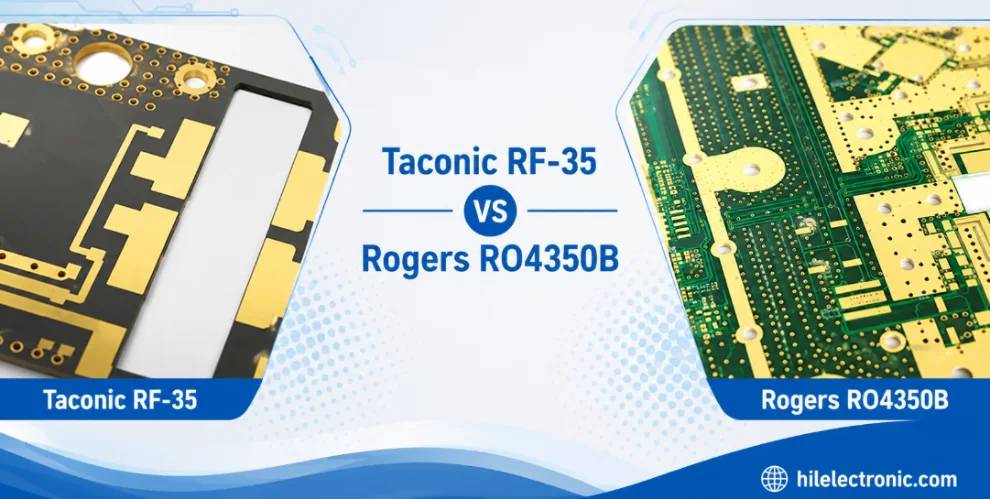
Taconic RF 35 vs RO4350B PCB
Table of contentsRF-35 vs RO4350B Procurement and...
TMM4 Filter PCB Manufacturing
TMM4 filter PCB manufacturing is controlled by the...
TMM3 PCB Manufacturing for RF Modules
TMM3 PCB manufacturing is most useful where the RF module...
TMM6 PCB Fabrication
TMM6 fabrication is the process-control page for a mid-Dk...