
PCBA Test Methods: AOI, ICT, Flying Probe, and Functional Test
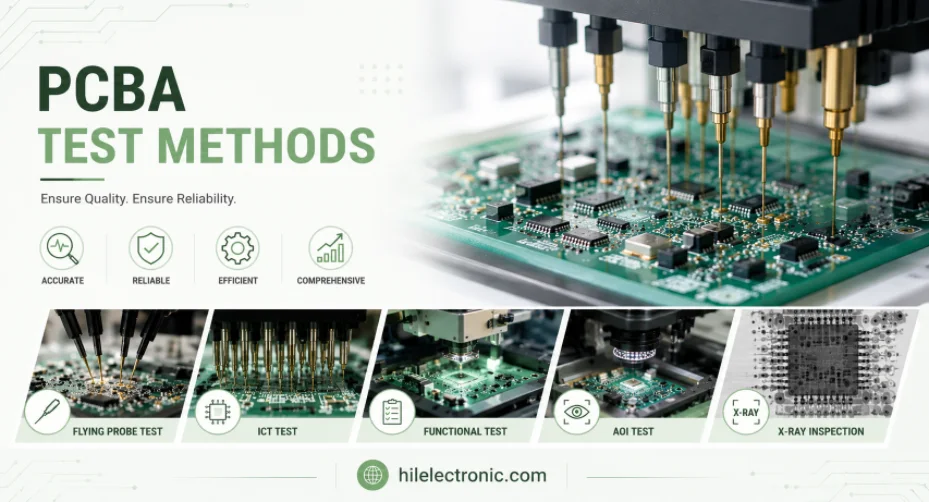
Figure 1. PCBA test methods image for Highleap Electronics PCB manufacturing and assembly review.
PCBA testing is how a contract manufacturer proves an assembled board is built correctly and works — and there is no single test that catches everything. Real production stacks several methods: optical inspection for placement, electrical test for components and connectivity, and functional test for behavior. Choosing the right combination for your board and volume is what balances cost against defect coverage. This guide explains the main PCBA test methods, what each catches, how they fit together, and how Highleap Electronics applies them.
1. What are the main PCBA test methods?
The main PCBA test methods are automated optical inspection (AOI), X-ray inspection, in-circuit test (ICT), flying-probe test, and functional test, with burn-in added for high-reliability products. They fall into three groups by what they verify: inspection methods check that parts are present and correctly placed, electrical methods check connectivity and component values, and functional methods check that the board actually does its job.
| Method | Catches | Type |
|---|---|---|
| AOI | Missing/misplaced parts, solder defects | Optical inspection |
| X-ray | Hidden joints under BGAs, voids | Optical inspection |
| ICT | Opens, shorts, wrong/missing values | Electrical test |
| Flying probe | Opens, shorts, values (no fixture) | Electrical test |
| Functional | Real-world behavior, firmware, I/O | Functional test |
No single method is sufficient — AOI sees a joint but cannot confirm a resistor’s value, ICT measures the value but cannot confirm the board boots, and functional test confirms it boots but may not localize a specific bad joint. That is why production combines them, an approach grounded in a clear design-for-testability plan, and the overall picture is what good circuit board testing brings together.
2. AOI and X-ray: inspecting placement and hidden joints
AOI uses cameras to verify that components are present, correctly placed, and properly soldered on visible joints, while X-ray inspects the joints that cameras cannot see — under BGAs and other bottom-terminated packages. Together they catch the placement and solder defects that make up a large share of assembly faults, before any electrical test runs.
Automated optical inspection compares each board against a known-good reference, flagging missing parts, misaligned or tombstoned components, wrong polarity, and visible solder problems at high speed and consistency — far more reliably than manual inspection. For hidden joints, X-ray inspection looks through the package to verify ball joints and detect voids under BGAs, which is the only way to confirm those connections short of destructive testing. Because AOI and X-ray are non-contact, they need no fixture and apply from prototype through volume, making them the first line of defense in automated optical inspection-based quality control.
3. ICT vs flying probe: electrical test for connectivity
In-circuit test (ICT) uses a custom bed-of-nails fixture to electrically verify opens, shorts, and component values very fast, while flying-probe test does the same checks with moving probes and no fixture — trading speed for zero tooling cost. Both prove the board is electrically assembled correctly; the right one depends on volume:
- In-circuit test presses pins onto every probed net through a dedicated fixture, measuring each component and connection in seconds — ideal for production once the fixture cost is amortized, as covered in this overview of in-circuit testing.
- Flying probe moves a few probes across the board to make the same measurements with no fixture, which is slower per board but perfect for prototypes and low volume where the design may change; see how flying-probe test works.
The decision mirrors the test-fixture economics: flying probe early when quantities are small and the design is still moving, ICT later when volume justifies the fixture and you need throughput. Both rely on the board exposing adequate test access, which is why electrical-test planning belongs in the design phase, not after assembly.
4. Functional and burn-in testing: proving the board works
Functional test powers up the assembled board and exercises it the way the end product will — checking that it boots, runs its firmware, and produces the correct inputs and outputs — while burn-in runs the board under power and stress for an extended period to catch early-life failures. These are the methods that confirm the board does its actual job, not just that it is assembled correctly.
Functional testing is the closest proxy to real use: it can verify communication interfaces, sensor readings, power rails under load, and programmed behavior, often using a custom test setup that emulates the board’s environment. It is the natural complement to inspection and in-circuit test — those confirm the board is built right, while functional testing confirms it works right. For products where field failures are costly, burn-in testing adds a stress-and-soak period that weeds out components prone to early failure, so the units that ship have survived their riskiest hours on the line rather than in the field.
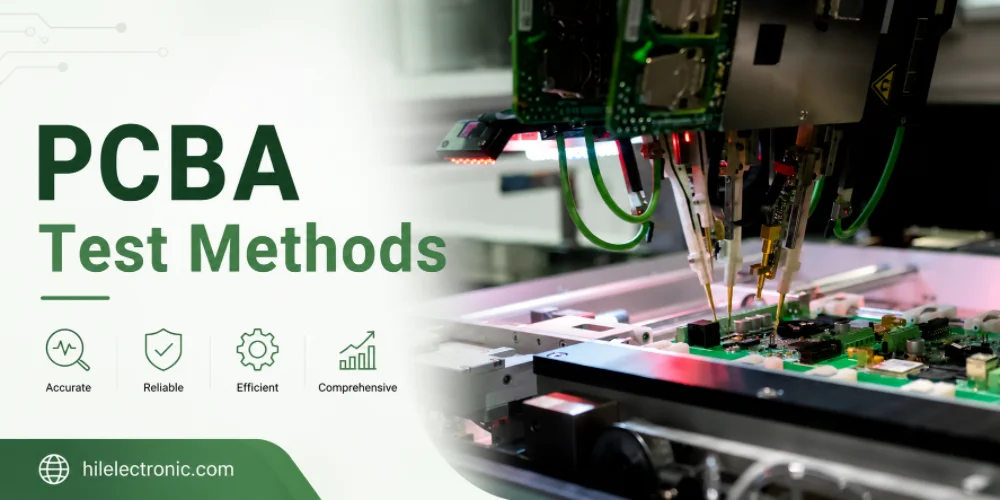
Figure 2. Manufacturing details for PCBA test methods should be checked before quotation and production.
5. How much test coverage does your board actually need?
The right amount of test coverage is the minimum that reliably catches the defects your product cannot ship with — driven by reliability requirement, production volume, board complexity, and the cost of a field failure, not by testing as much as possible. Over-testing a simple, low-stakes board wastes money; under-testing a critical one risks expensive field returns. The sensible way to scope it is to layer methods against three questions:
- What defects must never escape? Map your real failure risks — bad joints, wrong values, firmware faults, marginal performance — to the methods that catch each, so coverage is deliberate rather than habitual.
- What does a failure cost in the field? A consumer gadget and a medical or automotive board justify very different test investment, because a return or recall on the latter dwarfs the cost of more thorough testing.
- What is the volume? Prototypes and low runs lean on fixtureless flying probe and inspection; higher volume justifies an ICT fixture and automated functional test for throughput.
A typical layered strategy looks like this: AOI and X-ray on every build to catch placement and hidden-joint defects, electrical test (flying probe early, ICT at volume) to catch opens, shorts, and wrong values, and functional test to confirm the board works as intended — with burn-in added only for high-reliability products. This matches the test to the risk and the economics, the same disciplined trade-off behind choosing between low-volume and high-volume production. Crucially, every method depends on the board exposing the access it needs, so coverage is decided in design through a sound design-for-testability plan — not bolted on after assembly, when the cheapest options are already gone.
6. How Highleap builds your PCBA test strategy
Highleap builds a layered test strategy matched to your board and volume — AOI and X-ray on every build, electrical test by ICT or flying probe per volume, and functional or burn-in testing where the product needs it. The aim is the right defect coverage at the right cost, rather than over-testing a simple board or under-testing a critical one.
This is delivered within turnkey assembly, where inspection and test are part of the build rather than an afterthought, and it starts with a testability review so the board exposes the access each method needs. Because test access cannot be added after layout, catching gaps early through a manufacturability review protects your test coverage. When you request a quote, tell us the defects the test must catch, your target volume, and whether functional or burn-in testing is required, so the test plan is scoped correctly.
7. PCBA testing FAQ
What does PCBA stand for?
PCBA means Printed Circuit Board Assembly — a bare PCB that has had its components soldered on. PCBA testing therefore verifies the populated, assembled board, as opposed to bare-board electrical testing of the PCB before assembly.
What is a golden board in PCBA testing?
A golden board (or known-good board) is a verified-perfect assembly used as the reference that AOI and functional tests compare against. Setting up a reliable golden sample is a key step in programming a test for a new product.
Is every board tested, or only a sample?
It depends on the agreed plan: AOI is typically run on every board, while more time-consuming tests may be 100% or sampled based on the reliability requirement and volume. Critical products are usually tested 100%, including functional test.
What is the difference between in-line and offline testing?
In-line testing happens automatically as boards move along the production line, maximizing throughput; offline testing is done at a separate station, which is more flexible for complex functional tests and lower volumes. Many lines combine both.
Who develops the functional test for my board?
Functional test development is usually a collaboration: the customer defines the pass/fail criteria and expected behavior, and the manufacturer builds the test setup and fixture. Clear test specifications up front make this faster and cheaper.
Can PCBA testing catch a bad component that still measures in spec?
In-circuit test catches wrong or out-of-tolerance values, but a marginal part that passes electrically can slip through — which is why functional test (and burn-in for critical products) is added to catch behavior and early-life failures that measurements alone miss.

Recommended Posts

Miniaturize Antennas with Rogers TMM Laminates
Figure 1. Rogers TMM Executive Summary: Rogers TMM...
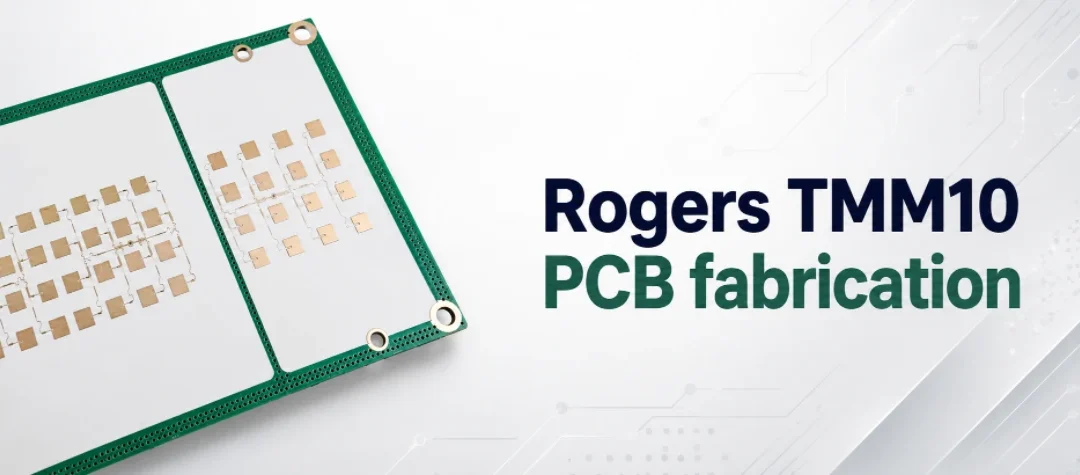
Rogers TMM10 PCB Fabrication for Dk 9.2 High-Dk Thermoset Microwave Boards
Figure 1. Rogers TMM10 PCB fabricationRogers TMM10 PCB...
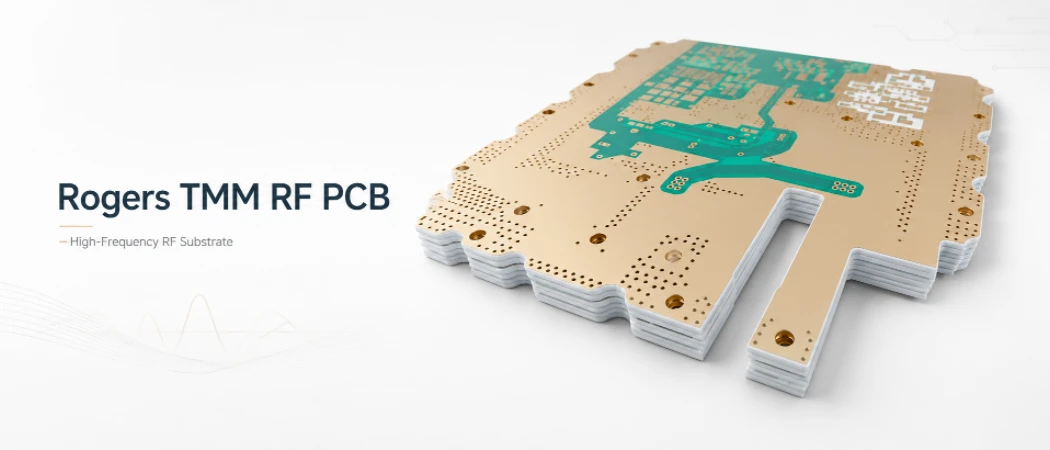
Rogers TMM RF PCB Design and Manufacturing for Controlled Impedance
Table of Contents Rogers TMM RF PCB Design and...
Rogers TMM PCB Quote Comparison and Cost Factors
Table of contentsCan Rogers TMM PCB Price Be Calculated...
How to get a quote for PCBs
Let’s run DFM/DFA analysis for you and get back to you with a report. You can upload your files securely through our website. We require the following information in order to give you a quote:
-
- Gerber, ODB++, or .pcb, spec.
- BOM list if you require assembly
- Quantity
- Turn time
For PCBA services, please provide your BOM (Bill of Materials) and any specific assembly instructions. We also offer DFM/DFA analysis to optimize your designs for manufacturability and assembly, ensuring a smooth production process.