
Metal Film vs Carbon Film Resistors: Key Differences for PCB Design

Introduction
Resistors form the foundation of circuit control in PCB design, regulating current flow and establishing voltage levels across countless applications. When selecting between metal film vs carbon film resistors, the performance differences directly impact circuit stability, measurement accuracy, and long-term reliability.
This comparison examines the structural characteristics, electrical properties, and practical applications of both resistor types to guide informed component selection for your PCB assemblies.

Metal Film Resistor: Construction and Performance
Structure and Manufacturing
Metal film resistor construction begins with depositing a thin nickel-chromium alloy layer onto a ceramic substrate through vacuum deposition or sputtering. Manufacturers create the desired resistance value by cutting a precise helical groove into the metal film, effectively lengthening the current path. This controlled process enables tight tolerance control and consistent electrical characteristics across production batches.
Electrical Characteristics
Metal film resistors achieve tolerances from ±0.1% to ±1% with temperature coefficients typically between ±25 to ±100 ppm/°C, ensuring minimal resistance drift across temperature variations. The metal film structure generates Johnson noise only, without excess noise components, making these resistors ideal for sensitive analog circuits. Long-term stability typically exceeds 0.1% over 1000 hours at rated power, maintaining precision throughout the product lifecycle.
Key Advantages and Limitations
Metal film resistors deliver several critical benefits for precision PCB applications:
- Superior stability – Resistance drift remains below 0.1% over thousands of operating hours under rated conditions
- Low noise floor – Pure Johnson noise characteristics preserve signal integrity in analog and measurement circuits
- Tight tolerance control – Factory tolerances from ±0.1% eliminate need for selection or trimming in most designs
- Minimal temperature sensitivity – TCR values of ±50 ppm/°C or better maintain accuracy across operating temperature ranges
The primary limitation centers on higher unit cost compared to carbon film alternatives, which impacts high-volume consumer electronics where cost optimization drives component decisions.

Carbon Film Resistor
Carbon Film Resistor: Design and Application
Structure and Manufacturing
Carbon film resistor fabrication involves depositing a thin carbon layer onto a ceramic rod core through pyrolytic decomposition of hydrocarbon gas at high temperature. The manufacturer cuts a helical path into the carbon layer to achieve the target resistance value. This simpler manufacturing approach costs significantly less than metal film production while delivering adequate performance for many general-purpose applications.
Electrical Characteristics
Carbon film resistors typically offer tolerances ranging from ±2% to ±5% with temperature coefficients around ±200 to ±500 ppm/°C, meaning resistance values shift more noticeably with temperature changes. These components exhibit higher noise levels due to the granular nature of carbon film, which generates excess noise beyond theoretical Johnson noise. Long-term stability proves inferior to metal film alternatives, with typical drift rates of 1-3% over extended operation.
Practical Benefits and Constraints
Carbon film resistors serve cost-sensitive PCB designs effectively within their performance envelope:
- Economic manufacturing – Simple production process reduces unit costs by 50-70% compared to metal film types
- Adequate general-purpose performance – Specifications meet requirements for non-critical circuit applications
- Wide resistance range – Available values span from ohms to megohms for diverse circuit needs
- Acceptable power handling – Standard power ratings from 1/8W to 2W cover most PCB applications
The limitations become apparent in precision circuits, where wider tolerances, higher noise levels, and greater temperature-induced drift can compromise performance. Moisture absorption over time may further degrade electrical characteristics in harsh environments.

Metal Film Resistors vs Carbon Film Resistors
Metal Film vs Carbon Film: Performance Comparison
The metal film vs carbon film decision requires evaluating multiple electrical parameters that directly affect circuit behavior. Tolerance differences determine whether resistor variations remain within acceptable circuit performance bounds. Temperature coefficient disparities indicate how much resistance will shift across the operating temperature range, critical for precision designs. Noise characteristics establish suitability for analog signal paths, while stability metrics predict long-term reliability.
| Parameter | Metal Film | Carbon Film |
|---|---|---|
| Tolerance | ±0.1% to ±1% | ±2% to ±5% |
| TCR | ±25 to ±100 ppm/°C | ±200 to ±500 ppm/°C |
| Noise | Johnson noise only | Higher (excess noise) |
| Stability | <0.1% per 1000h | 1-3% drift |
| Cost Factor | 1.5-3× baseline | Baseline |
Selection depends on four critical factors: required circuit precision, acceptable noise levels, operating temperature range, and budget constraints. Circuits demanding tolerances tighter than ±1% or operating across wide temperature ranges necessitate metal film resistors despite higher cost.
Application Guidelines for Metal Film vs Carbon Film Selection
Metal Film Resistor Applications
Metal film resistors are preferred when precision, stability, and low noise are mandatory:
-
Precision instrumentation – Maintains measurement accuracy in sensor interfaces, ADC front-ends, and reference networks.
-
Analog signal conditioning – Ensures stable amplifier gain and low drift in feedback paths.
-
Audio electronics – Reduces noise and preserves signal fidelity in preamps, equalizers, and high-end audio stages.
-
Medical devices – Supports long-term reliability requirements in diagnostic and monitoring equipment.
-
Aerospace and defense systems – Provides documented stability and predictable behavior under harsh environments.
Carbon Film Resistor Applications
Carbon film resistors offer cost-effective performance for non-critical or high-volume designs:
-
Consumer electronics – Suitable for TVs, small appliances, toys, and general household devices.
-
General-purpose PCB circuits – Common in pull-up/pull-down networks, digital logic interfaces, and low-stress signal paths.
-
Power supply circuits – Works for voltage dividers, current limiters, and basic input filtering where precision is not required.
-
LED lighting products – Fits cost-driven designs that prioritize unit price over tight tolerances.
-
High-volume manufacturing – Provides significant cost savings when scaled across millions of units.

Resistors
Selection Criteria: Choosing Between Metal Film and Carbon Film
Precision and Tolerance Requirements
Circuit accuracy serves as the primary differentiator between the two resistor types. Designs requiring tolerances tighter than ±1% or TCR < ±100 ppm/°C should default to metal film. For illustration:
-
A ±5% carbon film resistor with ±250 ppm/°C TCR across a 60°C delta produces ±6.5% total deviation.
-
A ±0.5% metal film resistor with ±50 ppm/°C TCR results in only ±0.8% deviation.
Noise Performance Considerations
Noise characteristics significantly influence resistor selection in analog circuitry.
-
Metal film is preferred for sensor interfaces, low-level measurement circuits, and audio paths where noise affects performance.
-
Carbon film noise levels remain acceptable in digital logic, switching circuits, and power stages where small noise contributions do not affect functionality.
Cost vs Reliability Tradeoff
Component selection should extend beyond unit price to long-term operational cost.
-
Carbon film supports cost-sensitive designs and high-volume consumer products.
-
Metal film minimizes drift-related failures and reduces potential warranty costs in demanding or long-life applications.
Conclusion
Performance vs Cost Trade-off
Metal film and carbon film resistors differ primarily in precision and economy. Metal film types offer tight tolerance, low temperature coefficients, and low noise, making them suitable for circuits requiring accuracy and long-term stability. Carbon film resistors work well in applications that tolerate wider drift and noise, delivering cost advantages in high-volume designs.
Requirement-Driven Component Selection
Resistor choice should follow quantified design requirements rather than simple substitution. Engineers must evaluate tolerance, temperature stability, and noise margins to ensure the selected resistor meets circuit expectations. Using carbon film resistors in precision paths increases calibration needs and field risk, while specifying metal film everywhere wastes budget.
Engineering Support
For designs requiring resistor evaluation or PCB assembly optimization, Highleap Electronics provides engineering support to help achieve reliable and cost-effective component selection.

Recommended Posts
Racing Wheel Controller PCB Manufacturing & Assembly for Force-Feedback and Direct-Drive Gaming Systems
Highleap Electronics provides PCB fabrication and PCBA for...
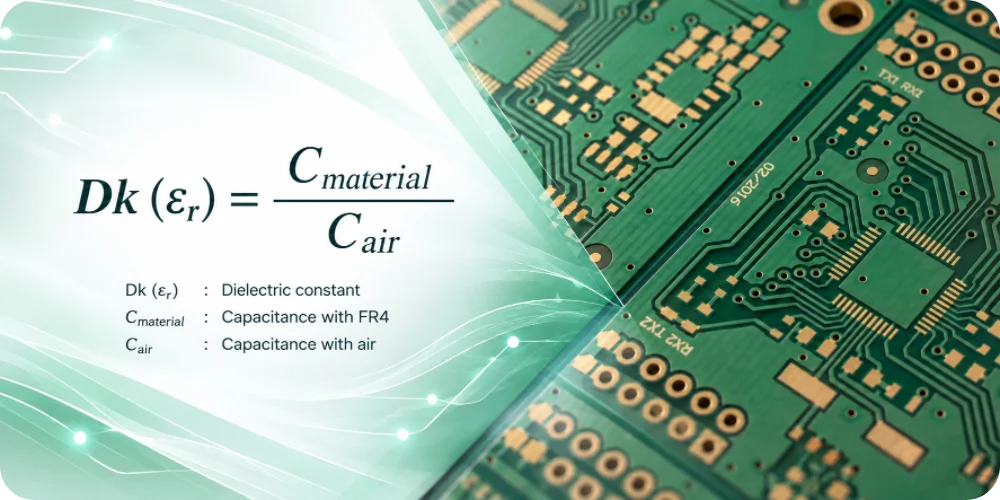
FR4 Dielectric Constant Calculator and PCB Design Guide
How to get a quote for PCBs Let's run DFM/DFA analysis for...
GPS Sports Watch PCB Design: GNSS, RF, Sensors and PCBA Manufacturing
Turning a compact GPS sports watch controller from an...
Cellular Modem PCB: From Module Carriers to PCBA
Need a manufacturer for a cellular modem PCB or a fully...
How to get a quote for PCBs
Let‘s run DFM/DFA analysis for you and get back to you with a report. You can upload your files securely through our website. We require the following information in order to give you a quote:
-
- Gerber, ODB++, or .pcb, spec.
- BOM list if you require assembly
- Quantity
- Turn time
In addition to PCB manufacturing, we offer a comprehensive range of electronic services, including PCB design, PCBA, and turnkey solutions. Whether you need help with prototyping, design verification, component sourcing, or mass production, we provide end-to-end support to ensure your project’s success.
For PCBA services, please provide your BOM (Bill of Materials) and any specific assembly instructions. We also offer DFM/DFA analysis to optimize your designs for manufacturability and assembly, ensuring a smooth production process.